

Your Secret to Effortless Style and All-Day Comfort
Imagine a day where your feet don’t ache, your posture feels naturally aligned, and your outfit transitions seamlessly from a morning commute to an evening stroll without a second thought. This isn’t about following fleeting fashion trends; it’s about a foundational principle of modern living. The true secret lies in a single, often overlooked element: the walking shoe. This article isn’t a simple product guide. It’s a deep dive into how the right footwear, grounded in biomechanics and intelligent design, unlocks a state of physical ease and confident style. We’ll move beyond marketing claims to explore the science of comfort, the architecture of support, and how this essential item can become the cornerstone of your daily well-being.
The Foundation: Biomechanics and the Science of the Step
Every step you take is a complex orchestration of bones, muscles, and tendons. When this system is out of balance, the effects ripple upward, leading to fatigue, joint stress, and even chronic pain. A proper walking shoe acts as an external engineering solution, designed to work in harmony with your body’s natural mechanics. According to research from institutions like the University of Virginia’s Motion Analysis and Motor Performance Laboratory, footwear can significantly alter gait patterns. The key lies in three scientific pillars: cushioning, stability, and flexibility. Cushioning isn’t just about softness; it’s about energy return and shock attenuation. As Dr. Casey Kerrigan, a former professor of physical medicine and rehabilitation at Harvard, has noted in her studies on footwear biomechanics, excessive cushioning in the wrong places can actually destabilize gait. True comfort comes from strategic cushioning that absorbs impact at the heel and forefoot while providing a stable platform through the midfoot. This is where the distinction between a generic sneaker and a purpose-built walking shoe becomes critical. The latter is engineered with a specific “rocking” motion or heel-to-toe drop that facilitates the natural rolling motion of the foot, reducing the metabolic cost of walking and making all-day movement feel effortless.
Decoding the Architecture: What Makes a Shoe a “Walking Shoe”?
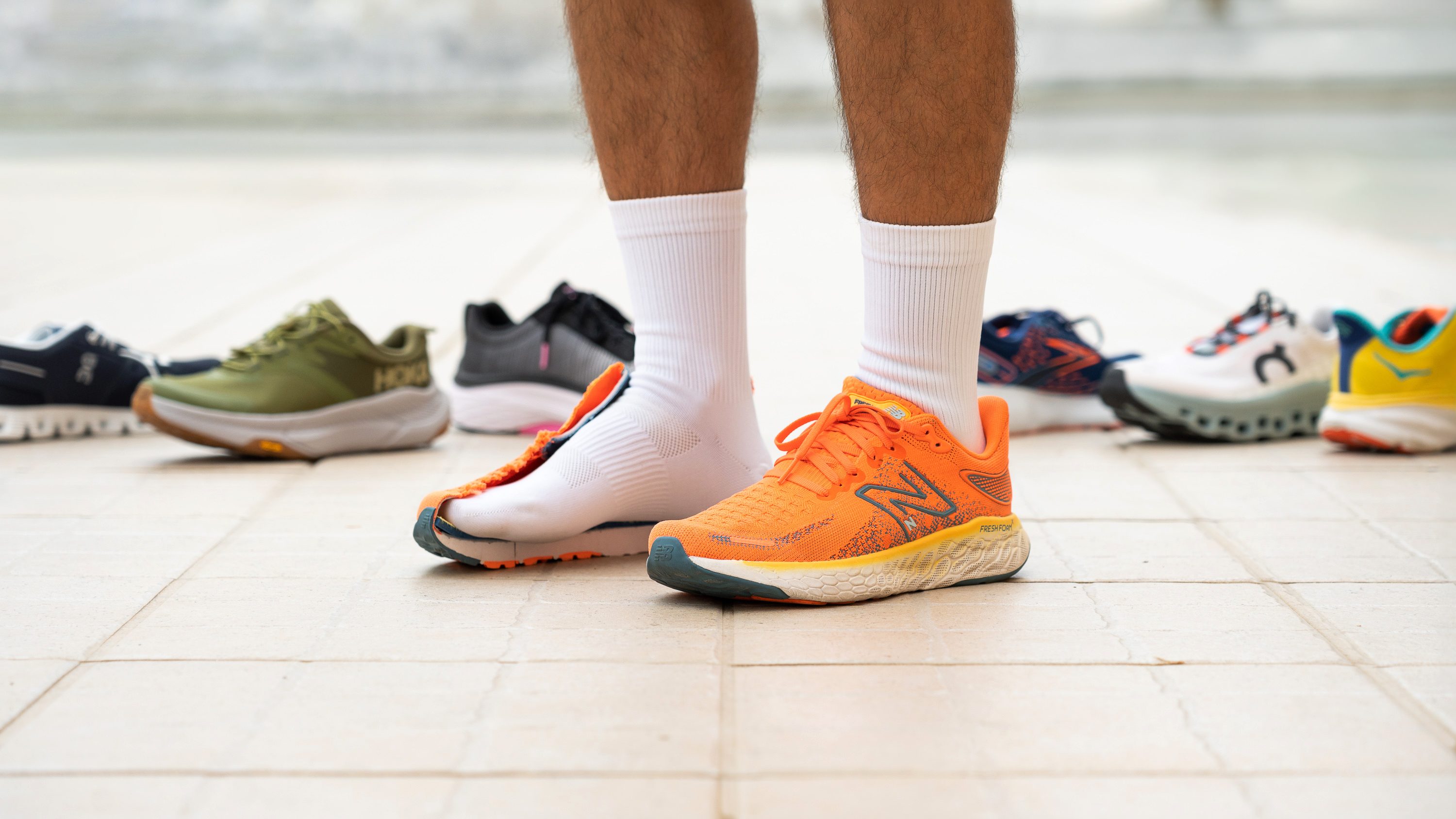
Let’s dissect the anatomy of an ideal walking companion. First, the upper: it should be constructed from breathable, flexible materials like engineered mesh or premium leather that conforms to your foot without constriction. Think of it as a supportive yet gentle sock. The midsole is the command center. Technologies like EVA foam, polyurethane, or proprietary compounds from brands like Brooks (DNA LOFT) or HOKA (Profly) offer a blend of softness and responsive rebound. The geometry is paramount. Many dedicated walking models feature a broader base, a concept supported by podiatric literature for enhancing stability and reducing the risk of overpronation or supination. Then, there’s the outsole. Durable rubber with multi-directional flex grooves is non-negotiable. It provides traction on varied surfaces and allows the forefoot to bend naturally with each step. A rigid sole forces your foot, ankle, and calf to work harder, leading to premature fatigue. Finally, consider the heel counter—the firm cup at the back. A sturdy, well-padded heel counter locks your foot in place, preventing slippage and providing essential rearfoot stability. When these elements coalesce, the shoe ceases to be an accessory and becomes a functional tool. You’re not just wearing shoes; you’re leveraging a system designed for sustained human locomotion.
Beyond the Gym: The Silent Language of Style
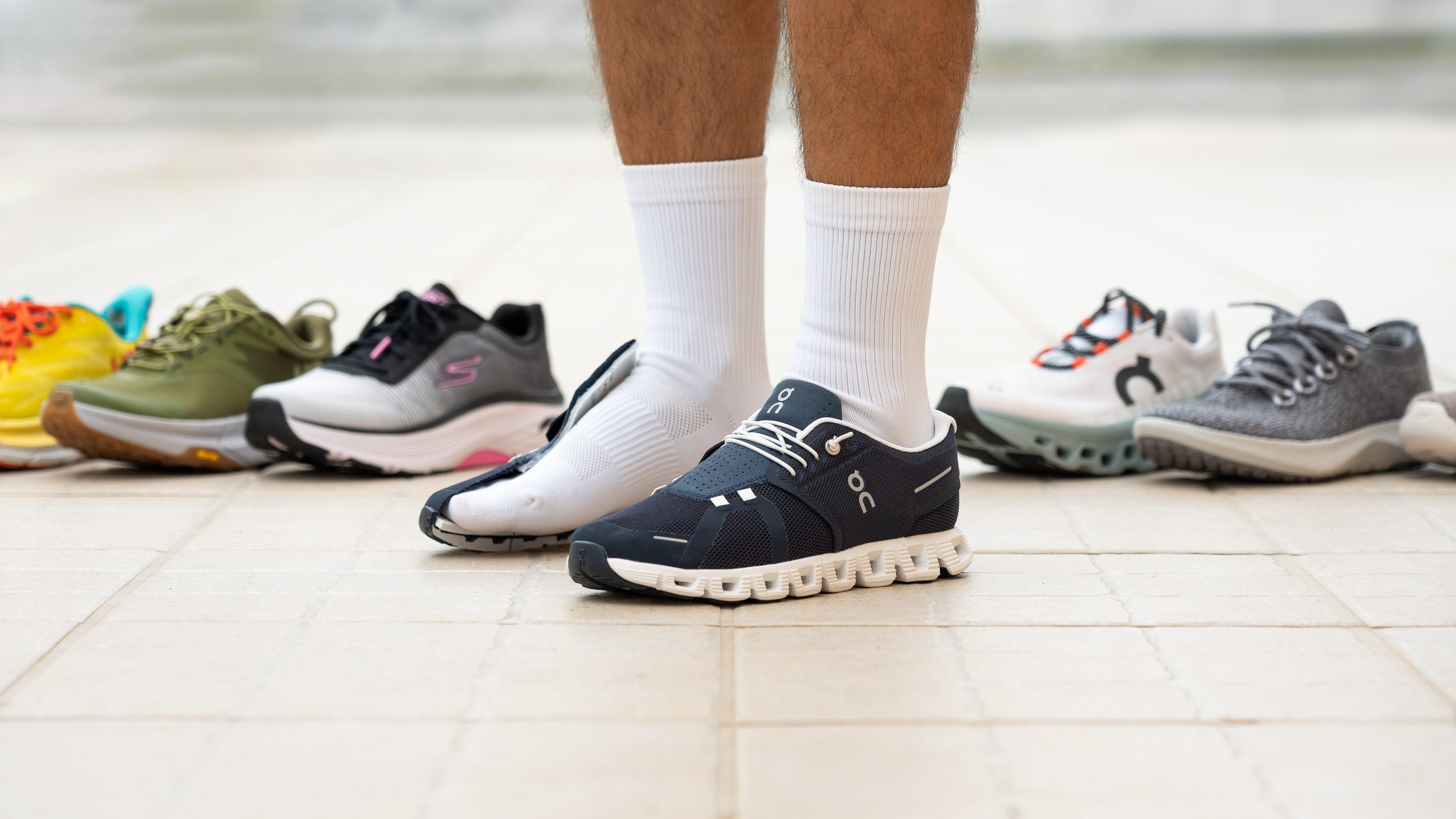
There exists a pervasive myth that comfort necessitates a sacrifice in aesthetics. This is a false dichotomy. The modern walking shoe has evolved. Brands like Cole Haan, Allbirds, and certain lines from New Balance and ECCO have masterfully bridged this gap. The philosophy is “heritage meets innovation” or “minimalist design with maximal comfort.” The style argument is bolstered by cultural shifts. On platforms like YouTube, fashion influencers such as Ashley Weston have discussed “elevated basics,” where a sleek, monochromatic sneaker becomes the versatile anchor for both tailored trousers and casual denim. The iconic film “Forrest Gump” inadvertently made a simple pair of running shoes a symbol of a lifelong journey, embedding the idea of dependable footwear into our cultural psyche. The point is this: your shoes communicate. A thoughtfully chosen, high-quality walking shoe communicates pragmatism, self-awareness, and a quiet confidence. It says you value your physical well-being enough to invest in it, and you possess the style acuity to make that investment look intentionally good. It’s the piece that unifies an outfit because it is, quite literally, your foundation.
The Long-Term Investment: Your Body’s Ledger
Viewing a premium walking shoe as an expense is a short-sighted perspective. It is, in fact, a critical investment in your long-term physical capital. Consider the alternative: persistent foot pain, plantar fasciitis, knee discomfort, or hip misalignment. The American Podiatric Medical Association consistently emphasizes the role of proper footwear in preventive care. As the famous quote often attributed to Aristotle goes, “We are what we repeatedly do. Excellence, then, is not an act, but a habit.” Walking is our most fundamental habit. Doing it in subpar footwear is a habit of self-sabotage. The cost of physical therapy, custom orthotics, or dealing with chronic pain far outweighs the price of a well-constructed shoe. Furthermore, these shoes have a lifespan. Experts on sites like Verywell Fit recommend replacement every 300-500 miles, as the midsole compresses and loses its shock-absorbing properties long before the outsole wears out. Using a worn-out shoe for its aesthetic value is like driving a car with flat tires for its paint job—the underlying damage accumulates silently but surely.
:max_bytes(150000):strip_icc()/when-should-i-replace-my-walking-shoes-3436325-0801-7a1840d83573471092e0380f9e230ecc.jpg)
Making the Intelligent Choice: A Confluence of Knowledge and Value
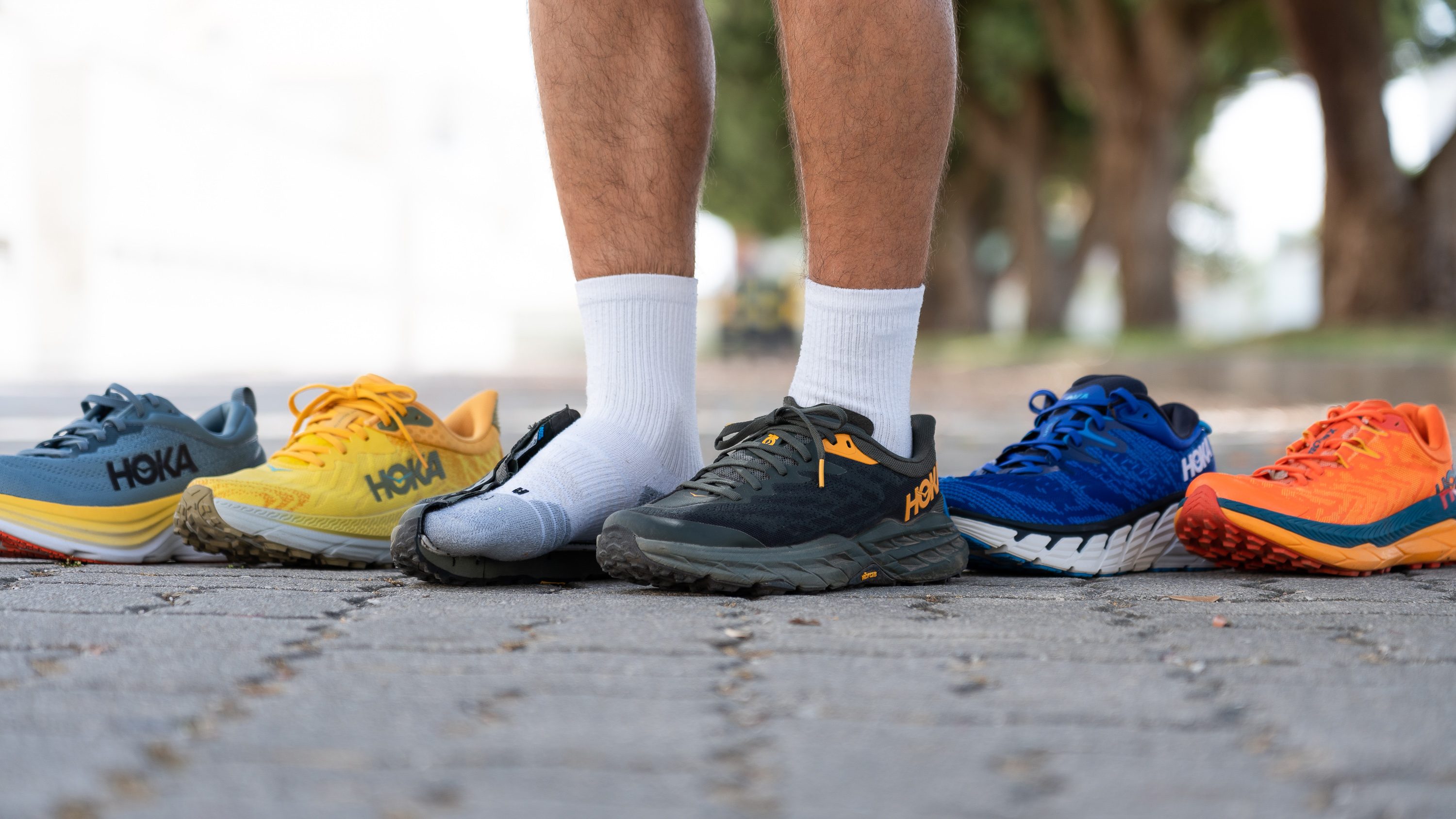
Armed with this knowledge, how do you proceed? First, prioritize fit over brand name. Your foot’s length, width, and arch type are unique. Seek out specialty retailers with trained fitters or use the detailed sizing and review tools available on reputable e-commerce sites. Second, understand the technology. Don’t be dazzled by jargon; look for the principles we’ve discussed: structured cushioning, adaptive uppers, and flexible stability. Brands like HOKA, with their maximalist cushioning, or Brooks, with their guide rail support systems, offer distinct philosophies—your choice should align with your gait and comfort preference.
“The human foot is a masterpiece of engineering and a work of art.” – This sentiment, often echoed by Leonardo da Vinci in his anatomical studies, reminds us that what we put on our feet should honor, not hinder, that design.
Finally, let’s talk about value. Professional-grade comfort shouldn’t command a prohibitive price. The market is competitive, and direct-to-consumer brands often offer superior technology at more accessible price points by cutting out middlemen. Look for seasonal sales, clearance on previous models (which often have minimal technological changes), and bundle offers. An informed consumer knows that the true cost-per-wear of a $150 shoe that lasts a year and safeguards your health is infinitely lower than that of a $60 shoe that causes discomfort and needs replacing in three months. This is where knowledge translates directly into smart economics and tangible well-being.
The journey to effortless style and all-day comfort begins from the ground up. It is a conscious decision to reject the notion that we must endure discomfort for the sake of appearance or economy. By choosing a scientifically-considered walking shoe, you are not merely purchasing an item; you are adopting a tool for enhanced living. You are investing in the freedom to move through your day with vitality, supporting your body’s intricate mechanics, and presenting yourself to the world with understated, intelligent style. Let your steps be light, supported, and confident. That is the secret, waiting right beneath you.
