

The Ultimate Guide to the Perfect Walking Shoe
Selecting the right footwear for walking is not merely a matter of style or casual preference; it is a foundational decision that impacts your biomechanics, comfort, and long-term joint health. The perfect walking shoe acts as a critical interface between your body and the ground, absorbing shock, providing stability, and facilitating a natural gait. This guide moves beyond marketing claims to dissect the anatomy, science, and real-world performance of walking footwear. We will equip you with professional knowledge to make an informed choice, ensuring your investment supports your stride for miles to come.
The Biomechanical Foundation: Why Your Feet Demand Specialized Shoes
Walking is a complex, repetitive motion involving a precise sequence of heel strike, foot flat, mid-stance, and toe-off. Each phase places distinct demands on footwear. A running shoe, designed for dynamic impact and propulsion, often features aggressive heel-to-toe drops and maximal cushioning that can disrupt the smoother, rolling gait of a walker. According to biomechanics literature from institutions like the University of Calgary’s Human Performance Laboratory, the optimal walking shoe promotes stability during the longer mid-stance phase and offers flexible forefoot construction to aid the toe-off. Renowned podiatrist Dr. Ray McClanahan, in a widely cited YouTube presentation, emphasizes that conventional, narrow-toe-box shoes can contribute to ailments like bunions and plantar fasciitis by restricting natural foot splay. Therefore, understanding your gait pattern—whether you overpronate, supinate, or have a neutral stride—is the first scientific step. This isn’t about following trends; it’s about aligning your gear with the immutable laws of physics and physiology governing your movement.
Decoding the Anatomy: Key Components of a Superior Walking Shoe
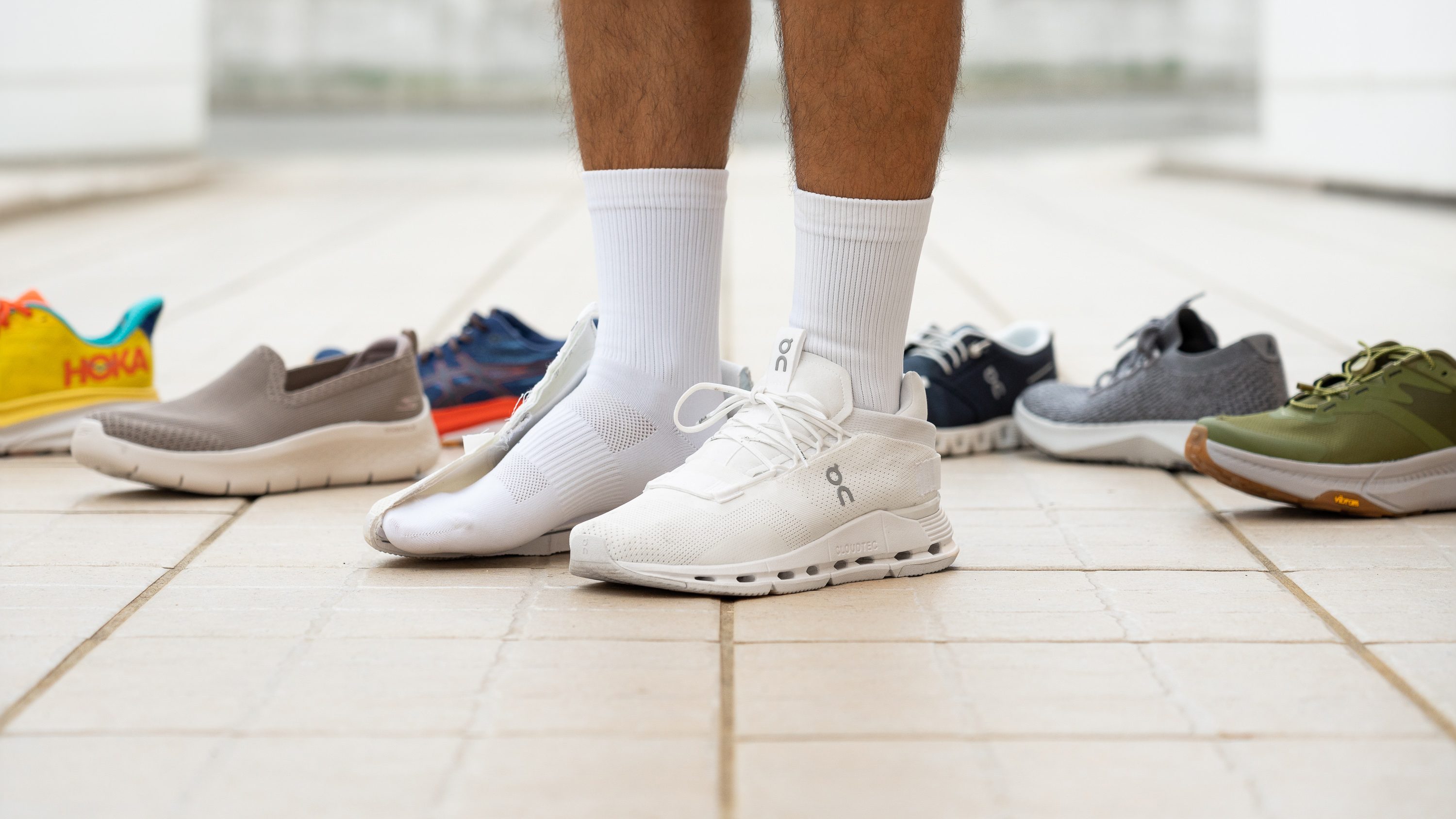
To judge a walking shoe intelligently, you must become fluent in its language. Let’s break down the essential components. The upper, typically made from engineered mesh or leather, must offer breathability and a secure, non-constricting fit. The heel counter—the firm cup at the back—should be rigid to lock the heel in place and prevent slippage, a point consistently stressed in reviews on authoritative sites like Runner’s World. The midsole is the heart of the shoe. Materials like EVA (ethylene-vinyl acetate) foam or newer compounds like PEBAX provide cushioning. However, as noted in a Quora thread populated by orthopedic specialists, the density and placement of this cushioning are crucial; it must be resilient enough to not bottom out over time. The outsole’s rubber compound and tread pattern determine durability and traction. A segmented or flex-grooved outsole, as seen in models from brands like Brooks and New Balance, facilitates the foot’s natural roll. Finally, the last—the shape around which the shoe is built—should mirror the natural contour of your foot. A well-constructed walking shoe harmonizes these elements into a single, functional unit.
Cushioning vs. Stability: Striking the Personal Balance
The debate between plush cushioning and firm stability is perennial. Maximalist shoes, with thick, soft midsoles, can feel like walking on clouds initially and are often marketed for comfort. Scientific viewpoints, such as those published in the Journal of Foot and Ankle Research, suggest that while they excel at shock attenuation, excessive softness can sometimes reduce proprioception (the body’s awareness of its position) and destabilize the ankle. Conversely, stability shoes with medial posts or dual-density foam are engineered to correct overpronation. As biomechanist Katy Bowman discusses in her book “Move Your DNA,” the goal is not to let the shoe do all the work but to use it as a tool that allows your intrinsic foot muscles to function healthily. Your body weight, walking terrain, and any existing foot conditions dictate your ideal point on this spectrum. A heavier individual on pavement may prioritize durable cushioning, while a lighter person on trails might seek a stable, grounded feel. There is no universal “best,” only what is best for your unique biomechanical profile.
The Fit Imperative: Beyond the Shoe Size Number
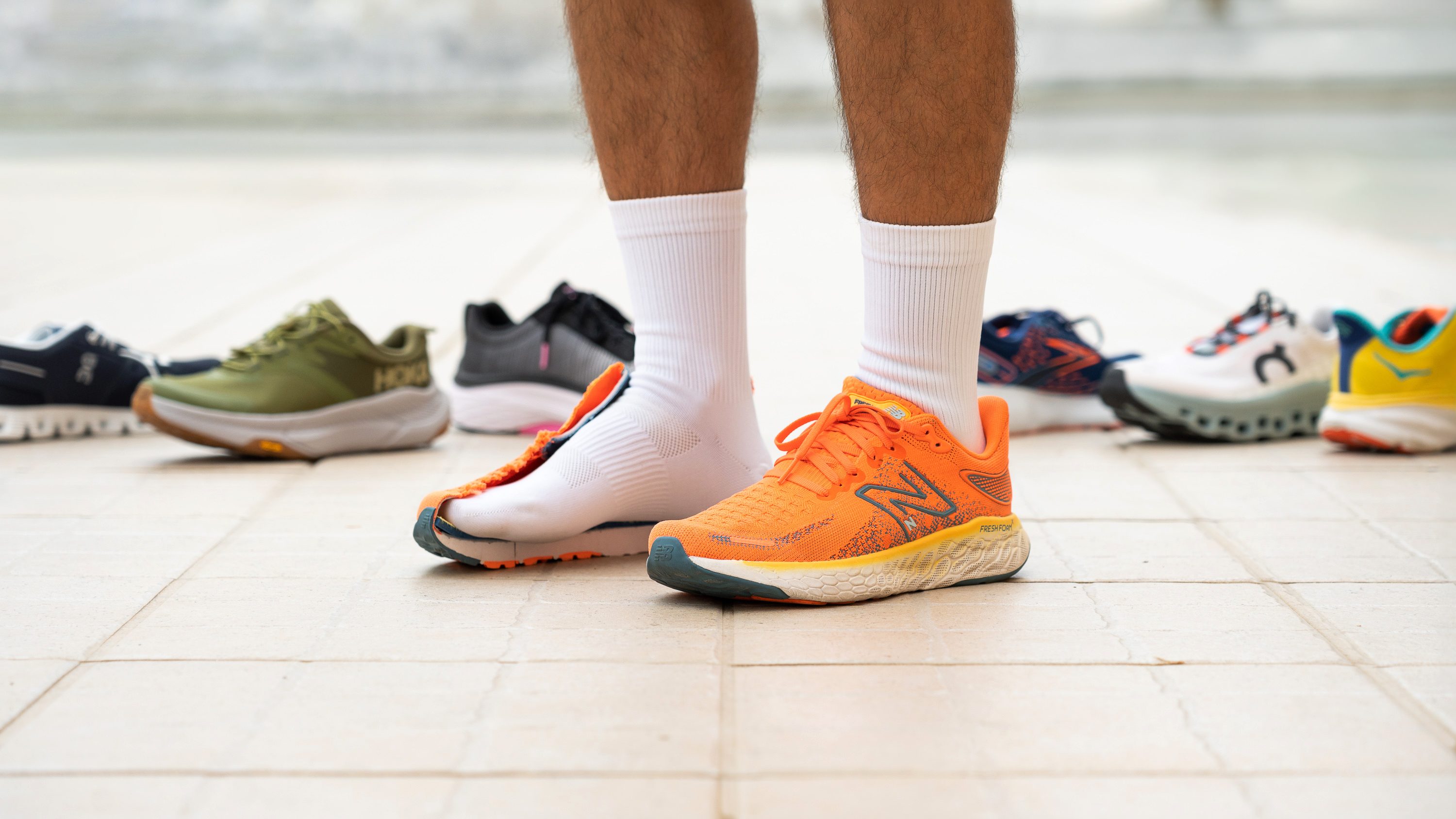
Perhaps the most critical, yet most frequently overlooked, aspect is fit. A perfect-fitting walking shoe accommodates the foot’s dynamic changes. Your feet swell throughout the day and expand under load with each step. Professional fitting advice, consistent across sources from specialty running stores to the American Podiatric Medical Association, mandates trying shoes on in the afternoon or evening. You should have a thumbnail’s width (about 0.5 inches) of space between your longest toe and the end of the shoe. The width must allow your toes to splay freely without lateral compression. A quote from legendary running coach Jeff Galloway encapsulates this: “The money you spend on a good shoe fit is the best investment you can make in your walking or running life.” Don’t be enslaved by your usual size; manufacturer lasts vary significantly. The right fit feels secure at the heel and midfoot, with generous room in the toe box, creating a foundation where the shoe moves with your foot, not against it.
Material Evolution and Sustainability: What’s Under Your Feet?
The technology in footwear is in constant flux. Traditional EVA foam compresses over time, leading to a loss of cushioning often referred to as “dead” shoes. Newer materials like Adidas’s Boost TPU or Nike’s React foam promise greater energy return and longevity. Furthermore, the industry is grappling with sustainability. Brands are increasingly incorporating recycled materials, such as polyester from plastic bottles, into uppers and midsoles. While Wikipedia entries on sustainable fashion detail the environmental challenges of shoe production, consumer demand is driving change. When evaluating a walking shoe, consider its lifecycle. A slightly more expensive shoe made with durable, recycled components may offer better value per mile and a lighter environmental footprint. This shift represents a convergence of performance engineering and ecological responsibility, allowing you to tread lightly on your body and the planet.
Making an Informed Investment: Value Over Price Tag
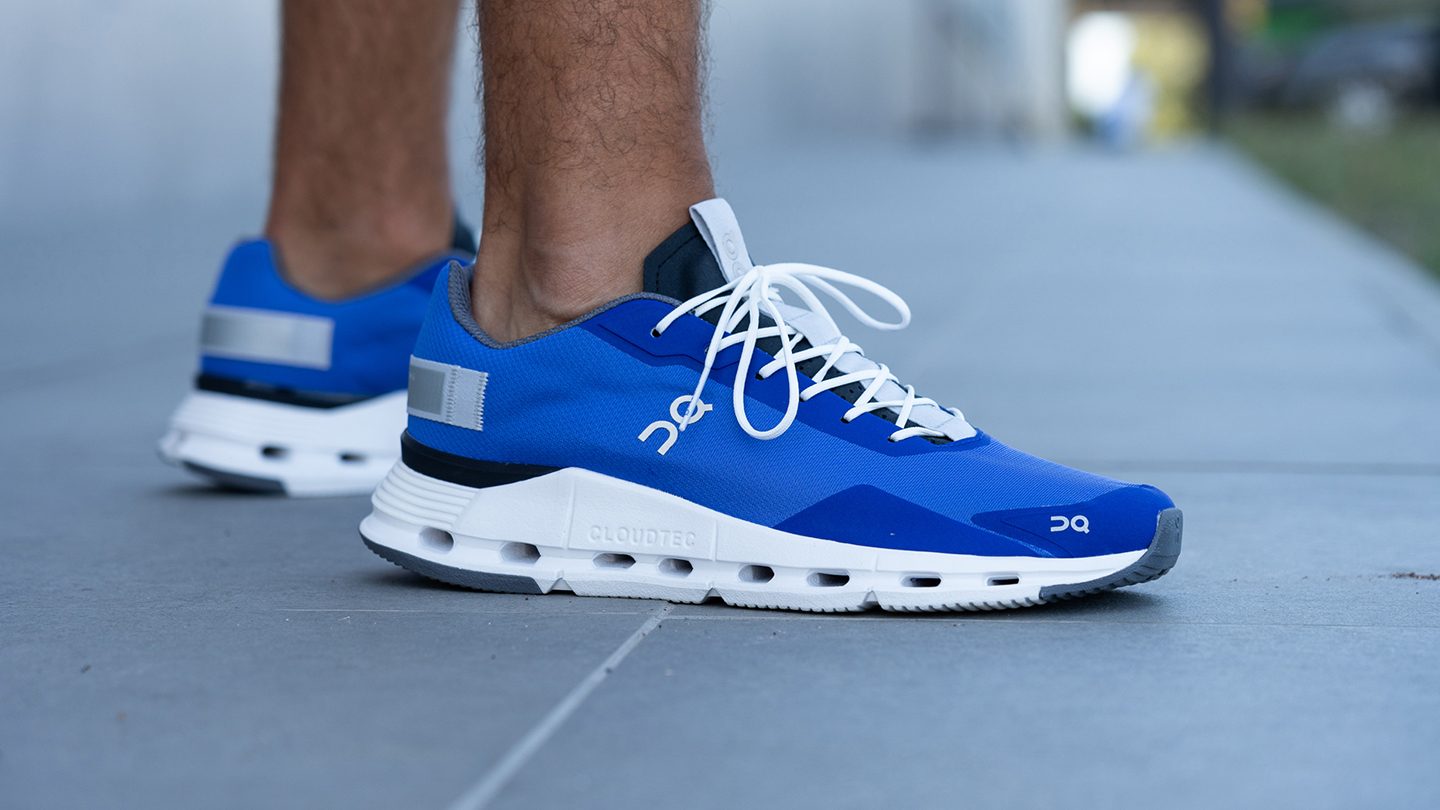
An informed purchase balances upfront cost with total cost of ownership. A cheap shoe may fail structurally or lose its cushioning within a few hundred miles, potentially leading to discomfort or injury. The general consensus among experts, including those cited in “The Wall Street Journal” gear reviews, is that quality walking shoes have a functional lifespan of 300-500 miles. Investing in a well-constructed pair from a reputable brand specializing in biomechanics is an investment in your mobility. To maximize value, consider previous-season models, which often feature the same core technology as the latest releases at a significant discount. Sign up for newsletters from major retailers and price-tracking tools to catch sales. Remember, the goal is to acquire a tool that performs its function flawlessly. The true cost is not the price on the box, but the price per comfortable, supported mile you walk in them.
Your journey begins from the ground up. The quest for the perfect walking shoe is a personal exploration of biomechanics, material science, and honest self-assessment. Arm yourself with this knowledge, prioritize fit above all, and view your shoes as essential equipment rather than disposable apparel. When you find that pair that disappears on your foot—supporting without interfering, cushioning without isolating—you unlock the pure, sustainable joy of movement. That is the ultimate destination.
:max_bytes(150000):strip_icc()/vwt-asics-womens-gel-pulse-16-jinfeng-chen-21-712f0f140e834b84b3a8dcf0bf154771.jpeg)
