

Your Secret to Effortless Style and All-Day Comfort
Forget the notion that comfort and style exist in separate realms. The true secret to navigating modern life with grace and ease lies not in a closet full of specialized items, but in mastering the art of the foundational piece. And at the very foundation of every step you take is your choice of footwear. This isn’t about fleeting trends or painful compromises; it’s about a fundamental shift in perspective where your well-being and your aesthetic sense become aligned. The journey to unlocking this secret begins with a single, pivotal element: the walking shoe. No longer confined to the gym or the hiking trail, the modern walking shoe represents a synthesis of biomechanical engineering and considered design, a tool that empowers you to move through your world—from morning commutes to evening strolls—without a second thought to discomfort.
The Anatomy of Effortless Movement: Beyond the Sole
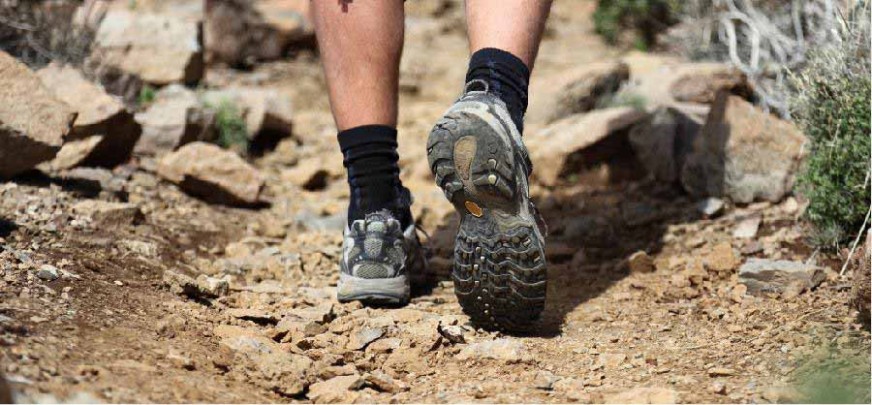
To understand why the right footwear is transformative, we must look at the science of walking. Gait analysis, a field extensively studied by institutions like the Harvard Medical School’s Spaulding National Running Center, reveals that each step involves a complex transfer of force through your feet, ankles, knees, and hips. A shoe that disrupts this kinetic chain can lead to fatigue, pain, and long-term issues. The cornerstone of a great walking shoe is its midsole, typically crafted from advanced materials like EVA (ethylene-vinyl acetate) foam or polyurethane. These compounds are engineered to provide a balance of cushioning and resilience, absorbing impact while returning energy to propel you forward. The rocker sole, a design feature popularized by brands like Hoka One One, facilitates a smooth heel-to-toe transition, reducing the strain on calf muscles and Achilles tendons. Furthermore, the importance of a secure heel counter and a roomy toe box cannot be overstated. As noted by the American Podiatric Medical Association, proper fit and structural support are critical in preventing common ailments such as plantar fasciitis and bunions. Thus, a scientifically-informed walking shoe acts not merely as a covering, but as a dynamic extension of your body’s own mechanics.
Where Form Meets Function: The Aesthetic Evolution
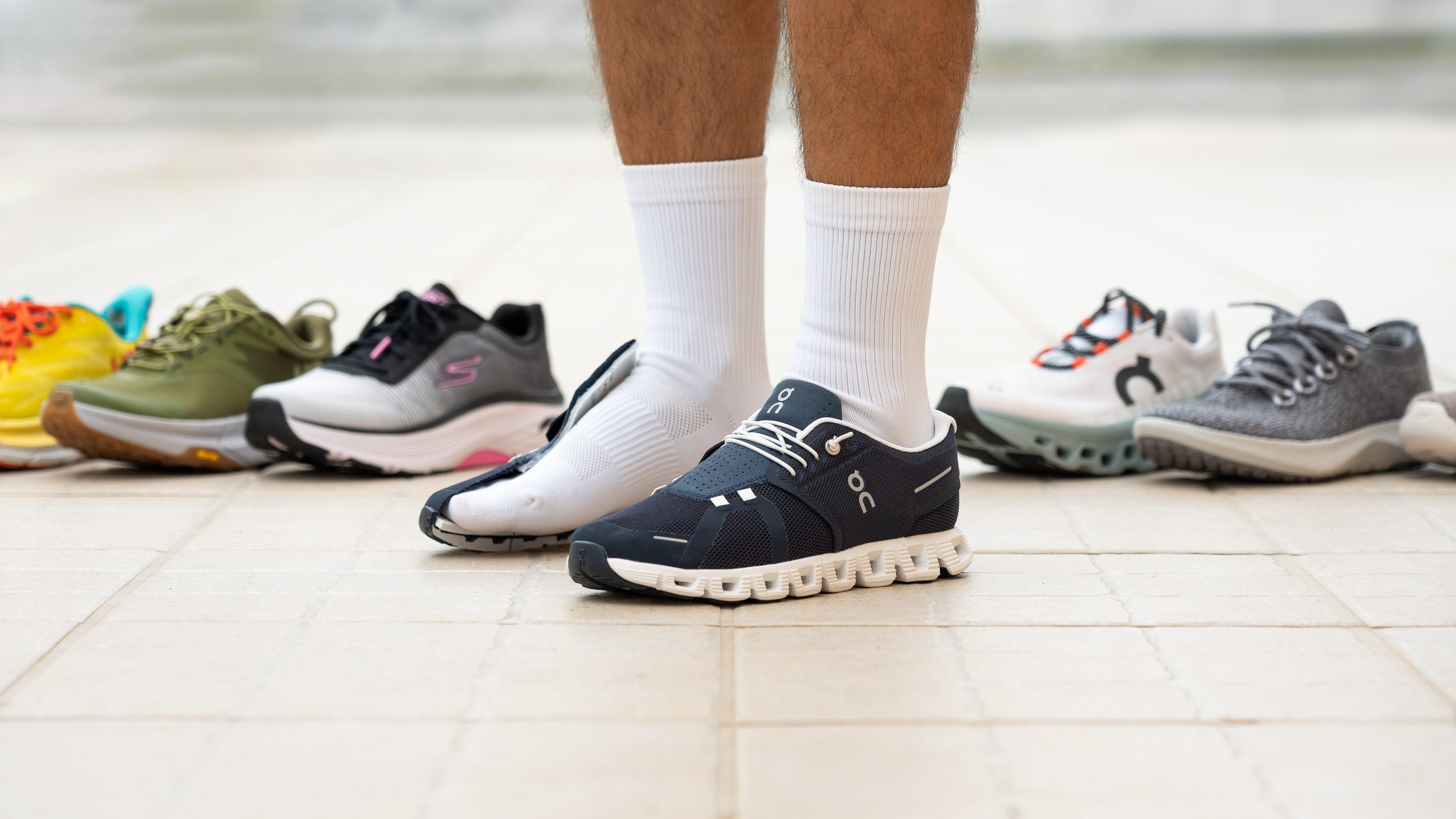
The historical divide between “orthopedic” and “fashionable” shoes has decisively closed. This convergence is a cultural shift documented by trend analysts from Vogue Business to high-street retailers. Designers now collaborate with biomechanists, resulting in footwear that satisfies the eye as much as the arch. Consider the minimalist sneaker trend, which draws inspiration from the barefoot running movement chronicled in Christopher McDougall’s book Born to Run. These shoes offer a sleek, low-profile silhouette while promoting natural foot movement. On the other end of the spectrum, the “ugly shoe” aesthetic—exemplified by chunky soles and bold designs—has been embraced by luxury houses, proving that statement-making looks can be built upon supremely comfortable platforms. The key takeaway is that you no longer need to sacrifice your personal style. The modern market offers a plethora of walking shoe options that seamlessly integrate into a capsule wardrobe, from tailored trousers to casual weekend wear. The right pair becomes a versatile staple, not a situational compromise.
The Psychological Lift of Physical Ease
Comfort has a profound and often underestimated impact on our mental state and productivity. This is more than anecdotal; it’s a principle supported by psychological research. The concept of “cognitive load” theory, explored by educational psychologist John Sweller, suggests that our working memory has limited capacity. When physical discomfort—like pinched toes or an aching arch—constantly demands attention, it drains cognitive resources that could be better spent on creative or professional tasks. In essence, every ounce of energy spent tolerating discomfort is an ounce stolen from your focus and potential. A perfectly comfortable walking shoe eliminates this drain. It creates a state of physical neutrality, freeing your mind. As entrepreneur and author Tim Ferriss often discusses in the context of optimizing performance, removing small, recurring stressors (like uncomfortable shoes) is a high-return life hack. When your feet are at ease, your posture improves, your stride lengthens, and you project an aura of confident composure. The comfort provided by a superior walking shoe is, therefore, an investment in your daily cognitive capital and personal presence.
Curating Your Foundation: A Guide to Informed Selection
Navigating the vast landscape of options requires a strategy grounded in knowledge, not marketing hype. Your first step is understanding your own footprint. The “wet test”—examining the imprint your wet foot leaves on a paper bag—can reveal whether you have a high, neutral, or low arch, guiding you toward the appropriate level of support. Next, consider the primary terrain of your life. Are you mostly on hard, urban surfaces, or do your paths include gravel and grass? The outsole rubber compound and lug pattern vary accordingly. Breathability is another critical factor; materials like engineered mesh prevent moisture buildup, a point emphasized by countless reviews on runner-centric forums and YouTube channels like “Doctors of Running.” Perhaps most importantly, shop for shoes in the afternoon, as feet naturally swell throughout the day. A good rule of thumb is to have a thumbnail’s width of space between your longest toe and the end of the shoe. Remember, the most expensive model is not inherently the best; the best shoe is the one that disappears on your foot, allowing you to forget it’s there while it silently supports every move.
An Investment That Pays Dividends
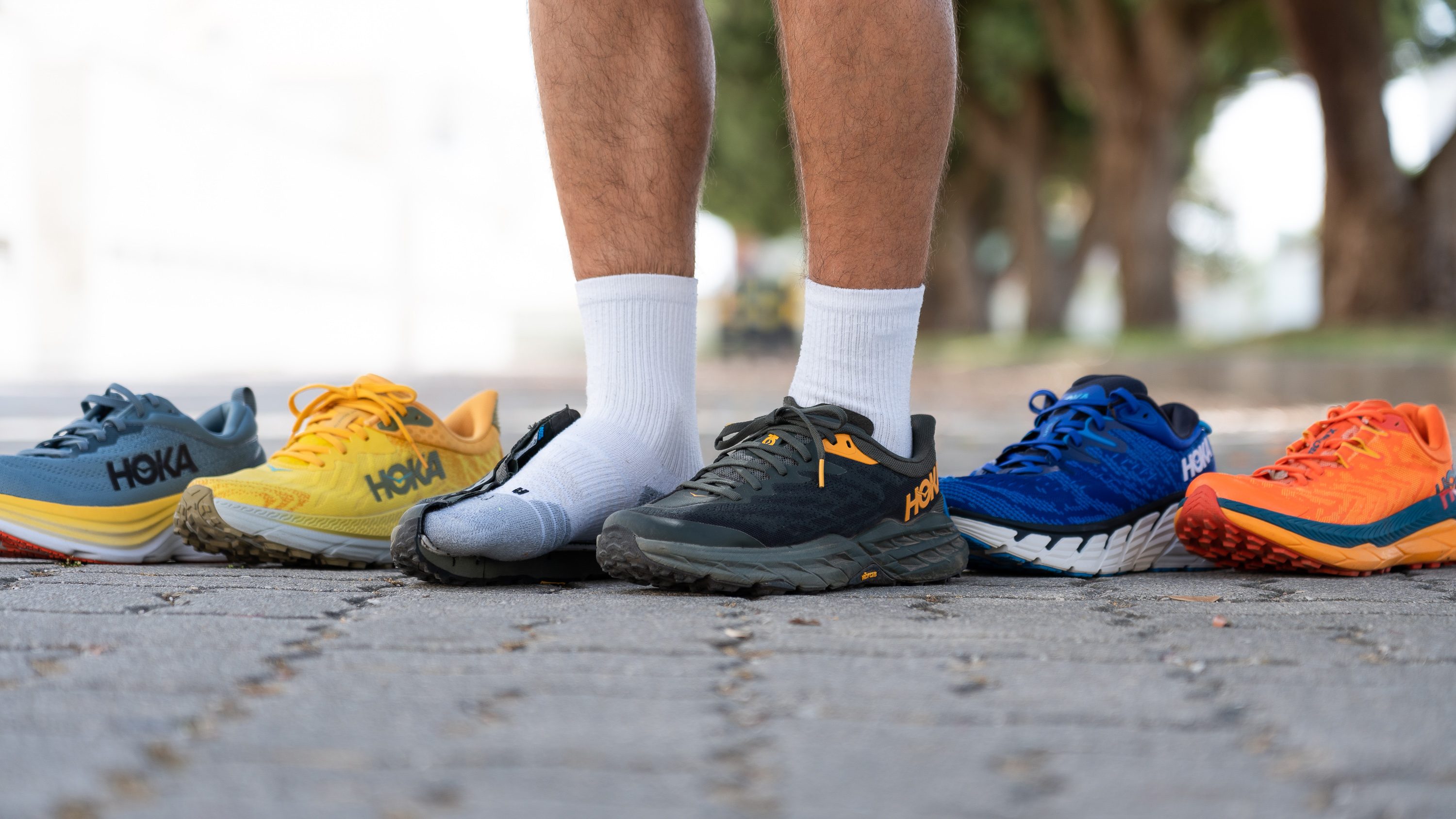
Viewing a premium walking shoe as a mere expense is a short-sighted perspective. Instead, frame it as a strategic investment with tangible returns. The initial cost is offset by the shoe’s durability—high-quality materials and construction techniques mean they withstand miles of wear without breaking down, ultimately providing a lower cost per use than cheaper, disposable alternatives. More significantly, the investment is in your long-term health. The preventative benefits for your joints, back, and posture can save thousands in potential medical costs, physiotherapy, and lost productivity down the line. To make this investment more accessible, savvy shoppers leverage technology. Price-tracking browser extensions, seasonal sales from reputable retailers, and outlet stores for previous models are excellent ways to acquire top-tier footwear without the premium price tag. The goal is to bring professional-grade knowledge and discounted access together, empowering you to make a choice that benefits both your wallet and your well-being for seasons to come.
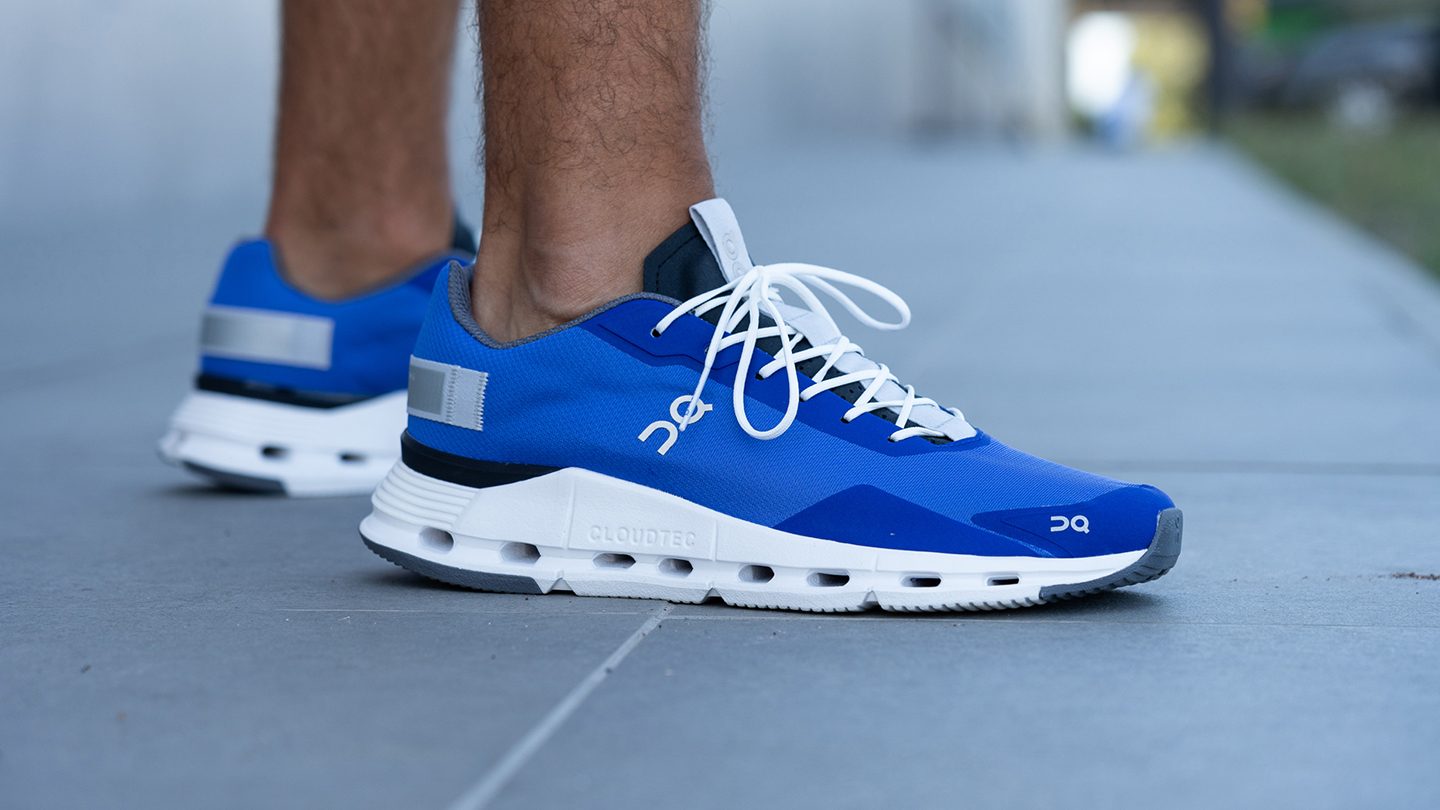
The secret is out, and it is deceptively simple. Effortless style and all-day comfort are not opposing ideals to be balanced, but synergistic goals achieved through intelligent design. By choosing a walking shoe that honors the science of your body and the aesthetics of your life, you unlock a new mode of being. You move through your days with a liberated ease, your mind clear, your body supported, and your style authentically your own. This is the quiet confidence that comes from a perfect foundation—one step at a time.
