

The Ultimate Guide to Tennis Shoes for Walking
When we think of athletic footwear, specialization often comes to mind: running shoes for running, basketball shoes for basketball, and cleats for field sports. Yet, a fascinating and practical crossover exists in the realm of tennis shoes for walking. This guide isn’t about convincing you to wear just any shoe; it’s an exploration into why a well-chosen tennis shoe can be a superior, scientifically-backed option for dedicated walkers. We’ll move beyond marketing buzzwords and delve into biomechanics, material science, and design philosophy, arming you with the knowledge to make an informed choice that benefits your body and your wallet.
The Unseen Engineering: Why Tennis Shoes and Walking Are a Natural Fit
At first glance, the connection might seem tenuous. However, the biomechanical demands of tennis share surprising common ground with those of brisk, health-focused walking. Tennis is a multi-directional sport characterized by lateral cuts, quick stops, and forward bursts. This requires a shoe engineered for stability—to prevent the foot from rolling inward (overpronation) or outward (supination) during aggressive side-to-side movements. A study from the University of Calgary’s Human Performance Laboratory emphasizes the critical role of medial (arch-side) support in preventing injury during dynamic activities. For walkers, especially those who traverse urban environments with curbs, uneven sidewalks, or mild trails, this inherent lateral stability is a significant asset. It provides a secure platform that standard running shoes, optimized primarily for straight-line motion, often lack. Furthermore, the outsole of a tennis shoe is designed for traction on court surfaces like clay or hardcourt, translating to excellent grip on asphalt, concrete, and other common walking terrains. The cushioning, while often firmer than in maximalist running shoes, is strategically placed to absorb impact from the heel strike and provide responsiveness for push-off, mirroring the gait cycle of a purposeful walk. Therefore, selecting a pair of tennis shoes for walking is not a compromise; it can be a strategic decision to harness sport-specific engineering for everyday ambulatory resilience.

Decoding the Anatomy: Key Features to Prioritize
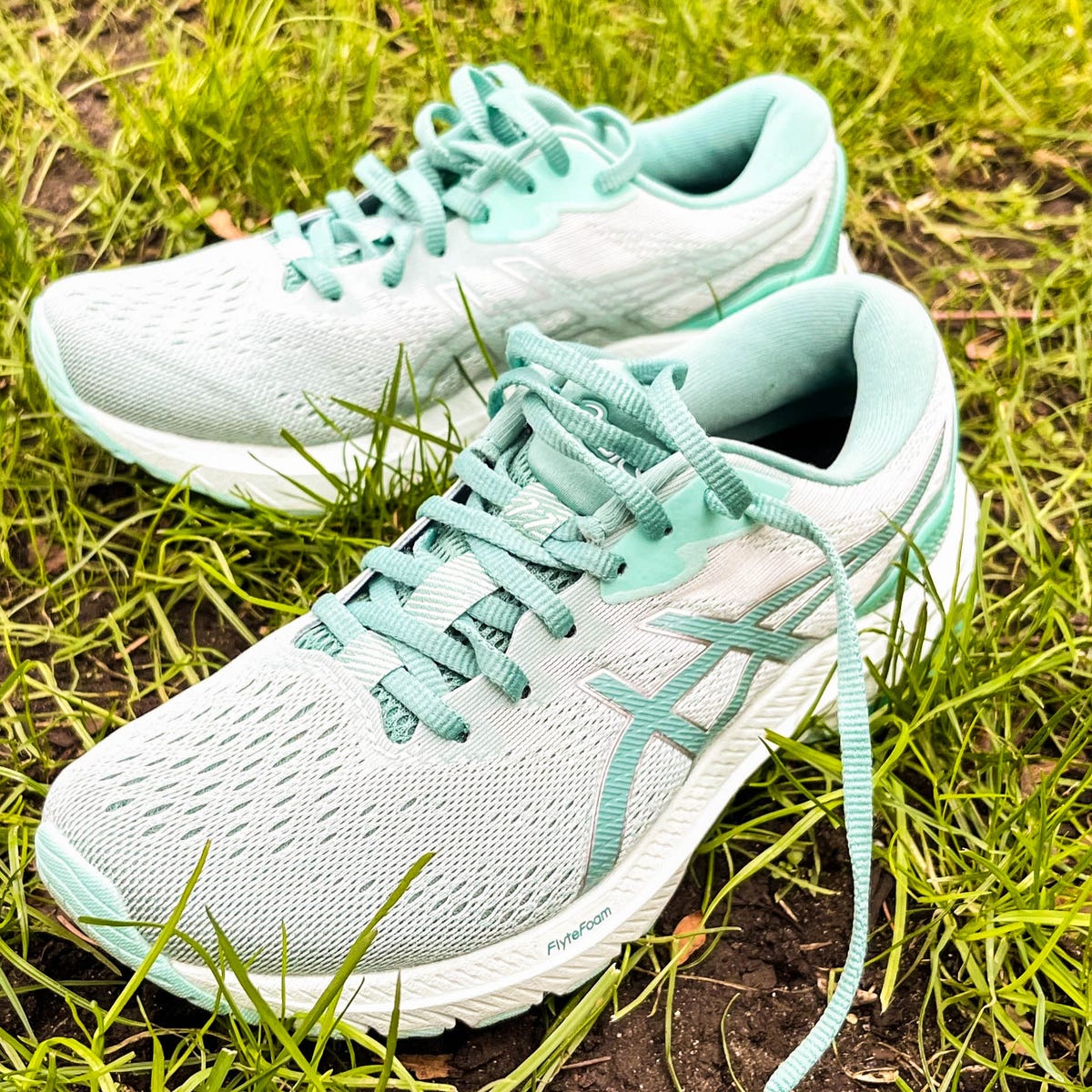
Not all tennis shoes are created equal for walking purposes. To navigate the market, you must become fluent in the language of their construction. Let’s break down the non-negotiable features. First, the upper: Look for durable, breathable materials like reinforced mesh or synthetic leather. Tennis shoes often feature toe guards—a rubber or hardened material overlay on the toe box—which is a boon for walkers as it protects against scuffing and extends the shoe’s life. Second, the midsole: This is the heart of cushioning and support. Technologies like Adidas’ Boost, Nike’s React, or ASICS’ GEL are not mere marketing; they are polymer-based systems designed to return energy and attenuate shock. As noted in material science reviews, these compounds undergo rigorous compression testing to ensure they retain their properties over miles. For walking, you want a midsole that offers a balance of softness for comfort and firmness for stability and propulsion efficiency. Third, the outsole: A modified herringbone or multi-directional tread pattern is ideal. It offers omnidirectional grip without feeling “sticky” on pavement. The rubber compound should be durable; many manufacturers use a harder rubber at the heel (for drag resistance) and a softer, more grippy rubber at the forefoot. Finally, the heel counter: This is the rigid cup that cradles your heel. A firm, well-padded heel counter is paramount. It locks the heel in place, preventing slippage that can lead to blisters and ensuring that the foot’s movement is controlled from the rearfoot forward—a principle underscored by podiatrists in gait analysis literature. When these elements coalesce in a single design, you have a formidable candidate for your walking regimen.
Dispelling Myths: The Cushioning and Weight Debate
A common misconception is that the best walking shoe must be the most heavily cushioned or the lightest possible. This is an oversimplification that can lead to poor choices. Let’s address cushioning first. While ample cushioning absorbs impact, excessive softness can destabilize the foot, causing the small muscles to work overtime to maintain balance—a phenomenon often discussed in biomechanics forums on platforms like Quora and Reddit’s r/running. The firmer, responsive cushioning found in many performance tennis shoes for walking provides a stable base that promotes a more natural foot strike and efficient energy transfer. As for weight, the obsession with ultra-light shoes is more relevant to competitive running, where saving ounces directly impacts race times. For walking, a slightly heavier shoe (often a byproduct of durable materials and robust support features) can be beneficial. It provides a grounded, stable feel and typically indicates higher-quality construction that will withstand daily wear. Renowned coach and author Jack Daniels, in his seminal work “Daniels’ Running Formula,” even notes that a moderate weight shoe can encourage better running form by preventing overstriding—a principle that applies equally to power walking. The goal is not the absolute minimum weight, but the optimal balance of support, durability, and comfort over hundreds of miles.
A Curated Selection: Models That Bridge the Gap
Armed with this technical knowledge, you can now evaluate specific models. It’s important to remember that foot shape and gait are personal. However, several tennis shoes have consistently garnered praise for their walking-friendly attributes. The ASICS GEL-Resolution series, for instance, is renowned for its exceptional stability and durable outsole, making it a tank-like option for high-mileage walkers. The Nike Court Air Zoom Vapor Cage incorporates responsive Zoom Air units in the forefoot, offering a springy feel that can make long walks feel less taxing. For those seeking maximum comfort, the New Balance Fresh Foam Lav incorporates that brand’s plush Fresh Foam midsole into a tennis-ready silhouette, creating a uniquely soft yet supportive experience. On the value front, brands like K-Swiss and Prince often offer models with similar performance features at a more accessible price point, especially during seasonal sales or on outlet websites. The key is to identify the feature you prioritize most—be it arch support, cushioning type, or toe box width—and seek out the tennis model that excels in that area. This targeted approach is far more effective than randomly selecting a shoe labeled “walking” on the box.
The Investment Perspective: Cost Per Mile Over Time
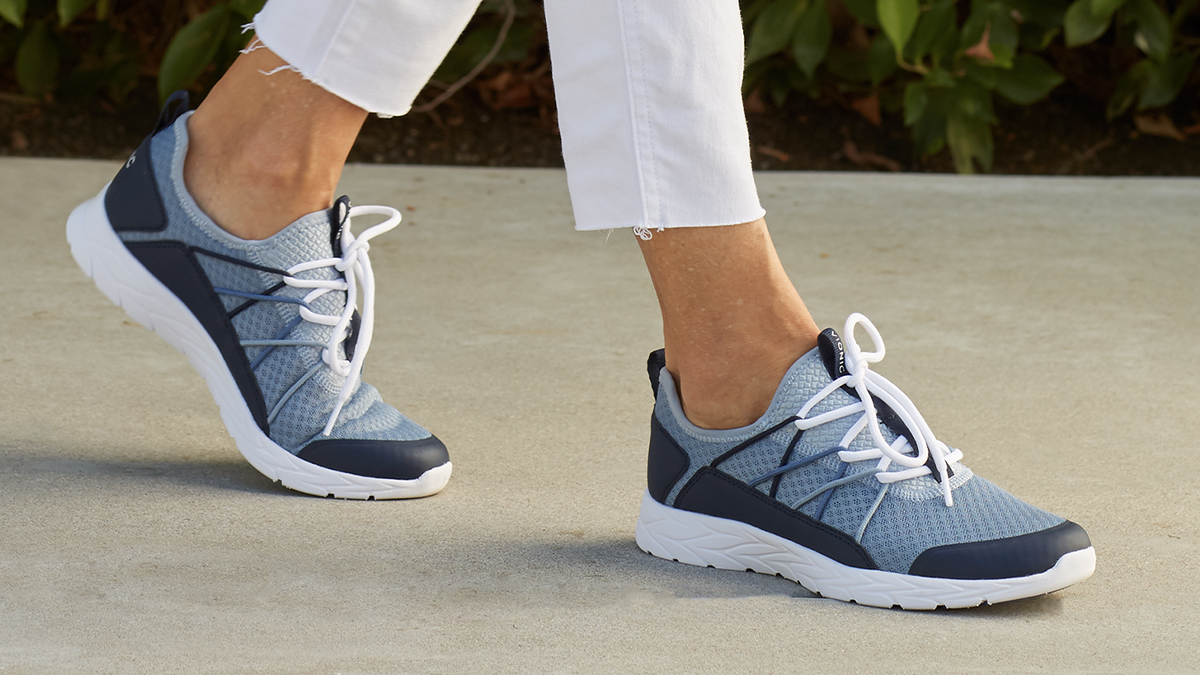
Let’s talk frankly about price. A premium pair of tennis shoes might carry a retail price of $120 to $160. This can cause sticker shock compared to some budget walking shoes. However, this is where the perspective of tennis shoes for walking as a technical investment comes into play. The materials used—high-grade rubber, advanced foam compounds, durable synthetics—are designed to withstand the abrasive forces of a tennis court. On pavement, this often translates to a longer functional lifespan. Where a standard EVA foam midsole in a cheap shoe might compress and lose its cushioning after 200 miles, the proprietary foam in a performance tennis shoe may retain its properties for 400-500 miles. Furthermore, the reinforced uppers resist tearing and the outsoles show slower wear. When you calculate the cost per mile, the initially expensive shoe frequently becomes the more economical choice. To make this investment accessible, be strategic: shop end-of-season sales, check certified resellers on Amazon, subscribe to brand newsletters for flash discounts, or consider previous-year models, which often see significant price reductions while offering 95% of the performance of the latest version. This approach brings professional-grade footwear within reach.
A Word from the Experts: Voices of Authority
This viewpoint is not formulated in a vacuum. It echoes the sentiments of professionals who analyze movement for a living. Dr. Emily Splichal, a podiatrist and human movement specialist, often discusses the importance of “footwear that matches the plane of motion” in her online lectures. She argues that shoes designed for multi-planar movement inherently offer more proprioceptive feedback and stability for daily tasks than those designed for a single plane. Similarly, in a widely-cited interview for Runner’s World, biomechanist Benno Nigg of the University of Calgary stated, “The ideal shoe is the one that interferes the least with the natural movement of the foot while providing necessary protection.” A well-designed tennis shoe, with its focus on natural foot motion during complex movements, aligns closely with this philosophy. Even outside strict academia, celebrated fitness influencer and physical therapist Dr. Kelly Starrett has been known to recommend court shoes for general training due to their stable base and connection to the ground. These expert opinions reinforce the idea that function should trump category labels.
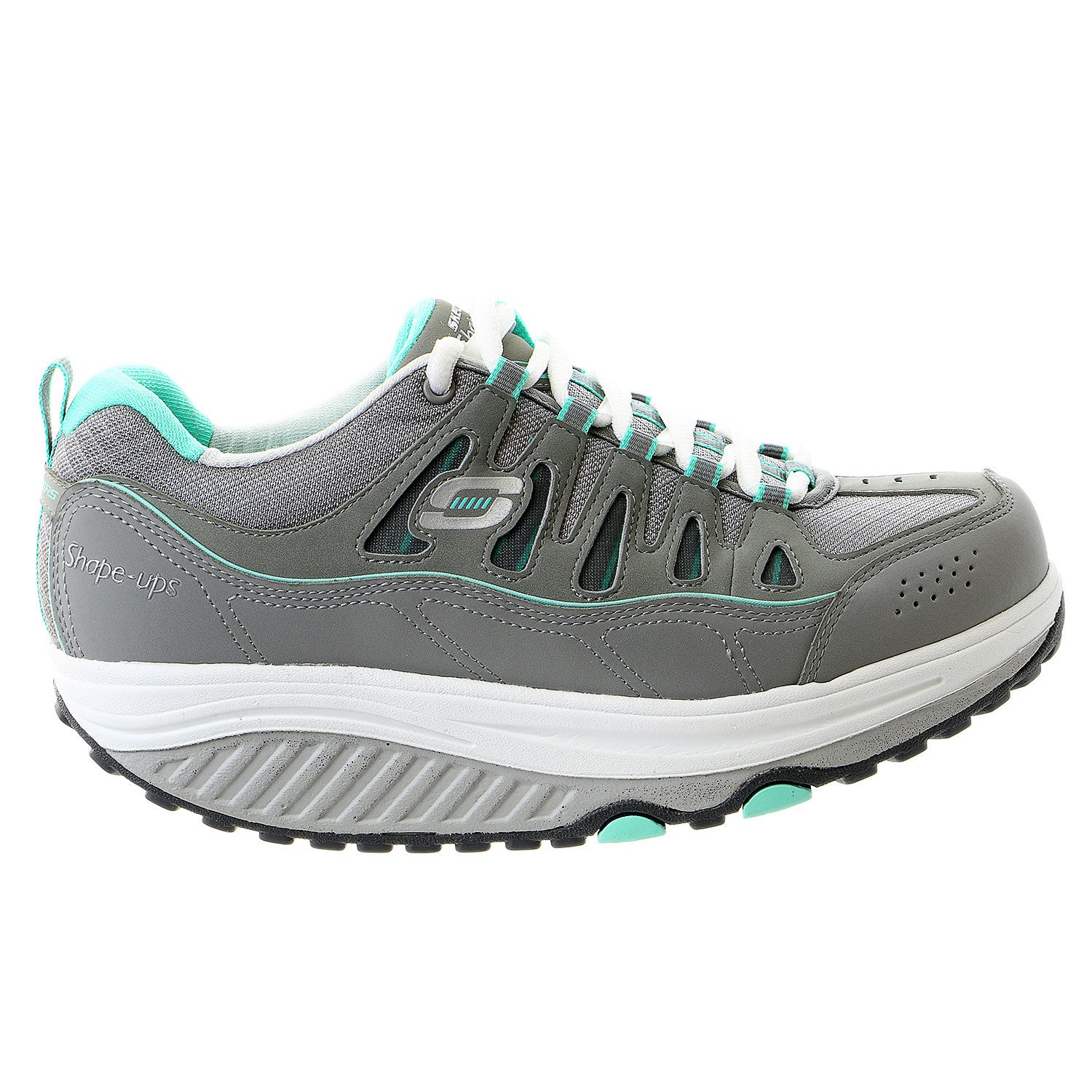
The journey to finding the perfect walking companion ends not with a search for a label, but with an understanding of engineering. Tennis shoes for walking represent a convergence of stability technology, durable construction, and biomechanical insight. They offer a robust, secure, and long-lasting platform for those who view walking not just as a leisurely stroll, but as a foundational pillar of their fitness and well-being. By prioritizing objective design features over subjective marketing, and by viewing cost through the lens of longevity and performance, you empower yourself to step forward with confidence, mile after reliable mile.
