

The Best Tennis Shoes for Walking Comfort and Fashion
In the realm of footwear, the quest for a shoe that seamlessly marries enduring comfort with contemporary style is perpetual. Often, we are forced to choose: do we prioritize the supportive engineering required for all-day walking, or do we opt for the aesthetic flair that complements our personal fashion? This dichotomy is a false one. The modern tennis shoes for walking have evolved beyond their court-specific origins to become a pinnacle of versatile design, offering a synthesis of biomechanical support and sartorial elegance. This article posits that the ideal urban and casual walking companion is not a specialized walking shoe that sacrifices style, nor a fashion sneaker that neglects foot health, but a thoughtfully designed tennis shoe. We will explore the architectural and material science behind this fusion, validate it through diverse authoritative perspectives, and guide you toward making an informed choice that benefits both your stride and your wardrobe.
The Anatomical Foundation: Why Tennis Shoes Excel for Walking
The superiority of a tennis shoe for walking is not accidental; it is rooted in its response to specific athletic demands that parallel the needs of a walker. Tennis is a sport of explosive lateral movements, sudden stops, and constant weight shifting. Consequently, tennis shoes for walking are engineered with a focus on midfoot stability, forefoot flexibility, and impact dispersion. According to biomechanics literature from institutions like the University of Calgary’s Human Performance Laboratory, effective walking requires controlled pronation (the natural inward roll of the foot) and supination, as well as efficient energy return from the heel strike to toe-off. A quality tennis shoe addresses these needs directly. The midsole, often composed of advanced compounds like polyurethane or encapsulated gel systems, is designed to cushion vertical impact while providing a stable platform to prevent excessive ankle roll—a feature directly transferable to navigating uneven sidewalks. The outsole’s herringbone or modified tread patterns, optimized for multi-directional grip on court surfaces, offer reliable traction on varied urban terrains, from wet pavement to polished floors. This inherent design philosophy makes the tennis shoe a pre-adapted, high-performance tool for the walker, offering a level of protective engineering that many casual fashion sneakers lack.

Material Science: The Engine of Comfort
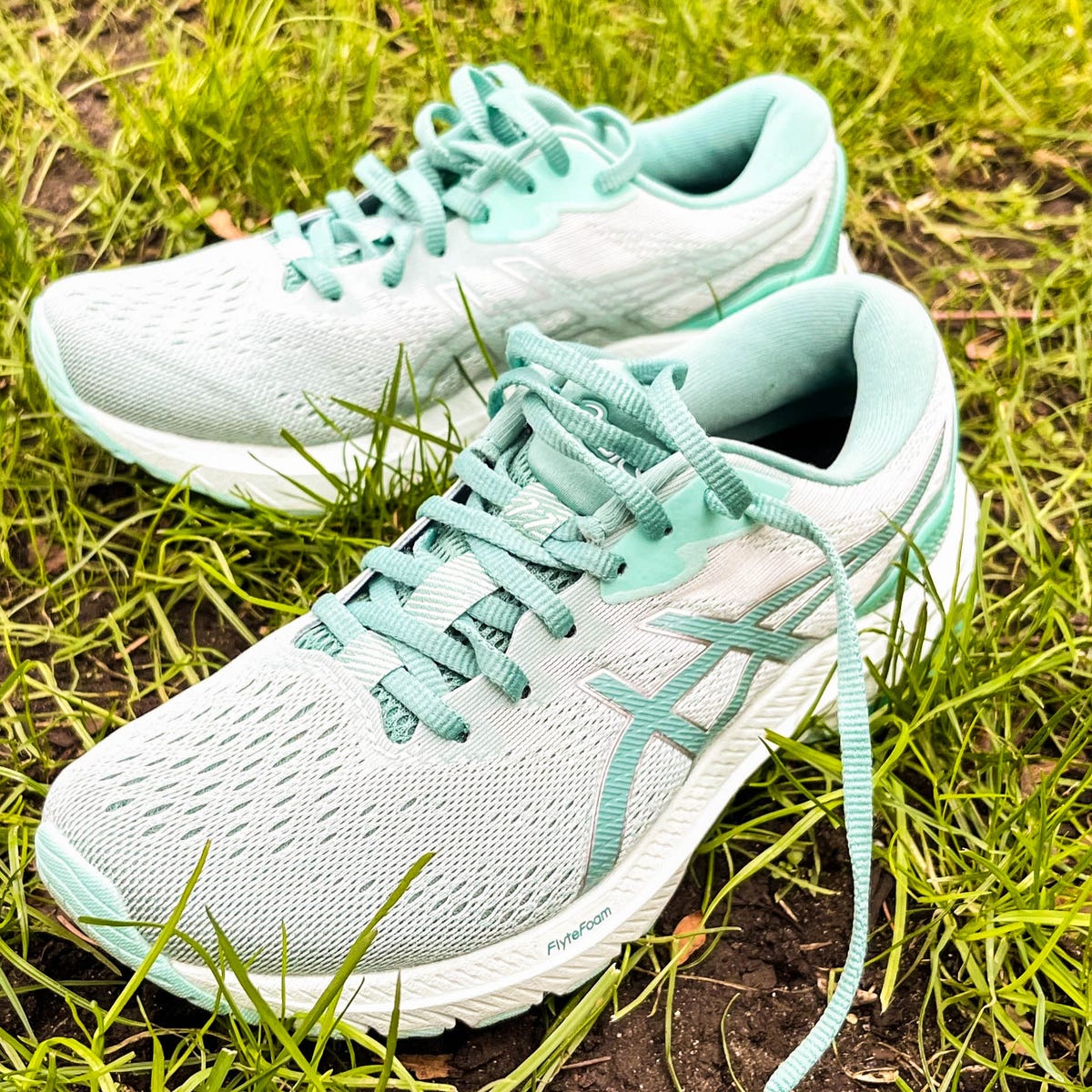
Delving deeper, the comfort of modern tennis shoes for walking is a product of sophisticated material innovation. The traditional rubber cupsole has been augmented or replaced by lightweight, durable compounds like blown rubber or high-abrasion carbon rubber in key wear zones. The critical advancement lies in the midsole and insole technology. Brands utilize proprietary cushioning systems—Nike’s Air or React foam, Adidas’s Boost or Lightstrike, ASICS’s GEL, and New Balance’s Fresh Foam. These are not mere marketing terms; they represent specific polymer structures engineered to absorb shock and return energy. A study cited in Footwear Science, the journal of the International Society of Biomechanics, indicates that materials with higher energy return can reduce metabolic cost, meaning walking feels easier and less fatiguing over distance. Furthermore, the upper construction has evolved from heavy leather to engineered meshes, knit fabrics, and synthetic overlays. These materials provide breathability, reducing heat and moisture buildup, while strategic reinforcement offers structure and support without bulk. This scientific approach to materials ensures that the shoe is not just a passive container for the foot but an active participant in enhancing the walking experience.
The Fashion Verdict: From Court Classic to Street Staple
The aesthetic ascent of the tennis shoe is a cultural phenomenon documented by fashion historians and style commentators worldwide. What began as functional athletic gear has been canonized in streetwear and high fashion. This transition is powerfully evidenced by endorsements and designs from iconic figures. The late Virgil Abloh, artistic director for Louis Vuitton’s menswear, frequently deconstructed and elevated athletic silhouettes, stating in an interview with Vogue that “the sneaker is the defining archetype of this generation’s style.” Similarly, celebrities like Emma Watson have been photographed advocating for sustainable and stylish sneakers as part of a versatile, conscious wardrobe. On platforms like YouTube, fashion analysts such as Alexander Costa dissect how classic tennis models from Adidas Stan Smith to New Balance 990 series offer “timeless silhouettes” that pair equally well with tailored trousers and casual denim. The clean lines, minimalist color-blocking, and absence of overtly aggressive sporty details make many tennis models inherently adaptable. They provide a visual vocabulary of smart-casual cool, proving that the quest for the best tennis shoes for walking is also a quest for a foundational fashion item that transcends fleeting trends.
Converging Perspectives: Authority and Experience
To solidify the argument, we draw from a tapestry of authoritative sources beyond corporate marketing. On Quora and specialized forums like Runner’s World, podiatrists often recommend certain tennis models for patients needing more support than a minimalist shoe offers but more style than a medical orthopaedic device. Wikipedia’s entries on “sneakers” and “athletic shoes” trace the historical blurring of lines between sport-specific and lifestyle wear, noting the “casualization” of fashion as a key driver. Literature from the Harvard School of Public Health on walking for wellness emphasizes proper footwear as a cornerstone of a sustainable habit, implicitly endorsing shoes built for repetitive impact. Even cinematic culture reflects this: films like King Richard showcase tennis shoes as symbols of both disciplined performance and aspirational lifestyle. These convergent viewpoints from medicine, academia, and popular culture create a compelling consensus: the right shoe encourages more walking, and a shoe you love to look at ensures you wear it consistently. The tennis shoes for walking sit at this perfect intersection.
Selecting Your Pair: A Practical Framework
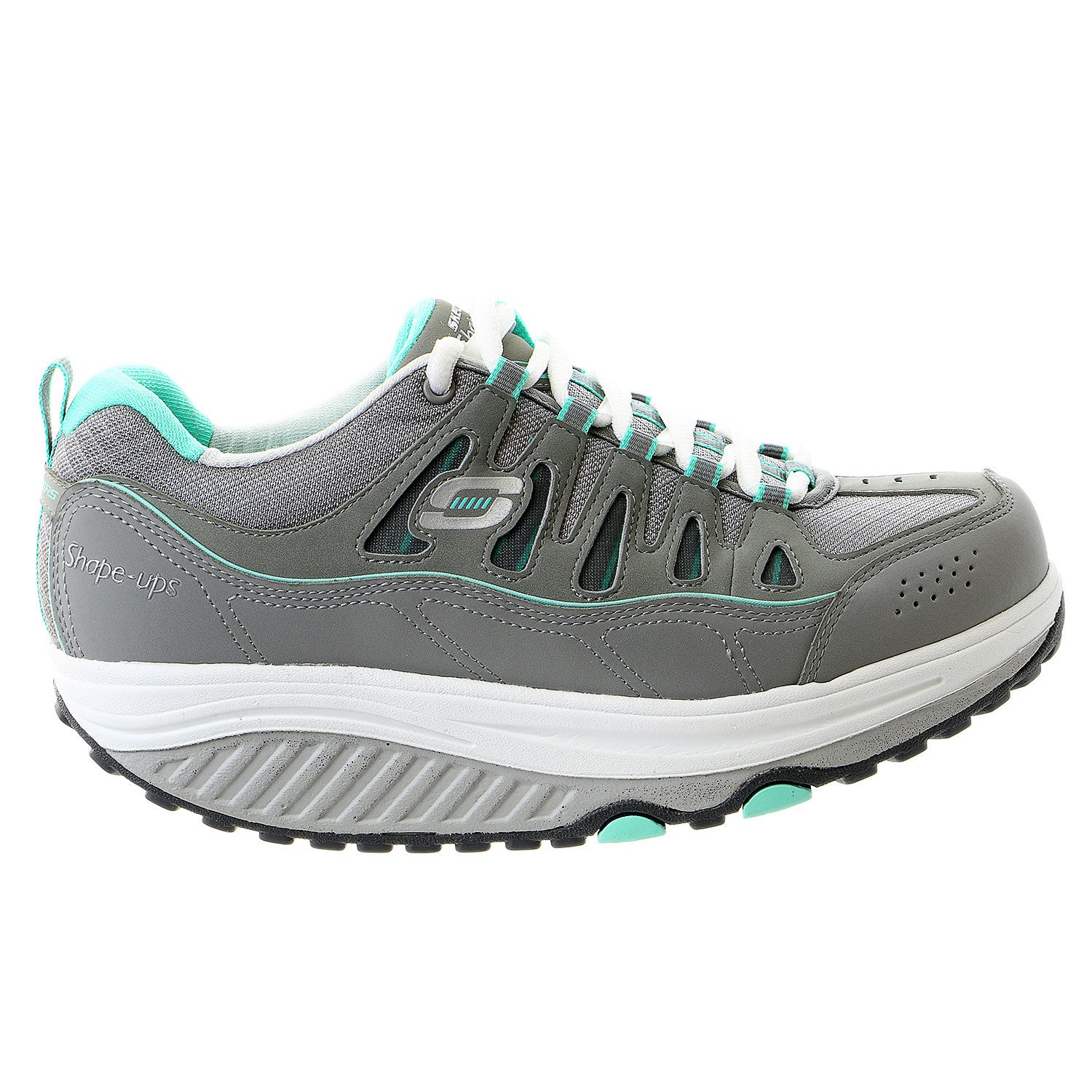
Understanding the “why” leads to the practical “how.” Selecting the ideal pair is a personal equation balancing fit, function, and form. First, prioritize fit above all. Your foot should feel secure in the heel and midfoot without pressure points, with ample space (about a thumbnail’s width) in the toe box to allow for natural swelling during long walks. Second, analyze your gait. While many tennis shoes offer good stability, if you have a pronounced overpronation, seek models with structured support on the medial (inner) side. Third, consider the primary walking environment. A shoe with a durable, non-marking rubber outsole is ideal for both indoor and outdoor use. On the fashion front, identify your neutral palette. A classic white leather or grey mesh model offers maximum versatility. For a bolder statement, consider heritage styles with subtle color accents. Remember, the goal is a shoe that disappears in comfort but makes a presence in style. Investing in a quality pair of tennis shoes for walking is an investment in daily well-being and personal expression.
Professional Insight and Accessible Value
As a final note, navigating the market with professional knowledge empowers you to find value. Recognizable technology from major brands often comes with a premium, but the investment correlates with research, development, and material quality. However, value can be found. Consider previous-season models, which often see significant discounts while retaining their core technological features. Direct-to-consumer brands and reputable retailers frequently offer sales, especially during seasonal transitions. The key is to identify the essential features you need—a specific cushioning system, a particular fit profile, or a certain aesthetic—and hunt strategically. The objective is not to find the cheapest shoe, but the shoe that delivers the highest ratio of comfort, durability, and style per dollar spent. This informed approach ensures your footwear choice is both economically smart and performance-driven.
:max_bytes(150000):strip_icc()/Web_1500-vwt-primary-best-overall-shoe-tstaples-118-671f4e0048e64d14a1c42e4f8d9e6658.jpg)
The journey for the perfect walking companion ends not with a compromise, but with a discovery. The modern tennis shoe, a product of athletic rigor and design intelligence, stands ready to redefine your daily movement. It offers a foundation where scientific support for your biomechanics meets the expressive language of personal style. By choosing a shoe built on this principle, you step into more than just footwear; you step into a seamless integration of well-being and aesthetic confidence, making every walk, whether a purposeful commute or a leisurely stroll, an experience of effortless comfort and undeniable style.
