

The Walking Shoe: Your Secret to Effortless Style and All-Day Comfort
Imagine a day where your feet don’t ache, your posture feels aligned, and your outfit looks impeccably put-together from morning until night. This isn’t a fantasy; it’s the reality offered by the right pair of walking shoes. For too long, we’ve accepted a false dichotomy: style versus comfort. We’ve endured blisters for the sake of fashion or sacrificed our aesthetic for orthopedic clunkiness. But what if the key to unlocking both lies in a single, often overlooked category? The modern walking shoe represents a convergence of biomechanical engineering, material science, and design philosophy, creating a product that doesn’t just serve your feet but elevates your entire daily experience. This article delves into why this specific type of footwear is not merely a purchase but an investment in your well-being and personal presentation, backed by objective evidence and expert insights.
The Anatomy of All-Day Comfort: More Than Just Cushioning
To understand the magic of a dedicated walking shoe, we must first dissect the science of walking itself. Human gait is a complex series of movements involving heel strike, midfoot roll, and toe-off. According to biomechanics literature from institutions like the University of Calgary’s Human Performance Lab, improper footwear can disrupt this natural cycle, leading to chain reactions of discomfort in the feet, knees, hips, and even the lower back. A true walking shoe is engineered to support this specific motion. Key features include a beveled or rounded heel to promote a smooth heel-to-toe transition, strategic flex grooves that allow the forefoot to bend naturally, and a level of medial support that prevents overpronation without being overly restrictive. The cushioning system is not just about softness; it’s about responsive energy return. As Dr. Casey Kerrigan, a former Harvard Medical School professor and founder of a biomechanics-focused footwear company, stated in an interview, “The goal is to design shoes that work with the body’s natural mechanics, not against them. It’s about reducing the jarring forces that travel up your skeleton with every step.” This scientific approach transforms walking from a potentially stressful activity into a fluid, effortless motion, laying the foundation for genuine, all-day comfort that cheap imitations cannot replicate.
Where Engineering Meets Aesthetics: The Rise of Technical Style
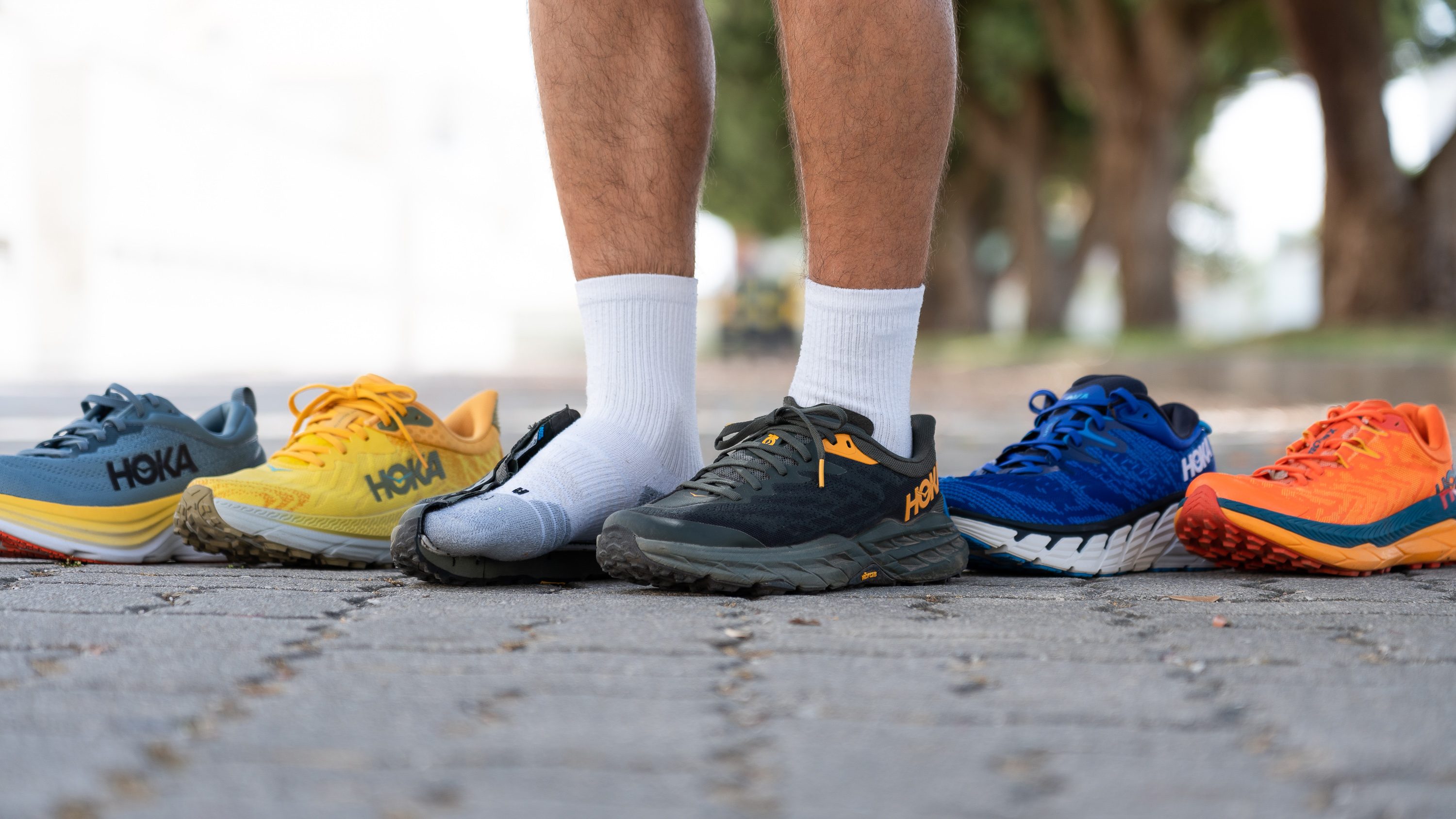
The historical complaint that comfortable shoes are unattractive has been decisively overturned by contemporary design. The aesthetic of the modern walking shoe draws inspiration from both athletic performance and minimalist fashion. Brands have learned to integrate technical elements—like breathable mesh uppers, molded heel counters, and distinctive midsole geometries—into visually cohesive and often sleek designs. This “technical style” has been embraced by fashion platforms from GQ to Vogue, which regularly feature sneakers and walking shoes from brands like Hoka, On Running, and Salomon as central pieces in street-style looks. The popularity is not unfounded; it responds to a cultural shift towards versatility and practicality without sacrificing self-expression. As designer and style commentator Tim Gunn once noted, “Fashion is about proportion and silhouette. A well-designed shoe, regardless of its category, contributes to a harmonious silhouette.” The chunky sole trend, pioneered by walking and running brands, is a prime example of a functional element (providing stability and cushioning) becoming a dominant fashion statement. Therefore, the right walking shoe acts as a style anchor, offering a modern, informed look that communicates an awareness of both trends and personal well-being.
Decoding the Keywords: Pronation, Midsole, and Gait Cycle
When evaluating walking shoes, you’ll encounter specialized terminology. Understanding these terms objectively empowers you to make an informed choice. Pronation is the natural inward roll of the foot after heel strike. According to content from the American Podiatric Medical Association, while some pronation is normal, excessive pronation (overpronation) can lead to instability. Shoes may offer “motion control” or “stability” features to mitigate this. The midsole is the layer between the outsole and the upper, typically made from EVA (ethylene-vinyl acetate) foam, polyurethane, or proprietary compounds like Adidas’s Boost or Nike’s React. Its primary functions are cushioning, shock absorption, and determining the shoe’s overall stability and ride. The gait cycle is the complete sequence of events from when one foot touches the ground to when it touches the ground again. It includes the stance phase (foot on ground) and swing phase (foot in the air). A well-designed walking shoe supports all sub-phases of the stance phase. These aren’t marketing fluff; they are biomechanical concepts with direct implications for your comfort and joint health.
The Long-Term Investment: Health, Durability, and Cost-Per-Wear
Viewing a quality walking shoe as a mere accessory is a significant oversight. It is, in fact, a critical piece of preventative health equipment. The cumulative impact of walking in unsupportive shoes can contribute to a host of issues, from plantar fasciitis and shin splints to accelerated joint wear. Investing in proper footwear is a proactive measure to protect your body’s foundation. Furthermore, the construction quality of a true performance walking shoe far exceeds that of fast-fashion alternatives. Durable rubber outsoles, reinforced stitching, and high-resilience midsole materials ensure the shoe maintains its structural integrity and cushioning properties over hundreds of miles. The common recommendation, cited by sources like Verywell Fit, is to replace walking shoes every 300-500 miles. A cheap pair may degrade in half that distance, meaning you’ll buy two or three pairs in the time one quality pair lasts. When you calculate the cost-per-wear, the premium initial investment quickly justifies itself. You are paying for advanced technology, superior materials, and ultimately, the preservation of your physical capital—your body.
:max_bytes(150000):strip_icc()/when-should-i-replace-my-walking-shoes-3436325-0801-7a1840d83573471092e0380f9e230ecc.jpg)
A Curated Selection: Bringing Professional Knowledge to Your Decision
With countless options, choosing can be daunting. Here is where professional curation adds immense value. For the urban commuter who values sleek design, a shoe like the Allbirds Tree Runner or the Cole Haan GrandPrø offers cloud-like comfort with a polished, minimalist aesthetic. For those with a need for maximum cushioning and stability, perhaps due to long hours on hard floors, the Hoka One One Bondi or the Brooks Ghost series are industry benchmarks, frequently highlighted in podiatrist recommendations. For the individual seeking a perfect blend of trail-ready durability and city-smart style, the Salomon XT-6 or the On Cloudventure provides unparalleled versatility. The key is to match the shoe’s technical specifications—its arch support, cushioning level, and intended use—with your personal biomechanics and lifestyle. This tailored approach, moving beyond one-size-fits-all thinking, is what transforms a simple shoe into your secret weapon for comfort and style.
:max_bytes(150000):strip_icc()/vwt-asics-womens-gel-pulse-16-jinfeng-chen-21-712f0f140e834b84b3a8dcf0bf154771.jpeg)
The pursuit of a shoe that seamlessly blends unwavering comfort with conscious style is no longer a compromise. It is an achievable standard. The engineered walking shoe stands as a testament to human ingenuity, solving a fundamental daily challenge with elegance and intelligence. It empowers you to move through your world with confidence, knowing that your foundation is secure, your body is supported, and your appearance is considered. This isn’t just about footwear; it’s about reclaiming your day from discomfort and embracing an effortless, integrated approach to living well. The secret is out, and it’s waiting for you to take the first step.
