

The Walking Shoe: Your Ultimate Guide to Comfort and Style in Every Step
Forget the notion that a shoe is merely a covering for the foot. The right pair is a foundational tool for your daily life, a silent partner in your health, and a statement of your personal style. We are talking, specifically, about the modern walking shoe. This isn’t about specialized athletic gear for marathon runners or the latest high-fashion runway trend that sacrifices function for form. It’s about the engineered footwear designed for the most fundamental human movement: walking. Whether you’re navigating city streets, exploring nature trails, or simply moving through your daily routine with energy and grace, the correct walking shoe is the single most important piece of equipment you own. This guide cuts through the marketing noise to deliver objective science, professional insights, and actionable advice, empowering you to make an informed choice that benefits your body and your budget.
The Anatomy of Comfort: Deconstructing the Modern Walking Shoe
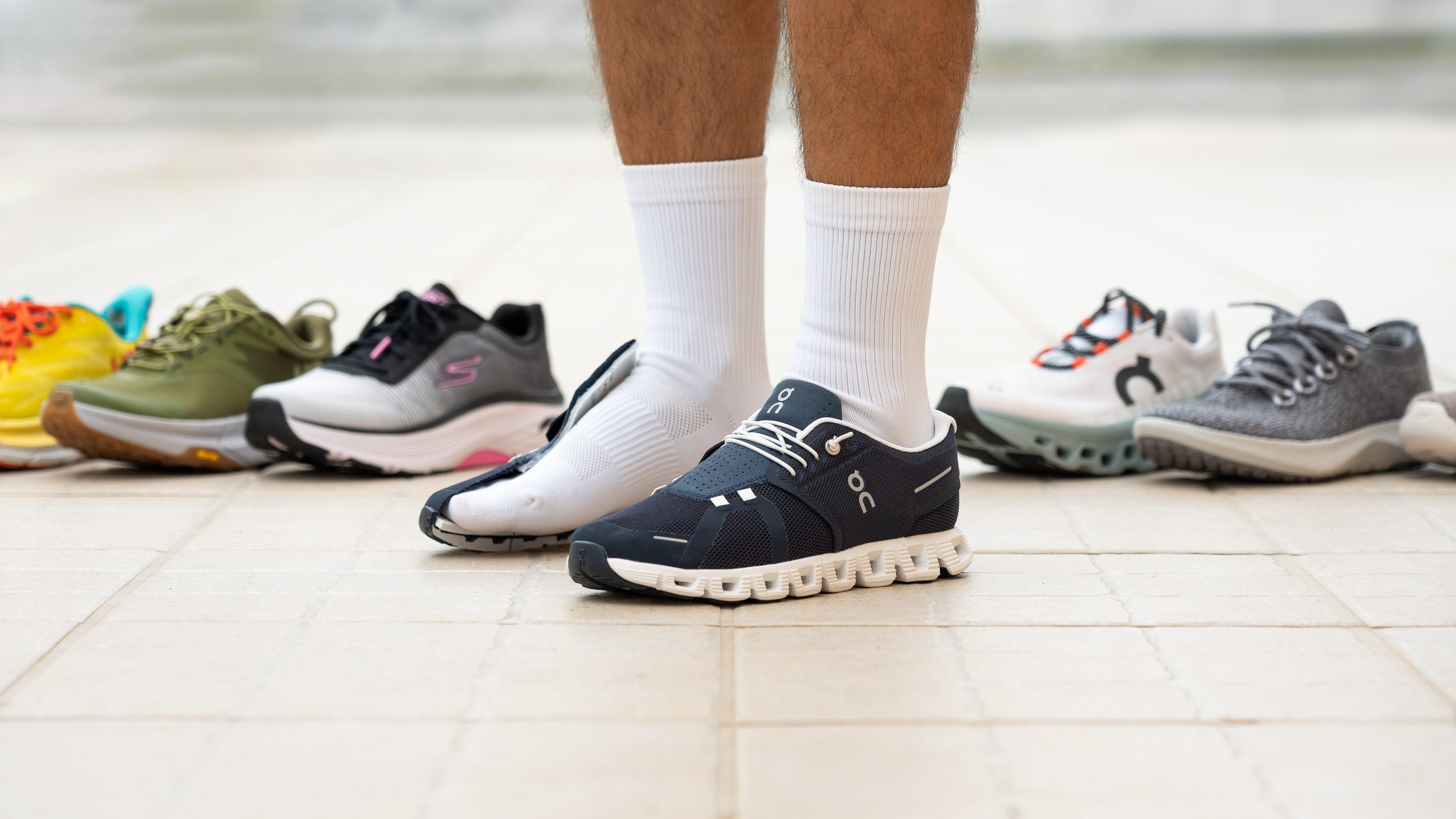
To understand why one shoe can feel like a cloud while another causes agony, we must look beneath the surface. The comfort of a walking shoe is not magic; it’s a precise interplay of biomechanics and materials science. Let’s dissect the key components. First, the midsole: this is the heart of cushioning. Technologies like EVA (Ethylene-Vinyl Acetate) foam, polyurethane, and proprietary gels (like ASICS’ GEL cushioning) are engineered to absorb the shock of heel strike—a force that can be 1.5 times your body weight with each step, according to gait analysis studies from institutions like the University of Virginia’s Motion Analysis Laboratory. The goal isn’t just softness; it’s energy return and stability. Too soft, and your foot sinks and muscles overwork to stabilize. The right balance provides a responsive platform. Next, the last: this is the three-dimensional mold around which the shoe is built. It determines the fundamental shape—straight, semi-curved, or curved—and is crucial for alignment. A proper last supports the natural alignment of your bones from heel to toe, preventing the excessive inward roll (overpronation) or outward roll (supination) that leads to injuries. Finally, the upper and the toe box. Breathable, flexible materials like engineered mesh prevent blisters and hot spots, while a sufficiently wide and deep toe box allows your toes to splay naturally upon impact, a concept championed by the natural running movement and supported by podiatric literature. As Dr. Miguel Cunha, founder of Gotham Footcare, often states on his professional platforms, “Constraining the toes can lead to a host of issues, from bunions to neuromas. Space is non-negotiable for foot health.”
Biomechanics in Motion: How Your Walk Dictates Your Shoe
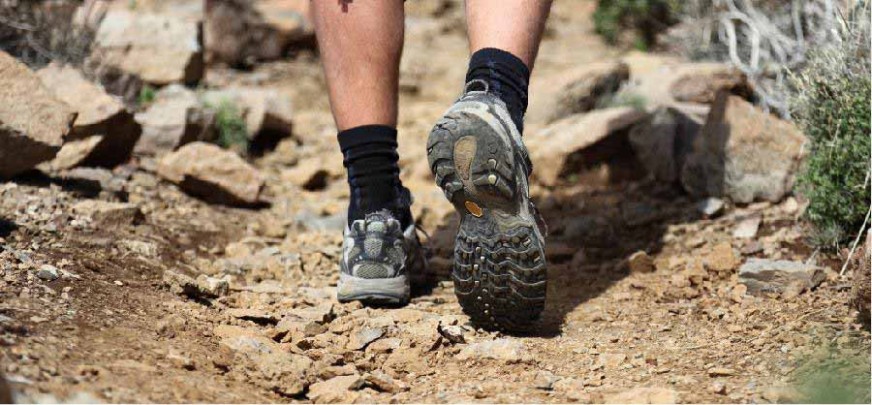
You are unique, and so is your gait. Selecting a shoe without considering your biomechanics is like prescribing medicine without a diagnosis. The most critical factor is your pronation pattern. Pronation itself is a normal, necessary motion where the foot rolls inward to distribute impact. Problems arise when it’s excessive or insufficient. You can perform a simple wet foot test: wet your foot and step onto a piece of cardboard. If you see about half of your arch, you likely have a neutral gait and need a stability shoe with moderate support. If you see almost your entire foot, you may overpronate and require a motion-control shoe with a firmer medial (inner) post. If you see just a thin strip connecting heel and ball, you likely underpronate (supinate) and need a highly cushioned, flexible shoe. This self-assessment aligns with methodologies suggested by resources like the American Podiatric Medical Association’s public education materials. Furthermore, consider your weight and walking terrain. A heavier individual will compress cushioning faster and may benefit from denser, more durable materials like polyurethane. Walking primarily on hard pavement demands superior shock absorption, while trails necessitate outsoles with aggressive lugs for grip and often a rock plate for protection. The walking shoe is not a one-size-fits-all solution; it is a tailored interface between you and the ground.
The Style Equation: Where Form Meets Function Without Compromise
For decades, “comfort shoe” was a euphemism for clunky, unattractive footwear. That era is decisively over. Today’s leading brands have successfully solved the style equation, proving that aesthetic appeal and ergonomic design are not mutually exclusive. The evolution is driven by advanced manufacturing and a cultural shift towards wellness and authenticity. We see sleek, minimalist profiles from brands like Cole Haan and Allbirds, which use merino wool and eucalyptus fiber for a modern, office-appropriate look. We see heritage styles from New Balance and Saucony, which have leveraged their athletic DNA into streetwear icons without sacrificing their technical foundations. The key is in the details: reflective accents for evening visibility, water-repellent treatments for practical weather resistance, and color palettes that range from understated neutrals to bold statements. This fusion is reflected in popular culture. In films like “Wild,” the protagonist’s boots are a central, practical character, and in everyday life, the rise of “athleisure” as a dominant fashion trend, documented by websites like Vogue Business, validates the demand for versatile footwear. You no longer need to pack a separate pair of shoes; the right walking shoe can transition seamlessly from a morning walk to a business lunch to an evening out, providing unwavering support throughout.
Material World: Innovations That Define the Experience
The feel of a shoe against your skin, its weight, its breathability—all are dictated by materials. The past decade has seen a revolution. Traditional leather, while durable, is giving way to high-tech knits and engineered meshes that offer targeted breathability and a sock-like fit. Brands like Nike with its Flyknit and Adidas with Primeknit pioneered this direction in performance running, and the technology has perfectly trickled down to walking shoes. For cushioning, we’ve moved beyond basic foam. Adidas Boost, with its thousands of TPU pellets, offers exceptional energy return. Brooks’ DNA LOFT provides a soft, luxurious feel without breaking down. Perhaps most importantly, the industry is grappling with sustainability. Allbirds popularized the use of natural and recycled materials, a movement now embraced by giants like ASICS, which has lines featuring recycled ocean plastic. As noted in a 2023 industry report from the University of Oregon’s Sports Product Management program, “Material innovation is now dual-focused: enhancing performance and reducing environmental impact. The consumer expects both.” This means your next pair of walking shoes might not only cradle your foot in comfort but also carry a lower ecological footprint.
The Expert Consensus: Voices from Science and Practice
Why should you trust these principles? Because they are backed by a chorus of experts from diverse fields. Podiatrists, the medical doctors of the foot, consistently emphasize fit and function over brand name. Physical therapists highlight how proper footwear can alleviate not just foot pain, but also knee, hip, and even lower back pain by ensuring proper kinetic chain alignment. From the world of academia, research from the Spaulding National Running Center, affiliated with Harvard Medical School, often challenges old myths, suggesting that the “best” shoe is highly individual and comfort is a primary predictor of injury prevention. On public platforms, certified pedorthists and footwear specialists on YouTube channels like “The Run Experience” or “Doctorly” break down complex topics into digestible advice, often deconstructing popular models. Even historical figures understood the importance. Leonardo da Vinci famously called the human foot “a masterpiece of engineering and a work of art,” and protecting that masterpiece is paramount. The collective wisdom is clear: investing in a properly fitted, purpose-built walking shoe is an investment in your long-term mobility and vitality. It is a preventative health measure as critical as a good diet or regular exercise.
Your Actionable Blueprint: Finding Your Perfect Pair
Knowledge is power, but application is key. Here is your step-by-step blueprint. First, get professionally fitted, preferably in the afternoon when your feet are naturally slightly swollen. Use the thumb’s width rule for length: there should be about a thumb’s width of space between your longest toe and the end of the shoe. Second, prioritize feel over a number. The size you’ve worn for years may have changed. Walk around the store on a hard surface, not just carpet. Listen for any slippage at the heel or pressure on the sides. Third, bring the socks you intend to wear. Thickness matters. Fourth, don’t be seduced by the “break-in” myth. A proper walking shoe should feel great from the first step. Any significant discomfort is a red flag. Finally, know when to retire them. The cushioning and support degrade with mileage, not just visible wear. The general consensus from sources like Runner’s World and podiatric advice columns is to replace walking shoes every 300-500 miles. For the average walker, that’s roughly every 6-9 months. Track your usage.
Smart Shopping: Leveraging Knowledge for Value
Armed with this expertise, you can shop with confidence and savvy. While specialty running stores offer invaluable fitting services, don’t overlook last season’s models online. Brands frequently update shoe lines with color changes and minor tweaks, meaning the previous version—often discounted by 30-50%—retains 95% of the performance. Websites like Brooks, ASICS, and New Balance have robust “outlet” or “sale” sections. Sign up for newsletters to get alerts on flash sales. Furthermore, consider the total cost of ownership. A $150 shoe that lasts 9 months and prevents a single $100 doctor’s visit for plantar fasciitis is a far better value than a $60 shoe that causes pain and needs replacing in 4 months. Your comfort and health are worth the initial outlay. The goal is to bring professional-grade knowledge to your purchasing decision, allowing you to identify true quality and technological value, ensuring you pay for engineering, not just marketing.

The journey to finding your ultimate walking companion begins with a shift in perspective. See your shoes not as an accessory, but as essential equipment for the sport of daily life. By understanding the science of comfort, embracing the possibility of style, heeding expert guidance, and applying a strategic approach to your purchase, you empower yourself to step forward with confidence. Every journey, from the daily commute to the weekend adventure, is built step by step. Make sure each one is taken in support, comfort, and a style that feels authentically you. The path ahead is waiting; the right walking shoe ensures you enjoy every moment of the walk.
