

The Best Tennis Shoes for Walking Comfort and Fashion
In the realm of footwear, the quest for a shoe that seamlessly marries comfort for prolonged walking with contemporary style is a common pursuit. Often, we find ourselves sacrificing one for the other, but what if the solution has been in plain sight all along? The humble tennis shoe, engineered for the dynamic, lateral movements of the court, possesses inherent design principles that translate exceptionally well to the biomechanics of walking. This article posits that modern tennis shoes for walking represent an optimal fusion, offering superior arch support, cushioning, and stability compared to many casual sneakers, all while providing the aesthetic versatility demanded by today’s fashion-conscious individual. We will dissect the scientific rationale behind this, explore key features, and guide you toward making an informed choice that benefits both your stride and your style.
The Unlikely Synergy: Court Engineering for Urban Exploration
The fundamental design philosophy of a tennis shoe is rooted in responding to high-impact, multi-directional force. As per biomechanics literature from institutions like the University of Calgary’s Human Performance Laboratory, athletic footwear is categorized based on its motion control, stability, and cushioning properties. Tennis, as a sport involving sudden stops, starts, and lateral cuts, demands shoes with exceptional medial and lateral support to prevent ankle rollovers, a firm heel counter for rearfoot stability, and responsive midsole cushioning to absorb impact from constant jumping and pounding. When we walk, particularly over extended periods or on hard urban surfaces, our feet require similar—though less extreme—protections: shock absorption at heel strike, support through the mid-stance phase to prevent overpronation or supination, and flexibility at toe-off. A well-constructed tennis shoe inherently addresses these needs. The outsole, often made of durable, non-marking rubber with a herringbone or modified pattern, provides reliable traction on varied surfaces, from asphalt to indoor flooring. The midsole, frequently incorporating advanced foam technologies like Nike’s Air, Adidas’s Boost, or ASICS’s GEL, offers a level of energy return and cushioning that surpasses most flat-soled fashion sneakers. Therefore, repurposing a tennis shoe for walking is not a compromise; it is a logical application of its engineered attributes to a different, yet compatible, form of locomotion.

Deconstructing Comfort: Arch Support and Cushioning Technologies
At the core of walking comfort lies two pivotal elements: arch support and cushioning. The human foot arch is a marvel of natural engineering, acting as a shock absorber. However, modern lifestyles and hard surfaces can lead to strain, making external support crucial. Many dedicated walking shoes offer good support, but tennis shoes often excel due to their need for mid-foot stability during aggressive side-to-side movements. Brands like ASICS, with their Dynamic DuoMax Support System, or New Balance, using Rollbar stability posts, integrate these features directly into the midsole. These are not mere marketing terms; they are scientifically developed systems. For instance, a study cited in the Journal of Orthopaedic & Sports Physical Therapy emphasized the role of medial postings in reducing excessive foot pronation, a common cause of walking discomfort. Cushioning, meanwhile, has evolved from simple EVA foam to sophisticated polymer blends. Adidas’s Boost technology, developed in partnership with chemical giant BASF, comprises thousands of energy-returning TPU pellets. As noted by numerous sports tech reviewers on platforms like YouTube’s “Doctor of Running” channel, this provides not just softness but resilient cushioning that maintains its properties over miles, making it ideal for long walks. When you choose a tennis shoe for walking, you are effectively investing in a piece of sports science designed to manage repetitive impact, translating to less fatigue and reduced risk of stress-related discomfort in your feet, knees, and lower back.
The Fashion Equation: From Baseline to Boulevard
The perception of tennis shoes as purely athletic gear has been dramatically overturned in the last decade. The rise of athleisure, a trend validated by the continuous collaborations between high-fashion houses and sportswear brands (e.g., Gucci x The North Face, Louis Vuitton x Nike), has cemented the status of performance sneakers as fashion staples. Iconic tennis models like the Adidas Stan Smith, the Nike Air Max 1 (inspired by tennis roots), or the classic K-Swiss have transcended their original purpose. Fashion authorities from GQ to Vogue regularly feature tennis-style sneakers as essential components of a versatile wardrobe, pairing them with everything from tailored trousers to summer dresses. The clean lines, minimalist logos, and varied colorways of many tennis shoes offer a stylistic neutrality that is both modern and timeless. Unlike some bulky running shoes or overtly technical hiking shoes, a sleek tennis shoe provides a streamlined silhouette that integrates effortlessly into daily urban life. Therefore, selecting a tennis shoe for walking allows you to navigate your day without needing a change of footwear, moving from a morning errand to a casual lunch meeting while maintaining a polished, contemporary look. The aesthetic appeal is no longer an afterthought but a primary design consideration for major brands.

Key Considerations When Selecting Your Pair
Not all tennis shoes are created equal for walking purposes. Delving into the specifics will ensure your choice aligns with your physiological needs and style preferences. First, analyze your gait. Are you a neutral walker, or do you tend to overpronate (foot rolls inward excessively)? Many running specialty stores offer gait analysis, and this knowledge is directly applicable. Shoes designed for stability or motion control in tennis often feature denser medial (inner) side materials, which can benefit overpronating walkers. Second, prioritize fit over size. Your foot expands during walking, so there should be about a thumb’s width of space between your longest toe and the shoe’s end. The heel should be snug but not tight, with no slippage. Third, examine the weight. While tennis shoes are generally supportive, some modern models use lightweight, breathable meshes that prevent the “clunky” feel, enhancing walking ease. Finally, consider the outsole. A durable rubber with a versatile tread pattern is key. As renowned podiatrist Dr. Brad Schaeffer often states in his public health advisories,
“The foundation of any good walking shoe is a sole that provides grip without being overly aggressive. A smooth, shallow tread often found on hard-court tennis shoes is perfect for pavement, as it won’t trap debris and offers consistent contact.”
This professional insight underscores the importance of context-specific design elements.
Where Performance Meets Value: A Guide to Smart Acquisition
Investing in quality footwear is an investment in your well-being, but it need not break the bank. The market for athletic shoes is dynamic, with frequent new releases driving down prices of previous—yet still technologically advanced—models. To bring professional knowledge and discounted prices to you, consider these strategies. First, shop off-season. The best prices on many models can be found when new colorways or iterations are launched. Second, explore outlet stores and certified online retailers of major brands. They often carry “classic” or previous-season models that retain all the core performance features. For example, an ASICS Gel-Resolution 8, a top-tier tennis shoe known for its superb comfort and durability, might be found at a significant discount once the Gel-Resolution 9 is released, yet it remains an exceptional tennis shoe for walking. Third, subscribe to newsletters from retailers like Zappos, Eastbay, or directly from brand websites for flash sales and exclusive promo codes. The technology in a shoe two years old is still vastly superior to that in a cheap, non-supportive fashion sneaker. Remember, the objective is to acquire footwear with proven cushioning systems (like GEL, Zoom Air, or Fresh Foam), adequate support, and durable construction. By targeting these features rather than the very latest model, you can secure exceptional value without compromising on the scientific benefits that make the shoe suitable for extended walking.
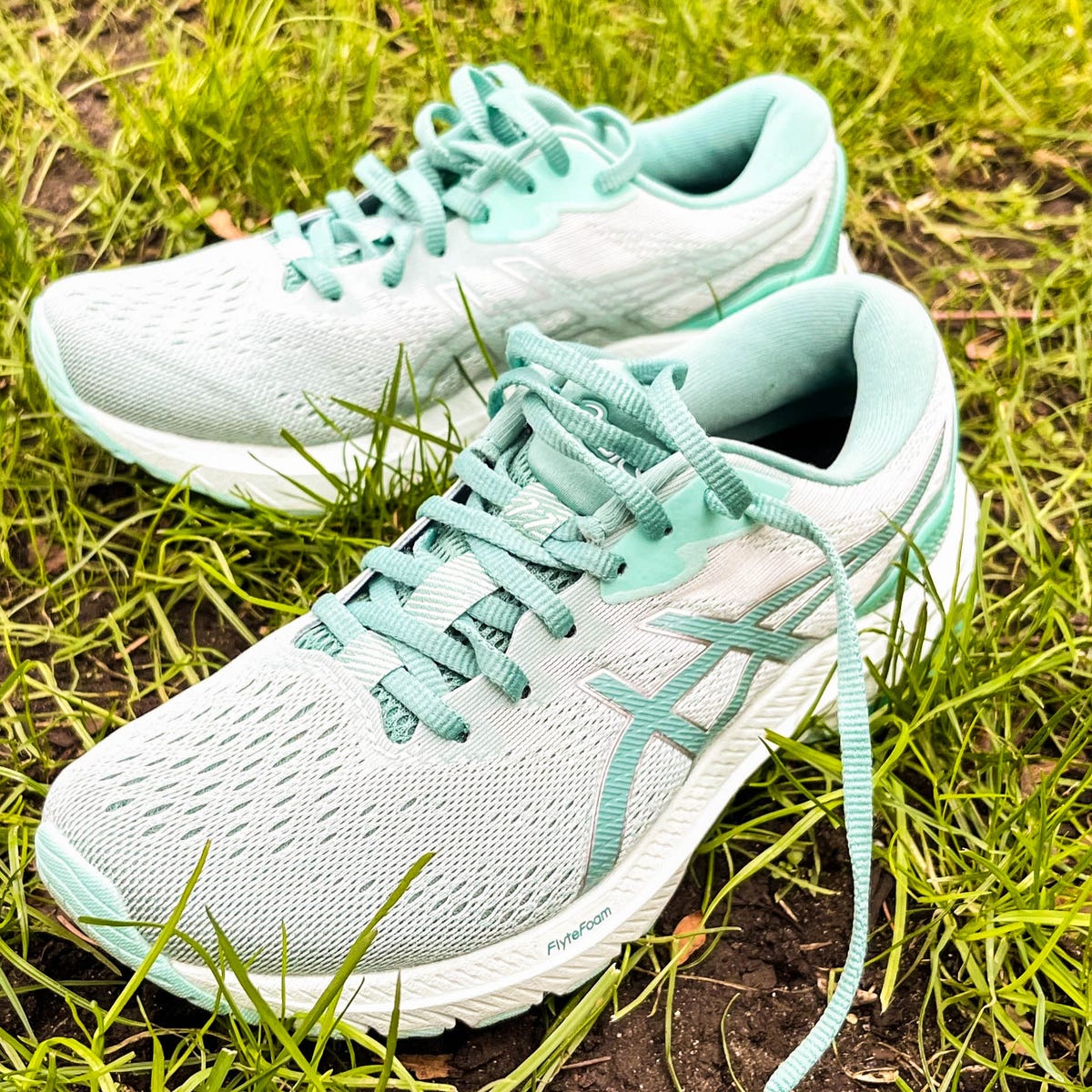
A Step Forward in Footwear Intelligence
The convergence of athletic performance and everyday style in footwear is more than a trend; it is a reflection of a smarter approach to daily living. The engineered comfort, inherent support, and evolving aesthetics of modern tennis shoes present a compelling case for their role beyond the court. By understanding the biomechanical principles they embody and making informed selections based on fit, technology, and value, you empower yourself to walk through your day with unparalleled comfort and confidence. Your journey, whether a city commute, a weekend stroll, or a day of errands, deserves a foundation that supports both your physical well-being and your personal expression. Let your next step be taken in a shoe designed for performance, crafted for durability, and styled for life—proving that the ideal tennis shoes for walking are not just a possibility, but a readily accessible reality.
:max_bytes(150000):strip_icc()/vwt-walking-shoes-test-ryka-devotion-x-sahara-borja-02-18807b688fbb49e4ba30a3ee438600cb.jpeg)
