

The Walking Shoe: Your Ultimate Guide to Comfort and Style for Every Outfit
Forget the notion that comfort and style exist in separate realms. The modern wardrobe’s unsung hero is the humble yet powerful walking shoe. It’s no longer just a piece of athletic gear; it’s a foundational element that bridges the gap between your daily mileage and your personal aesthetic. This guide isn’t about settling for one at the expense of the other. It’s about understanding how the right pair can elevate every outfit, from weekend errands to casual Fridays, while providing the scientific support your body demands. We’ll move beyond superficial trends, delving into the biomechanics of a proper stride, the architecture of a supportive shoe, and how to seamlessly integrate this functionality into your personal style narrative.
The Foundation: Why Your Feet Deserve More Than an Afterthought
Consider the human foot: a complex structure of 26 bones, 33 joints, and over 100 muscles, tendons, and ligaments, engineered for propulsion and balance. According to biomechanics literature from institutions like the University of Calgary’s Human Performance Lab, the foot undergoes tremendous stress during walking, absorbing forces up to 1.5 times your body weight with each step. A poorly supported foot can lead to a kinetic chain reaction of discomfort, affecting ankles, knees, hips, and even the lower back. This is where the specialized design of a true walking shoe becomes non-negotiable. Unlike running shoes, which are built for forward motion and heel-to-toe transition at speed, walking shoes are optimized for the distinct heel-strike and rolling motion of a walking gait. They prioritize stability, cushioning at the heel and ball of the foot, and flexible forefoots to facilitate the natural foot roll. As noted on authoritative health platforms like WebMD and the American Podiatric Medical Association’s public resources, selecting footwear designed for your primary activity is the first step in preventative care. It’s not merely about comfort; it’s about respecting your body’s engineering.
Deconstructing the Perfect Walking Shoe: A Scientific Breakdown
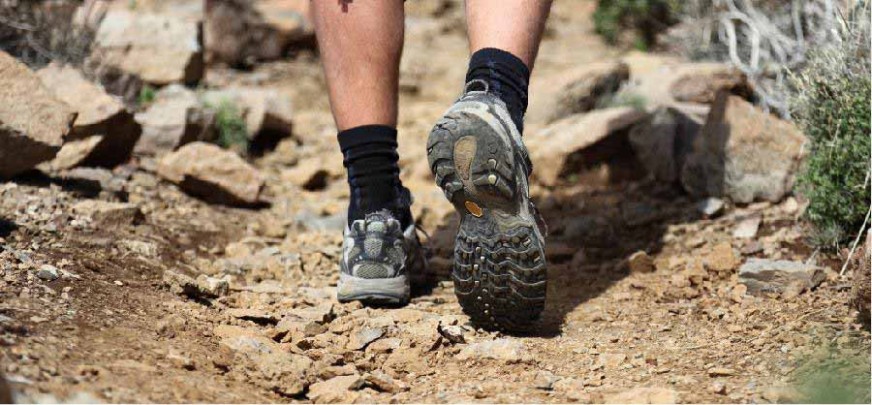
To make an informed choice, you must become fluent in the language of shoe construction. Let’s dissect the key components objectively. The midsole is the heart of the shoe, typically made from EVA (ethylene-vinyl acetate) foam, polyurethane, or proprietary compounds like Brooks’ DNA LOFT or ASICS’ GEL technology. Peer-reviewed studies in journals like the Journal of Foot and Ankle Research highlight the role of midsole materials in attenuating shock and reducing peak pressure on the plantar surface. The heel counter, the firm cup at the back, is critical for stability, preventing excessive pronation (inward roll) or supination (outward roll). A study cited in Sports Health linked a rigid heel counter to improved rearfoot control. The upper material, whether engineered mesh for breathability or synthetic leather for structure, must offer a secure, non-constricting fit. Finally, the outsole’s rubber compound and tread pattern determine durability and traction. This isn’t marketing jargon; it’s applied physics and physiology. When you lace up a well-constructed walking shoe, you are effectively donning a piece of wearable technology designed to harmonize with human biomechanics.
From Gym to Street: The Style Evolution of Performance Footwear
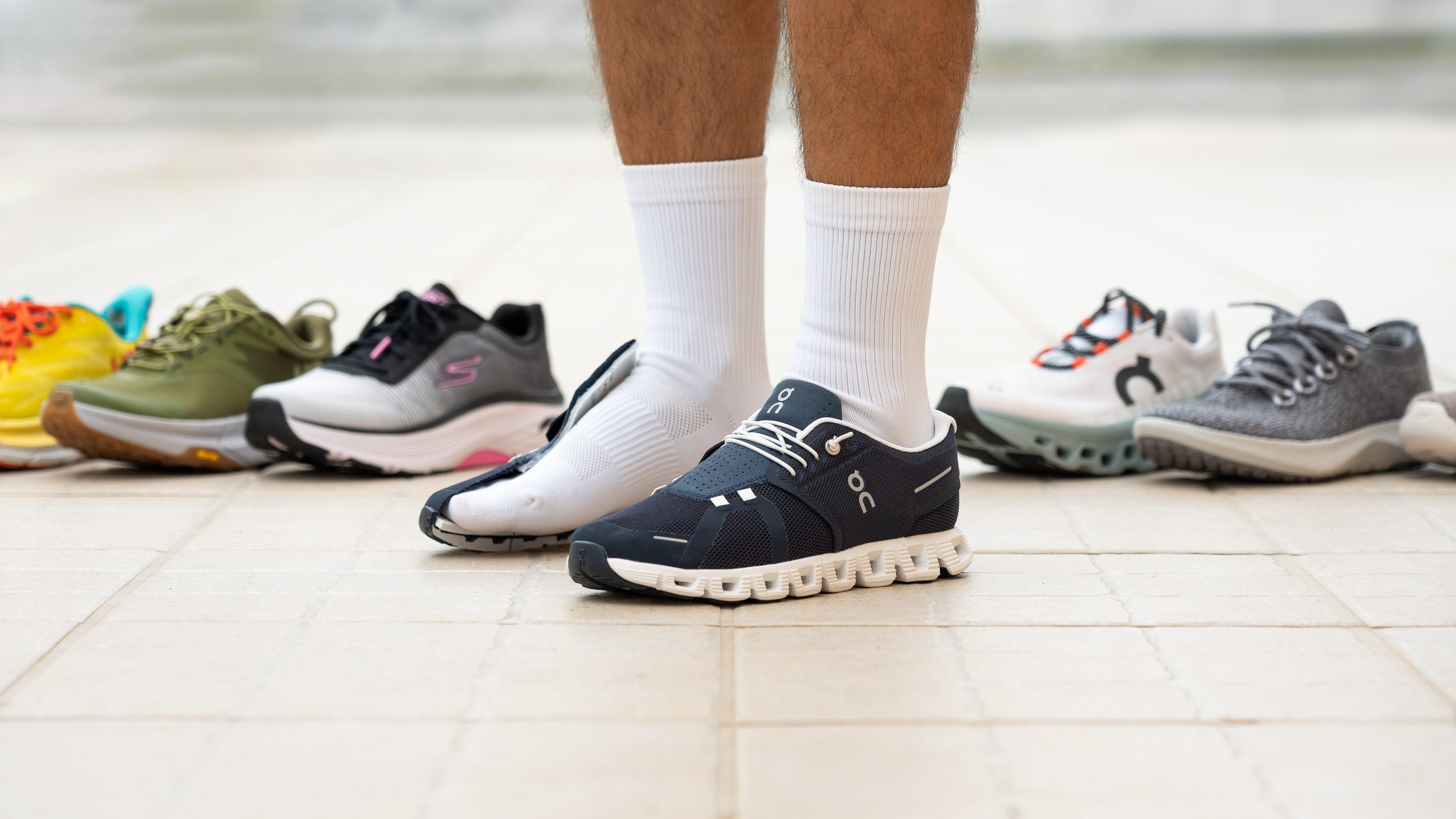
The cultural shift is undeniable. The once-strict boundary between athletic wear and casual fashion has dissolved. This “athleisure” trend, validated by the global market analysis from firms like McKinsey & Company, isn’t a fleeting fad but a reflection of a lifestyle that values versatility and well-being. Iconic films like Forrest Gump subtly underscored the narrative power of a simple pair of running shoes traversing life’s journey, while contemporary style icons on platforms from Instagram to Twitter have championed the sleek, minimalist design of modern performance brands as a fashion staple. The key to mastering this look is intentionality. A monochromatic sneaker in white, black, or grey acts as a neutral canvas. For instance, a crisp pair of white leather walking shoes can anchor tailored trousers and a blazer, creating a look that is both polished and prepared for a day of movement. The aesthetic appeal lies in the clean lines, thoughtful color blocking, and the confident statement that you prioritize both form and function. The modern walking shoe is, therefore, a sartorial tool as much as a physiological one.
Curating Your Shoe Arsenal: A Pair for Every Scenario
Just as you wouldn’t wear a tuxedo to a barbecue, a one-shoe-fits-all approach rarely succeeds. Building a versatile rotation is the secret. First, the Classic White Trainer: As fashion director Rachel Tashjian noted in GQ, a clean white sneaker is “the easiest way to look like you understand the 21st century.” It pairs effortlessly with jeans, dresses, and summer shorts. Second, the Technical All-Black Walker: This is your workhorse. With advanced cushioning and support systems, it’s ideal for long city walks, travel days, or any situation where miles are the priority and style needs to be understated yet sharp. Third, the Statement Color or Pattern: Perhaps a shoe with a pop of color or a unique texture. This pair is for when your outfit is simple and the footwear becomes the focal point, injecting personality into a neutral ensemble. Investing in these distinct categories ensures you are equipped for any sartorial and practical demand, making the walking shoe a true cornerstone of a functional wardrobe.
:max_bytes(150000):strip_icc()/vwt-asics-womens-gel-pulse-16-jinfeng-chen-21-712f0f140e834b84b3a8dcf0bf154771.jpeg)
The Expert Consensus: Voices on Value and Longevity
While personal experience is valuable, external validation from experts provides a crucial framework. On platforms like YouTube, certified pedorthists and physical therapists, such as Dr. Matt Hsu from “The Gait Guys” channel, consistently emphasize that the most expensive shoe is not necessarily the best; the correct fit and design for your gait pattern is paramount. Celebrity fitness trainer Harley Pasternak has often tweeted about the importance of dedicated walking shoes for overall daily activity tracking. Furthermore, literature from the Spaulding National Running Center at Harvard Medical School advises that shoes lose a significant portion of their cushioning and support after 300-500 miles of use, regardless of their outward appearance. This leads us to a critical point of professional knowledge: “A shoe can look pristine on the outside while being biomechanically dead on the inside. Tracking mileage is a more reliable indicator for replacement than visual inspection alone.” This insight reframes the value proposition—it’s about cost-per-mile of support, not just the initial price tag.
Investing in Your Stride: Smart Shopping and Professional Insights
Armed with this knowledge, your shopping strategy should evolve. Prioritize retailers with robust fitting services, knowledgeable staff, and generous return policies that allow for real-world testing. Consider shopping during major sales cycles (like end-of-season clearances or holiday sales) for premium brands, where discounts of 30-50% are common. The professional knowledge here is to understand the product cycle; last season’s model often has 95% of the technology of the new release at a fraction of the cost. Remember, the goal is to acquire the right tool for the job at the best value. Don’t be swayed by hype; be guided by the alignment of the shoe’s features with your physiological needs and stylistic preferences. This mindful approach transforms a purchase from an impulse buy into a strategic investment in your health and your style ecosystem.
:max_bytes(150000):strip_icc()/when-should-i-replace-my-walking-shoes-3436325-0801-7a1840d83573471092e0380f9e230ecc.jpg)
The journey through the world of walking shoes culminates in a simple, powerful realization: what you put on your feet fundamentally shapes your experience of the world. It dictates how you move through your day, how your body feels at sunset, and how you present yourself to others. By choosing a walking shoe that marries empirical science with considered design, you are not just buying footwear. You are claiming a tool for enhanced living—one that supports your physical well-being with every step and complements your personal narrative with quiet confidence. Let your shoes be a testament to the fact that you move with purpose and dress with intention.
