

The Best Tennis Shoes for All-Day Walking
When the day demands miles of pavement, cobblestone, or office corridor, your footwear becomes the foundation of your experience. The quest for the perfect all-day walking companion often leads to a surprising category: tennis shoes for walking. While designed for lateral court movements, modern tennis shoes have evolved into versatile powerhouses of cushioning, support, and durability, making them a compelling choice for the urban explorer, the busy professional, or anyone who values comfort from sunrise to sunset. This isn’t about repurposing in a pinch; it’s about recognizing how the engineering principles of a great tennis shoe align perfectly with the biomechanical needs of sustained walking.
The Unlikely Synergy: Tennis Engineering Meets Walking Biomechanics
The fundamental argument for considering tennis shoes for walking lies in a confluence of design objectives. Tennis is a sport of explosive starts, sudden stops, and constant side-to-side motion. As noted in biomechanics literature from institutions like the University of Calgary’s Human Performance Laboratory, this demands shoes with exceptional medial-lateral stability to prevent ankle rolls, durable outsoles to withstand abrasive court surfaces, and substantial forefoot cushioning for repeated impacts. Now, translate these features to walking. While walking is a primarily sagittal plane (forward-backward) motion, urban environments present unpredictable hazards—curbs, uneven sidewalks, slippery floors. The reinforced lateral support of a tennis shoe provides a stabilizing “cradle” for the foot, offering security with every step. The durable, often herringbone-patterned outsole, designed to grip clay or hard courts, delivers outstanding traction on concrete and asphalt. Furthermore, the cushioning systems in brands like ASICS Gel or Nike Air Zoom, technologies born from rigorous impact research, absorb the repetitive heel-strike forces of walking, which according to the American Podiatric Medical Association, can exert forces of 1.5 times your body weight with each step. Therefore, a well-chosen tennis shoe functions not as a compromise, but as a robust, protective shell engineered for sustained, real-world locomotion.
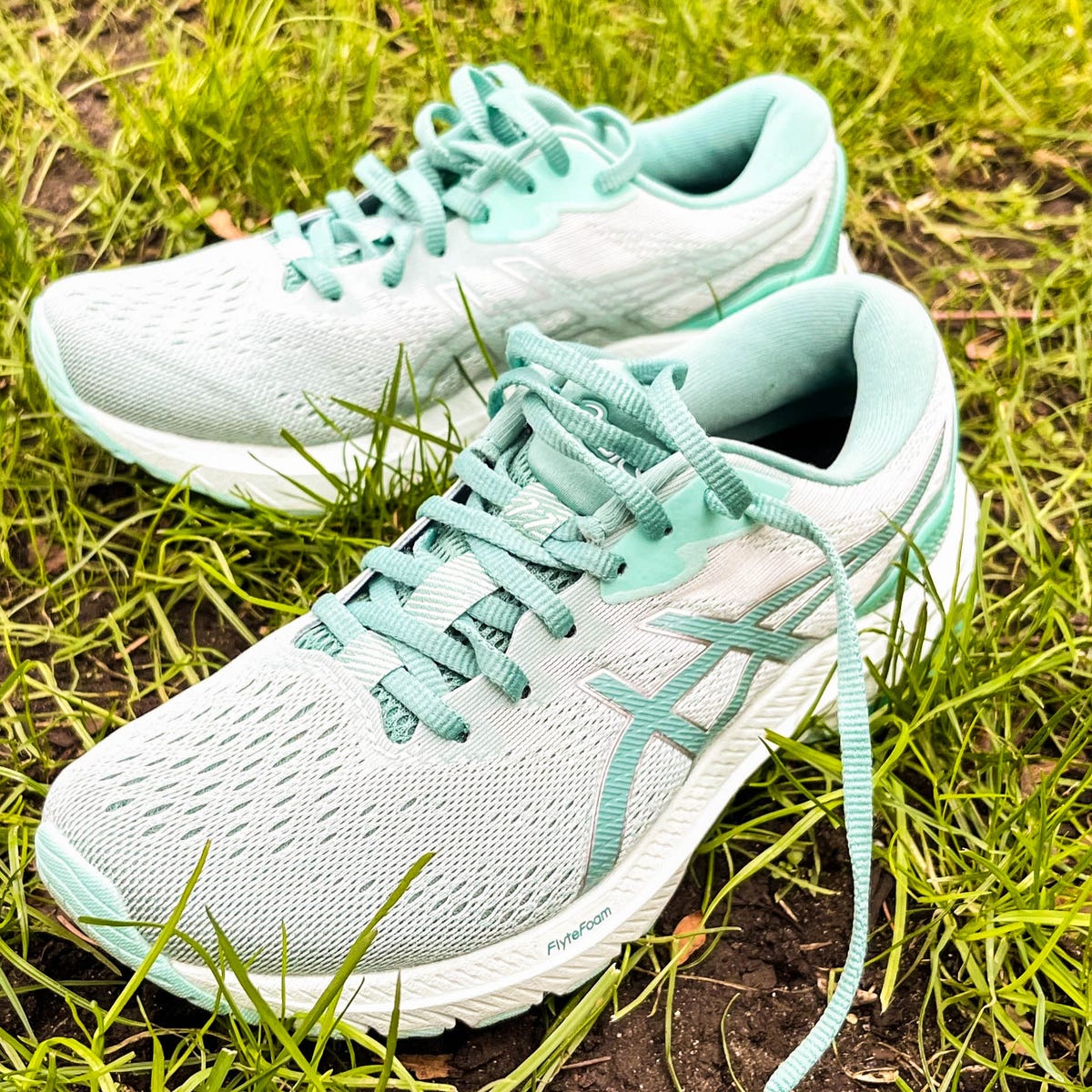
Decoding the Anatomy: Key Features That Make the Difference
To navigate the market, one must move beyond the label and dissect the anatomy of the shoe. The first critical component is the midsole. This is the heart of cushioning and stability. For all-day walking, look for technologies that offer a balance of softness and responsiveness. EVA foam is common, but advanced compounds like Adidas’s Boost or Brooks’s DNA LOFT provide superior energy return, reducing leg fatigue. Dr. Casey Kerrigan, a renowned biomechanist and founder of OESH Shoes, has published research in journals like “Gait & Posture” emphasizing that appropriate midsole properties can significantly reduce joint loading. The second is the outsole. A durable rubber compound with a multi-directional tread pattern is essential. The herringbone pattern common on tennis shoes offers exceptional grip on a variety of surfaces, a feature highlighted in gear reviews on sites like Runner’s World for its real-world versatility. Third, consider the upper and fit. Walking involves a steady expansion and contraction of the foot. A breathable mesh upper with strategic overlays for structure, like those found on the Nike Court Air Zoom Vapor Cage, provides a secure, non-constricting fit. As podiatrist Dr. Brad Schaeffer noted in an interview with Verywell Fit, “A shoe that locks the heel down but allows the forefoot to splay naturally is key for preventing blisters and discomfort over long periods.”
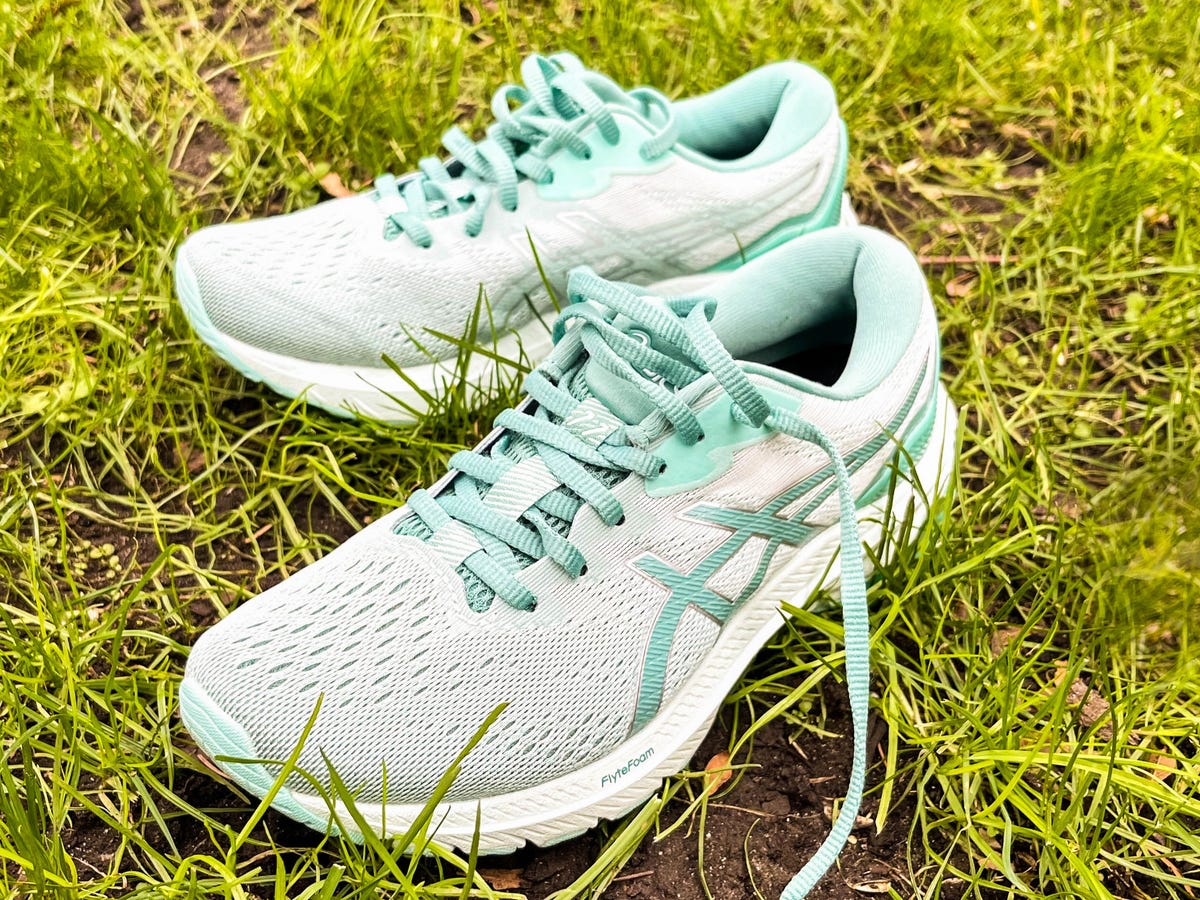
Beyond the Hype: A Critical Look at Potential Drawbacks
It would be remiss to present this viewpoint without a rigorous examination of potential limitations. The primary critique of using tennis shoes for walking centers on weight and flexibility. Traditional tennis shoes, built for durability against abrasive courts, can be heavier than dedicated walking or running shoes. This added mass, quantified in studies on metabolic cost, can increase energy expenditure over very long distances. Furthermore, the stability features that prevent ankle rolls—often a rigid midfoot shank or a reinforced heel counter—can reduce the shoe’s overall flexibility. The famous “flex test” advocated by many running stores, where you bend the shoe at the ball of the foot, may be harder to perform with a stiff tennis model. This reduced flexibility can potentially alter the natural foot strike and toe-off phases of the gait cycle for some individuals. However, this is not a universal disqualifier. Modern “speed” or “lightweight” tennis models, such as the Adidas Adizero Ubersonic or the New Balance Fresh Foam Lav, have shed significant weight while retaining core stability features. The key is self-awareness: a person with a neutral gait and a preference for a more grounded feel may find the slight rigidity reassuring, while someone seeking a barefoot-like flexibility should look elsewhere. The objective is to make an informed choice, not to follow a trend blindly.
Curating Your Perfect Pair: A Guide to Selection and Investment
Selecting the right pair is a personal science experiment. Begin by analyzing your walking environment and physiology. Do you traverse hard cityscapes or mixed park trails? Do you have a neutral gait, or do you overpronate? Brands like ASICS and Brooks offer models with varying degrees of arch support and guidance. The ASICS Gel-Resolution, for instance, is renowned for its Duomax dual-density midsole, which provides structured support for those who need it—a technology whose efficacy is often cited in podiatric forums and Q&A sites like Quora. Next, prioritize fit over aesthetics. Your feet swell throughout the day, so shop in the afternoon. Ensure a thumb’s width of space in the toe box and a secure, slip-free heel. Remember, the most advanced technology is worthless if the shoe doesn’t fit your unique foot shape. Finally, consider the investment. High-quality tennis shoes for walking, built with premium materials and technology, represent a investment in your musculoskeletal health. While the initial price tag for models like the Nike Air Zoom Vapor Pro may hover around $130, their durable construction often outlasts cheaper, less supportive alternatives. To bring professional knowledge to a practical point, savvy shoppers can find previous-season models or colorways at discounts of 25-40% on retailer websites, making top-tier technology accessible. The goal is to acquire a tool that enhances your daily life, not just an accessory.

The Verdict from the Ground Up: Integrating Experience and Evidence
The narrative that a shoe must be labeled “walking” to be effective for walking is an oversimplification. The evidence from biomechanics, material science, and countless user testimonials paints a more nuanced picture. A superior tennis shoes for walking offers a unique synthesis: the tenacious grip and lateral stability born from the demands of sport, combined with the cushioning and comfort refined through decades of athletic research. It is a shoe prepared for the unexpected—a sudden step off a curb, a slippery patch in a crosswalk, a day that stretches far longer than planned. As the renowned author and walker Rebecca Solnit reflects in her book “Wanderlust: A History of Walking,” the right footwear can transform a simple act into a profound exploration. Your journey through the day deserves a foundation that is resilient, responsive, and relentlessly comfortable. In that pursuit, the modern tennis shoe stands not as an imposter, but as a formidable and intelligent contender, ready to carry you forward, mile after comfortable mile.
:max_bytes(150000):strip_icc()/vwt-walking-shoes-test-ryka-devotion-x-sahara-borja-02-18807b688fbb49e4ba30a3ee438600cb.jpeg)
