

The Ultimate Guide to Toe Walker Shoes for Effortless Chic
In the ever-evolving landscape of fashion, true style emerges not from fleeting trends but from a profound synergy between aesthetic desire and physical necessity. This is the realm where toe walker shoes have carved a unique niche, transforming a specific biomechanical need into a statement of understated, intelligent elegance. For too long, footwear for those who walk on their toes—whether due to idiopathic toe walking, cerebral palsy, or other neurological or muscular conditions—was confined to the purely clinical, often sacrificing form for function. Today, that narrative is being rewritten. The modern toe walker shoe is a testament to design innovation, offering a foundation of support so seamless it liberates the wearer to express a chic, effortless personal style. This guide is not merely about finding a shoe; it’s about discovering a tool for confident living, where every step is supported, stable, and stylish.
Redefining the Foundation: What Are Toe Walker Shoes?
To understand the revolution, we must first define the core. Toe walker shoes are specialized footwear engineered to address a gait pattern where an individual walks on the balls of their feet, with little to no contact between the heels and the ground. This is distinct from the occasional tiptoeing of a child or a ballerina’s pose. As noted by the American Academy of Orthopaedic Surgeons, persistent toe walking beyond early childhood can be idiopathic (without a known cause) or associated with conditions like autism spectrum disorder, muscular dystrophy, or leg length discrepancies. The primary biomechanical challenge is the shortened Achilles tendon and overactive calf muscles, which prevent the heel from striking the ground comfortably. Conventional shoes can exacerbate instability and discomfort. Therefore, a true toe walker shoe incorporates specific design elements: a rigid or semi-rigid heel counter to stabilize the hindfoot, a rocker-bottom sole to promote a more natural rolling gait from heel to toe, and often a slight heel elevation or built-in orthotic to gently stretch the calf complex. These features work in concert not to force a change, but to facilitate a safer, more balanced way of moving, making the very concept of “effortless” possible from the ground up.
The Science of Support: Biomechanics Meets Design
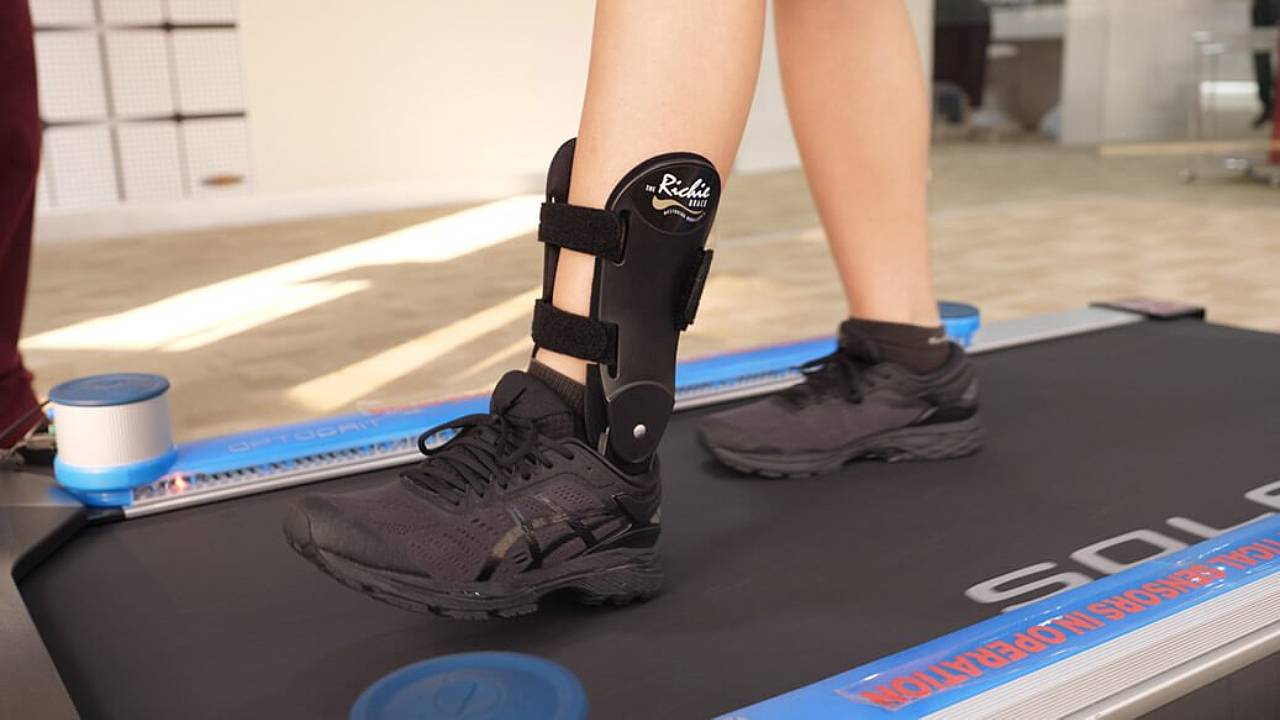
The elegance of these shoes is rooted in uncompromising science. Let’s dissect the key components. The rocker sole is arguably the most critical innovation. Inspired by studies from institutions like the Gait and Clinical Movement Analysis Society, this curved sole design reduces the need for excessive ankle dorsiflexion (pulling the toes toward the shin). For someone with a tight Achilles, this motion is difficult. The rocker sole effectively “rolls” the foot forward, decreasing the force and range of motion required at the ankle and forefoot. It’s a principle of mechanical offloading, similar to concepts used in diabetic footwear. Next, the heel counter. Imagine the heel as the cornerstone of a building. A flimsy cornerstone leads to collapse. A firm, deep heel cup, often extended forward (known as a Thomas heel), provides a rigid enclosure that minimizes lateral and medial heel movement, offering a stable platform from which to initiate movement. This directly counters the inherent instability of walking on the forefoot. Finally, consider weight distribution. Persistent toe walking places disproportionate pressure on the metatarsal heads, leading to pain and potential stress fractures. A well-designed shoe with appropriate cushioning and a slightly raised heel (a 1-2 cm heel-to-toe drop is common) helps redistribute this load back towards the midfoot and heel. This isn’t just comfort; it’s preventive podiatric medicine. As Dr. Jane Andersen, a past president of the American Association for Women Podiatrists, has stated, “Proper footwear is the first line of defense in managing biomechanical abnormalities. It can prevent a cascade of compensatory issues in the knees, hips, and back.”
From Clinic to Catwalk: The Aesthetic Evolution
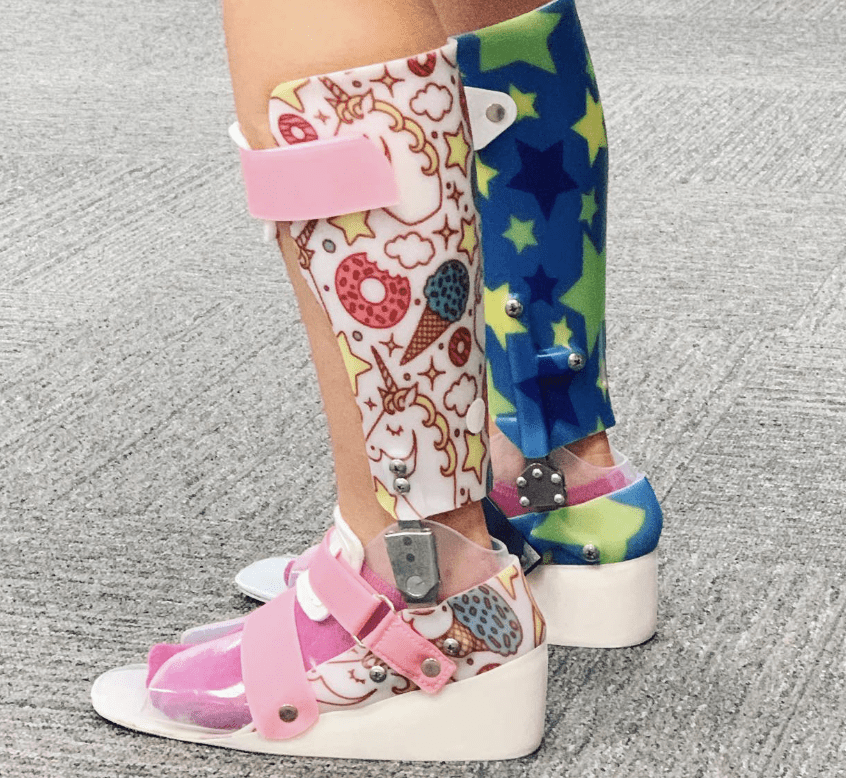
The historical chasm between medical devices and fashion accessories is closing. For decades, the only options were bulky, conspicuously “orthopedic” shoes that screamed limitation rather than liberation. The shift began when designers and podiatrists started collaborating, recognizing that psychological well-being is part of holistic health. Wearing a shoe you love boosts confidence, which in turn improves posture and engagement with the world. Today’s leading brands in this space have mastered the art of camouflage. You can find toe walker shoes that look like sleek ankle boots, contemporary sneakers, or sophisticated loafers. Materials have evolved from stiff leathers to flexible yet supportive technical fabrics and microfiber suedes. Color palettes have expanded beyond beige and white to include blacks, navys, metallics, and even bold patterns. This evolution mirrors a broader cultural movement towards adaptive fashion, championed by figures like Sinead Burke and brands like Tommy Hilfiger Adaptive. The message is clear: needing support does not mean sacrificing style. In fact, the intentional, thoughtful design of these shoes often results in a more architectural, interesting silhouette than many fast-fashion alternatives. They prove that constraints can breed extraordinary creativity, offering a chic solution that others will admire, not out of pity, but out of genuine aesthetic appreciation.
A Curated Selection: Finding Your Signature Pair
Navigating this specialized market requires a discerning eye. Your choice should be a balance of prescription (if you have one from a podiatrist or orthotist), personal lifestyle, and aesthetic preference. Let’s explore key categories. For everyday elegance, look for brands that offer oxfords, loafers, or ballet flats with hidden rocker soles and reinforced heel counters. These pair effortlessly with everything from tailored trousers to midi skirts. The goal is a shoe that transitions from a professional meeting to a casual lunch without a second thought. For active lifestyles, the market now boasts sneakers that rival mainstream athletic brands in looks but surpass them in supportive technology. Seek out models with a pronounced rocker profile, exceptional arch support, and a wide toe box to allow natural splay. These are for the individual who values city walks, light hiking, or simply being on their feet all day in comfort. Finally, for seasonal versatility, consider ankle boots or weather-resistant styles. A well-constructed boot can provide superior ankle stability, a benefit that extends beyond the toe-walking gait. The key in all categories is fit. These shoes often require a different fitting approach. Work with a certified pedorthist or a retailer specializing in therapeutic footwear. They can assess your gait, recommend modifications like custom orthotics, and ensure the shoe’s rigid components align perfectly with your anatomy. Remember, the most chic shoe in the world is ineffective if it doesn’t fit correctly.
The Insider’s Edge: Professional Knowledge and Accessible Value
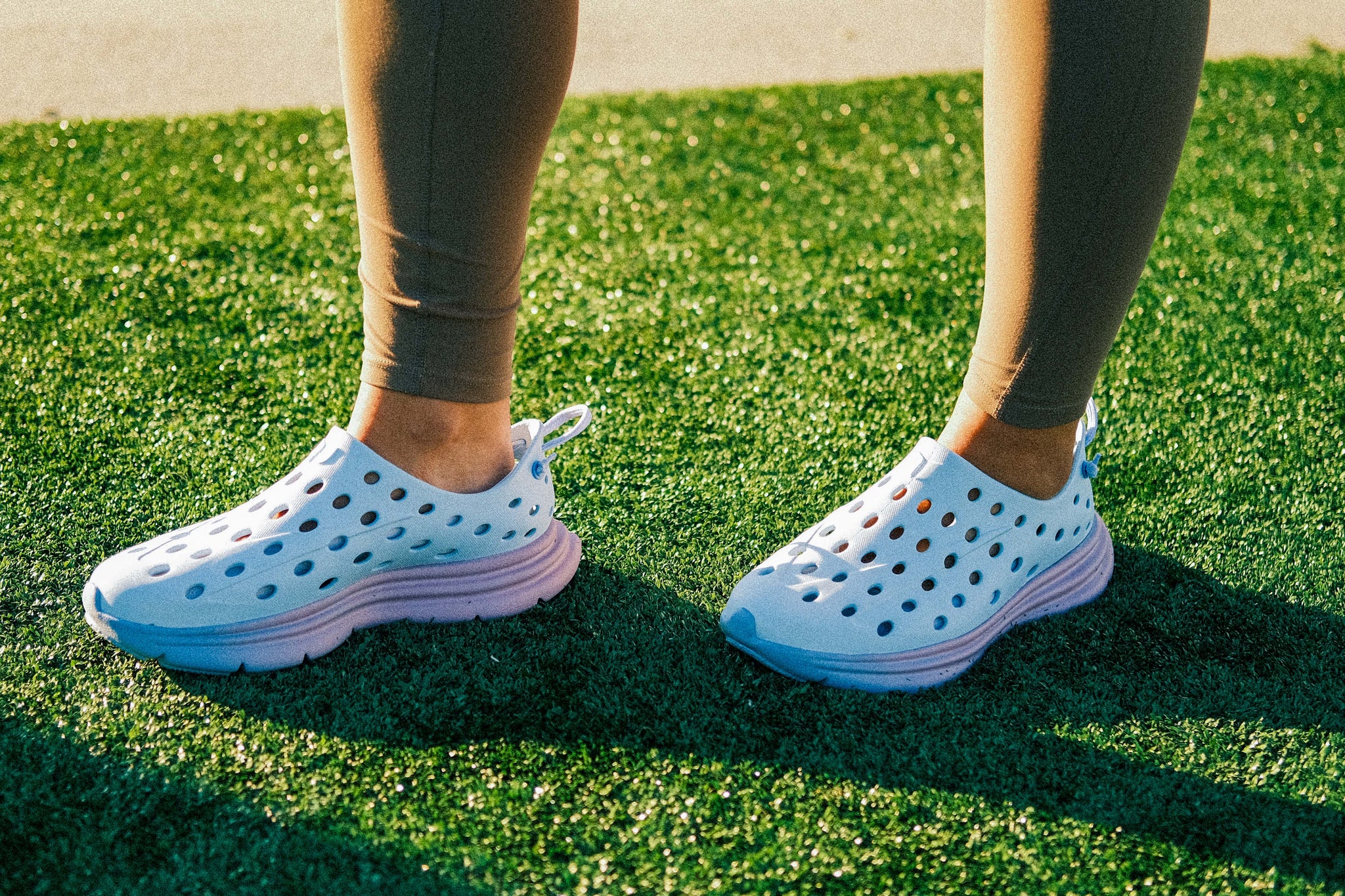
Investing in quality footwear is an investment in your long-term mobility and comfort. However, “investment” shouldn’t mean financial strain. Here is where professional knowledge unlocks value. First, understand that the higher initial cost of a premium toe walker shoe is often offset by its durability. These shoes are built with superior materials and construction techniques meant to last seasons, not months. Second, many private health insurance plans and Health Savings Accounts (HSAs/FSA) may cover part of the cost if the shoes are deemed medically necessary and prescribed by a doctor. A conversation with your healthcare provider and insurance company is a crucial step. Third, be strategic about sales. Many reputable retailers offer seasonal discounts, loyalty programs, or package deals when purchasing orthotics alongside shoes. Sign up for newsletters from specialist brands. Finally, consider the cost-per-wear metric. A $250 pair of boots worn nearly daily for two years breaks down to mere pennies per day of supported, pain-free movement—a value that far exceeds the fleeting satisfaction of a cheap, trendy, but unsupportive alternative. By marrying this knowledge with a keen eye for sales, you build a wardrobe of foundational pieces that serve your body and your budget.
The Final Step: A Philosophy of Confident Movement
The journey to finding the perfect toe walker shoes culminates in something far greater than an accessory. It is the embrace of a philosophy where self-care and self-expression are inextricably linked. This is not about “fixing” a walk but about honoring your body’s unique language and providing it with the tools to move through the world with grace and assurance. The right shoe becomes an extension of yourself—quietly competent, intelligently designed, and inherently stylish. It allows you to forget about your feet and focus on your life, your work, your conversations, and your adventures. In a culture obsessed with often-painful standards of beauty, choosing footwear that prioritizes biomechanical integrity is a radical act of self-respect. It signals a maturity of style that values longevity, comfort, and authenticity over hollow trends. So, take that step. Seek out the brands that understand this synergy. Consult the professionals who can guide you. And walk forward into a world where every step you take is a testament to effortless chic, defined not by others, but by your own supported, confident stride.
