

The Walking Shoe: Your Secret to Effortless Style and All-Day Comfort
In the rhythm of modern life, where every step counts, the choice of footwear transcends mere utility. It becomes a declaration of how we navigate our world—a balance between aesthetic expression and physiological necessity. The unassuming walking shoe stands at this crossroads, not as a compromise, but as a sophisticated solution engineered for the long haul. This is not about athletic performance or high-fashion statements that sacrifice well-being; it is about a foundational piece that supports your daily journey, allowing style and comfort to coexist without friction. The right pair is a silent partner in productivity and confidence, turning the mundane act of moving from place to place into an experience of sustained ease.
The Anatomy of All-Day Comfort: Beyond the Surface
To understand the magic of a superior walking shoe, one must look beneath the outer material. Comfort is not a vague feeling but a quantifiable outcome of biomechanical engineering. It begins with the midsole, often crafted from advanced materials like EVA (ethylene-vinyl acetate) foam or proprietary compounds such as Brooks’ DNA LOFT or Hoka’s Profly. These materials are designed for energy return and shock attenuation, dispersing the impact forces that travel up the skeletal system with each heel strike. According to research from the Spaulding National Running Center, affiliated with Harvard Medical School, proper cushioning can reduce peak loading rates, potentially decreasing stress on joints. The insole and footbed are equally critical, providing arch support that aligns with the foot’s natural plantar fascia. A study published in the Journal of Foot and Ankle Research emphasizes that medial arch support is a key factor in managing fatigue and preventing overpronation—a common issue that can lead to a cascade of discomfort from the feet to the lower back. The upper’s breathability, often using engineered meshes, ensures thermoregulation, while a secure yet non-constricting fit in the heel and forefoot prevents blisters and hotspots, allowing you to focus on your day, not on your feet.
Ergonomics in Motion: The Science of the Stride
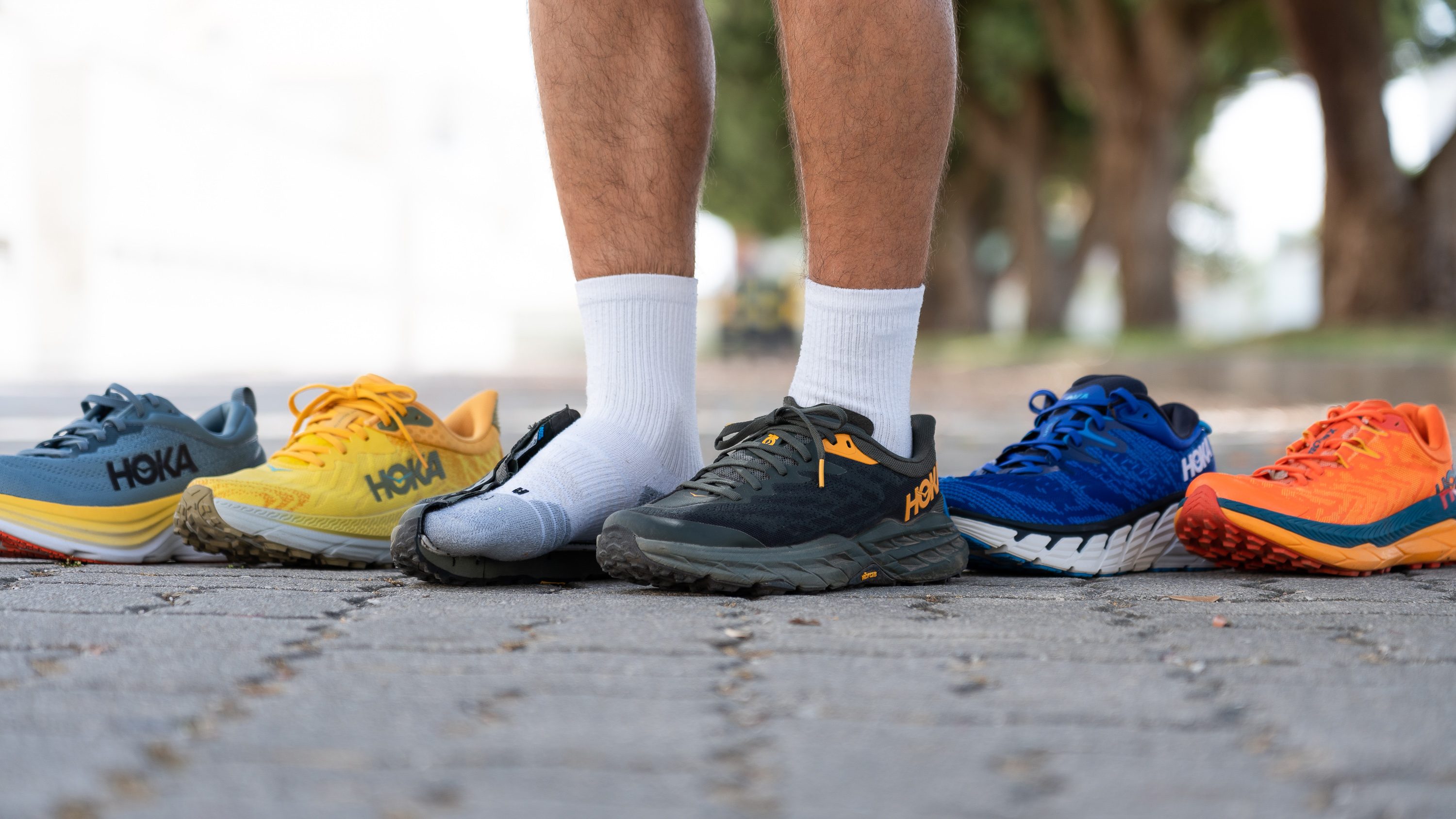
The human gait is a complex, repetitive motion. A shoe designed for walking must complement this specific biomechanics, which differs significantly from running. Walking involves a longer contact time with the ground and a more pronounced heel-to-toe roll. Therefore, flexibility at the forefoot is paramount to facilitate a smooth transition during the “toe-off” phase. A rigid sole can cause the calf muscles to overwork, leading to premature fatigue. Furthermore, the concept of the “rocking chair” geometry, pioneered by brands like Hoka, encourages a natural rolling motion, promoting efficiency. As noted by Dr. Casey Kerrigan, a former professor of physical medicine and rehabilitation at Harvard, “Shoes that are more flexible and have less of a heel lift allow for a more natural gait.” This scientific approach to design ensures that the shoe works with your body, not against it. The result is what we might call “effortless propulsion”—where each step feels initiated and completed with minimal conscious effort, conserving energy for the tasks that truly matter throughout your day.
Style Reimagined: The Aesthetic of Practicality
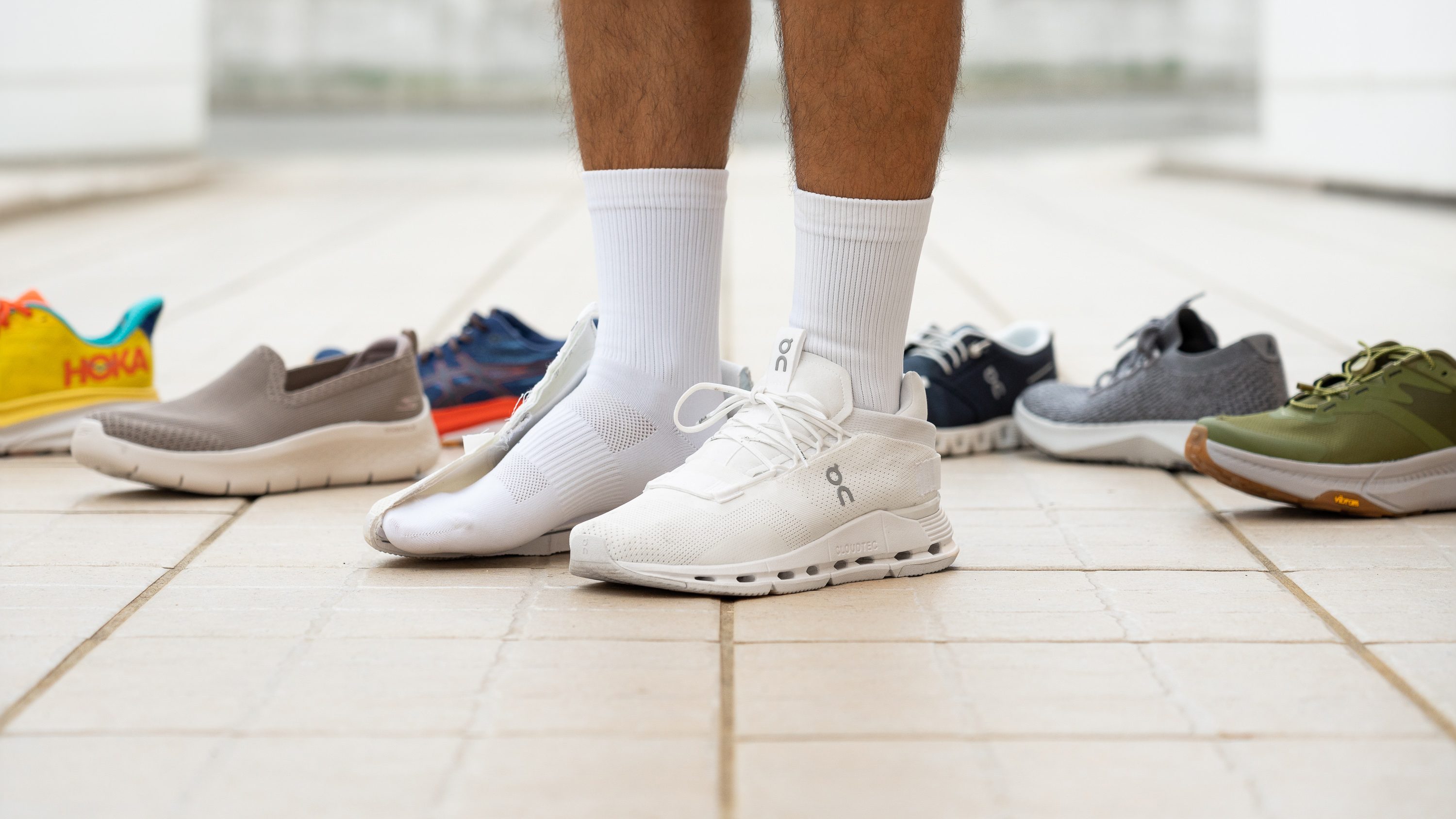
For too long, “comfortable shoes” conjured images of clunky, utilitarian designs divorced from contemporary fashion. That era is decisively over. Today’s leading walking shoe models are born from a design philosophy that views technical specifications and visual appeal as inseparable. The sleek profiles, minimalist color palettes, and thoughtful use of textures seen in brands like Allbirds, Cole Haan’s Grand series, or certain New Balance models demonstrate this fusion. They draw inspiration from the clean lines of modernist architecture and the understated elegance of athleisure, creating footwear that transitions seamlessly from a morning commute to a casual lunch meeting. This shift is echoed in cultural commentary. As fashion critic Tim Blanks has observed, “The street has become the runway, and what people actually wear to live their lives is the most relevant fashion.” The modern walking shoe answers this call, offering a silhouette that is both recognizable and refined, proving that you do not need to sacrifice visual coherence for physical comfort. It is an item that holds its own in a curated wardrobe.
The Testimonial of Experience: Voices from the Ground
Beyond laboratory data and design theory, the most compelling evidence comes from lived experience. On platforms like Quora and Reddit’s r/BuyItForLife, thousands of users—from nurses logging 12-hour shifts on hard hospital floors to travelers exploring cobblestone European cities—consistently praise specific walking shoes for their durability and comfort. The common thread in these anecdotes is the revelation of a pain-free day, a newfound willingness to walk instead of drive, and the disappearance of foot fatigue as a limiting factor. Celebrity endorsements, while often commercial, sometimes point to genuine adoption. For instance, television host and author Kelly Ripa has frequently mentioned her reliance on supportive sneakers for her hectic daily schedule, normalizing the idea that smart footwear is a tool for high-performance living, not a sign of surrender. These collective narratives form a powerful body of evidence: when footwear is engineered correctly, it becomes an enabler of a more active, engaged, and stylish life.
Investment and Care: The Long-Term Partnership
Acquiring the right walking shoe is an investment in your personal infrastructure. However, the relationship does not end at the purchase. Understanding the lifecycle of the shoe is crucial for sustained benefits. The cushioning materials in the midsole compress over time, losing their ability to absorb shock effectively. Most podiatrists and sports medicine experts, including those cited by the American Podiatric Medical Association, recommend replacing walking shoes every 300 to 500 miles. For a daily walker, this could mean every six to nine months. It is a small, periodic cost that prevents the much larger physical cost of joint strain or injury. To extend the shoe’s effective life, consider rotating between two pairs, allowing the foam to decompress fully between wears. Furthermore, matching the shoe to your specific foot type and gait—perhaps through a professional fitting at a specialty store—ensures the technology works as intended. This proactive approach to footwear is a form of self-care, akin to maintaining any other essential tool for daily living.
:max_bytes(150000):strip_icc()/when-should-i-replace-my-walking-shoes-3436325-0801-7a1840d83573471092e0380f9e230ecc.jpg)
Making the Choice: Where Knowledge Meets Value
Armed with this knowledge, the final step is selection. The market offers a spectrum, from maximalist cushioning to stable, supportive guides. The “best” shoe is the one that aligns with your individual biomechanics, aesthetic preference, and daily environment. Reputable retailers often provide detailed specifications on stack height, heel-to-toe drop, and arch support type. Look for models that have been awarded the APMA (American Podiatric Medical Association) Seal of Acceptance, indicating they have been found beneficial to foot health. While premium walking shoe models from brands like Hoka, Brooks, or ASICS may carry a higher initial price tag, their value is realized over hundreds of miles of reliable service. Savvy shoppers can find significant value by purchasing previous seasons’ colorways, shopping during major sales events, or using price comparison tools online. The goal is to translate professional knowledge into an accessible, personal advantage—securing a tool that elevates your daily experience without undue financial strain.
The pursuit of a shoe that delivers both effortless style and all-day comfort is not a trivial matter. It is a conscious decision to optimize a fundamental aspect of our daily existence. By choosing footwear grounded in biomechanical science, crafted with thoughtful design, and validated by real-world experience, we empower our own mobility. The right walking shoe is more than an accessory; it is the foundation upon which a dynamic, comfortable, and confidently styled day is built. Let your next step be your most informed one.
