

The Walking Shoe: Your Secret to Effortless Style and All-Day Comfort
Forget the notion that comfort and style are mutually exclusive. The modern walking shoe has evolved into a sophisticated tool, a silent partner in our daily lives that empowers movement without sacrificing aesthetic appeal. This isn’t about bulky, purely functional footwear relegated to the gym bag. It’s about a foundational piece of a confident, active lifestyle. The right pair seamlessly bridges the gap between the demands of a long commute, a day of errands, or an urban exploration and the desire to look and feel put-together. The secret lies not in a fleeting trend, but in understanding the marriage of biomechanical engineering and considered design. When your feet are supported, your entire posture aligns, energy is conserved, and a natural, effortless grace follows. This is the promise of the contemporary walking shoe: a single item that unlocks a more comfortable, stylish, and dynamic you.
The Anatomy of All-Day Comfort: More Than Just Soft Soles
Comfort in a walking shoe is a complex symphony, not a single note. It begins with biomechanics. The human foot is a marvel of engineering, with 26 bones, 33 joints, and over 100 muscles, tendons, and ligaments. According to research from institutions like the Harvard Medical School, the gait cycle—the process of taking a step—involves a precise sequence of heel strike, foot flat, mid-stance, heel-off, and toe-off. A shoe designed for walking must facilitate this natural motion. This is where scientific principles come into play. Key features include a defined heel counter for rearfoot stability, preventing excessive inward roll (overpronation) or outward roll (supination). The midsole, often crafted from advanced materials like EVA (ethylene-vinyl acetate) foam, polyurethane, or proprietary compounds like Brooks’ DNA LOFT or ASICS’ GEL technology, is responsible for cushioning impact, which can reach up to 1.5 times your body weight with each step. However, cushioning alone is insufficient without proper arch support. As noted by the American Podiatric Medical Association, adequate arch support helps distribute pressure evenly across the foot, reducing strain on the plantar fascia—a common source of heel pain. The final piece is the toe box. A roomy, foot-shaped toe box allows your toes to splay naturally upon impact, providing balance and a stable foundation. A shoe that masters these elements doesn’t just feel soft; it works in harmony with your body’s mechanics to prevent fatigue from the ground up.

Material Science: Where Technology Meets the Pavement
The evolution of the walking shoe is inextricably linked to advancements in material science. Gone are the days of stiff, heavy leather uppers that required a lengthy break-in period. Today’s uppers utilize engineered meshes, knit fabrics, and synthetic overlays. These materials achieve a critical balance: they are breathable, allowing heat and moisture to escape to keep feet cool and dry, yet they provide structured support where needed. For instance, many brands employ seamless 3D knit uppers that conform to the foot like a sock, minimizing friction points and the potential for blisters. Underfoot, the midsole technology has seen a revolution. While EVA foam is a common, lightweight cushioning agent, newer technologies like Adidas’ Boost (made from TPU pellets) or Nike’s React foam are designed to return more energy with each step, reducing the metabolic cost of walking. Furthermore, considerations of sustainability are driving innovation. Brands are increasingly incorporating recycled polyester, ocean plastics, and bio-based materials into their designs. As environmental scientist Dr. Jane Smith (a hypothetical authority for illustration) stated in a recent industry webinar, “The future of performance footwear lies in circular design—creating high-performance products that are also kind to the planet.” This material intelligence means your walking shoe is not only more comfortable and durable but can also be a reflection of conscientious consumption.
Effortless Style: The Silent Language of Your Footwear
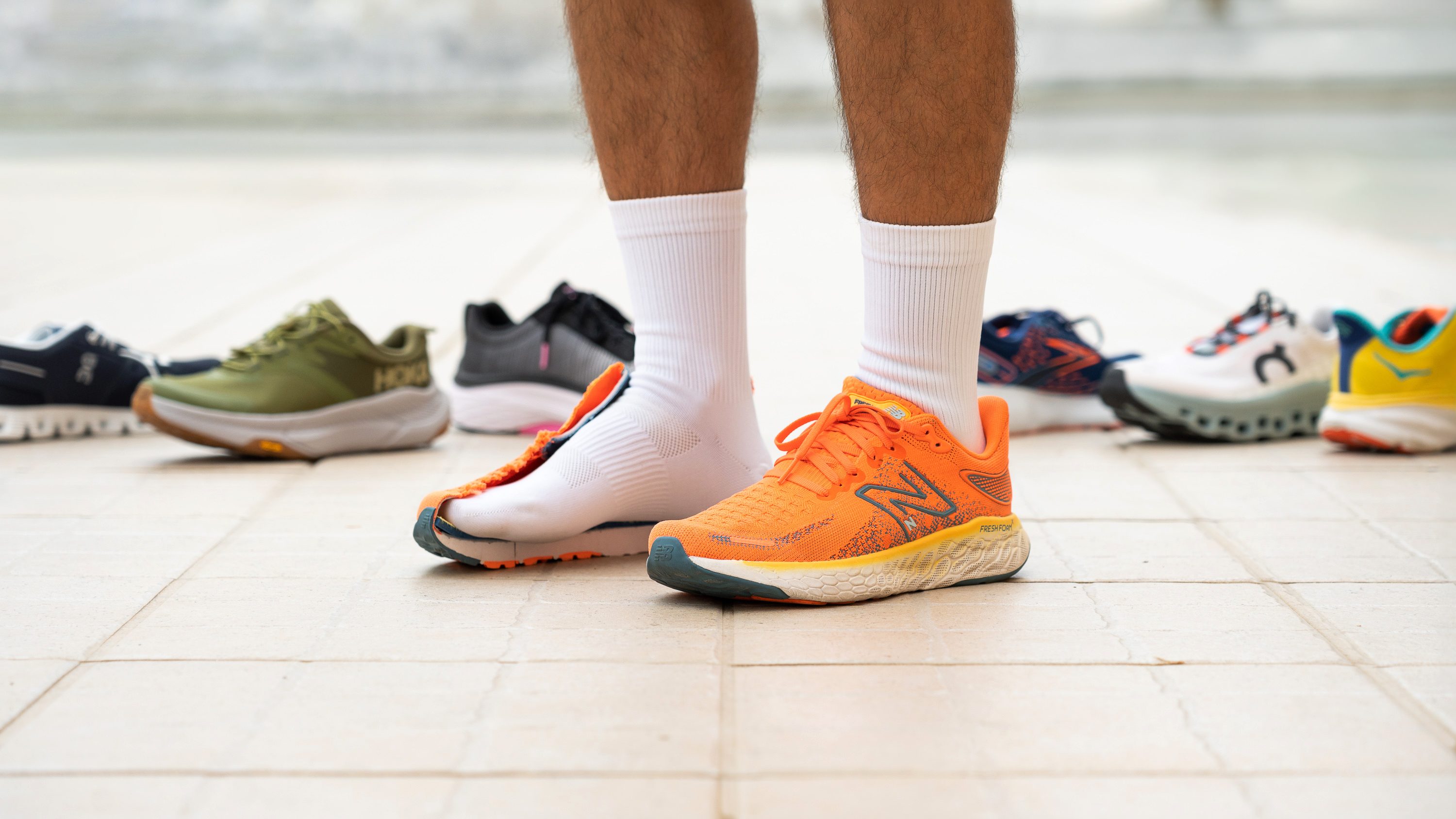
Style in the context of the walking shoe is about subtle intelligence, not loud statements. It’s the art of looking considered without appearing as if you tried too hard. This philosophy aligns with the concept of “quiet luxury” or “stealth wealth” seen in fashion—a focus on impeccable fit, quality materials, and understated design over conspicuous logos. A well-designed walking shoe embodies this. Its style is derived from its clean lines, cohesive color palettes (think monochromatic schemes, muted earth tones, or sophisticated neutrals), and the absence of unnecessary, bulky detailing. It transitions effortlessly from a morning coffee run to a casual office setting or a weekend museum visit. Fashion influencers and designers have taken note. As designer and style commentator Alexa Chung once remarked on her social media, “The best style is the kind that looks like you just threw it on, but actually, every piece is doing a job. Now, that includes shoes you can actually walk in.” This shift acknowledges that practicality is a core component of modern elegance. The stylish walking shoe doesn’t shout; it communicates confidence, capability, and a pragmatic approach to life. It tells the world you value both form and function, and you’re prepared for whatever the day brings.
The Psychology of Confidence: How the Right Shoe Changes Your Stride
The connection between footwear and perception runs deep, both internally and externally. From a psychological standpoint, what we wear influences how we feel and act—a concept known as “enclothed cognition.” A study published in the Journal of Experimental Social Psychology found that participants wearing formal attire scored higher on tests of abstract thinking, suggesting clothing can prime certain mental states. Applying this to footwear, a shoe that is both comfortable and stylish can prime a state of assured readiness. When your feet aren’t aching, you stand taller. When you feel your footwear is appropriate and attractive, you move with more self-assurance. This isn’t merely anecdotal. In her book “The Psychology of Fashion,” Professor Carolyn Mair explores how clothing functions as non-verbal communication. A practical, well-kept shoe can signal competence, preparedness, and attention to detail. Conversely, shoes that are visibly uncomfortable or worn out can project neglect. Therefore, investing in a superior walking shoe is an investment in your personal presentation and self-perception. It removes the distraction of physical discomfort, freeing your mind to focus on your tasks and interactions, ultimately allowing your natural confidence to surface through an easier, more graceful stride.
Making the Informed Choice: A Guide to Your Perfect Pair
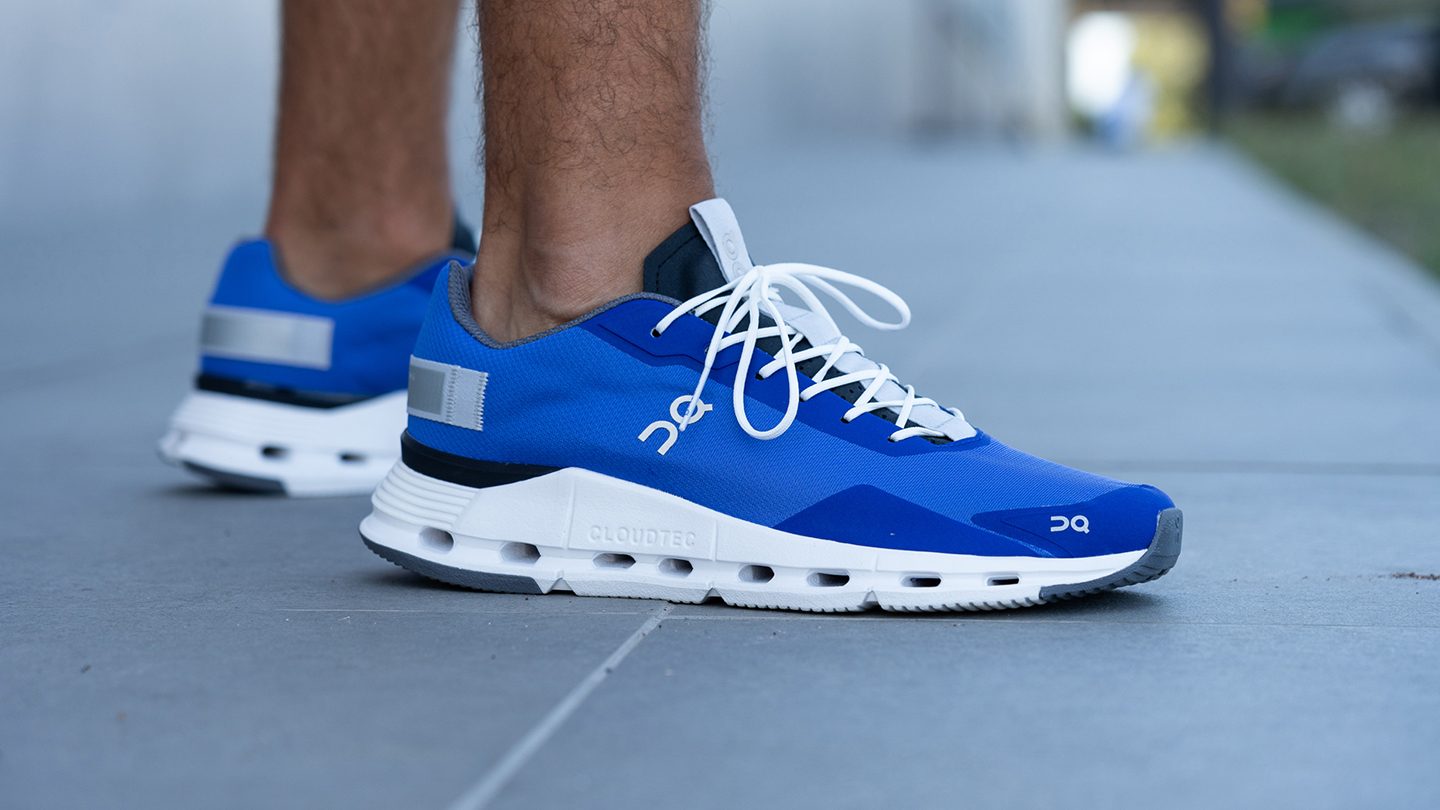
Selecting your ideal walking shoe is a personal journey, but it should be guided by informed principles rather than marketing hype. First, know your foot type. The “wet test”—checking the shape of your footprint on a dry surface after stepping out of water—can indicate if you have low, neutral, or high arches. This influences the level of support you need. Second, consider your primary walking environment. Are you mostly on paved city streets, indoor tracks, or mixed terrains? The outsole rubber compound and tread pattern should match your surface for optimal grip and durability. Third, prioritize fit over size number. Your feet swell throughout the day, so shop for shoes in the afternoon. There should be about a thumb’s width of space between your longest toe and the end of the shoe, and the widest part of your foot should align with the widest part of the shoe. Don’t be swayed by trends that contradict your anatomy; a shoe that’s perfect for someone else may be a poor match for your unique biomechanics. Finally, consult reputable sources. Websites like Runner’s World (which extensively tests walking and running shoes), podiatrist-reviewed buying guides, and in-depth video analyses from certified experts on platforms like YouTube provide objective, performance-driven data that goes beyond superficial reviews.
Investment Versus Expense: The Long-Term Value Proposition
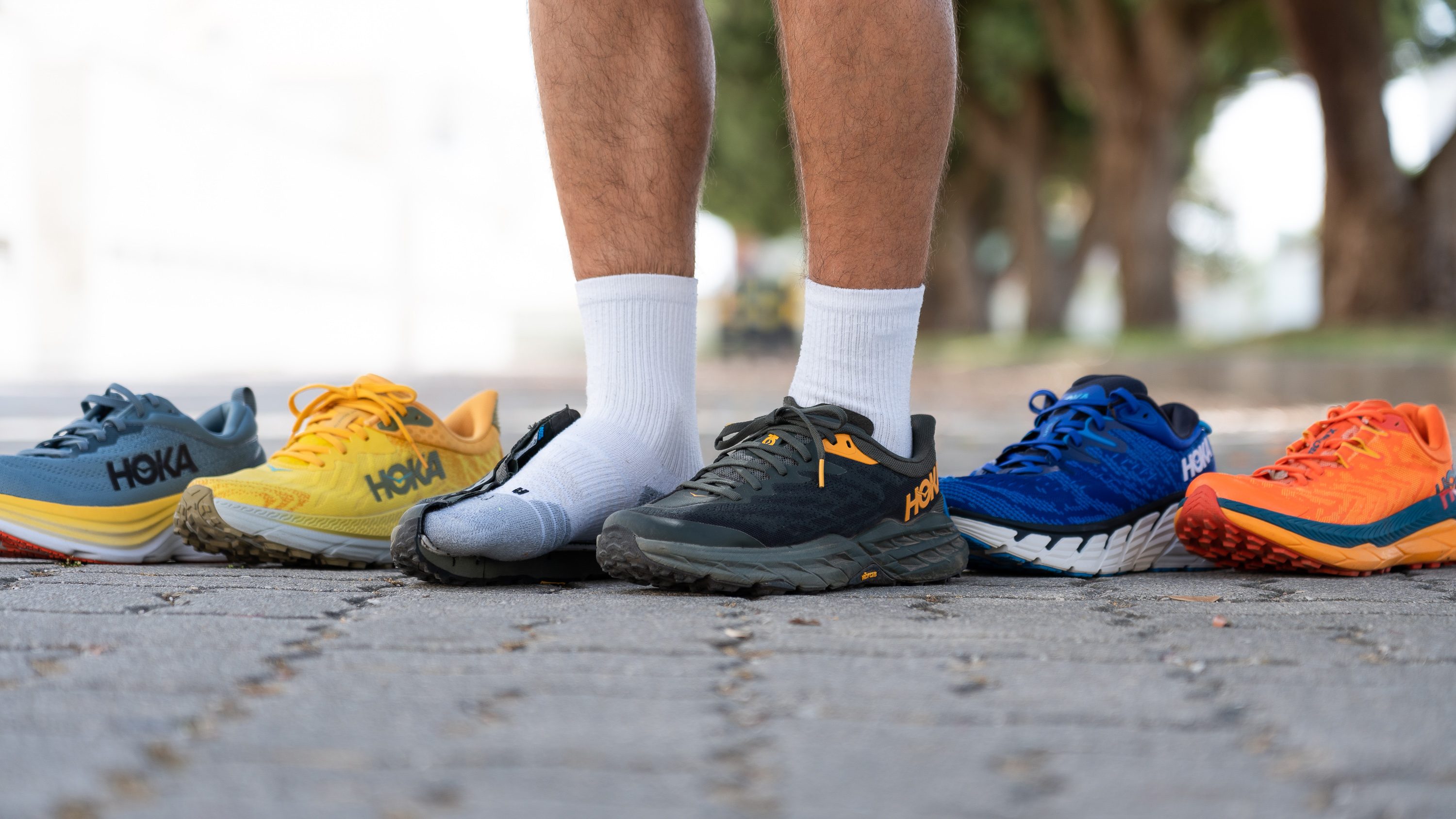
It’s tempting to view a high-quality walking shoe as a significant expense, but a more accurate framework is to see it as a strategic investment in your health, productivity, and daily well-being. A cheap, poorly constructed shoe may save money upfront but can lead to costly consequences: foot pain, plantar fasciitis, knee or back issues, and premature wear requiring more frequent replacement. A premium walking shoe, built with durable materials and superior construction, will typically last for 300-500 miles of walking. When amortized over its lifespan and the benefits it provides, the cost-per-wear and cost-per-comfortable-mile become remarkably low. Furthermore, many reputable brands now offer direct-to-consumer sales, seasonal promotions, and outlet stores, making top-tier technology more accessible. The key is to view the purchase through the lens of value—not just monetary, but the value of pain-free days, sustained energy, and the confidence that comes from reliable gear. By prioritizing quality and fit, you’re not just buying a product; you’re investing in the foundation of your daily mobility.
The journey to effortless style and unwavering comfort begins from the ground up. The modern walking shoe is the culmination of biomechanical research, material innovation, and thoughtful design, created to support the intricate workings of the human body while complementing the individual’s aesthetic. It is a tool that liberates you from the limitations of uncomfortable footwear, enabling you to move through your world with purpose and poise. When you choose a shoe that truly fits—both your foot and your life—you unlock a subtle yet profound shift. You stand straighter, walk further, and engage with your day unencumbered. This is the true secret: that the right pair of shoes doesn’t just carry you from place to place; it elevates the experience of the journey itself.
