

The Walking Shoe: Your Secret to Effortless Style and All-Day Comfort
Let’s be honest: for years, shoes have forced us to choose. On one side, there’s style—sharp silhouettes that command attention but often whisper threats of blisters by noon. On the other, there’s comfort—clunky, technical-looking footwear that prioritizes your feet but forgets your wardrobe. This false dichotomy ends now. The true secret to navigating modern life isn’t found in a fleeting trend or a medical device masquerading as footwear. It’s found in a singular, revolutionary category: the walking shoe. This isn’t just about a product; it’s about a philosophy of living where you refuse to compromise. The perfect walking shoe is the unsung hero of a well-lived day, the foundation upon which confidence, energy, and personal style are built. It is the key that unlocks a world where you can stride from a morning meeting to an afternoon errand to an evening stroll without a second thought to your feet. This article is your guide to understanding why this category is non-negotiable and how to find the pair that seamlessly blends objective engineering with subjective elegance.
The Anatomy of All-Day Comfort: It’s Not Magic, It’s Science
To dismiss a superior walking shoe as merely “cushiony” is to misunderstand centuries of biomechanical research. True comfort is a precise orchestration of materials and geometry designed to work in harmony with the human body. Let’s dissect the critical components. First, the midsole cushioning. This isn’t just foam; it’s a carefully formulated compound, often utilizing technologies like EVA (Ethylene-Vinyl Acetate) or advanced polyurethanes, engineered to provide a specific balance of energy return and shock absorption. As Dr. Casey Kerrigan, a former Harvard Medical School professor and founder of a biomechanics research company, has extensively documented, proper cushioning reduces the peak impact forces traveling up your legs and spine with each step, which can be 1.5 to 3 times your body weight. This isn’t about softness alone—it’s about responsive softness that propels you forward, reducing muscular fatigue. Second, we have the often-overlooked heel counter. This is the firm cup that cradles your heel. A study published in the Journal of Orthopaedic & Sports Physical Therapy emphasized its role in controlling excessive rearfoot motion, a primary contributor to conditions like plantar fasciitis. A sturdy heel counter provides stability, ensuring your foot lands and pushes off in an efficient, aligned manner. Finally, the toe box. Following the principles popularized by resources like Wikipedia’s entry on “Footwear,” a spacious, foot-shaped toe box allows your toes to splay naturally upon landing. This not only enhances balance and propulsion but also prevents the neuromas and bunions caused by chronic compression. A true walking shoe integrates these elements not as isolated features, but as a unified system protecting your most fundamental mode of transport: walking.
From Pavement to Park: The Versatility Imperative
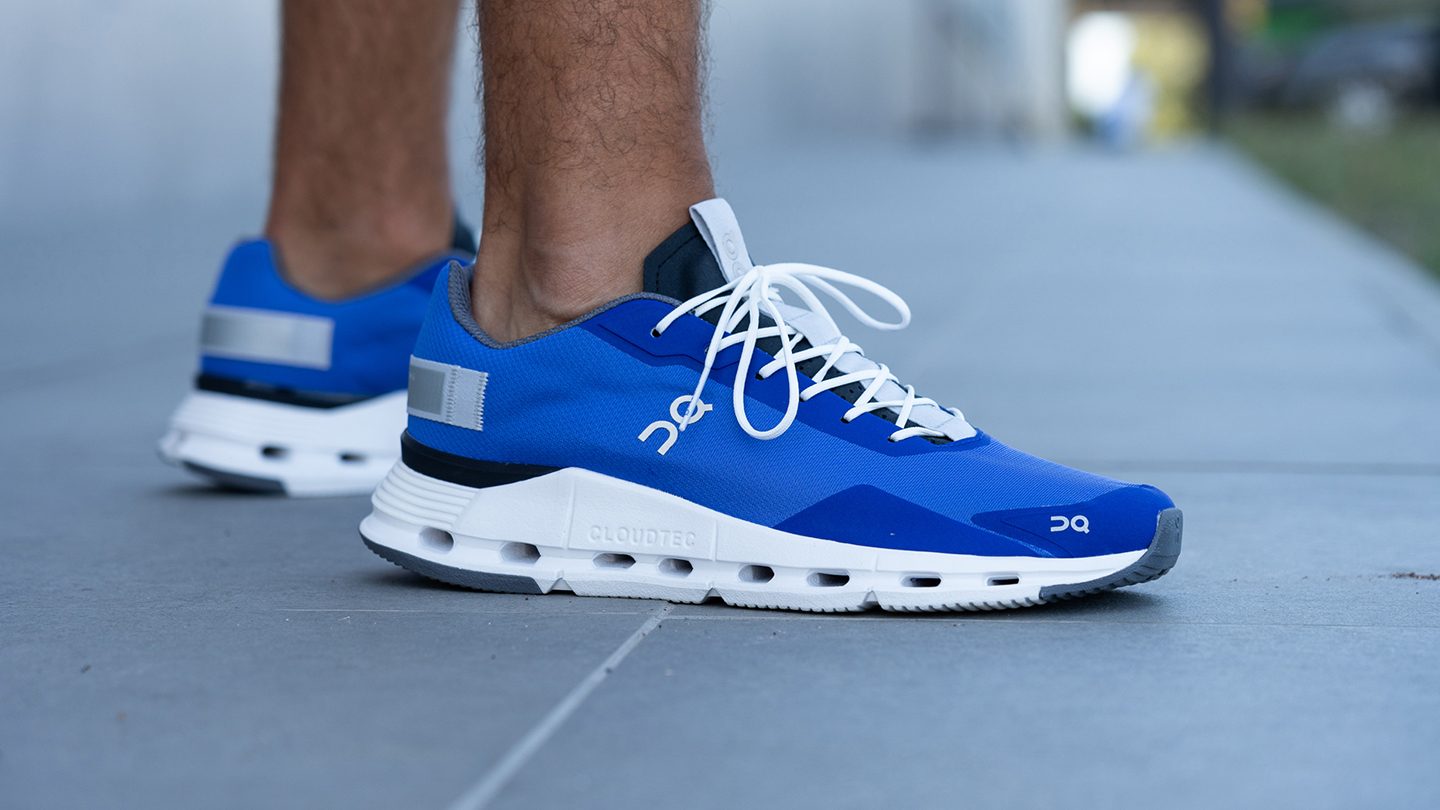
The modern urbanite doesn’t live a segmented life, and neither should their footwear. The archetype of the “dad shoe” or the purely athletic sneaker is obsolete. Today’s walking shoe must possess a chameleonic quality. This versatility is born from intelligent design. Consider the outsole. A high-quality walking shoe will feature a rubber compound with a multi-directional tread pattern—not the deep, aggressive lugs of a hiking boot, but a subtle, flexible configuration that provides reliable grip on wet sidewalks, polished office floors, and gravel park paths alike. The upper material is equally crucial. The days of stiff, sweaty leather are gone. We now see engineered knits, breathable meshes, and sustainable microfiber suedes that offer structure without rigidity. They adapt to your foot’s movement, provide ventilation, and maintain a clean, sophisticated profile. This design philosophy echoes the sentiment of renowned designer Tinker Hatfield, the mind behind iconic Nike silhouettes, who famously stated that design should solve problems for the athlete (or, in this case, the walker) while connecting emotionally. A versatile walking shoe solves the problem of multiple environments while connecting with your personal aesthetic. It pairs as effortlessly with tailored chinos as it does with technical joggers, dismantling the outdated boundary between “dress” and “casual.” This isn’t a compromise; it’s an elevation. It’s the understanding that being prepared for the day’s physical demands should not come at the cost of looking and feeling your best.
The Longevity Equation: Investing in Your Foundation
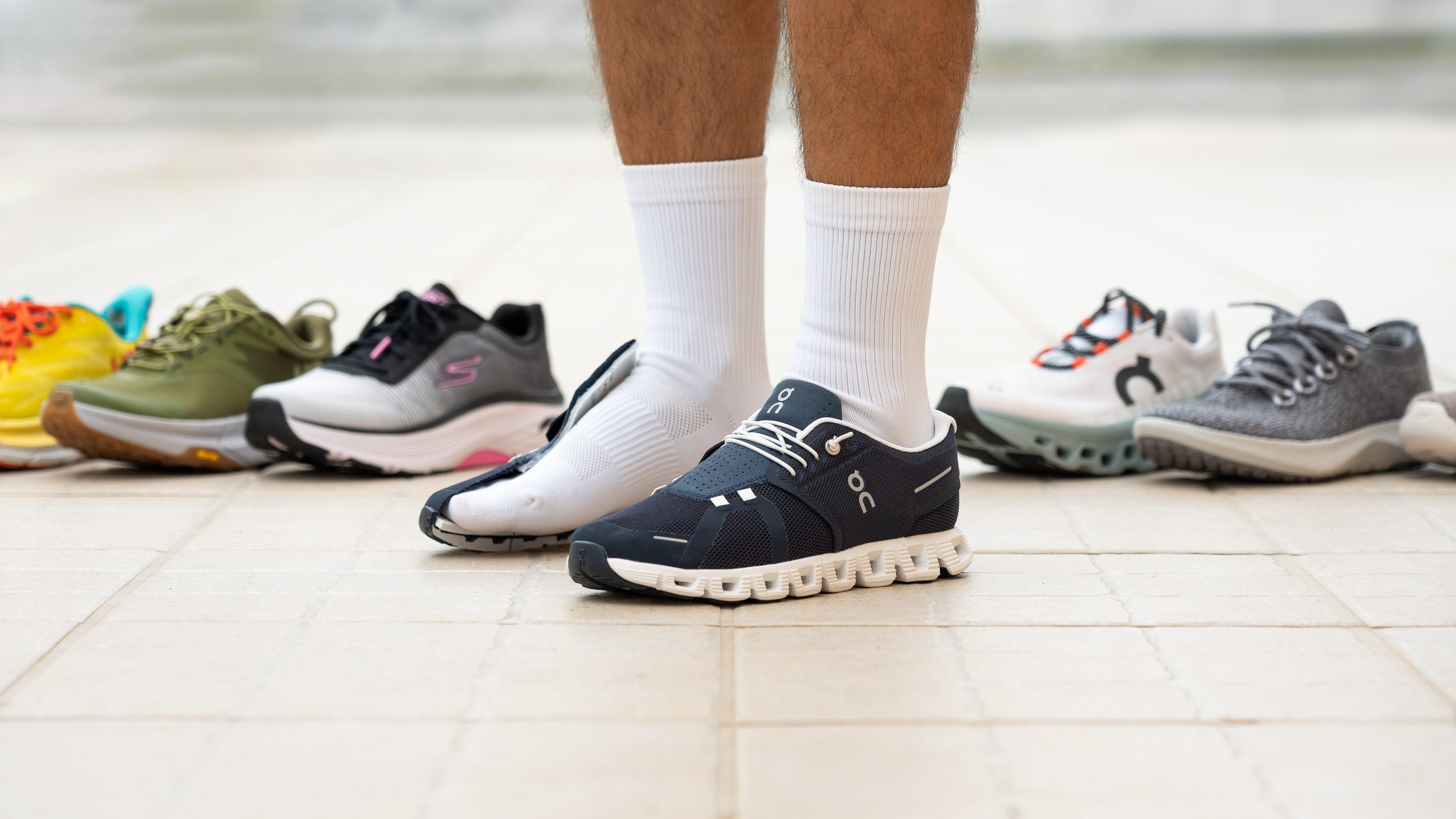
In an era of fast fashion, we’ve been conditioned to see shoes as disposable. This is a costly mistake, both financially and physiologically. A well-constructed walking shoe is an investment in your long-term well-being, and its value is measured in miles, not months. The science of shoe degradation is clear. The American College of Sports Medicine notes that the midsole cushioning, the very heart of comfort, compresses and loses its resiliency long before the upper shows visible wear. Typically, this critical support fails after 300-500 miles of use. Continuing to wear shoes beyond this point is akin to driving a car with worn-out shock absorbers; you’re exposing your joints to unnecessary, damaging stress. How do you identify quality that endures? Examine the construction. Shoes described as “board-lasted” or “combination-lasted” generally offer greater stability and longevity than simpler “slip-lasted” ones. Look for reinforced stitching at stress points, such as where the upper meets the sole (the “welt” area), and high-abrasion rubber in key wear zones like the heel and forefoot. A reputable brand will often use proprietary, durable compounds for their outsoles, like Michelin rubber or similar high-grade materials. As author and minimalist living advocate Marie Kondo might ask, does this shoe “spark joy” not just on day one, but on day one hundred? A true investment piece should. It should mature, mold to your foot, and remain a reliable companion. Choosing durability is a statement against waste and a commitment to sustained comfort, ensuring your secret weapon remains effective far longer than a seasonal trend.
:max_bytes(150000):strip_icc()/when-should-i-replace-my-walking-shoes-3436325-0801-7a1840d83573471092e0380f9e230ecc.jpg)
Your Foot’s Unique Blueprint: Why Fit is Non-Negotiable
Perhaps the most perilous myth in footwear is the idea of a universal “true size.” Your foot is as unique as your fingerprint, characterized by its arch type (high, neutral, or low), width, and even the length discrepancy between your left and right foot. Ignoring this blueprint is the fastest route to discomfort. The consequences of a poor fit are documented across medical literature and countless personal testimonials on platforms like Quora and Reddit’s r/running communities. A shoe that’s too narrow can lead to ingrown toenails and neuromas. A shoe that’s too long allows your foot to slide, creating friction blisters. A lack of proper arch support for a low-arched (overpronating) foot can cause the arch to collapse inward with each step, straining the plantar fascia and the tibialis posterior tendon. The solution is professional fitting. This doesn’t just mean using a Brannock Device. It means understanding your gait, often through a simple wet foot test or, better yet, a gait analysis at a specialty store. It means trying shoes on at the end of the day when your feet are naturally slightly swollen. It means ensuring a thumb’s width of space between your longest toe and the end of the shoe. The renowned running coach and author, Jack Daniels, Ph.D., emphasized in his writings that the single most important piece of equipment is a properly fitted shoe. This wisdom applies doubly to walking, our most fundamental activity. The right fit transforms a shoe from an inanimate object into a seamless extension of your body.
Where Knowledge Meets Value: Your Path Forward
Armed with this knowledge of biomechanics, versatility, longevity, and fit, you are no longer a passive consumer. You are an informed individual seeking a tool for a better quality of life. The market is vast, but your criteria are now clear. Seek out brands that transparently discuss their technologies—be it Brooks’ DNA LOFT cushioning, known for its soft yet resilient ride, or the adaptive support systems in shoes from ASICS or New Balance. Read reviews from trusted sources that perform objective wear-testing, not just unboxings. And critically, understand that value is not synonymous with the lowest price. Value is the cost per mile of comfortable, supported, and stylish travel. Investing in a quality pair of walking shoes from a reputable retailer often means access to expert fitting advice, generous return policies that allow for real-world testing, and direct access to the latest models and technologies. Many of these retailers also offer significant discounts on previous seasons’ colorways or through member programs, making top-tier engineering accessible. The goal is to bring this professional knowledge directly to you, empowering you to make a choice that feels right for your body and your budget. The perfect shoe is out there, waiting to become the silent, steadfast partner in every step of your journey.
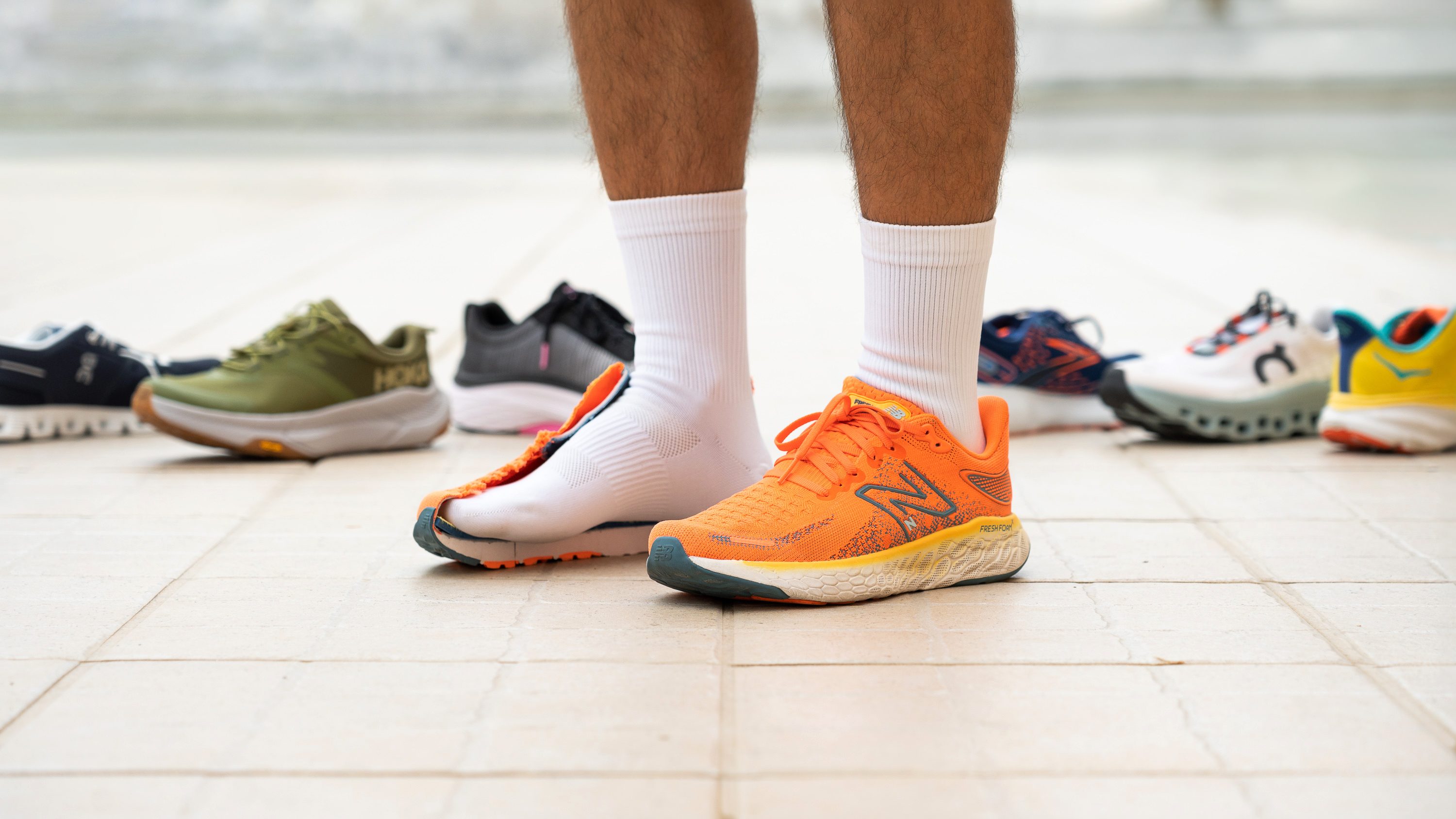
The search for a single shoe that masters both form and function is over. It exists in the intelligent, purpose-built category of the modern walking shoe. This is the secret weapon for the individual who moves through the world with intention. It is the confidence of knowing your feet are protected by science, the freedom of seamless transitions between life’s compartments, and the quiet style that comes from pieces designed with integrity. Stop choosing between comfort and style. Embrace the synergy. Your journey toward effortless days begins from the ground up. Lace up the right pair, and step into a world where every destination feels within reach.
