

Effortless Style for Every Occasion
Style is not a uniform to be donned with strain, but a language spoken through choices that feel intuitively right. It is the quiet confidence of knowing an outfit aligns perfectly with both the event and the self. This concept of effortlessness transcends fleeting trends; it is built on a foundation of understanding key pieces, their psychological impact, and their versatile application. From a boardroom presentation to an evening gala, the principles remain the same: intentionality, authenticity, and the strategic use of detail. This exploration delves into the architecture of such style, moving beyond subjective opinion to incorporate perspectives from design theory, social psychology, and cultural commentary. We will dissect the elements that compose a resilient and adaptable wardrobe, proving that true elegance is not about having endless options, but about mastering a curated selection.
The Psychology of the Signature Element: More Than an Accessory
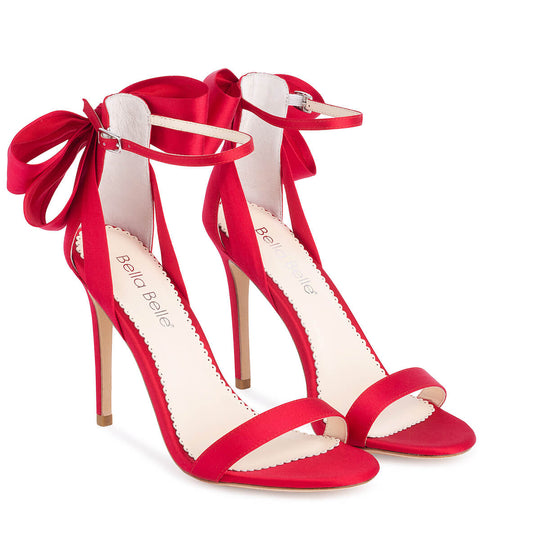
Every enduring style narrative often features a signature element—a recurring motif that becomes synonymous with the wearer’s identity. This is not mere branding, but a psychological anchor. As fashion psychologist Dr. Dawnn Karen outlines in her “Dress Your Best Life” philosophy, what we wear directly influences our cognitive processes, a phenomenon known as “enclothed cognition.” A consistent, beloved detail can serve as a sartorial talisman, boosting confidence by providing a familiar point of self-reference amidst changing environments. Consider the cinematic elegance of Audrey Hepburn’s little black dress in Breakfast at Tiffany’s or the authoritative consistency of Steve Jobs’ black turtleneck. These choices eliminated daily decision fatigue, allowing focus to remain on performance and presence. In the realm of footwear, a pair of bow red heels can function precisely as such a signature. The bold hue, as documented in color theory studies from institutions like the University of British Columbia, is frequently associated with attention, energy, and confidence. The bow adds a dimension of classic femininity and deliberate craftsmanship. Together, they create a powerful statement piece that, when integrated into a personal uniform, transitions seamlessly from a professional setting when paired with a tailored sheath dress to a romantic dinner when combined with a sleek jumpsuit. The repeated wear of such an element, like those iconic bow red heels, builds a personal brand that is instantly recognizable and deeply authentic.
Deconstructing Versatility: The Science of Contextual Adaptation
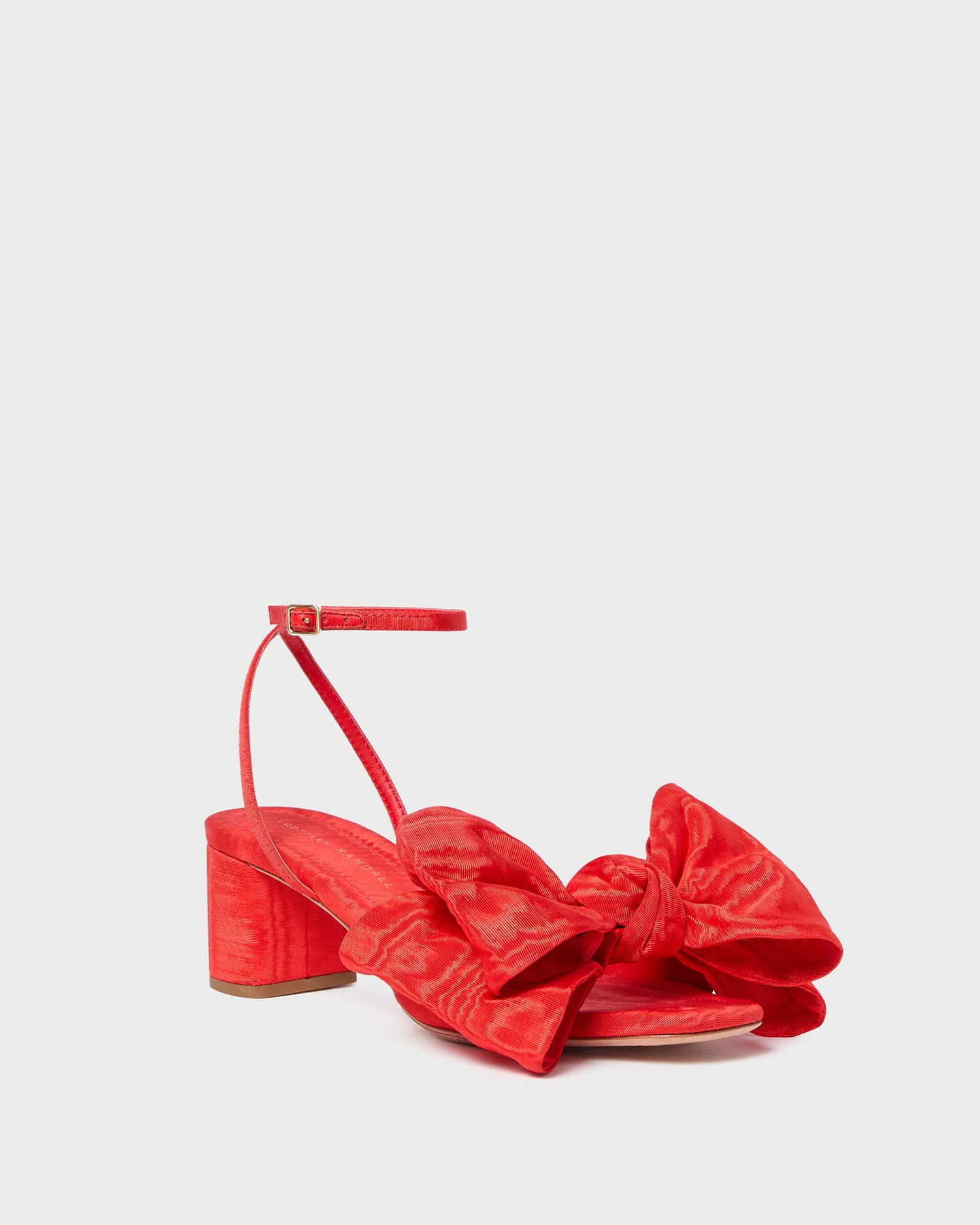
Versatility is the cornerstone of effortless style. A garment’s true value is measured not in its cost per wear, but in its chameleon-like ability to adapt to diverse contexts. This requires an analytical approach to design elements. Fabric is paramount; natural fibers like wool crepe, high-grade cotton, and silk possess inherent dignity and drape, allowing them to look appropriate in formal and smart-casual settings alike. Silhouette follows next; clean lines and tailored fits, as championed by designers from Cristóbal Balenciaga to modern-day Phoebe Philo, communicate professionalism and intention without uttering a word. The magic, however, often lies in the strategic detail—the element that pivots the outfit’s narrative. This is where a distinctive accessory proves its worth. A pump, for instance, is a wardrobe staple. But a pump adorned with a bow red heels detail is a conversation piece. The shoe’s fundamental shape maintains professionalism, while the bold color and decorative bow introduce personality and flair. This aligns with the “third piece rule” often cited by stylists, which posits that an outfit is elevated beyond basics by a standout third element. From the perspective of renowned fashion website Who What Wear, investment in such transformative pieces is the key to a dynamic yet manageable closet. A single pair of bow red heels can de-formalize a strict pantsuit for a client lunch, elevate a simple black dress for a theater date, and add a punch of confident color to denim for a weekend brunch. This multifunctionality is not accidental; it is the result of selecting items whose design intelligence allows them to communicate differently depending on their sartorial context.
Objective Foundations: What Authorities Say About Key Components
To move beyond personal taste, let’s ground our discussion in externally recognized viewpoints. The power of red, for example, is not a fashion myth. Research published by the American Psychological Association has shown that the color red can enhance attraction and perceived status, a phenomenon observed across cultures. In her book Color: A Natural History of the Palette, Victoria Finlay explores red’s historical association with power, from Roman magistrates to modern power ties. The bow, as a motif, carries its own weight. According to design entries on Wikipedia, the bow has been a symbol of gift, celebration, and ornamentation for centuries, evolving in fashion from extravagant Rococo gowns to the minimalist elegance of a Chanel shoe. When these two elements converge, the result is an object loaded with semiotic meaning. Fashion historian Dr. Valerie Steele, director of The Museum at FIT, has often discussed how footwear acts as a focal point for cultural fantasies and social signaling. A statement shoe, therefore, is rarely just a shoe. Furthermore, the concept of a “capsule wardrobe,” popularized by London boutique owner Susie Faux in the 1970s and later globalized by Donna Karan’s “Seven Easy Pieces,” provides the theoretical framework for the versatile use of such items. The philosophy advocates for a limited collection of interchangeable, high-quality items that work cohesively together. Within such a capsule, a pair of bow red heels acts as the high-impact variable, the piece that prevents the minimalist system from feeling sterile or repetitive, injecting consistent vibrancy and character.
The First-Person Experience: Curating Confidence
Let me speak from personal experience. For years, my wardrobe was a collection of disparate trends, each purchase representing a momentary desire rather than a strategic addition. The shift towards effortlessness began with a single, deliberate choice: investing in a pair of impeccably crafted bow red heels. This was not an impulsive buy, but a selection process involving research on leather quality, heel geometry for all-day comfort, and the precise shade of red that felt both powerful and wearable. The immediate effect was psychological. Putting them on before an important meeting created a sense of “armor”—not in an aggressive sense, but as a feeling of being fully composed and ready. Over time, these shoes became my sartorial exclamation point. I’ve worn them with wide-leg, cream-colored trousers and a crisp white blouse for a day of presentations, the red peeking out with each step as a quiet reminder of my prepared confidence. I’ve paired them with a simple midnight-blue slip dress for an anniversary dinner, where they felt effortlessly romantic under soft lighting. The versatility astounded me. They taught me that effortlessness is born from familiarity and trust in one’s choices. You learn how an item moves with you, how it complements other pieces in your arsenal, and how it makes you feel. This repeated, successful deployment builds a sartorial intuition that makes getting dressed a swift, confident act rather than a daily dilemma.
Beyond the Shoe: Building the Cohesive System
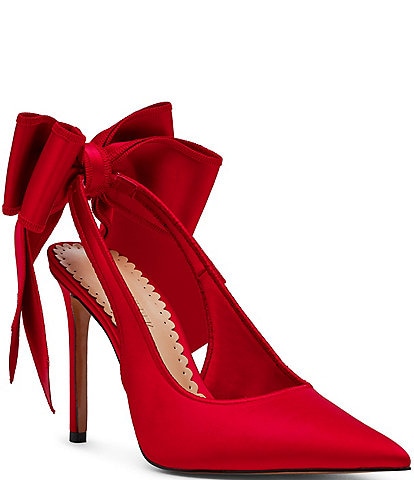
Of course, no single item, no matter how perfect, exists in a vacuum. Effortless style is a holistic system. The true power of a focal point like bow red heels is unlocked by a supporting cast of foundational pieces. This involves cultivating a neutral palette—think blacks, navies, ivories, taupes, and grays—that allows your signature element to shine without competition. Fabric harmony is crucial; pairing the sleek satin or patent leather of a heel with luxurious fabrics like cashmere, silk, or fine wool creates a unified texture story. Proportion and balance complete the picture. If the shoe is a detailed, vibrant statement, the clothing silhouettes often benefit from cleanliness and simplicity. A well-fitted blazer, a pair of straight-leg jeans, a midi skirt with a clean line—these act as the canvas. This systematic approach is echoed by professional stylists and in the curricula of authoritative fashion programs, such as those at Parsons School of Design or London College of Fashion, which teach the principles of visual balance and thematic cohesion in dressing. The goal is to create a wardrobe where every piece can converse with another, reducing clutter and decision time while exponentially increasing outfit possibilities. In this system, the red heels are not an outlier; they are the pivotal piece around which countless elegant, appropriate, and personality-infused outfits can be built.
Conclusion: The Elegance of Intention
Effortless style, therefore, is a misnomer in the sense that it does require effort—but that effort is front-loaded into the processes of curation, understanding, and intentional selection. It is the antithesis of fast fashion and disposable trends. It is about investing in pieces with inherent design integrity, psychological resonance, and versatile potential. It is about recognizing that a detail like the bow on a pair of brilliant bow red heels is not frivolous, but a deliberate marker of style identity. By grounding our choices in an understanding of color psychology, historical design significance, and capsule wardrobe principles, we move beyond dressing for others and begin crafting a visual language that is uniquely, confidently our own. The result is a wardrobe that feels less like a collection of clothes and more like a toolkit for living, ready to equip you with grace and confidence for any occasion that arises.

