

Your Ultimate Guide to Stylish and Comfortable Everyday Footwear
Let’s move beyond the idea that style and comfort are mutually exclusive. The perfect pair of shoes for your daily life exists, and it’s not about sacrificing one for the other. This guide is built on a simple, powerful premise: your everyday footwear should be a foundation for your well-being, not a source of compromise. We will dissect the anatomy of the ideal shoe, provide evidence-backed insights, and guide you toward choices that empower your stride, reflect your personality, and support your body through the countless steps of your day. Forget vague advice; we’re here with concrete knowledge and clear direction.
The Foundation: Why Your Choice of Walking Shoe Matters More Than You Think
Every step you take is a complex biomechanical event. The footwear you choose acts as the primary interface between your body and the ground, influencing everything from joint alignment to energy expenditure. According to research from institutions like the University of Virginia’s Motion Analysis Laboratory, improper footwear can lead to a cascade of issues, including altered gait patterns, increased stress on the knees and hips, and even chronic lower back pain. A well-designed walking shoe does more than just cushion; it provides stability, facilitates a natural roll from heel to toe, and protects the intricate structures of the foot. Think of it not as an accessory, but as essential equipment for the most fundamental human movement. The American Podiatric Medical Association consistently emphasizes that selecting shoes designed for the specific activity—in this case, the sustained, moderate-impact nature of daily walking—is crucial for long-term foot health. This isn’t about following a fleeting trend; it’s about making a scientifically-informed decision for your physical foundation.
Decoding Comfort: It’s a Science, Not a Feeling
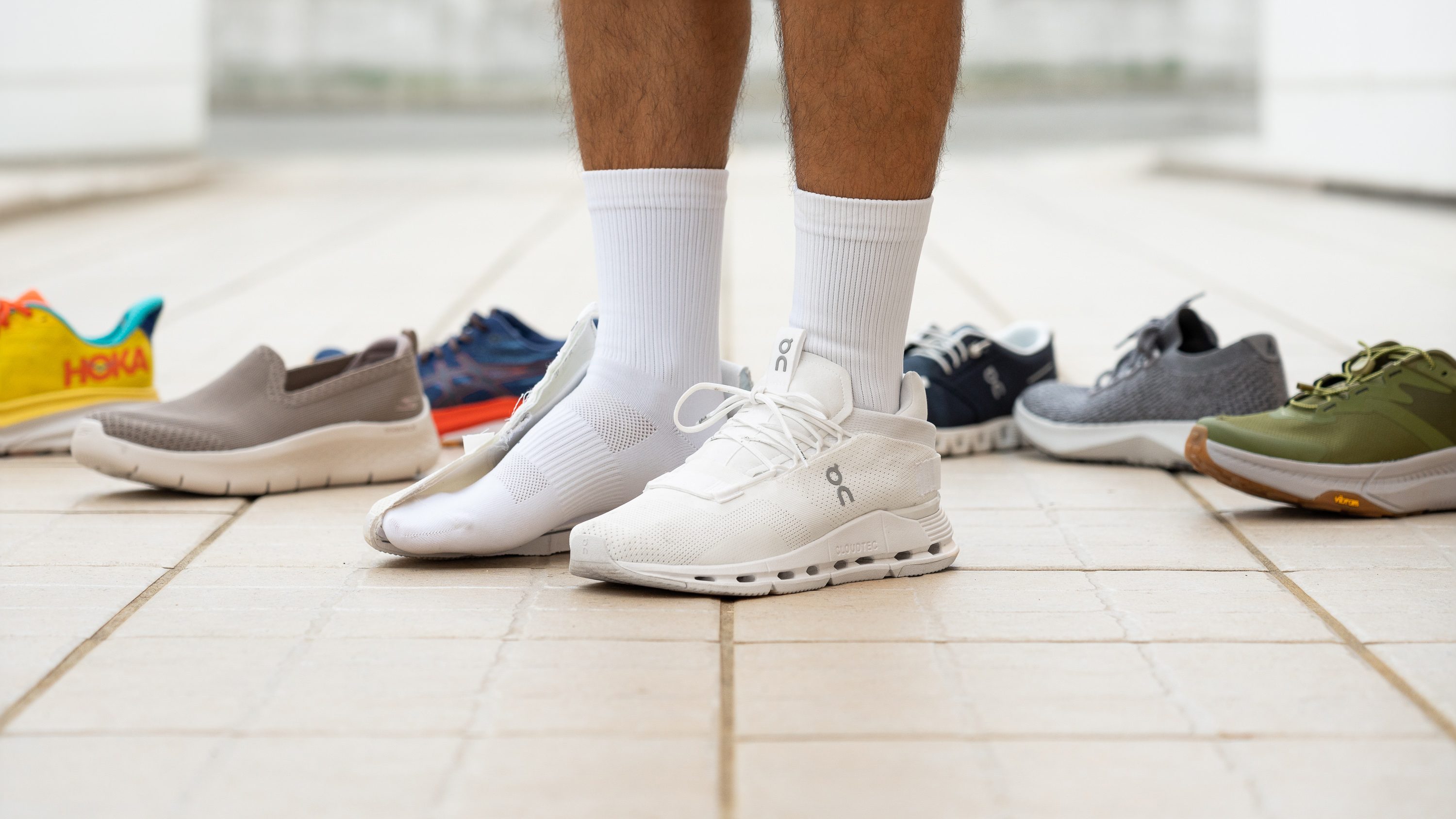
Comfort in a walking shoe is often misconstrued as simple softness. True comfort is a multi-layered engineering feat. First, consider cushioning: it must be responsive, absorbing impact without feeling mushy or bottoming out. Materials like specialized EVA foams or gel units, as pioneered by brands like ASICS, are designed to dissipate vertical shock. Second, stability is paramount. A study cited in the Journal of Orthopaedic & Sports Physical Therapy notes that overpronation (excessive inward rolling of the foot) is a common issue that a good walking shoe corrects through features like medial posts or structured heel counters. Third, breathability cannot be an afterthought. A mesh upper, for instance, isn’t just for aesthetics; it manages moisture and temperature, preventing the environment where blisters and fungal infections thrive. As renowned ultrarunner and biomechanics researcher Dr. Ray McClanahan has often stated, the goal is to allow the foot to function as naturally as possible while providing protection from modern, unforgiving surfaces. Therefore, when you try on a shoe, you’re not just assessing a “feel.” You are evaluating a system of support, impact management, and environmental control.
The Style Equation: Where Form Meets Function Without Apology
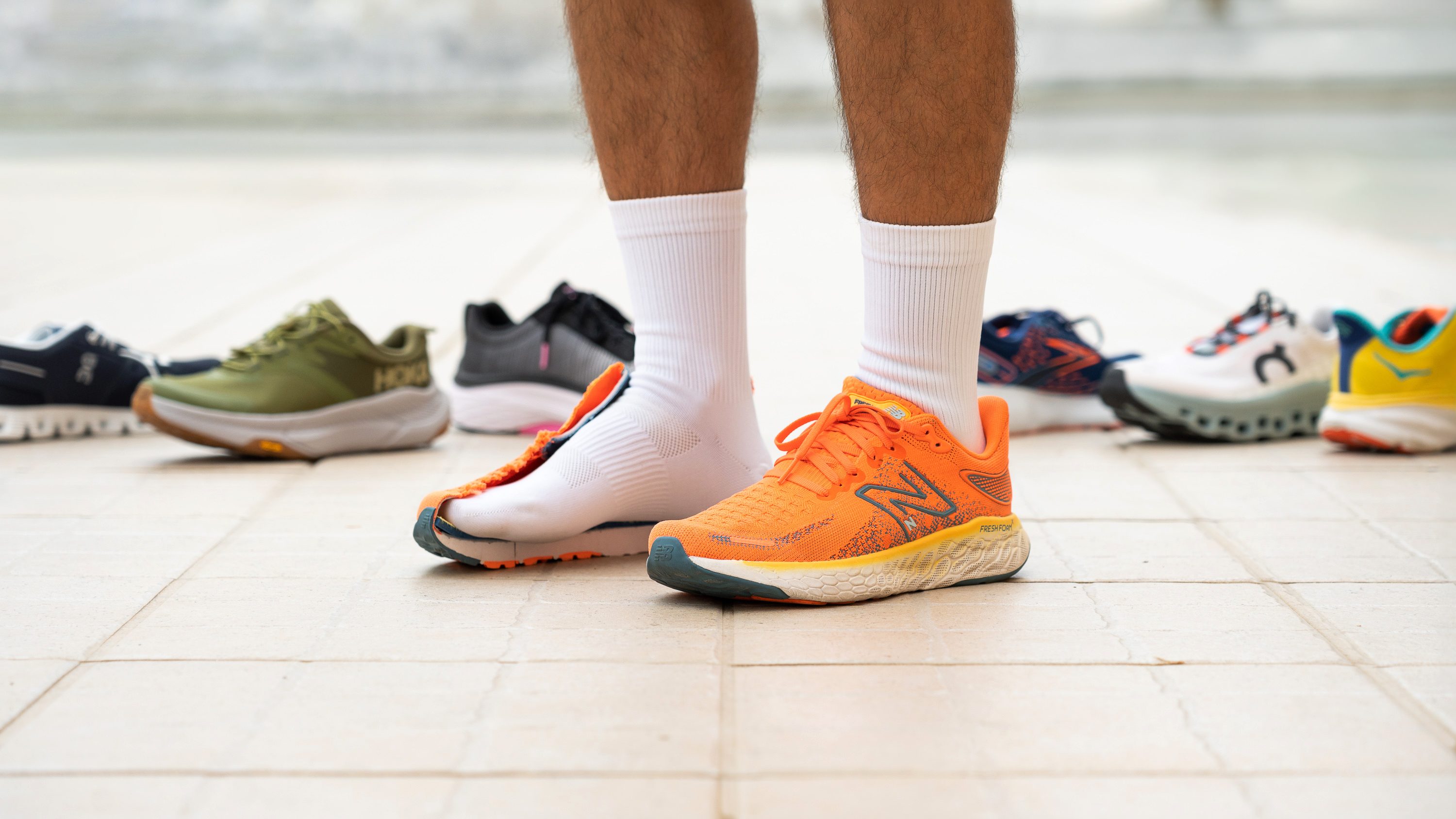
Gone are the days when “comfort shoes” meant clunky, orthopedic-looking designs. Today’s market is a testament to the fusion of technology and design. The key is to identify silhouettes that align with your personal aesthetic while housing the technical features we’ve outlined. A minimalist white leather sneaker from a brand like Koio or Common Projects often incorporates a premium insole and a carefully calibrated sole. A rugged trail-inspired sneaker from Hoka One One or Salomon offers bold looks with immense cushioning and grip. Even classic brands like Clarks or Cole Haan have revolutionized their lines with Nike Air technology, creating dressier options that don’t compromise on underfoot comfort. As fashion icon and designer Tom Ford once remarked, “Dressing well is a form of good manners.” Extending that philosophy to footwear means presenting yourself to the world in a way that is both respectful to others and, crucially, respectful to your own body. Your walking shoe can be a statement piece—clean, modern, and versatile—that seamlessly transitions from a morning commute to an evening outing.

The Investment: Longevity, Value, and Knowing When to Let Go
A high-quality walking shoe is an investment in your daily comfort and health, but even the best shoes have a finite lifespan. The cushioning midsole, which is the heart of the shoe’s shock absorption, compresses and loses its resiliency over time. The general rule, supported by organizations like the American Council on Exercise, is to consider replacement every 300-500 miles. For the average person, this translates to roughly every six to nine months of regular use. You might notice the tread wearing smooth, the upper developing asymmetrical creases, or simply a lack of “spring” in your step. Ignoring these signs means you’re effectively walking on degraded support, which negates the shoe’s purpose. To maximize value, consider purchasing previous-season models or looking for reputable online retailers during sale periods. Brands often update colorways and minor features annually, while the core technology remains the same, allowing you to acquire premium footwear at a significant discount. This proactive approach to rotation and replacement is far more cost-effective than dealing with potential physiotherapy bills down the line.
:max_bytes(150000):strip_icc()/when-should-i-replace-my-walking-shoes-3436325-0801-7a1840d83573471092e0380f9e230ecc.jpg)
Your Personal Fitting: Beyond the Size Number
The most common mistake is buying a shoe based solely on your perceived numerical size. Your fitting should happen in the evening when your feet are at their largest due to natural swelling. There should be about a thumb’s width (roughly 3/8 to 1/2 inch) of space between your longest toe and the end of the shoe. Width is equally critical; your foot should not spill over the sides of the footbed, nor should there be excessive gaping. Always try shoes on with the type of socks you intend to wear with them. Walk on a hard surface, not just carpet, and pay attention to any points of immediate pressure or slip. Remember, a walking shoe requires a slightly different fit than a running shoe; it often has a more relaxed volume in the forefoot to accommodate the slower, more varied movements of daily life. Don’t be loyal to a size; be loyal to the fit. As the old cobbler’s adage goes, “You don’t break in shoes; they break you in if they’re wrong.” Your goal is to find a pair that feels right from the very first step.
Curated for Your Journey: Recommendations Across the Spectrum
Let’s translate this knowledge into actionable choices. For the urban explorer who values cloud-like cushioning and modern aesthetics, the Hoka Clifton series is a phenomenon for a reason. Its meta-rocker geometry promotes a smooth gait cycle. For those seeking unparalleled energy return and a responsive feel, the Brooks Glycerin line, often featuring DNA LOFT cushioning, provides a plush yet propulsive ride. If your style leans towards minimalist and sleek, the Allbirds Tree Runner utilizes sustainable materials like eucalyptus fiber for a breathable, lightweight experience that works in casual offices. And for anyone requiring maximum stability without a bulky frame, the New Balance 928v3 is a classic, offering a robust rollbar for overpronation control in a surprisingly stylish leather package. Each of these represents a pinnacle of the walking shoe craft, merging the principles we’ve established.
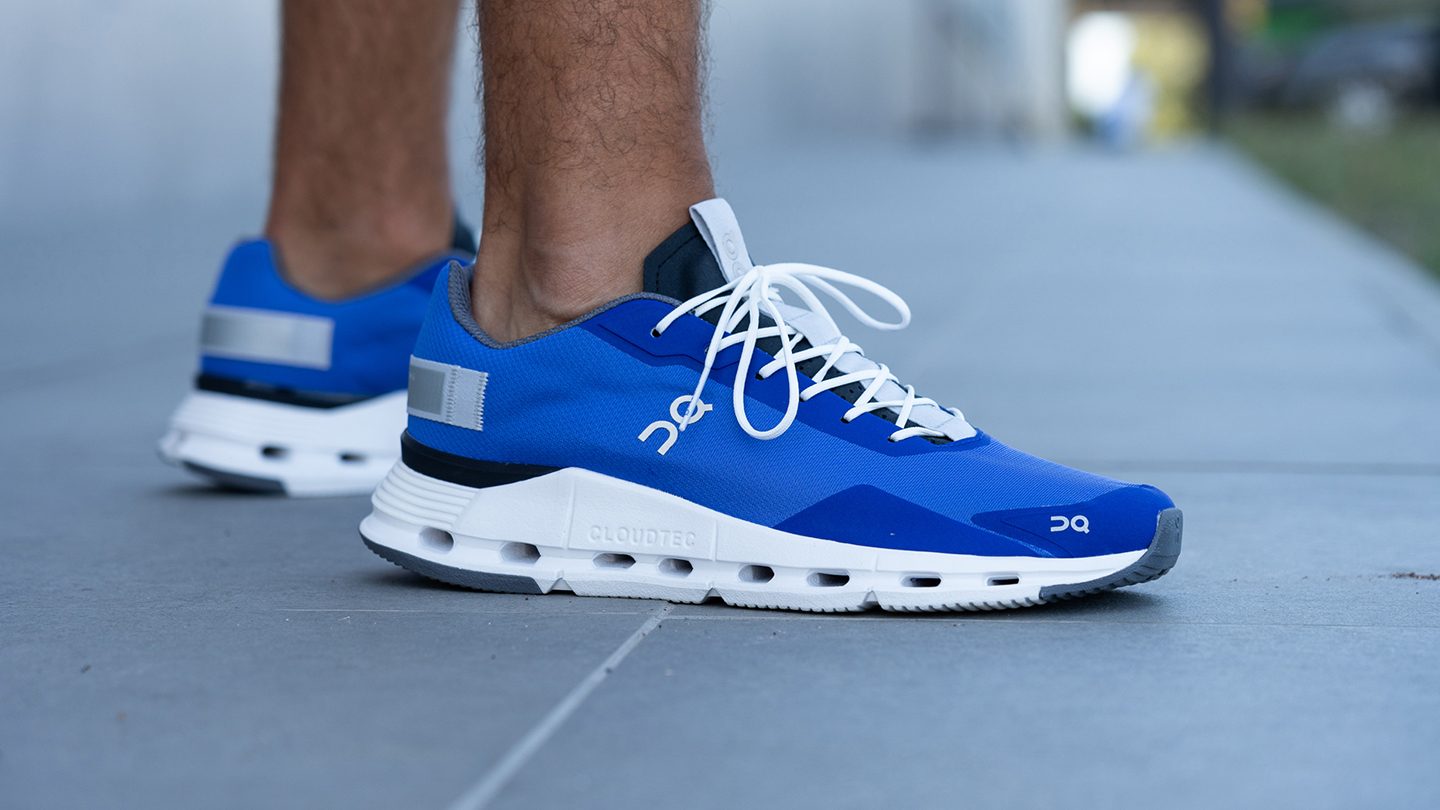
The pursuit of the perfect everyday shoe is a worthwhile endeavor. It’s a decision that echoes through your posture, your energy, and your confidence with every single step. You now possess the framework to evaluate, select, and invest in footwear that truly serves you. Move forward with the understanding that what you put on your feet is a direct investment in how you move through your world. Choose wisely, walk comfortably, and do it with undeniable style.
