

The Ultimate Guide to Tennis Shoes for Everyday Walking
You might have noticed a curious trend: people are increasingly lacing up tennis shoes not for the court, but for the sidewalk, the grocery store, and the daily commute. This isn’t a fashion faux pas; it’s a calculated choice rooted in biomechanics, material science, and practical design. The core premise is simple yet powerful: a well-chosen pair of tennis shoes for walking can offer a superior blend of support, durability, and comfort for the pedestrian compared to many shoes marketed specifically for walking. This guide will dissect that premise, moving beyond marketing to the engineering and physiology that make a tennis shoe a legitimate contender for your everyday strides.
The Unlikely Synergy: Court Demands Meet Pavement Needs
To understand why a tennis shoe works for walking, we must first decode the brutal demands of tennis. As Dr. William Levine, an orthopedic surgeon cited in resources from the Hospital for Special Surgery, notes, tennis is a sport of “violent lateral cuts, sudden stops and starts, and explosive forward movements.” This creates unique stress patterns. A shoe built for this environment must, by necessity, possess exceptional lateral stability to prevent ankle rolls during side-to-side motions—a feature often under-prioritized in straight-line walking shoes. It requires a durable toe guard (or “toe cap”) for dragging the foot during serves and lunges, which coincidentally protects against scuffs on urban curbs. The midsole must cushion both heel strikes and forefoot pushes, as players are constantly on their toes. When you translate this to walking, you inherit a shoe already over-engineered for stability in multiple planes of motion. The robust heel counter that locks a tennis player’s heel during a sprint to the net performs the same duty for a walker, preventing slippage and promoting a secure gait cycle. Therefore, the very architecture born from the chaos of the court provides a structured, protective shell for the more predictable, repetitive motion of walking.

Deconstructing Comfort: Cushioning, Support, and Fit
Comfort is not a singular sensation but a complex equation involving cushioning, arch support, and fit. Let’s break down how tennis shoes for walking solve each variable. First, cushioning. Tennis shoes often utilize advanced foam technologies like Adidas’ Boost, Nike’s React, or ASICS’ GEL—materials designed to absorb high-impact shock from jumping and hard court pounding. According to material science perspectives shared on platforms like Quora and in white papers from manufacturers, these polymer-based foams are engineered for resilience and energy return. For a walker, this translates to a plush feel that mitigates the cumulative stress of thousands of steps on hard surfaces, potentially reducing joint fatigue. Second, support. The need for medial-lateral stability in tennis often leads to incorporated technologies like torsion systems or dual-density midsoles. These elements combat overpronation (inward rolling of the foot) or supination (outward rolling). As noted in biomechanics literature from institutions like the University of Calgary’s Human Performance Lab, controlling these motions is crucial for injury prevention in any weight-bearing activity, making the inherent support in a tennis shoe a significant asset. Finally, fit. Tennis shoes typically feature a secure, glove-like fit in the midfoot and heel to prevent movement that could cause blisters during quick pivots. This precise fit eliminates the heel slippage common in some casual sneakers, providing a confident, locked-down feel with every step you take on your daily route.
Durability and Traction: Built to Last and Grip
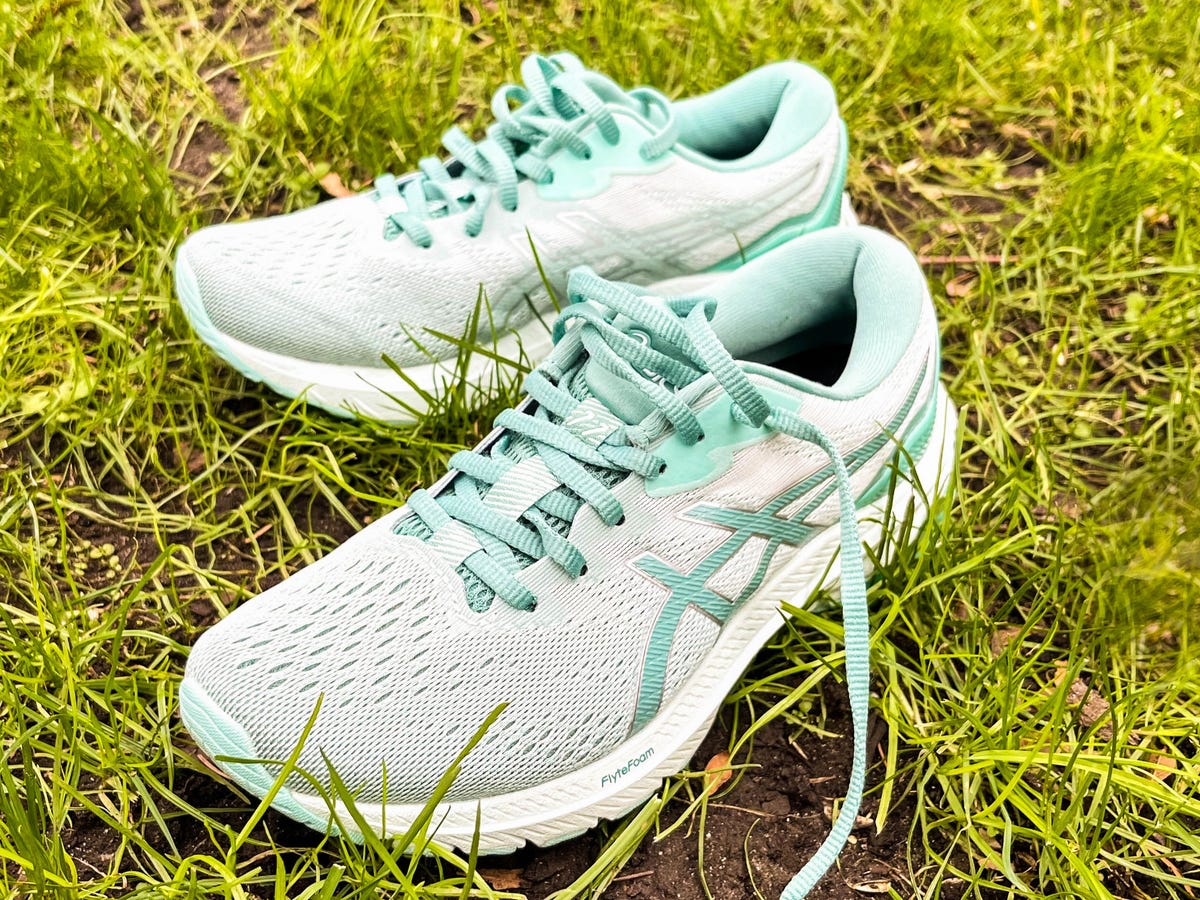
A walking shoe faces a relentless enemy: abrasion. Pavement, asphalt, and composite surfaces grind away at outsoles with every step. Here, the tennis shoe holds a formidable advantage. The outsole rubber on a performance tennis shoe is specifically formulated for high-wear areas. Brands like Nike use durable compounds like BRS 1000 carbon rubber in the heel, a feature highlighted in their own product tear-downs. This isn’t marketing fluff; it’s a response to the abrasive nature of hard courts. When repurposed for walking, this rugged outsole simply outlasts the softer, less dense rubber found on many casual or dedicated walking shoes. Furthermore, the tread pattern is designed for multi-directional grip. While a running shoe prioritizes forward motion, a tennis shoe’s herringbone or modified tread pattern provides grip for pushes, stops, and lateral moves. On wet sidewalks, polished floors, or light gravel, this omnidirectional traction offers a safety benefit, reducing the risk of slips. You are, in effect, wearing a shoe with a tank-like sole designed for a far more punishing environment than the urban jungle. This inherent durability means your investment in a pair of tennis shoes for walking pays off in extended mileage before the sole wears thin, making it a economically sound choice in the long run.
Navigating the Selection: Not All Tennis Shoes Are Created Equal
The term “tennis shoe” encompasses a spectrum. A minimalist clay-court shoe differs vastly from a sturdy hard-court trainer. For walking, we must be selective. Focus on shoes designed for “hard court” or “all-court” play. These models prioritize the cushioning and durability needed for asphalt-like surfaces, making them perfect analogues for pavement. Look for features like a full-length foam midsole (EVA, PU, or proprietary blends like GEL or Zoom Air), a reinforced toe bumper, and a solid heel counter. Avoid highly specialized models like grass or clay court shoes, which have nubbed or tightly-spaced treads unsuitable for street use. Renowned shoe reviewer and biomechanist Dr. Mick Wilkinson from YouTube channel “The Run Testers” often emphasizes that “the best shoe is the one that matches your gait and the intended surface.” For walking on man-made surfaces, a hard-court tennis shoe is that match. Consider brands like ASICS (the Gel-Resolution or Court FF series), New Balance (the 996 or 1006 series), or Adidas (the Barricade or SoleCourt lines). These are workhorses built with the technologies we’ve discussed, and they frequently transition to lifestyle wear, sometimes at discounted prices as new models are released.
A Word of Caution: Weight and Styling Considerations
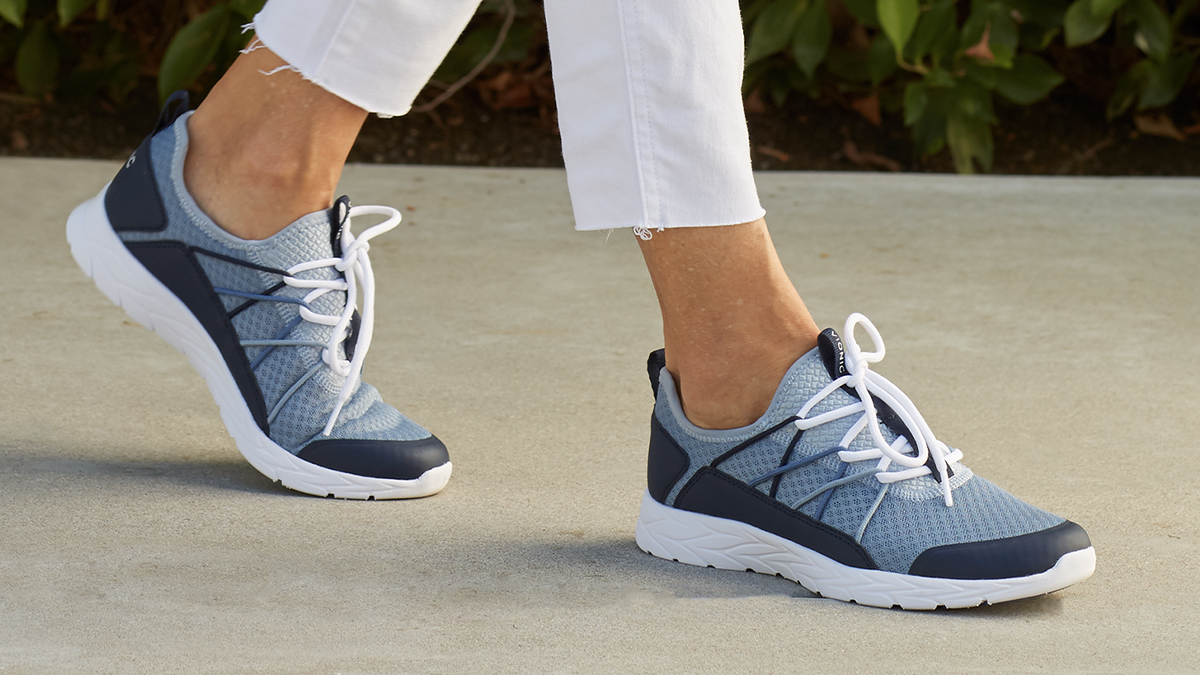
It would be disingenuous to not address the potential drawbacks. The very robustness that provides stability and durability can translate to added weight. A performance tennis shoe is often heavier than a minimalist running or walking shoe. For some, this extra heft can feel cumbersome on long, leisurely walks, potentially altering stride mechanics. It’s a trade-off: supreme protection and stability for a slight increase in mass. Furthermore, styling is subjective. While many modern tennis shoes have crossed over into fashion, some retain a distinctly athletic, technical look that may not align with every personal style or workplace dress code. The key is to find a model that balances performance with an aesthetic you enjoy. Brands are increasingly aware of this crossover market, offering models in more muted colorways and streamlined designs that function brilliantly as tennis shoes for walking without screaming “sports equipment.”
Making the Investment: Where Performance Meets Value
Investing in a quality pair of shoes is an investment in your musculoskeletal health. The objective science is clear: proper footwear can reduce impact forces and improve alignment. A well-chosen tennis shoe delivers these benefits with a durability bonus. From a value perspective, consider this: a top-tier walking shoe may cost $120-$150 and last 300-500 miles of walking. A high-end hard-court tennis shoe, built for the grueling wear of competitive play, often occupies a similar price point at launch but can frequently be found on sale. As noted by deal aggregators and in forums like Slickdeals or Reddit’s r/frugalmalefashion, last season’s performance models are regularly discounted by 30-50% as new colorways are introduced. This means you can acquire a shoe with superior materials and construction—a shoe engineered for a higher-stress application—for the price of a standard walking shoe. You’re not just buying a shoe; you’re buying engineered polymer foams, carbon rubber, torsion systems, and a design philosophy centered on extreme performance. When that technology is applied to walking, it results in a product that excels in its secondary role, offering professional-grade comfort and support at a potentially discounted price.
The evidence from biomechanics, material science, and practical experience converges on a single point: the crossover of tennis shoes into the realm of everyday walking is not a mere trend but a logical application of specialized engineering. These shoes bring a fortress-like combination of lateral stability, impact absorption, and outwear longevity to the simple act of walking. By choosing a hard-court model, you harness technology designed for a more demanding world, gifting your feet a level of protection and comfort that often surpasses the standard. So, the next time you see someone confidently striding down the street in what looks like athletic gear, recognize they may have simply decoded the ultimate hack: using the right tool for the job, even if that tool was originally forged on the tennis court. Your journey toward more supported, durable, and comfortable walks could very well begin with a pair of tennis shoes for walking.
