

The Walking Shoe: Your Ultimate Guide to Comfort and Style
In a world where every step counts, the choice of footwear transcends mere fashion—it becomes a fundamental decision impacting our daily comfort, joint health, and overall well-being. The modern walking shoe stands at this intersection, engineered not just for movement but for optimized, pain-free mobility. This guide delves beyond surface-level aesthetics to explore the biomechanical science, material innovation, and design philosophy that define the ultimate walking companion. We will navigate through the essential features that separate exceptional shoes from mediocre ones, grounding our exploration in objective evidence and expert insights to empower your next purchase with confidence and knowledge.
The Biomechanical Foundation: Why Your Feet Deserve Engineering
Every step you take is a complex transfer of force. When your heel strikes the ground, a shockwave travels up through your skeleton. A poorly designed shoe can exacerbate this impact, leading to discomfort in the feet, knees, hips, and even the lower back. The primary role of a dedicated walking shoe is to manage this gait cycle through specific design principles. Unlike running shoes, which are built for forward momentum and higher impact, walking shoes prioritize stability and roll-through from heel to toe. According to biomechanics literature from institutions like the University of Calgary’s Human Performance Lab, the walking gait involves a longer contact period with the ground and a more pronounced heel-strike. Therefore, cushioning in the heel is paramount. Furthermore, the American Podiatric Medical Association emphasizes the need for adequate arch support to prevent overpronation (excessive inward roll) or supination (outward roll), which are common culprits of injury. This isn’t marketing jargon; it’s applied physics. The right shoe acts as a suspension system, absorbing shock and providing a stable platform. Think of it not as an accessory, but as essential equipment for the most fundamental human activity: walking.
Decoding the Anatomy: Cushioning, Support, and Flexibility
To understand what makes a great walking shoe, we must dissect its anatomy. Three pillars form the trifecta of comfort: cushioning, support, and flexibility. Cushioning, often provided by advanced polymer foams like Adidas’s Boost or Nike’s React, is not about creating a mushy feel. As noted in material science reviews, the goal is energy return—the foam should compress to absorb impact and then rebound, propelling you forward with less effort. This reduces muscle fatigue. Support, however, is structural. It comes from the shoe’s midsole geometry and the “counter” or heel cup. A study cited by the Spaulding National Running Center at Harvard Medical School highlights how a firm heel counter stabilizes the rearfoot, controlling unwanted motion. The arch support, whether built-in or supplemented by orthotics, maintains the foot’s natural alignment. Finally, flexibility is crucial at the forefoot, where your foot bends during toe-off. A shoe that’s too stiff forces your foot and calf muscles to work harder. The perfect walking shoe harmonizes these elements: plush yet responsive cushioning, unwavering support, and strategic flexibility. It’s a balance that, when achieved, makes the shoe disappear on your foot, leaving only the pleasure of the stride.
Material Matters: Breathability, Durability, and Sustainability
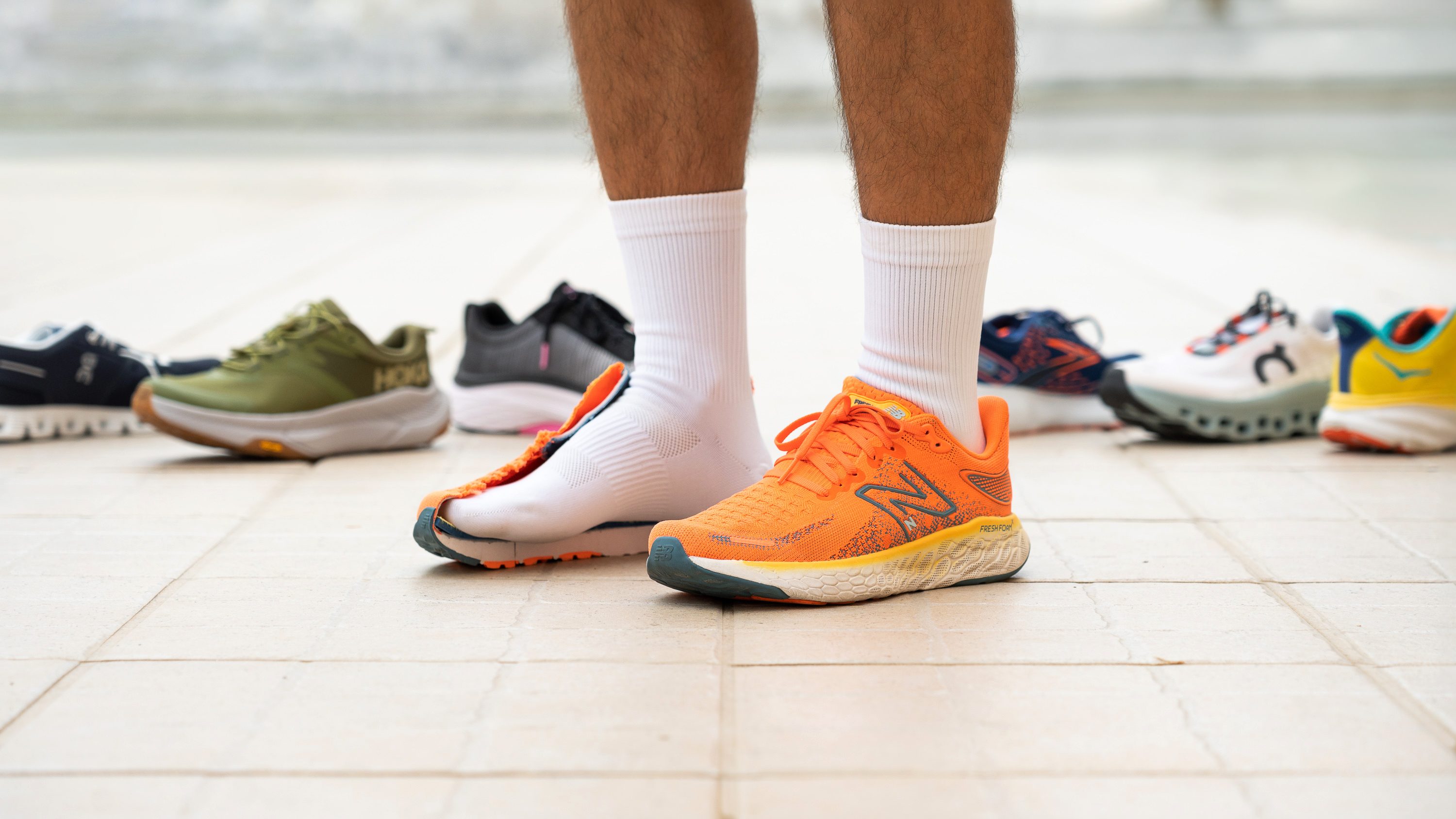
Step into a shoe made of non-breathable material on a warm day, and you’ll immediately understand why upper construction is critical. Modern walking shoes utilize engineered meshes, often with targeted zones of tighter or looser weave. This design, as explained in textile engineering resources, maximizes airflow to keep feet cool and dry, preventing blisters and fungal infections. Durability, however, must not be sacrificed. High-wear areas like the toe box and medial (inner) side often receive reinforced overlays or tougher synthetic materials. But the conversation has evolved. The contemporary consumer, and thus the innovative brand, now considers sustainability. Companies are increasingly using recycled polyester from plastic bottles, bio-based foams, and even algae-derived materials. While the long-term performance data of some sustainable materials is still being gathered, as per industry analyses from sites like Business of Fashion, the shift represents a crucial step toward reducing the footwear industry’s environmental footprint. When you choose a walking shoe, you’re voting for a material ecosystem. The ideal choice offers a symphony of breathability for micro-climate control, durability for long-term value, and materials that align with a conscientious worldview.
From Pavement to Trail: Matching the Shoe to Your World
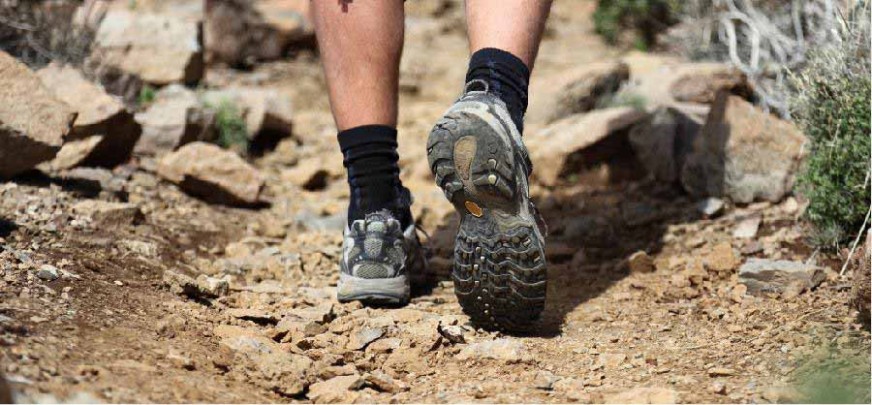
Not all walks are created equal, and neither should your shoes be. The terrain dictates design. A shoe built for smooth urban pavement focuses on cushioning and sleek style. Its outsole will have a relatively smooth pattern, optimized for concrete and asphalt. Conversely, a trail-walking shoe is an entirely different beast. As outdoor experts on platforms like REI’s blog consistently advise, trail shoes need aggressive, multi-directional lugs on the outsole for grip on mud, loose gravel, and inclines. They often feature a rock plate—a thin, rigid layer in the midsole—to protect your foot from sharp stones. Then there’s the category of fitness walking shoes, designed for speed and efficiency, often with a lighter build and more pronounced roll-through design. The mistake many make is using a running shoe for all purposes. While better than dress shoes, a running shoe’s higher heel drop and different flex pattern can be suboptimal for dedicated walking. Your environment is your guide. Ask yourself: Where do my feet spend most of their time? The answer will point you to the specialized walking shoe designed for that specific journey.
The Style Equation: Where Form Meets Function Without Apology
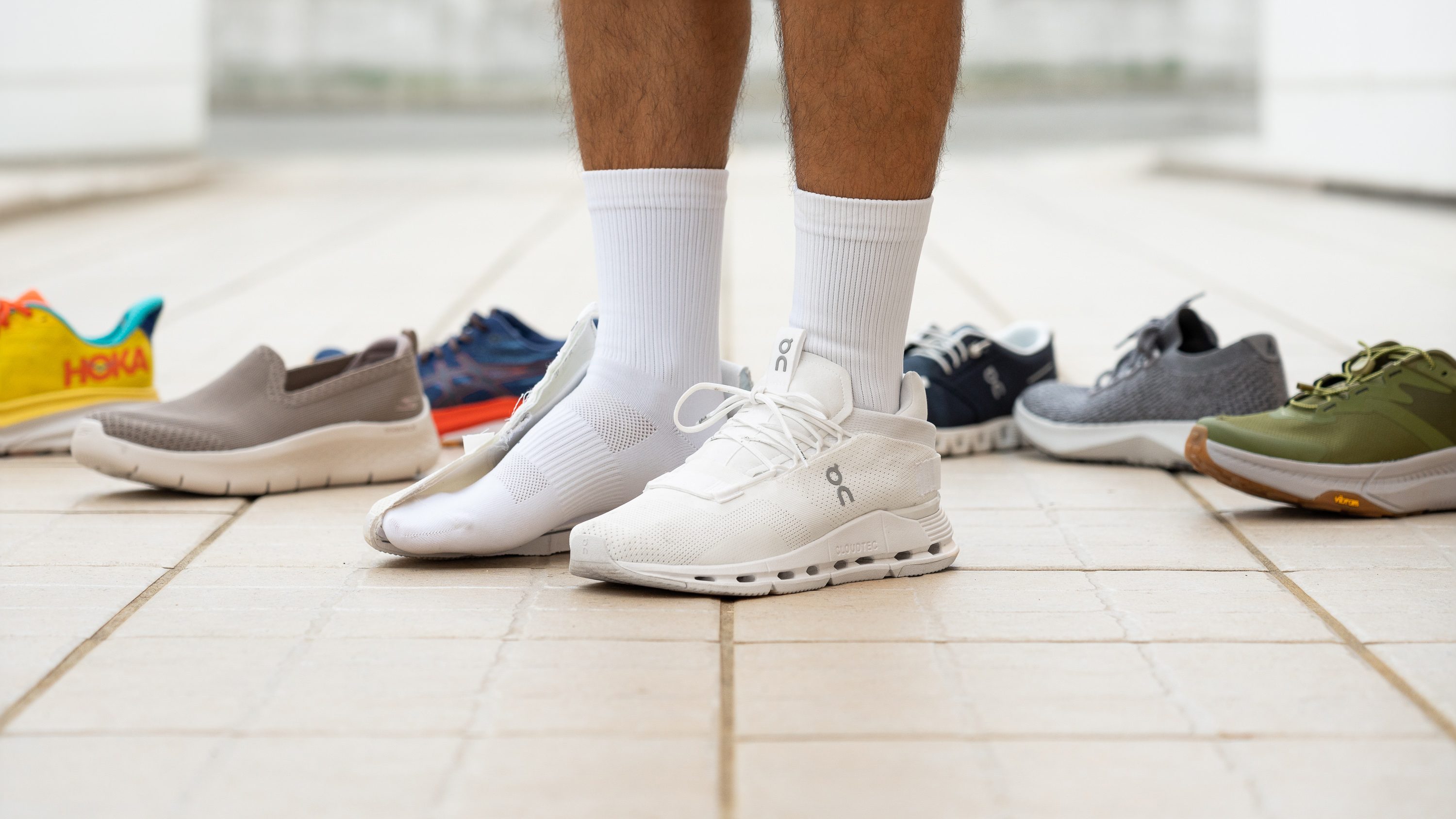
For too long, “comfortable” shoes were code for “unstylish.” That era is decisively over. Today’s leading brands have proven that ergonomic excellence and aesthetic appeal are not mutually exclusive. The rise of “athleisure” and the normalization of technical wear in daily life have driven this fusion. You can find walking shoes with the cushioning of a medical device wrapped in designs that wouldn’t look out of place in a fashion editorial. This isn’t a superficial point. As style thought leaders from GQ to Vogue have documented, when you feel good about how your shoes look, you’re more likely to wear them consistently, reaping the health benefits of more walking. The key is to identify your style lexicon—minimalist, bold, classic, tech-forward—and seek out brands that speak it. Whether it’s the sleek monochrome designs of brands like Allbirds or the vibrant, performance-driven looks of HOKA, the market offers a style for every stride. The modern walking shoe allows you to never compromise, ensuring that from the morning commute to an evening stroll, your footwear supports your body and expresses your personality.
:max_bytes(150000):strip_icc()/vwt-asics-womens-gel-pulse-16-jinfeng-chen-21-712f0f140e834b84b3a8dcf0bf154771.jpeg)
Investing in Your Stride: A Smart Consumer’s Approach
With knowledge of what makes a great walking shoe, the final step is acquisition. This is where smart consumer strategy comes into play. First, always try shoes on in the afternoon, as feet naturally swell throughout the day. There should be a thumb’s width of space between your longest toe and the end of the shoe. Don’t be seduced by the need to “break them in”; premium comfort should be immediate. Now, let’s talk value. While cutting-edge technology commands a price, you need not pay full retail. Consider previous seasons’ models, which often offer 90% of the performance at a 30-40% discount. Sign up for newsletters from reputable retailers for alert-on-sale notifications. Furthermore, direct-to-consumer brands frequently offer better value by bypassing traditional markups. Remember, the most expensive shoe is not always the best for your foot. The investment is in the precise combination of fit, feature, and function that addresses your individual biomechanics and lifestyle. This informed approach ensures every dollar spent is a step toward lasting comfort.
Your journey on foot is a narrative written with every step. The right footwear is the pen that writes a story of exploration, vitality, and effortless movement. By prioritizing biomechanical integrity, material intelligence, and purposeful design, you select more than a shoe—you choose a partner for your daily adventures. Let this guide be the foundation upon which you build a more comfortable, stylish, and sustainable path forward, one perfectly supported step at a time.
