

The Best Tennis Shoes for All-Day Walking Comfort
When we talk about footwear designed for prolonged walking, the immediate thought often goes to specialized walking shoes or cushioned running sneakers. However, a compelling case can be made for a particular category often overlooked for this purpose: tennis shoes for walking. The very design principles that make a shoe excel on the court—lateral support, durable outsoles, and responsive cushioning—translate remarkably well to the demands of all-day urban exploration or standing. This isn’t about repurposing a worn-out pair for a casual stroll; it’s about recognizing that modern performance tennis footwear is engineered with a holistic understanding of foot mechanics, impact absorption, and stability that rivals, and in some aspects surpasses, traditional walking shoes. The key lies in selecting models that prioritize comfort and support over aggressive court-specific features, turning the tennis shoe into a versatile powerhouse for your daily miles.
The Anatomical and Biomechanical Rationale: Why Tennis Shoes Work
The human foot is a complex structure of 26 bones, 33 joints, and over 100 muscles, tendons, and ligaments. During walking, it undergoes a cycle of heel strike, foot flat, mid-stance, heel-off, and toe-off, distributing forces up to 1.5 times your body weight with each step. A shoe designed for this must manage impact, guide the foot through this gait cycle, and provide stability. This is where the engineering of a good walking-optimized tennis shoes for walking shines. Tennis is a multidirectional sport involving sudden starts, stops, and lateral cuts. Consequently, manufacturers like ASICS, New Balance, and Nike invest heavily in research, often in conjunction with biomechanics labs at institutions like the University of Calgary’s Human Performance Laboratory, to create shoes that prevent excessive foot roll (overpronation or supination) and offer medial support. This focus on stability is directly transferable to walking, where uneven sidewalks or long periods on your feet can lead to similar strain. The cushioning systems, such as ASICS’ GEL technology or Nike’s Air units, are designed to absorb vertical impact from jumps and hard landings—a force significantly greater than the impact from walking. When applied to walking, this results in a plush, protective feel that can reduce fatigue in the knees, hips, and lower back over extended periods. As noted by Dr. Casey Kerrigan, a former Harvard Medical School professor and founder of a biomechanics-focused footwear company, “The goal of athletic footwear should be to work with the body’s natural mechanics, not against them.” A well-designed tennis shoe aligns with this philosophy by providing a stable platform that allows the foot’s intrinsic muscles to function while offering external support where needed.

Decoding the Specifications: Cushioning, Support, and Outsole
To choose the best tennis shoes for walking, one must move beyond brand names and delve into the specifications. The first critical element is cushioning. In walking, we seek a balance: enough softness to comfort, but enough responsiveness and firmness to avoid the “quicksand” feeling that can cause instability and muscle fatigue. Many premium tennis shoes utilize dual-density foams. For instance, a shoe might have a softer foam in the heel for impact absorption and a firmer, more resilient foam in the forefoot for propulsion during the toe-off phase of walking. This segmented approach is scientifically informed. Research published in the Journal of Foot and Ankle Research indicates that targeted cushioning can reduce peak plantar pressure, a key factor in preventing discomfort and injury. The second element is support, particularly arch and midfoot support. Tennis shoes often feature robust heel counters (the firm cup around the heel) and structured midsoles to combat the lateral forces of the sport. For walkers, this translates to excellent heel lockdown and reduced inward rolling of the foot (overpronation), a common issue that can lead to plantar fasciitis. Finally, the outsole is paramount. Tennis shoe outsoles are made of durable, non-marking rubber compounds like herringbone or modified patterns that offer exceptional grip on hard courts. This durability is a boon for walkers, as it means the shoe will withstand pavement abrasion far longer than a standard running shoe with a softer, blown rubber outsole. The tread pattern, while designed for clay or hard courts, also provides reliable traction on wet sidewalks or polished floors, a safety feature often underestimated in daily wear.
Top Contenders: Models That Bridge the Gap
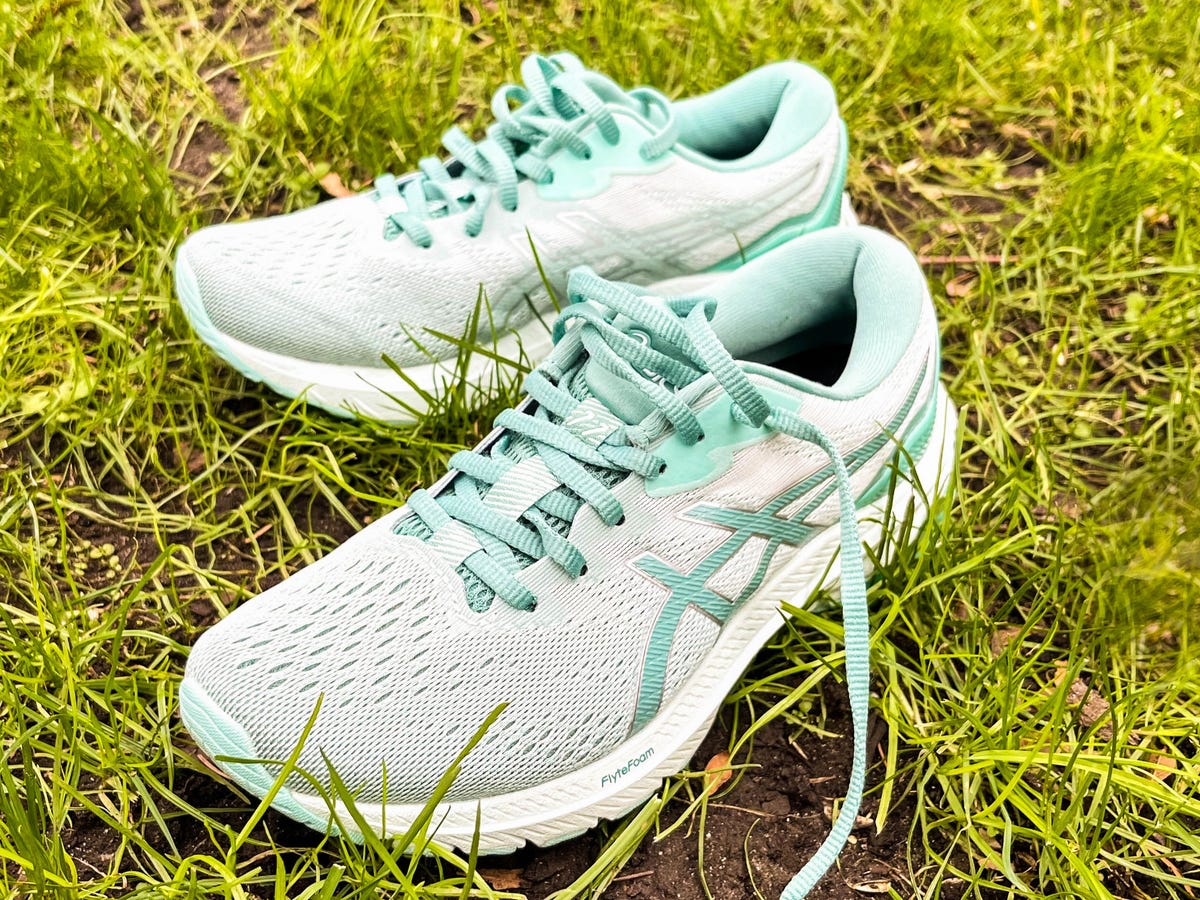
Not all tennis shoes are created equal for walking. The ideal candidates are often from the “court stability” or “all-court” categories, avoiding highly specialized models like clay court shoes (with a full herringbone sole) or ultra-lightweight “speed” models that sacrifice cushioning. A prime example is the ASICS GEL-Resolution series. Renowned in tennis circles for its durability and support, it features the brand’s signature GEL cushioning in both the forefoot and rearfoot. This technology, as explained on ASICS’ official site and backed by their Institute of Sport Science, attenuates shock during impact and toe-off phases. For a walker, this means all-day comfort. Another standout is the New Balance Fresh Foam Lav. New Balance’s Fresh Foam is a data-driven cushioning platform, engineered using pressure mapping and athlete data to create a single-piece midsole that is soft yet stable. The Lav retains the supportive upper and durable outsole of a tennis shoe but wraps it around this modern foam, making it a sublime choice for pavement pounding. For those seeking a wider fit, the K-Swiss Hypercourt Express 2 offers a roomier toe box—a critical feature for walkers, as feet can swell after miles—without compromising on the lateral support inherent to tennis design. These models exemplify how the core technology of tennis shoes for walking can be seamlessly adapted, providing a foundation that is both scientifically sound and experientially comfortable.
A Word on Fit and Professional Insight
The most technologically advanced shoe will fail if it doesn’t fit correctly. When shopping for tennis shoes for walking, consider this: your walking shoe should be fitted in the afternoon or evening when your feet are at their largest. There should be about a thumbnail’s width of space between your longest toe and the end of the shoe. The width should be snug but not constricting, allowing for slight splay during the foot-flat phase of your gait. Don’t assume your running shoe size is your tennis/walking shoe size; always try them on with the socks you intend to wear. Podiatrists and sports medicine professionals often highlight the importance of arch support. As noted by Dr. Jacqueline Sutera, a New York City-based podiatrist and Vionic Innovation Lab member, in interviews with health magazines, “Shoes with good arch support help distribute pressure evenly across your foot. This is crucial for preventing conditions like metatarsalgia (ball-of-foot pain) and plantar fasciitis.” Many top-tier tennis shoes come with removable sock liners, allowing you to insert custom orthotics if needed, a level of customization rarely found in casual sneakers but vital for those with specific biomechanical needs.
Beyond the Hype: Value and Practical Acquisition
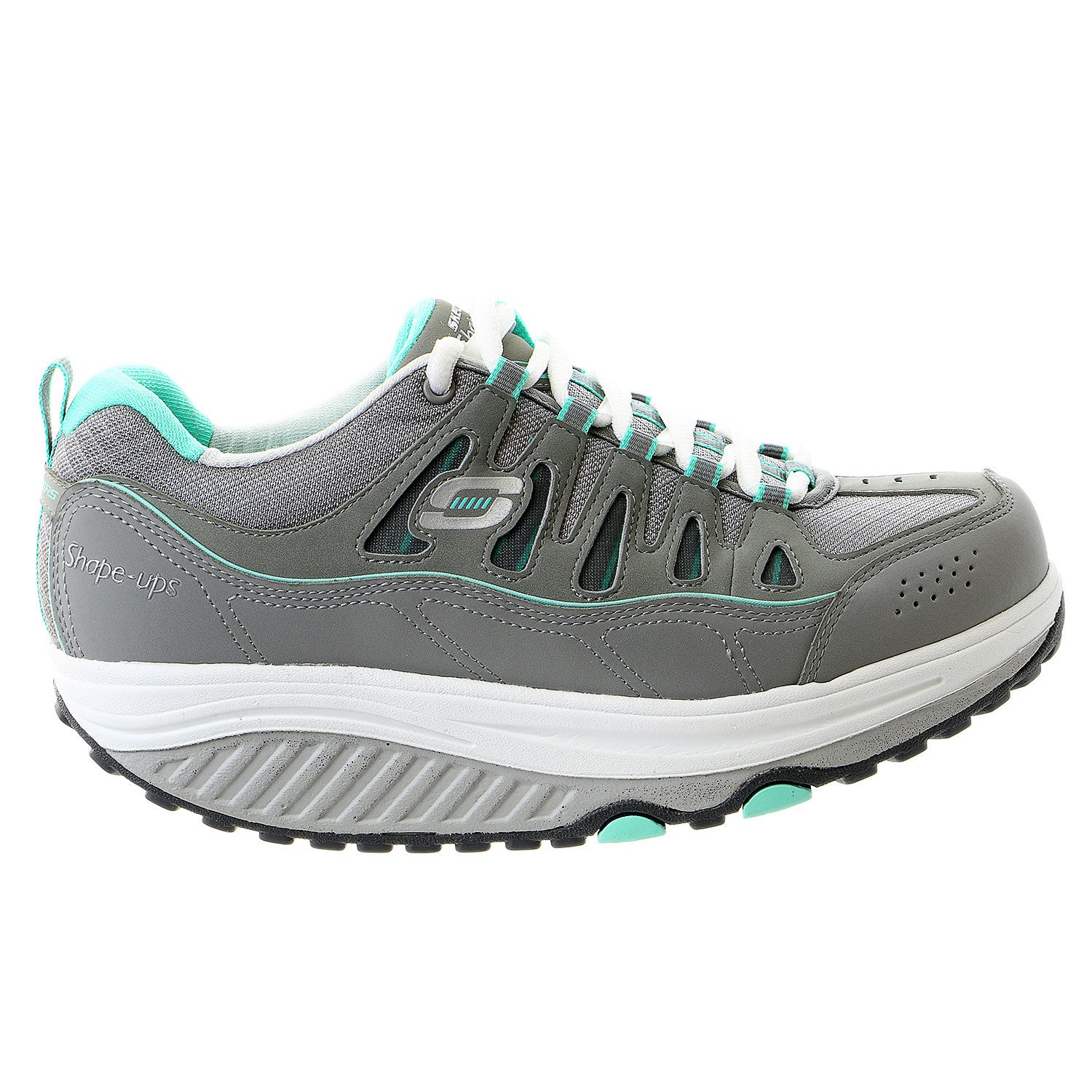
Investing in a quality pair of shoes is an investment in your musculoskeletal health. The good news is that the value proposition for using tennis shoes as walking shoes is strong. Due to the product cycle in sports footwear, last season’s premium tennis models are often available at significant discounts—sometimes 30% to 50% off—once the new version is released. The performance difference between model years is often minimal for a walker, making these discounted shoes an incredible smart buy. For instance, a previous-generation ASICS GEL-Resolution or Nike Air Zoom Vapor Cage, which retailed for over $140, can frequently be found for under $100. This brings professional-grade technology to your everyday life at an accessible price point. When shopping, look to authorized sporting goods retailers’ clearance sections or reputable online outlets. Remember, you are not buying them for their aesthetic value on the court but for their engineered comfort on the ground. The durability of the tennis outsole also means this discounted pair will likely outlast two pairs of cheaper, less supportive casual shoes, providing long-term economic and comfort benefits. This practical approach allows you to access the biomechanical advantages discussed without straining your budget, truly bringing professional knowledge and discounted prices together.

The journey to all-day walking comfort doesn’t necessarily lead to the expected destination. By understanding the rigorous biomechanical demands of tennis and how shoe manufacturers meet them, we unlock a category of footwear uniquely suited to support, stabilize, and cushion the foot through thousands of daily steps. The right pair of tennis shoes for walking offers a synthesis of lateral support, impact-absorbing technology, and exceptional durability—features born on the court but perfected for the concrete jungle. It is a choice grounded in the science of movement, validated by professional insight, and made accessible through savvy shopping. So, for your next long day on your feet, look beyond the traditional aisle and consider the stable, supportive, and surprisingly comfortable world of performance tennis footwear. Your feet, and your entire kinetic chain, will thank you for the informed departure from convention.
