Your Ultimate Guide to Comfort and Style for Everyday Adventures
Every journey begins with a single step, and the quality of that step is fundamentally defined by what you wear on your feet. The modern pursuit of an active, integrated lifestyle demands footwear that transcends mere utility. We are no longer choosing between function and fashion, but seeking a synthesis that empowers our daily explorations. This guide is dedicated to unraveling the science and art behind the perfect companion for your feet: the modern walking shoe. We will move beyond marketing buzzwords into the realm of objective analysis, biomechanics, and material science, arming you with the knowledge to make an informed choice that blends professional insight with accessible value.
The Foundation: Why Your Choice of Walking Shoe Matters
Consider your feet as the foundational pillars of your body’s architecture. With every step, a complex kinetic chain is activated, transmitting force from your heel through your ankles, knees, hips, and into your spine. The Harvard Medical School publications on musculoskeletal health consistently emphasize that improper footwear can disrupt this chain, leading to acute discomfort or chronic issues like plantar fasciitis, shin splints, and even back pain. A proper walking shoe acts as a critical interface between your body and the ground, providing not just cushioning but also stability and guidance for natural motion. This isn’t about indulgence; it’s about preventative health. As renowned biomechanist Dr. Casey Kerrigan, founder of OESH Shoes, has often stated in her research, “Footwear should facilitate the foot’s natural function, not constrain it.” The right shoe doesn’t just carry you; it protects and enhances your body’s innate engineering, turning a simple commute or a weekend stroll into a sustainable, joyful practice rather than a source of cumulative stress.

Decoding the Anatomy: Key Features of a Superior Walking Shoe
To navigate the market intelligently, you must become fluent in the language of shoe construction. Let’s dissect the core components. First, the upper: modern materials have evolved from heavy leather to engineered meshes and knit fabrics. Brands like Brooks and ASICS utilize 3D Fit Knit or Jacquard Mesh, which offer targeted breathability and adaptive stretch, conforming to your foot’s shape without pressure points. This is a direct application of ergonomic principles, ensuring the shoe wraps your foot like a second skin. Second, the midsole is the heart of the shoe. Here, technologies diverge. EVA (Ethylene-Vinyl Acetate) foam is common for its lightweight cushioning, but advanced compounds like Brooks’ DNA LOFT or ASICS’ GEL provide superior energy return and durability. The goal, as outlined in podiatric literature, is to absorb shock at heel strike and then provide a smooth roll-through to toe-off. Third, the outsole requires a balance of flexibility and grip. Carbon rubber in high-wear areas (like the heel) enhances longevity, while strategic flex grooves allow the foot to move naturally. A well-designed walking shoe integrates these elements not as isolated features, but as a cohesive system working in harmony with your gait cycle.
The Fit Paradigm: More Than Just a Size Number
Perhaps the most critical, yet most overlooked, aspect is fit. A shoe can boast premium materials and award-winning design, but if it doesn’t fit your unique foot morphology, it fails. Professional fitting advice, consistent across resources from Runner’s World to the American Podiatric Medical Association, highlights several non-negotiable checks. There should be a thumb’s width (about 1/2 inch) of space between your longest toe and the end of the shoe to allow for natural foot swelling and forward motion. The widest part of your foot should align with the widest part of the shoe, preventing constriction. The heel must be held snugly without slippage—a common cause of blisters. Importantly, your foot size can change over time due to factors like age and weight fluctuation, making periodic measurement essential. Remember, the perfect walking shoe should feel secure and supportive from the moment you put it on, requiring little to no “break-in” period. Discomfort is not a precursor to comfort; it is a warning sign.
Style as Function: The Aesthetics of Everyday Performance
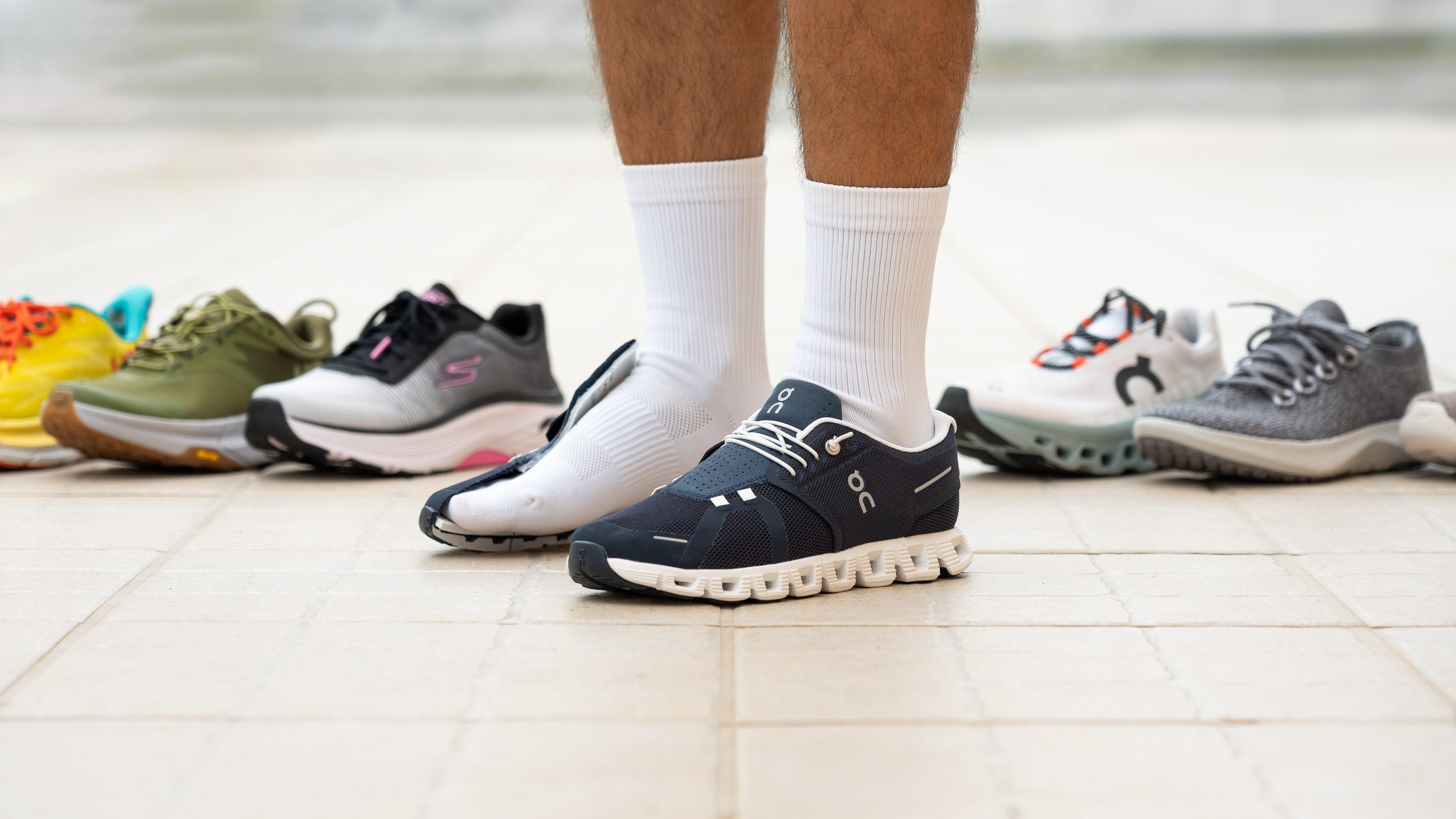
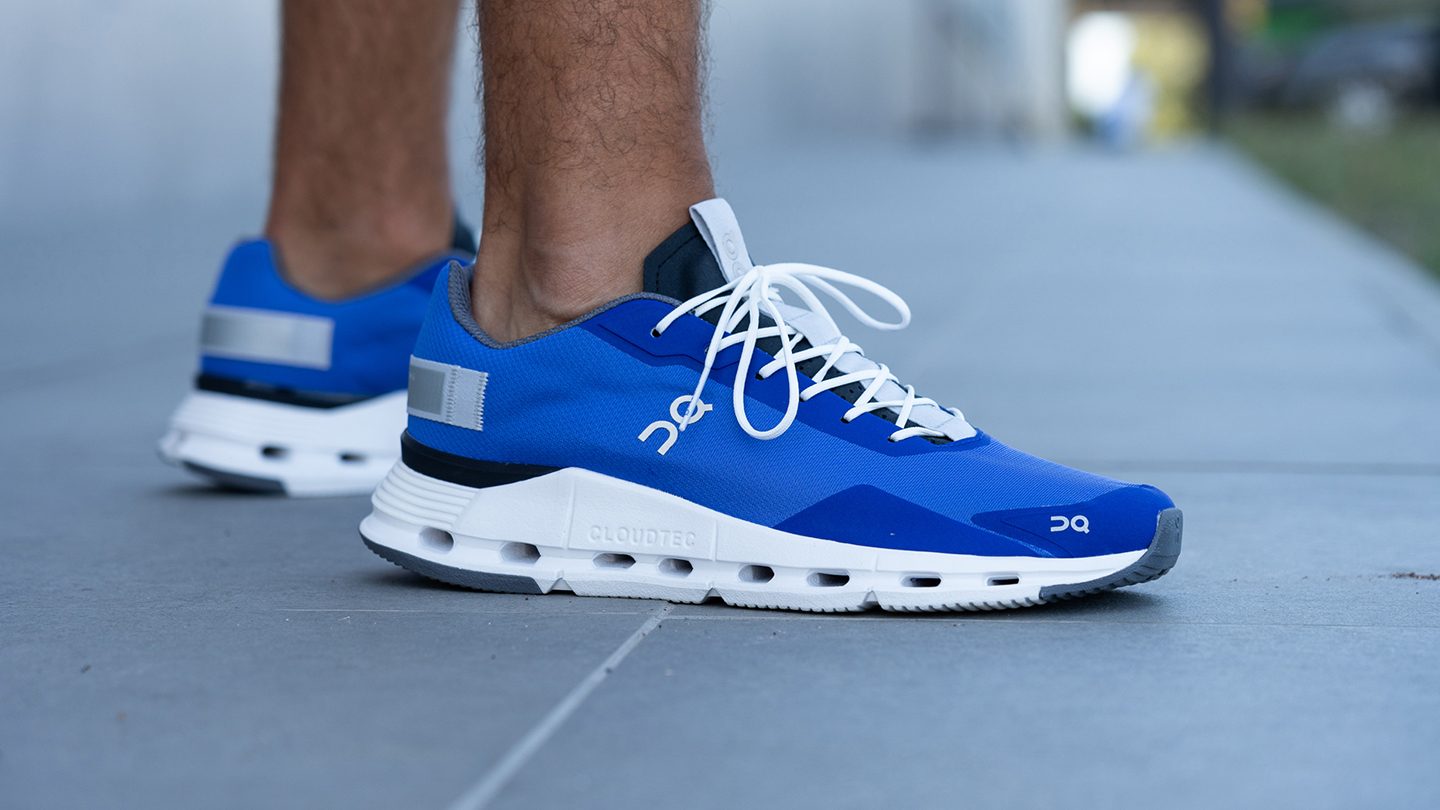
The historical dichotomy between “athletic” and “casual” shoes is rapidly dissolving. Today’s leading designs prove that technical performance can be housed in a visually compelling package. This shift is driven by a cultural movement towards holistic wellness, where gym-to-street wear is not just acceptable but celebrated. Brands like HOKA and On Running have been instrumental in this, offering bold silhouettes and colorways that function as style statements. The chunky, maximalist sole, for instance, isn’t merely a trend; it often houses a profound stack of cushioning foam. When you choose a stylish walking shoe, you are not compromising. You are selecting a tool that integrates seamlessly into your personal narrative, empowering you to move from a morning walk to a casual meeting without a change in footwear. This fusion respects your time and your taste, acknowledging that confidence derived from feeling good about how you look is itself a component of comfort and a catalyst for adventure.
The Longevity Equation: When to Retire Your Trusty Companions
Even the most expertly engineered shoe has a finite lifespan. Relying on a worn-out pair negates all its benefits and can invite injury. The standard advice of replacing shoes every 300-500 miles is a useful guideline, but it’s impersonal. More reliable indicators are visual and sensory. Examine the outsole: are the tread patterns worn smooth, particularly on the heel or ball of the foot? Compress the midsole between your fingers; does it feel stiff and unresponsive compared to a new pair? Do you start to feel new aches in your joints after a routine walk? These are your body’s and your shoe’s signals. As noted in a biomechanics study from the University of Calgary, the cushioning properties of midsole materials degrade with repeated compression, losing their ability to absorb shock effectively. Investing in a new pair is not an expense, but a reinvestment in your comfort and health. Proactive replacement is a cornerstone of sustainable performance.
:max_bytes(150000):strip_icc()/when-should-i-replace-my-walking-shoes-3436325-0801-7a1840d83573471092e0380f9e230ecc.jpg)
Empowering Your Decision: Knowledge Meets Value
Armed with this knowledge, your purchasing journey transforms from one of confusion to one of confident selection. The final, practical step is aligning this expertise with value. Premium technology often comes at a premium price, but strategic shopping can bridge that gap. Consider previous seasons’ models, which frequently offer the same core technologies at a significant discount as brands make room for new colorways. Subscribe to newsletters from reputable retailers for early access to sales. Outlet stores and certified online marketplaces can also yield genuine finds. Remember, the true cost of a shoe isn’t its price tag, but its cost-per-wear and its value in protecting your well-being. A $150 shoe that lasts a year and keeps you pain-free offers far greater value than a $60 shoe that fails in three months and leads to a doctor’s visit. Your informed choice is the most powerful tool you have.
Your everyday adventures—whether they are urban explorations, park trails, or the marathon of daily errands—deserve a foundation of unwavering support and effortless style. The quest for the ideal walking shoe is a journey toward understanding the dialogue between your body and the world beneath you. By prioritizing scientific design, precise fit, and intelligent value, you equip yourself not just with footwear, but with a platform for boundless, comfortable discovery. Step forward with the assurance that every mile is a testament to a choice well made.