

Effortless Style Tips for Every Occasion
Style is not about following every fleeting trend; it’s about cultivating a personal aesthetic that feels authentic and adaptable. The true art of dressing well lies in mastering a few foundational principles that allow you to navigate any event with confidence and grace, from a casual coffee meet-up to a formal gala. This approach transcends the chaos of fast fashion, focusing instead on intelligent choices that blend timeless elegance with personal expression. It’s about building a wardrobe that works for you, not one you must constantly work to maintain. Let’s explore how to achieve this sense of effortless style, where every outfit feels like a natural extension of yourself.
The Psychology of a Signature Element: More Than Just an Accessory
Incorporating a consistent, distinctive element into your wardrobe does more than just tie outfits together; it engages with principles of cognitive psychology and personal branding. This element becomes a visual anchor, a piece of your identity that others come to recognize and associate with you. The concept is supported by the “mere-exposure effect,” a psychological phenomenon where people tend to develop a preference for things merely because they are familiar with them. By consistently featuring a particular style or item, you build familiarity and a cohesive personal image. For instance, a recurring motif like a specific color, a type of jewelry, or even a distinctive shoe can serve this purpose. Consider the impact of a pair of bow red heels. They are not merely footwear; they are a statement. The bold red conveys confidence and energy—a color often studied in color psychology for its associations with power and attraction. The bow adds a touch of whimsy and intricate femininity, softening the power of the heel. When you repeatedly integrate such a distinctive piece, you create a signature. Fashion psychologist Dr. Dawnn Karen, in her work on “dress coding,” suggests that what we wear directly impacts our mood and how others perceive us. A strong signature element, therefore, becomes a tool for non-verbal communication, projecting a curated aspect of your personality before you even speak. It eliminates daily decision fatigue, as you have a starting point—a hero piece—around which to build your look. This practice is evident in the styles of iconic figures: Audrey Hepburn’s little black dresses, Steve Jobs’ black turtlenecks, or Carmen Dell’Orefice’s timeless elegance. They mastered the art of a uniform, allowing their character, not their clothes, to take center stage. Your version of this doesn’t have to be monotonous; it can be a versatile theme. The key is consistency, which breeds recognition and, ultimately, a form of effortless personal style.
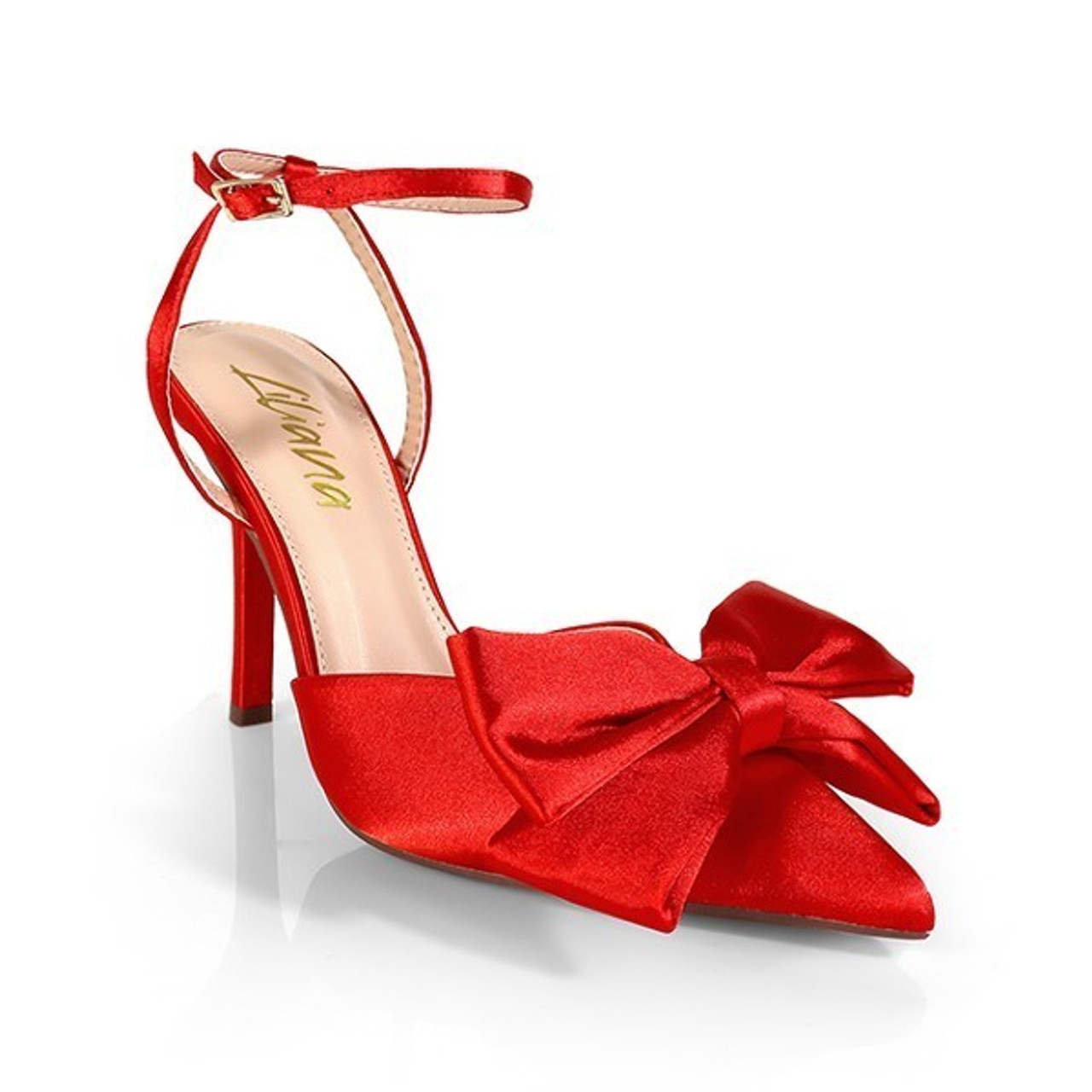
Building a Capsule Wardrobe: The Foundation of Effortless Dressing
The cornerstone of never having “nothing to wear” is a thoughtfully curated capsule wardrobe. This concept, popularized by stylists like Susie Faux in the 1970s and later by Donna Karan with her “Seven Easy Pieces,” revolves around a limited collection of essential, high-quality, and interchangeable items that form the backbone of your style. The objective is scientific in its efficiency: to maximize outfit combinations while minimizing items. It’s a sartorial application of the Pareto Principle, where roughly 20% of your wardrobe (the core pieces) should be able to create 80% of your outfits. A functional capsule wardrobe typically includes neutral basics (a well-fitting blazer, tailored trousers, a white shirt, a quality knit), a few strategic statement pieces, and, crucially, your signature elements. This is where an item like your bow red heels shines. They are the perfect example of a statement piece that can elevate multiple neutral-based outfits. Paired with dark denim and a simple sweater, they transform a casual look into something chic and intentional. With a sleek black dress, they become the focal point of an elegant evening ensemble. The versatility of such a piece is its power. When building your capsule, prioritize fabric and fit over quantity. Natural fibers like wool, cotton, silk, and linen not only look more luxurious but often wear better over time. As Tim Gunn famously emphasized, “Make it work!”—a mantra that applies to selecting pieces that truly work for your lifestyle and body. A capsule wardrobe is not about deprivation; it’s about liberation. It clears the clutter, saves time, reduces stress, and ensures you always have a base of outfits that make you feel confident. It’s a sustainable and economical approach, encouraging investment in fewer, better things rather than constant consumption of disposable trends.
The Art of Strategic Accessorizing: Defining the Silhouette
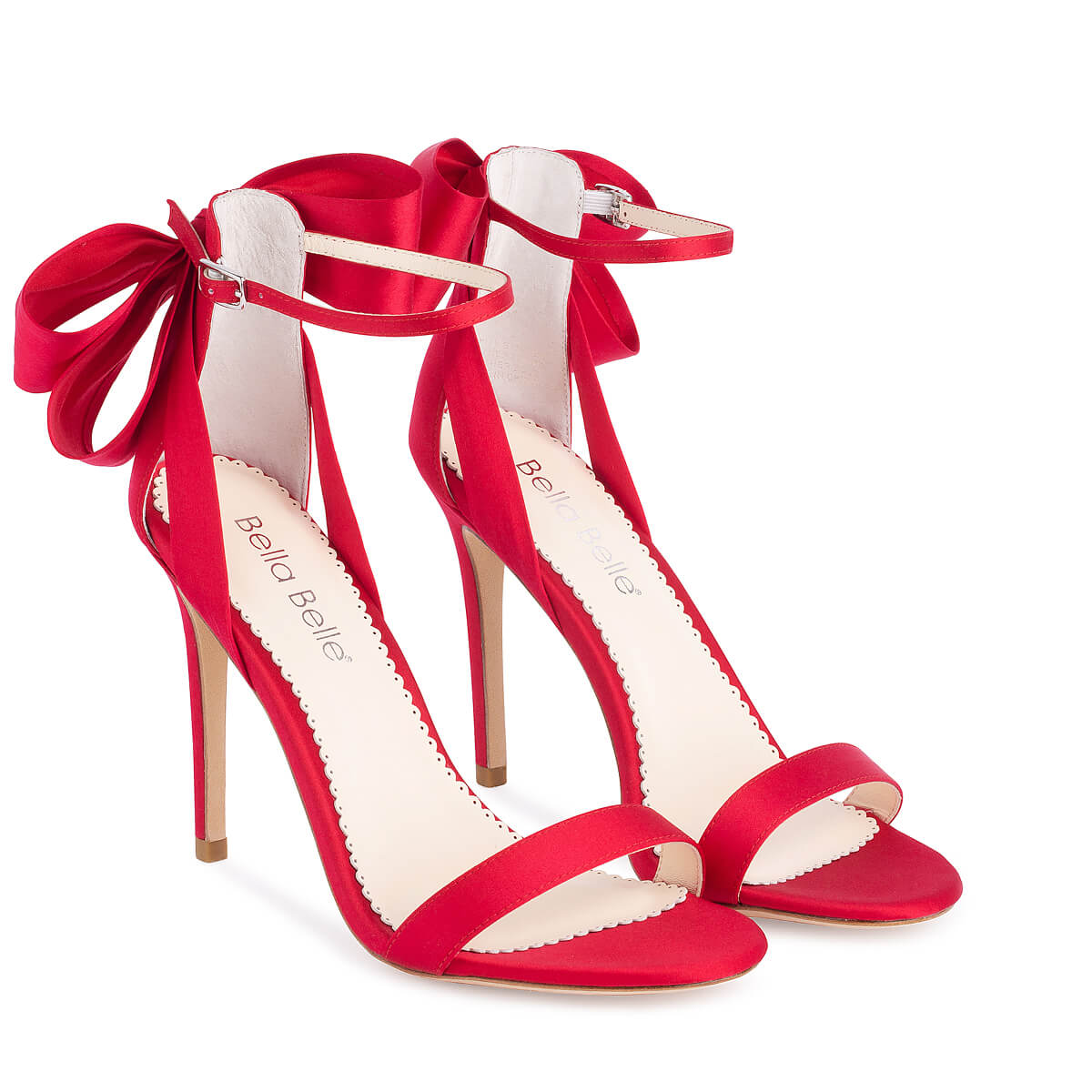
Accessories are the punctuation marks of an outfit; they define, emphasize, and complete the sartorial sentence. Strategic accessorizing is what separates a dressed person from a styled individual. It involves understanding scale, balance, and focal points. The rule of thumb is to choose one or two key areas to highlight. If you’re wearing a bold necklace, opt for simpler earrings. If your shoes are the star, like our exemplary bow red heels, then keep other accessories minimal and let them command attention. This principle of a single focal point is drawn from classic design theory, which warns against visual competition that leads to clutter. A statement shoe fundamentally alters the silhouette and energy of an outfit. As Christian Louboutin, the maestro of provocative footwear, once reflected, “A shoe has so much more to offer than just to walk. It’s like a good foundation. It can make your outfit.” This isn’t mere hyperbole. A heel changes your posture, your gait, and how you carry yourself, which in turn affects your confidence. The strategic use of accessories also includes understanding proportion. A large handbag can overwhelm a delicate dress, while a tiny clutch might get lost with a voluminous coat. Belts are invaluable tools for defining the waist and creating shape, a technique consistently used in costuming to sculpt the actor’s form. Furthermore, don’t underestimate the power of hosiery, scarves, or even a distinctive watch. Each addition should feel intentional. The goal is to create a cohesive whole where every piece supports the narrative of your look without shouting over each other. By mastering this art, you can take a simple capsule wardrobe outfit and endlessly reinvent it, ensuring you never look the same way twice, even with a limited set of core clothing.
Context is King: Adapting Your Style to the Occasion
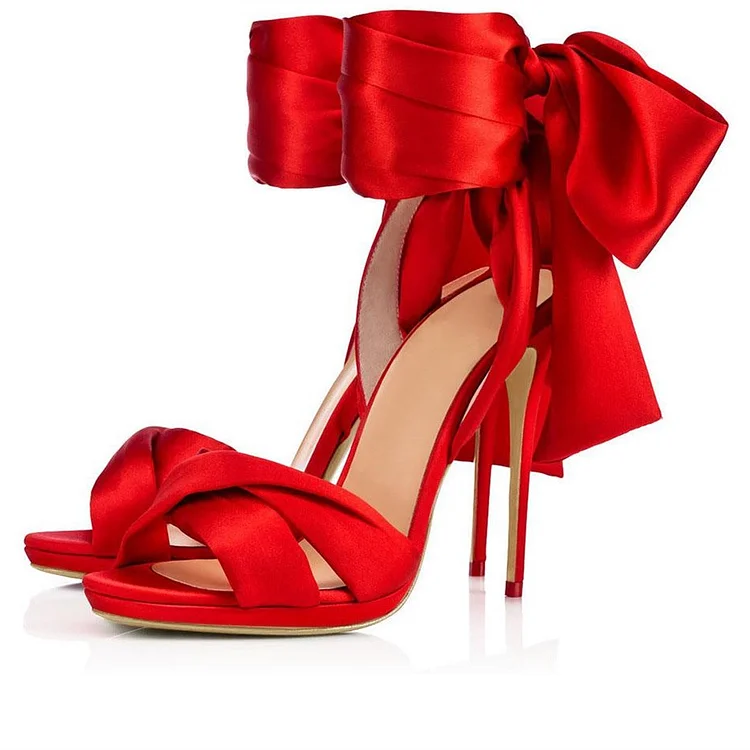
Effortless style is inherently contextual. What works for a weekend brunch will not suffice for a corporate presentation or a black-tie wedding. The truly stylish individual possesses a kind of sartorial intelligence—the ability to read a setting and dress appropriately while still injecting personal flair. This is often referred to as “dressing for the code,” whether it’s business formal, cocktail attire, or smart casual. The mistake many make is either under-dressing (showing a lack of respect for the event) or over-dressing (which can seem out of touch). The key is adaptation. For a business meeting, your bow red heels can be paired with a tailored navy suit and a crisp white blouse, adding a controlled burst of personality to a professional uniform. For a romantic dinner, those same heels might accompany a fluid, silk slip dress. The shoes remain constant, but their context changes their message. This adaptability is a skill praised by style icons. In her book The Politics of Fashion, Diana Vreeland noted the importance of understanding one’s environment. Similarly, the “costume design” of characters in films like The Devil Wears Prada meticulously uses clothing to signal power shifts, belonging, and transformation within the specific world of Runway magazine. To master this, start by decoding the invitation or understanding the venue’s vibe. When in doubt, it’s always better to be slightly more dressed up than underdressed. The foundation of your capsule wardrobe ensures you have appropriate bases (the blazer, the dress, the trousers), and your signature elements and accessories allow you to modulate the tone. This flexibility ensures you always feel like yourself, no matter the backdrop, because your style is not a rigid costume but a fluid expression.
Investment vs. Trend: The Long-Term Style Calculus
In an era of fast fashion, the most effortless style strategy is often the slowest: investing in quality over quantity. This is not merely an aesthetic choice but an economic and environmental one. The “cost per wear” metric is a valuable tool here. A $300 pair of well-crafted leather bow red heels worn 100 times costs $3 per wear and will likely last for those 100 wears with proper care. A $50 trendy pair worn 5 times before falling apart or going out of style costs $10 per wear. The math favors the investment piece. Quality is discernible in details: sturdy construction, precision in stitching, the feel of the material, and the comfort of the fit. These pieces become wardrobe staples that return value season after season. This philosophy is echoed by sustainability advocates like Livia Firth and is the cornerstone of brands like Patagonia, which encourages repair over replacement. It also aligns with the concept of “quiet luxury” or “stealth wealth” seen in shows like Succession, where the focus is on impeccable fabric and cut rather than logos. This doesn’t mean you must never buy trendy items. Instead, adopt a balanced portfolio: a solid foundation of investment pieces (your capsule), a few seasonal trends acquired inexpensively (perhaps a colorful scarf or a statement bag), and your signature elements that bridge both worlds. By focusing most of your budget on timeless, versatile items, you build a resilient wardrobe that withstands the ebb and flow of trends. The result is a closet full of clothes you love and wear frequently, which is the ultimate definition of effortless, personal style. It’s a style that feels discounted in the long run because you’re buying less but better, and always looking your best.

Ultimately, effortless style is a practiced ease, a dialogue between the internal self and the external world. It begins with understanding the foundational principles of a cohesive wardrobe, recognizing the power of a signature touch like a pair of bow red heels, and mastering the arts of accessorizing and contextual adaptation. It’s a commitment to intentionality over impulse, to quality over quantity. This approach doesn’t stifle creativity; it provides the framework within which your personal style can flourish most authentically. When your wardrobe is built on these pillars, getting dressed ceases to be a chore and becomes a simple, joyful act of self-expression for any occasion that comes your way.
