

The Walking Shoe: Your Secret Weapon for Effortless Style and All-Day Comfort
In a world that often prioritizes extremes—high fashion that sacrifices well-being or athletic gear that ignores aesthetics—a quiet revolution is taking place right under our feet. It’s not about choosing between looking good and feeling good; it’s about discovering the tool that seamlessly delivers both. That tool is the walking shoe. This isn’t merely about footwear; it’s about a fundamental shift in how we approach daily life. The right pair transcends its basic function, becoming an indispensable ally in navigating urban landscapes, enhancing personal health, and expressing a pragmatic yet polished personal style. Forget the notion that comfort necessitates compromise. Today’s walking shoe is engineered with scientific precision and designed with aesthetic intelligence, making it the ultimate secret weapon for the modern individual.
The Anatomy of All-Day Comfort: More Than Just a Soft Sole
To understand why a modern walking shoe is so transformative, we must dissect the science of comfort. It’s a common misconception that a soft, pillowy insole equates to all-day support. In reality, effective comfort is a complex interplay of biomechanics, material science, and ergonomic design. According to research from the Human Performance Laboratory at the University of Calgary, optimal footwear for sustained ambulation must address three core principles: cushioning, stability, and gait cycle efficiency. Cushioning isn’t just about shock absorption at the heel strike; it’s about a graduated response that dissipates impact forces through the midsole materials, such as advanced ethylene-vinyl acetate (EVA) or polyurethane foams. Stability is provided by a combination of a supportive heel counter—the firm cup at the back of the shoe—and often a medial post to control overpronation, the inward rolling of the foot that can lead to long-term joint stress. The gait cycle, the sequence of movements from heel strike to toe-off, is facilitated by a design feature known as a rocker sole. This subtle upward curve in the forefoot propels you forward, reducing the strain on your calf muscles and Achilles tendon. As Dr. Casey Kerrigan, a former Harvard Medical School professor and founder of a biomechanics-focused footwear company, once stated in an interview with The Washington Post, “The goal is to work with the body’s natural mechanics, not against them. A shoe should facilitate efficient motion, not restrict or artificially alter it in a way that creates downstream problems.” This scientific foundation is what separates a true walking shoe from a casual sneaker or a running shoe repurposed for the wrong activity.
Style Reimagined: Where Form Meets Function Without Apology
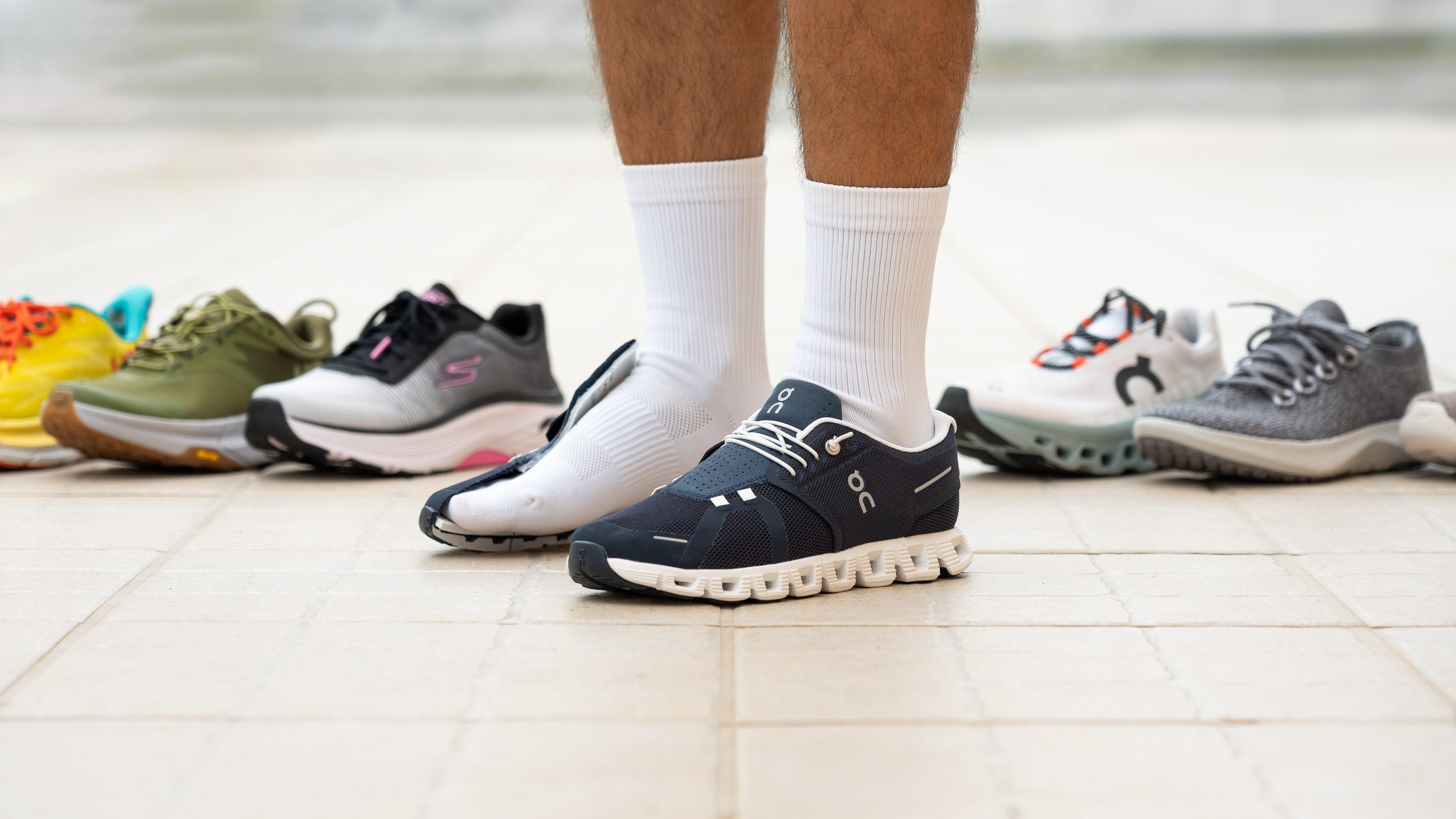
The historical divide between “dress shoes” and “comfort shoes” has left a legacy of sartorial sacrifice. No longer. The aesthetic evolution of the walking shoe is a direct response to a cultural demand for versatility. Designers are now leveraging clean lines, minimalist profiles, and premium materials like suede, knit uppers, and full-grain leather to create footwear that is as at home in a casual Friday meeting as it is on a weekend museum stroll. This trend echoes the “quiet luxury” movement and the principles of functional fashion championed by brands like COS or Everlane. The philosophy is clear: style should be inherent, not an added layer of discomfort. Consider the iconic status of certain sneaker models adopted by professionals worldwide; they succeeded because they offered a coherent design language. The modern walking shoe follows this blueprint but with a dedicated comfort-first engineering core. It answers a question posed by countless style forums on Quora and Reddit: “How can I look put-together while being on my feet all day?” The answer lies in choosing a shoe whose design intelligence is matched by its technical construction. A sleek, monochromatic walking shoe in grey or navy can anchor an outfit, providing a look of considered sophistication that a bulky athletic trainer cannot. This is not about hiding your comfortable shoes; it’s about wearing them with pride as a symbol of smart, sustainable living.
Your Body’s Silent Partner: The Long-Term Health Dividend
Investing in a proper walking shoe is a proactive investment in your musculoskeletal health. The consequences of improper footwear are well-documented in podiatric literature. A study published in the Journal of Foot and Ankle Research highlights the link between inadequate shoe support and common ailments like plantar fasciitis, metatarsalgia (ball-of-foot pain), and knee osteoarthritis. Every step in a supportive walking shoe is an act of prevention. The arch support maintains the foot’s natural structure, preventing the ligaments from over-stretching. The adequate toe box width allows your toes to splay naturally upon impact, improving balance and reducing the chance of developing bunions or hammertoes. This is crucial not just for dedicated walkers, but for anyone with a commute, a standing desk, or an active lifestyle chasing children or navigating grocery store aisles. The benefits compound over time. Think of it as compound interest for your joints. As noted by biomechanist Katy Bowman in her book Move Your DNA, our footwear choices directly influence our movement patterns. “Shoes are the interface between our body and the ground. They are the first point of contact in our movement ecology, and their design dictates much of how, and how well, we move throughout the day.” By choosing a shoe designed for the specific, repetitive mechanics of walking, you are aligning your daily movement with your body’s biological needs, reducing fatigue and the cumulative micro-traumas that lead to chronic pain.
The Selection Algorithm: Finding Your Perfect Match
With the “why” firmly established, the “how” becomes critical. Selecting your ideal walking shoe is a personal algorithm based on fit, activity, and physiology. First, prioritize fit above all else. Renowned running and walking specialty stores emphasize a late-day fitting when feet are at their largest, often having you stand to ensure a thumb’s width of space in front of your longest toe. Second, understand your gait. Many specialty stores offer brief gait analysis, observing whether you have a neutral stride, overpronate, or supinate (roll outward). This will guide you toward shoes with the appropriate level of stability or motion control. Third, match the shoe to your primary activity. Are you logging miles on pavement, or is your walking mixed with periods of standing? For hard surfaces, prioritize cushioning. For all-day standing, look for exceptional arch support and a rocker sole. Don’t be swayed by trends alone; the best shoe for a celebrity on YouTube might not be the best for your foot structure. Resources like the comprehensive buyer guides on Runner’s World or the detailed comparisons on RunRepeat provide data-driven reviews that cut through marketing hype, examining durability, weight, and cushioning metrics objectively. Remember, the most expensive shoe is not necessarily the best—it’s the one that disappears on your foot, allowing you to move freely and without thought.
Beyond the Purchase: An Ecosystem of Value and Care
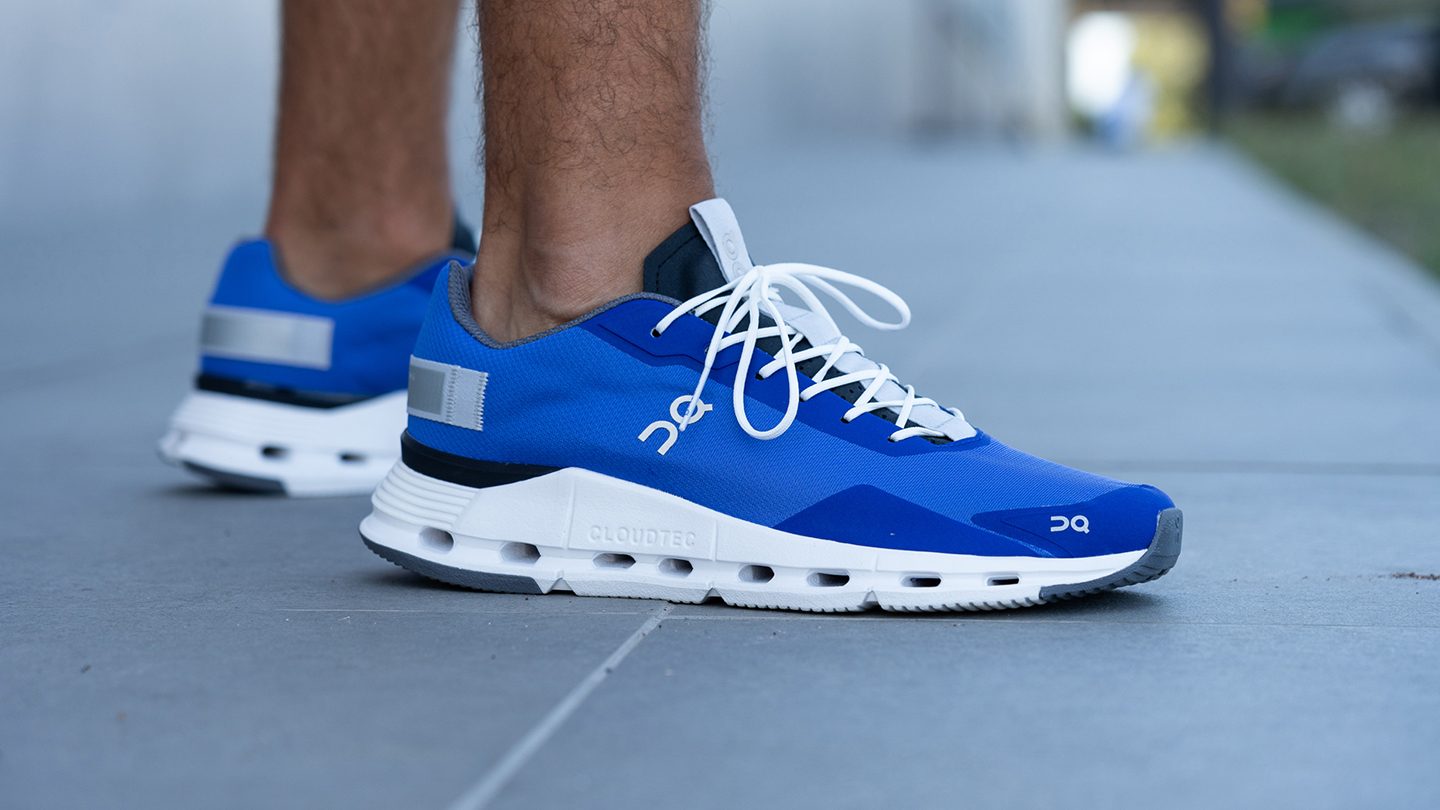
Acquiring your secret weapon is just the beginning. To truly maximize its value, consider it part of a broader ecosystem of well-being. Pair your shoes with quality, moisture-wicking socks to manage the micro-climate around your feet. Rotate between two pairs if possible; this allows the midsole foam to fully rebound between uses, dramatically extending the shoe’s functional life. Most high-quality walking shoes have a lifespan of 300-500 miles of wear, after which the cushioning and support degrade even if the upper looks fine. Furthermore, the market now offers incredible value. Direct-to-consumer brands and seasonal sales from established manufacturers make this technology accessible. You are not paying for bloated marketing budgets but for engineered materials and patented construction techniques. This democratization of comfort means that investing in your well-being doesn’t require a luxury budget. It requires informed choice. By caring for your shoes—cleaning them appropriately and retiring them at the right time—you protect the investment you’ve made in your own comfort and health.
Step Into a New Standard
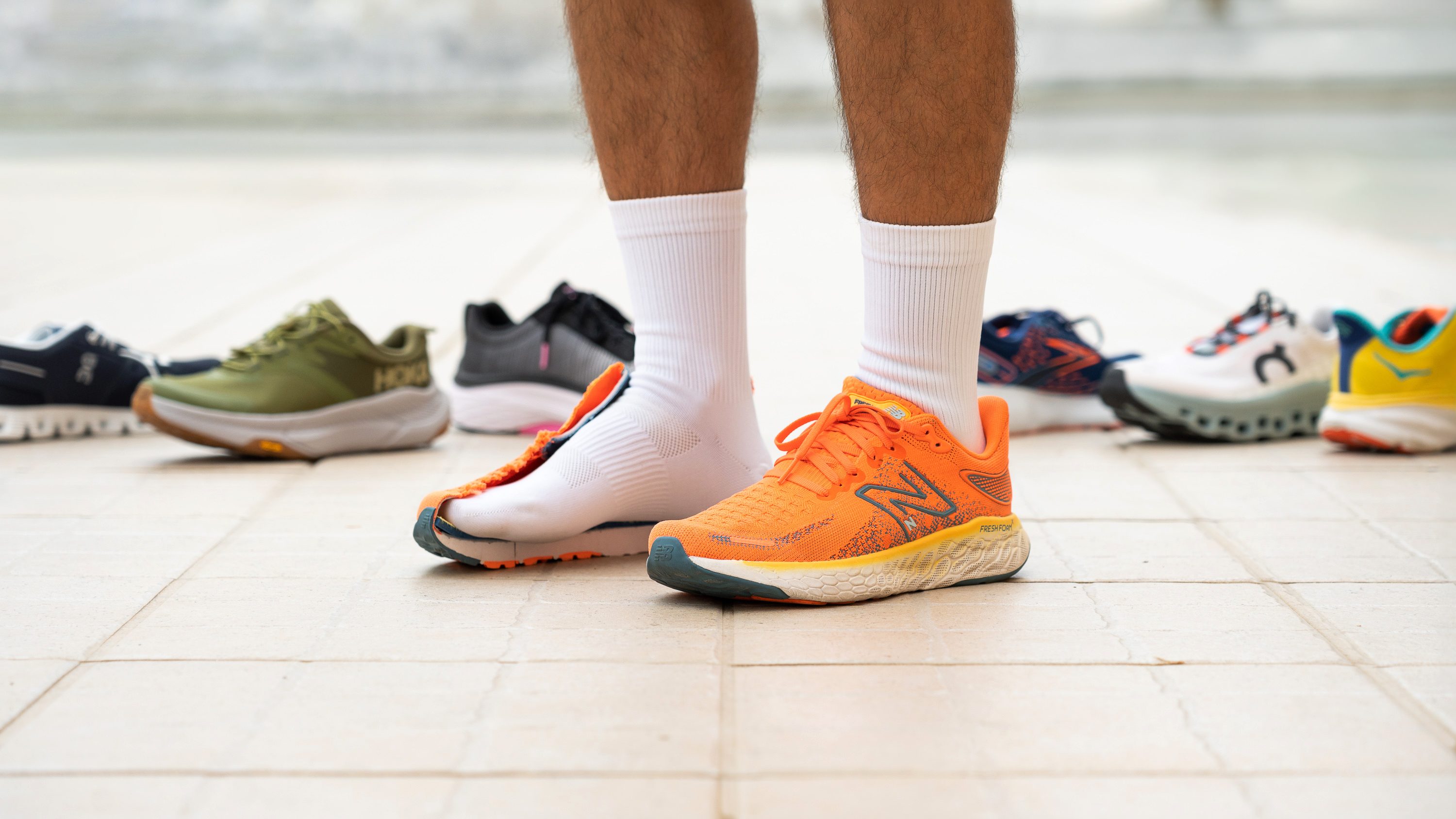
The narrative that we must endure discomfort for style or vice versa is obsolete. The modern walking shoe stands as a testament to human-centered design, where rigorous science and thoughtful aesthetics converge. It empowers you to move through your day not as a series of physical compromises, but with sustained energy and understated confidence. This is not a minor accessory; it is the foundation upon which an active, engaged, and stylish life is built. When your feet are supported, your posture improves, your energy is conserved, and your mindset shifts from enduring the day to embracing it. Make the choice that serves your body and your style in equal measure. Discover the quiet power of the perfect pair, and let every step you take be a statement of intelligent self-care.
