

The Walking Shoe: Your Ultimate Guide to Comfort and Style
Forget the notion that comfort and style exist in separate worlds. The modern walking shoe is a testament to human ingenuity, a fusion of biomechanical science and aesthetic design crafted for the rhythm of daily life. It’s not merely an accessory for a specific sport; it is the foundational gear for the most fundamental human movement. Whether you’re navigating urban landscapes, exploring nature trails, or simply chasing errands, the right pair transforms an ordinary activity into a journey of well-being. This guide delves beyond marketing buzzwords, offering a clear-eyed, scientifically-grounded exploration of what makes a great walking shoe, empowering you to make an informed choice that supports your body and complements your life.
The Anatomy of Comfort: Decoding the Walking Shoe
To understand the walking shoe, one must first understand the walking gait. Unlike running, which involves a flight phase, walking always keeps one foot in contact with the ground, creating a rolling motion from heel strike to toe-off. This repetitive, lower-impact cycle demands specific support. The cornerstone of comfort lies in the midsole, typically crafted from materials like EVA (ethylene-vinyl acetate) or polyurethane. EVA provides excellent lightweight cushioning, a feature highlighted in podiatric literature from institutions like the University of Pittsburgh Medical Center, which notes that shock absorption is critical in preventing stress-related injuries in the feet and knees. More advanced midsoles may incorporate proprietary technologies like gel capsules, air units, or thermoplastic polyurethane (TPU) plates to distribute pressure and propel the foot forward efficiently. The insole or sockliner is your foot’s immediate interface; a contoured, arch-supporting design can mitigate conditions like plantar fasciitis. The outsole’s rubber compound and tread pattern determine durability and traction—a multifaceted lug pattern is essential for varied surfaces, a principle well-documented in ergonomic studies of footwear. The upper, often made from engineered mesh, provides breathability and a secure, adaptive fit. When these elements harmonize, the shoe ceases to be an object and becomes an extension of your movement.
Cushioning vs. Support: The Critical Balance
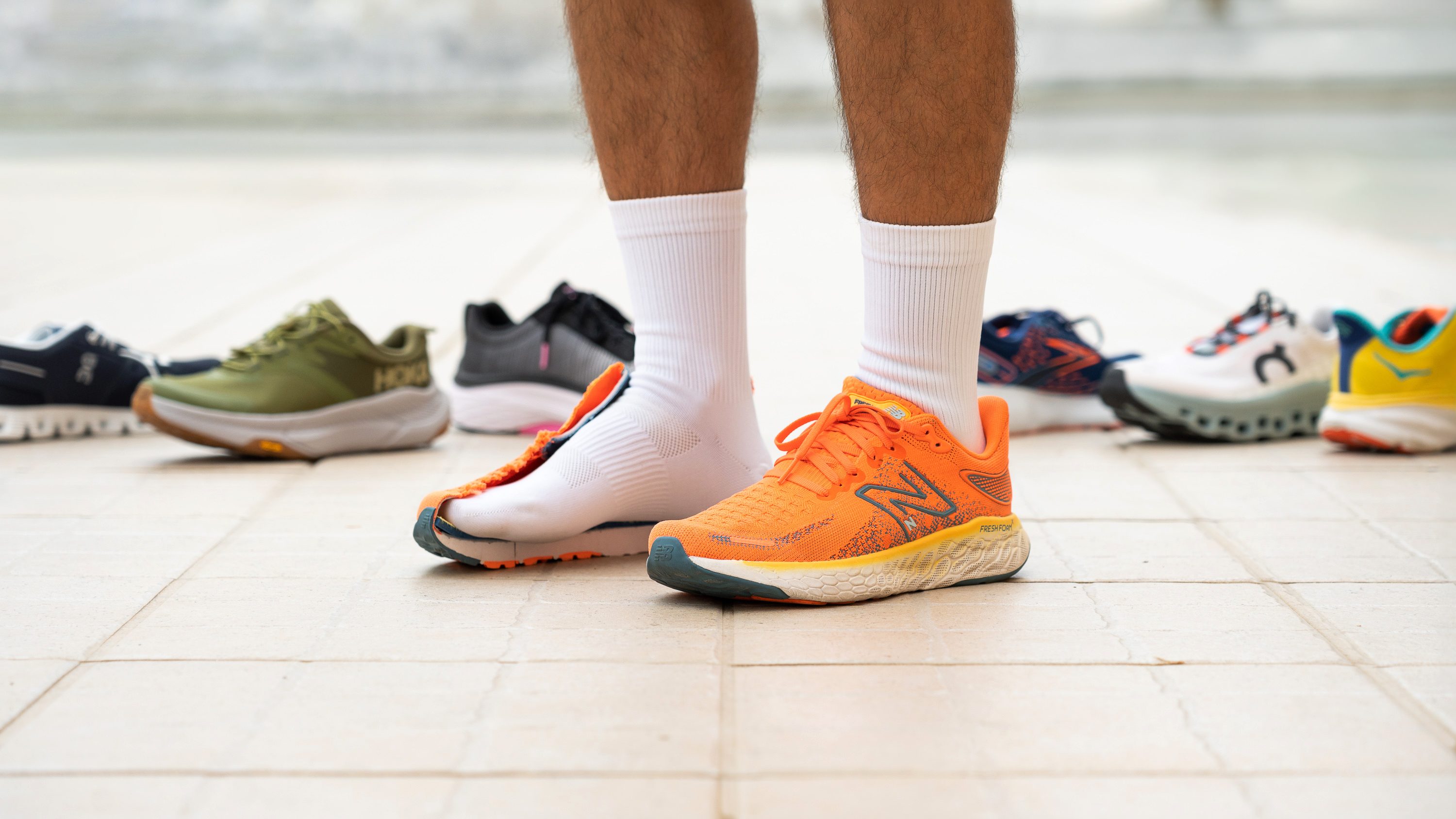
A common misconception is that more cushioning equates to better comfort. This is a dangerous oversimplification. Excessive, overly soft cushioning can destabilize the foot, allowing it to roll inward excessively (overpronation) or outward (supination), leading to alignment issues that travel up the kinetic chain to ankles, knees, and hips. True comfort arises from a balance of cushioning and structured support. Motion control or stability features, such as medial posts (firmer foam on the inner side of the midsole) or guide rails, are engineered to correct these gait deviations. As noted by Dr. James R. Christina, DPM, former CEO of the American Podiatric Medical Association, “The goal is not to cradle the foot in a cloud, but to guide it through a natural, healthy path of motion.” Consider the analogy from architecture: a skyscraper needs both flexible materials to sway with the wind (cushioning) and a rigid steel frame (support) to remain standing. Your body is that structure. Therefore, selecting a walking shoe involves understanding your gait. While a professional gait analysis is ideal, a simple “wet test” of your footprint can offer initial insight into your arch type, guiding you toward neutral, stability, or motion-control categories.
Where Performance Meets Aesthetics: The Style Equation
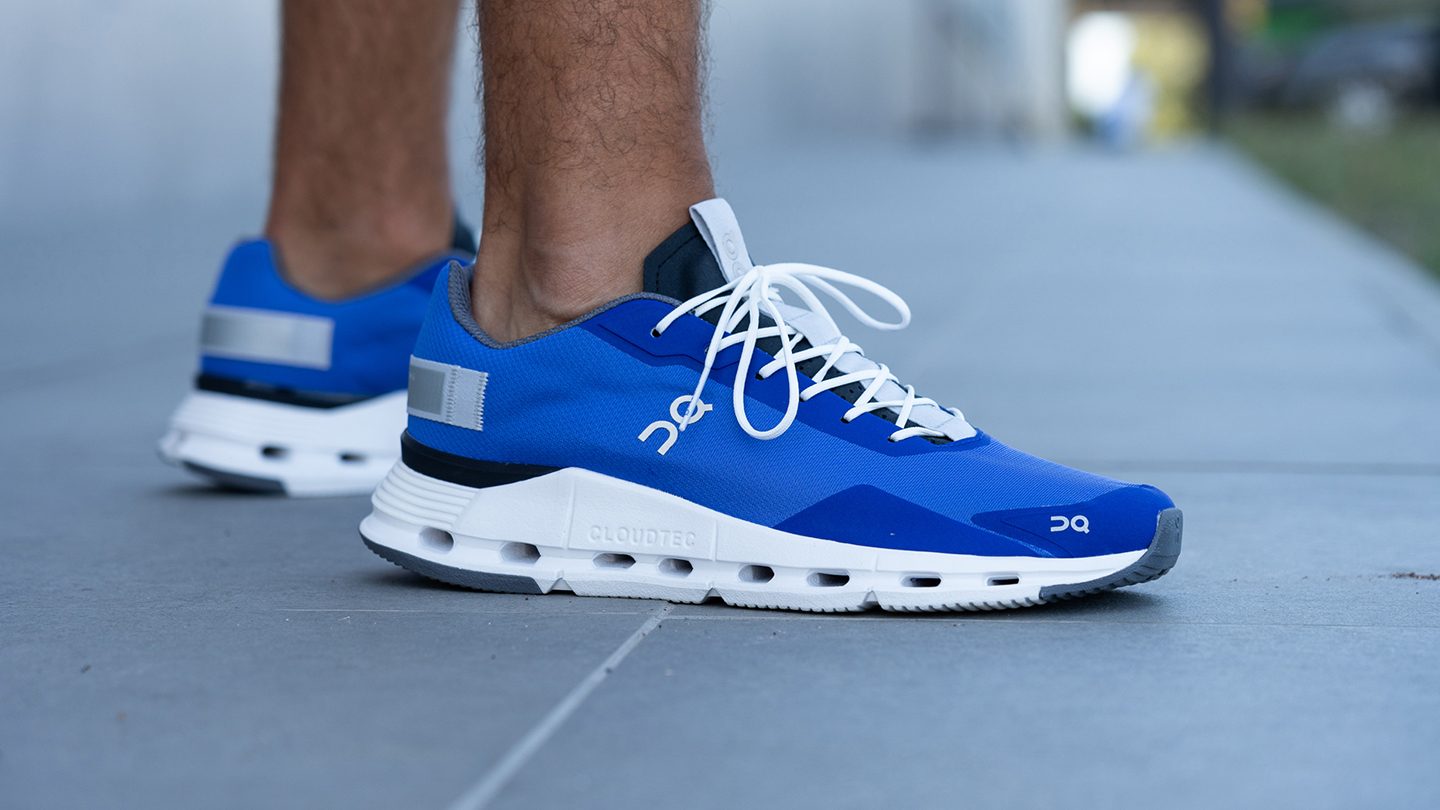
The historical divide between athletic shoes and fashion footwear has decisively closed. The rise of “athleisure” and functional fashion, chronicled by trend analysts from websites like Business of Fashion, reflects a cultural shift toward holistic living where performance and appearance are integrated. Today’s leading walking shoe brands invest heavily in design languages that speak to this duality. A sleek silhouette, a thoughtfully chosen color palette—from minimalist monochromes to bold, expressive hues—and the use of premium materials like suede overlays or reflective details allow these shoes to transition seamlessly from a morning walk to a casual lunch. This isn’t about vanity; it’s about versatility and identity. As filmmaker and avid walker Werner Herzog once mused on the act of walking, “It is a form of contemplation, a way of being in the world.” The shoe that facilitates this should be one you are pleased to wear, a piece that reflects your personal style while performing its primary duty. The best designs understand that aesthetic appeal can enhance the wearer’s confidence and commitment to an active lifestyle, creating a positive feedback loop between how you feel and how you move.
Material Innovation: Breathability and Sustainability
The modern upper is a marvel of textile engineering. Gone are the days of heavy, non-breathable leather. Modern engineered mesh provides targeted zones of flexibility and support, with tiny pores that facilitate constant air circulation to keep feet cool and dry—a key factor in preventing blisters and microbial growth. Furthermore, the industry is undergoing a green revolution. Brands are increasingly utilizing recycled polyester from plastic bottles, organic cotton, and even plant-based materials like algae foam for midsoles. This shift, heavily promoted on platforms like YouTube by eco-conscious influencers and detailed in sustainability reports from major manufacturers, responds to a growing consumer demand for responsible production. Choosing a shoe made with recycled content is no longer a compromise on performance; it’s an alignment of values. These materials undergo rigorous testing to meet the same durability and comfort standards as their virgin counterparts, proving that environmental stewardship and cutting-edge footwear technology can, and do, walk hand in hand.
The Expert Consensus: What the Authorities Say
Navigating claims can be daunting, so turning to aggregated expert opinions provides a reliable compass. Podiatrists consistently emphasize fit above all else. There should be about a thumb’s width (roughly 1.3 cm) of space between your longest toe and the end of the shoe, and the widest part of your foot should align with the shoe’s widest part without feeling constricted. Biomechanics researchers from universities like Stanford often highlight the importance of heel counter rigidity—the firm cup at the back of the shoe that stabilizes the heel, preventing slippage and excessive movement. Meanwhile, professional shoe fitters and long-distance walkers, whose insights populate forums from Quora to specialized hiking blogs, swear by the “break-in” fallacy; a proper walking shoe should feel comfortable immediately, not after a painful stretching period. As legendary runner and coach Jeff Galloway states in his training philosophies, “Your shoes are your most important piece of equipment. Listen to your feet.” This collective wisdom forms a checklist: precise fit, stable heel, adequate toe box volume, and instant comfort. These are non-negotiable pillars supported by both science and lived experience.

Investment in Wellness: The Long-Term Value Proposition
Viewing a quality walking shoe as an expense is a short-sighted perspective; it is an investment in your long-term musculoskeletal health. Compromising on footwear can lead to a cascade of preventable issues, from localized foot pain to costly physical therapy for knee or back problems. The recommended replacement interval is typically every 300-500 miles, as the midsole’s shock-absorbing properties degrade long before the outsole wears out completely. To make this investment more accessible, savvy shoppers can leverage several strategies. Signing up for brand newsletters often yields first-time discounts. Major holiday sales, end-of-season clearances, and outlet stores are excellent avenues for finding premium models at significantly reduced prices. Furthermore, some specialty running stores offer loyalty programs or discounts on previous model years, which frequently provide nearly identical technology and performance at a fraction of the cost. The goal is to acquire the right tool for the job without overpaying, ensuring your path to comfort is both physically and financially sustainable.
The journey to finding your perfect pair is an exercise in self-knowledge. It requires honesty about your gait, your daily terrain, your aesthetic preferences, and your commitment to sustainable choices. The ideal walking shoe is out there, waiting to be discovered—a seamless blend of engineering and art designed to carry you forward in comfort and confidence. Let your next step be an informed one.
