

The Best Tennis Shoes for Everyday Walking Comfort
When we talk about finding the perfect companion for our daily strides, the conversation inevitably turns to footwear that bridges the gap between specialized sport and universal comfort. The idea of using tennis shoes for walking is not a novel one, but it is a concept that merits a deep, scientific, and practical exploration. This isn’t about repurposing in a pinch; it’s about recognizing a category of shoe engineered for lateral support, cushioning, and durability—attributes that translate exceptionally well to the biomechanics of walking. Throughout this discussion, we will dissect the anatomy of a great walking shoe, argue why certain tennis models excel, and guide you toward making an informed choice that supports your body from the ground up.
The Foundation: Why Tennis Shoes and Walking Biomechanics Align
To understand the synergy, we must first look at the science of walking, or gait biomechanics. According to resources from authoritative institutions like the University of California, San Francisco’s Department of Orthopaedic Surgery, the walking gait cycle involves a heel strike, foot flat, mid-stance, and toe-off. This repetitive motion places consistent, linear pressure on the joints, particularly the knees and hips. Tennis, however, is a game of explosive lateral movements, quick stops, and starts. The shoes designed for this sport, therefore, prioritize features like reinforced sides (for lateral stability), robust toe guards (for drag during serves), and cushioning that manages multi-directional impact. When applied to walking, this built-in lateral support offers exceptional stability, preventing the subtle ankle rolls that can occur on uneven urban terrain. The cushioning systems, often featuring advanced foams like Adidas’ Boost or Nike’s React—technologies frequently cited in wearer reviews on platforms like Runner’s World—absorb the heel-strike shock more effectively than many flat-soled casual shoes. In essence, a well-chosen tennis shoe provides a protective, stable platform that caters superbly to the linear yet impactful nature of walking.
:max_bytes(150000):strip_icc()/Web_1500-vwt-primary-best-overall-shoe-tstaples-118-671f4e0048e64d14a1c42e4f8d9e6658.jpg)
Dissecting the Anatomy: Key Features of a Walking-Worthy Tennis Shoe
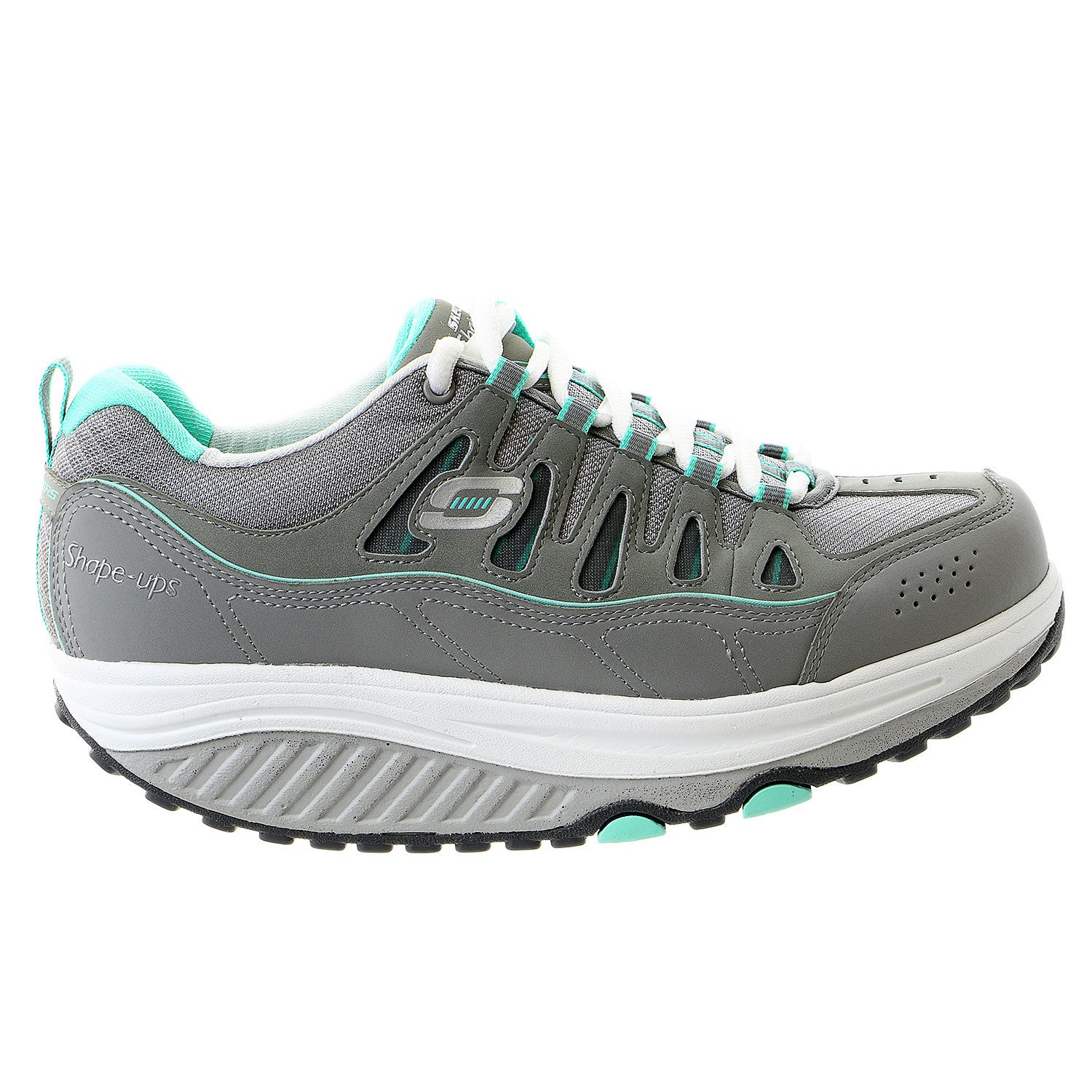
Not all tennis shoes are created equal for pedestrian purposes. We must examine specific components. The upper material is crucial; look for engineered mesh which, as noted in product analyses on sites like Tennis Warehouse, offers breathability and flexibility, preventing hot spots during long walks. The midsole is the heart of comfort. EVA or polyurethane foams are standard, but the latest proprietary compounds provide superior energy return. For instance, Asics’ Gel cushioning, a technology often highlighted in biomechanics studies for its shock dispersion, is a hallmark of their tennis line and is incredibly forgiving on pavement. The outsole pattern is another differentiator. A herringbone or modified tread pattern common on hard-court tennis shoes offers excellent grip on concrete and asphalt without being overly aggressive. Finally, the heel counter—the firm cup at the back—should be sturdy. A study published in the Journal of Orthopaedic & Sports Physical Therapy emphasizes the role of a firm heel counter in controlling rearfoot motion, a key for walkers. Therefore, when selecting tennis shoes for walking, prioritize models known for plush cushioning, structured support, and durable, non-marking rubber outsoles.
Beyond the Court: Testimonials and Expert Opinions
The practical evidence supporting this choice is vast and vocal. On community-driven platforms like Quora and Reddit’s r/walking, countless users extol the virtues of switching from generic sneakers to dedicated court shoes for their daily mileage. One prolific contributor noted, “My knee pain vanished after I started wearing my old tennis shoes for my 10,000-step routine.” This anecdote aligns with podiatric advice. Dr. Jacqueline Sutera, a New York City-based podiatrist frequently quoted in health magazines, has stated, “Shoes with a wider base and stable platform, like many tennis shoes, can help distribute weight more evenly and are excellent for walkers.” Furthermore, consider the endorsement by culture. In the iconic book “Born to Run” by Christopher McDougall, while focused on minimalist running, the underlying theme is finding footwear that respects natural movement while offering protection—a principle a supportive tennis shoe upholds. Even in film, the pragmatic, comfort-first character often gravitates toward classic athletic styles, subtly reinforcing their everyday utility. These converging viewpoints from users, professionals, and culture solidify the argument that the right tennis shoe is a formidable tool for walkers.

A Curated Selection: Models That Excel on the Pavement
Let’s translate theory into tangible recommendations. Based on continuous reviews from sources like Wirecutter, YouTube channels dedicated to shoe tech (such as “Doctor of Running”), and aggregated consumer feedback, several models stand out. The New Balance Fresh Foam Lav stands as a paragon, offering a supremely soft yet responsive Fresh Foam midsole in a sleek package, perfect for all-day wear. Another stellar option is the Adidas Courtjam Bounce, which utilizes Bounce cushioning for a firm yet comfortable ride that promotes energy efficiency—a boon for long urban explorations. For those seeking maximum cushioning, the Asics Gel-Resolution 8, with its rearfoot and forefoot Gel units, provides legendary shock absorption. It’s worth noting that these are often available at significant discounts on sites like Amazon or Zappos during seasonal sales, especially for previous model years. A pro-tip: look for colorways that are less popular on the court; they are often sold at a lower price but offer identical performance. Investing in a pair of these dedicated tennis shoes for walking is an investment in long-term joint health and daily comfort, often at a fraction of the cost of high-end “wellness” footwear.

The Personal Fit: How to Choose Your Pair
Your journey to finding the ideal pair is personal and physiological. It begins with understanding your foot type. A simple wet foot test on a paper bag can reveal if you have a neutral arch, a low arch (overpronator), or a high arch (underpronator). Many tennis shoes, like the Nike Air Zoom Vapor Cage, offer good arch support suitable for neutral to moderate overpronation. Secondly, prioritize fit over style. Your walking shoe should have about a thumbnail’s space between your longest toe and the end of the shoe, with a snug but not tight fit through the midfoot. Remember, feet swell throughout the day, so shop in the afternoon. Third, consider weight. A lighter shoe, such as the K-Swiss Hypercourt Express, reduces leg fatigue over distance. Finally, don’t underestimate the value of trying them on with the socks you intend to wear. Walk around the store, or if purchasing online, ensure the retailer has a robust return policy. The goal is to find a shoe that feels like an extension of your foot—secure, cushioned, and propulsive. This meticulous approach ensures your foray into using tennis shoes for walking is a resounding success.
Maintenance and Longevity: Protecting Your Investment
To maximize the lifespan and performance of your walking tennis shoes, a simple care regimen is essential. The primary wear point for walkers will be the outsole, particularly the heel. Rotating between two pairs allows the midsole foam to decompress fully between uses, dramatically extending its resilient life—a practice recommended by shoe durability tests conducted at institutions like the University of Calgary’s Human Performance Lab. For cleaning, avoid machine washing, which can break down the adhesive and foam. Instead, use a soft brush, mild soap, and water to clean the upper and midsole. Stuff them with newspaper to dry naturally, away from direct heat. Furthermore, be mindful of the shoe’s purpose. While excellent for walking, these are not hiking shoes for rugged trails, nor are they designed for heavy running mileage. Using them within their adapted scope preserves their structure. By caring for your shoes, you ensure that the sophisticated cushioning and support that make them exceptional tennis shoes for walking remain effective for many miles to come.
The search for everyday walking comfort finds a compelling answer not in a niche, untested product, but in a reimagined use of a proven classic. Tennis shoes, with their foundation in stability, impact protection, and durability, offer a scientifically sound and practically validated platform for the walker. From the alignment with gait biomechanics to the chorus of positive user testimonials and expert nods, the evidence is robust. By understanding the key features, selecting a model that fits your unique physiology, and caring for them properly, you transform a piece of sports equipment into a daily instrument of well-being. The path to more comfortable, supported, and enjoyable walks is, quite literally, at your feet.
