

Step Into Comfort and Style with Vionic Walking Shoes
For years, the pursuit of the perfect walking shoe felt like a compromise. You could have cushioning that felt like walking on clouds, but the shoe lacked any structural support, leading to fatigue. You could find a shoe with impeccable arch support, but it looked clinical, something you’d only wear for a prescribed therapy session. This dichotomy between wellness and style left many of us settling for less than our feet deserved. The narrative, however, has been rewritten. The emergence of biomechanically informed footwear has bridged this gap, and at the forefront of this revolution stands a particular category of footwear designed not just for movement, but for holistic foot health. Today, we step beyond mere footwear and into a realm where every stride is supported by science and every design is crafted for contemporary life. The journey to pain-free, stylish walking begins with understanding the foundation beneath us.
The Silent Language of Your Stride: Biomechanics and Foot Health
Before we can appreciate the engineering of a superior walking shoe, we must first listen to the silent language of our own gait. Biomechanics, the study of the mechanical laws relating to the movement of living organisms, provides the essential lexicon. According to resources from authoritative institutions like the University of Delaware’s Department of Kinesiology and Applied Physiology, human gait is a complex, coordinated series of movements involving the feet, ankles, knees, hips, and spine. A disruption at the foundation—the foot—can create a cascade of issues upward, a concept known as the kinetic chain. Pronation, the natural inward roll of the foot upon ground contact, is a perfect example. While normal pronation is a necessary shock-absorbing mechanism, overpronation (excessive inward roll) or supination (insufficient inward roll) can lead to a host of problems including plantar fasciitis, shin splints, knee pain, and even hip discomfort. The American Podiatric Medical Association consistently emphasizes that proper footwear is the first line of defense in managing these biomechanical irregularities. It’s not merely about adding cushion; it’s about guiding the foot through its natural, healthy motion from heel strike to toe-off. This scientific understanding forms the very bedrock upon which specialized footwear is built, aiming not to constrain the foot, but to optimize its innate function.
Where Engineering Meets Anatomy: The Orthotic Foundation
The leap from understanding biomechanics to applying it in footwear is achieved through orthotic design. Unlike generic, flimsy insoles, biomechanical orthotics are precision instruments for the feet. They are designed with specific contours—a deep heel cup for stability, a pronounced arch support to prevent collapse, and a metatarsal pad to relieve forefoot pressure. The goal is to restore alignment. As noted by Dr. Andrew Shapiro, a spokesperson for the American Podiatric Medical Association, “Over-the-counter orthotics can be beneficial for mild to moderate biomechanical issues, providing that supportive framework many feet lack.” This philosophy of built-in, podiatrist-designed support is the cornerstone of the Vionic walking shoe. It transcends the concept of an “insert” and instead bakes professional-grade biomechanical principles directly into the shoe’s foundation. This integrated approach ensures that the support is not an afterthought but the central feature, working in harmony with the shoe’s structure to control motion, distribute pressure, and reduce strain on muscles and ligaments. When you slip your foot into a shoe built on this principle, you’re not just putting on a shoe; you’re activating a support system engineered to converse with your foot’s natural mechanics, encouraging it to move as it was designed to.
Unpacking the Walk: Key Features of a Biomechanical Walking Shoe
So, what tangible elements transform a standard sneaker into a biomechanical tool for comfort? The magic lies in a synergy of specific features, each serving a distinct physiological purpose. First, the aforementioned orthotic footbed is non-negotiable. It should be removable, allowing for customization if needed, but its design should be the product of podiatric insight. Second, look for motion control or stability features. This often manifests as a firmer midsole material on the inner side of the shoe (the medial post) to gently resist overpronation. Third, adequate cushioning is crucial, but it must be strategic. Heel cushioning absorbs impact, while forefoot cushioning provides propulsion comfort. However, this cushioning must be balanced with responsiveness—the shoe shouldn’t feel like quicksand. The outsole needs a flexible groove at the ball of the foot to facilitate the natural toe-off, while the tread pattern should offer reliable grip for various surfaces. Finally, the upper must provide a secure, non-constrictive fit with breathable materials to manage moisture and temperature. A Vionic walking shoe typically embodies this full spectrum: a podiatrist-designed orthotic footbed, a durable rubber outsole with strategic flex points, and a range of uppers from leather to knit that marry security with style. This comprehensive feature set is what separates a shoe that simply covers your foot from one that actively participates in your movement.

From Clinic to Sidewalk: The Evolution of Therapeutic Style
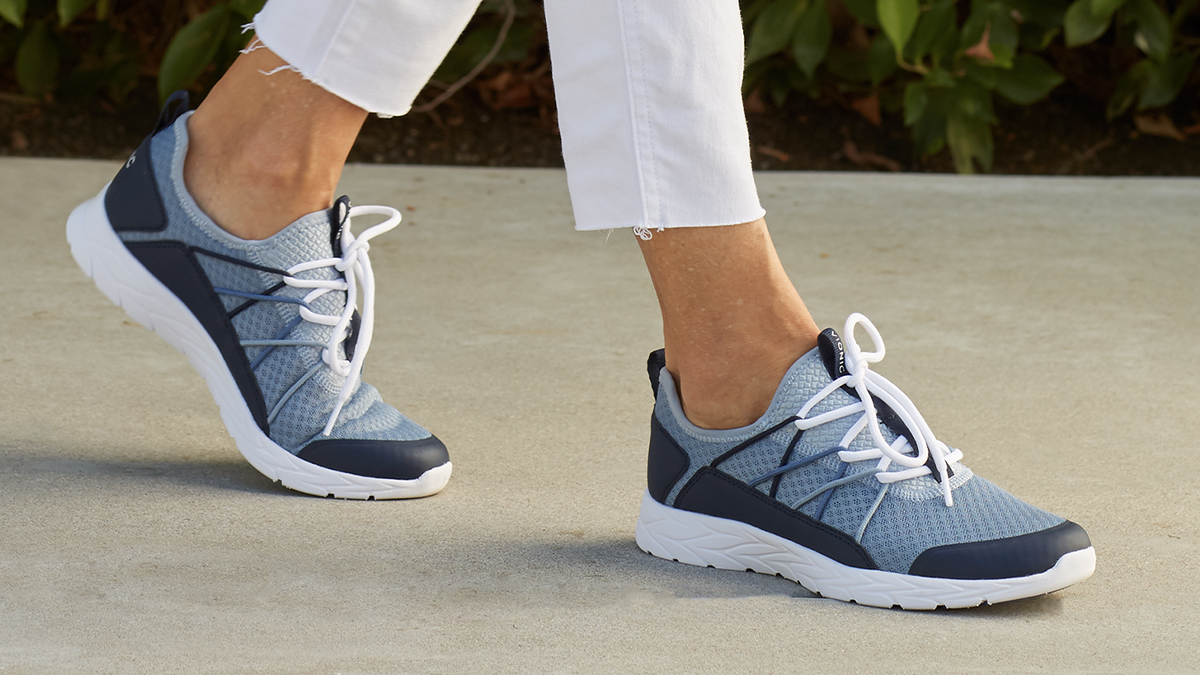
There was a time when “orthopedic” or “therapeutic” footwear was synonymous with bulky, beige, and blatantly medical aesthetics. This created a psychological barrier for many, especially those who valued personal style. The modern breakthrough has been the dissolution of this barrier. Leading brands in the biomechanical footwear space have invested heavily in design, collaborating with fashion experts to translate clinical efficacy into contemporary silhouettes. The result is a collection of shoes you would be proud to wear anywhere—to the office, on a weekend brunch date, or during a day of travel. The Vionic walking shoe exemplifies this evolution. You’ll find sleek sneakers, elegant loafers, sophisticated boots, and versatile sandals, all hiding their advanced engineering within stylish exteriors. This design-forward approach is validated by consumer trends documented on platforms like Quora and fashion wellness blogs, where users repeatedly express their delight at not having to sacrifice looks for comfort. As one fashion influencer on YouTube noted, “Finally, I found shoes that don’t force me to choose between feeling good and looking good. They are a staple in my wardrobe, not a medical device I hide.” This fusion is critical because it promotes consistency. When supportive shoes are attractive, you’re more likely to wear them daily, thereby providing your feet with continuous care.
The Personal Testimony: Voices from the Community
Scientific explanations and feature lists are compelling, but the most resonant evidence often comes from lived experience. Across digital communities, from dedicated footwear forums to social media platforms like Twitter, a chorus of testimonials highlights the transformative impact of switching to biomechanically designed shoes. Individuals who suffered from chronic plantar fasciitis describe being able to take morning steps without searing heel pain. Retail workers and nurses, who spend 12+ hours on their feet, report a dramatic reduction in end-of-day leg and back fatigue. Avid travelers share stories of exploring cities for miles without the typical foot rebellion. These anecdotes are powerful because they represent the real-world application of the science. For instance, a well-known author on a blog about chronic pain detailed her journey, stating, “After two years of debilitating foot pain, my podiatrist suggested I look beyond traditional athletic brands. Switching to a shoe with genuine biomechanical support was the turning point. It wasn’t an instant cure, but it provided the stable platform my feet needed to finally heal.” This sentiment is echoed countless times, painting a clear picture: for many, these shoes are not just a purchase; they are a pivotal part of a wellness lifestyle.

An Investment in Mobility: Understanding Value Beyond Price
It’s true that a high-quality Vionic walking shoe often carries a higher initial price point than a mass-market sneaker. This leads to a vital conversation about value. Viewing such footwear through the lens of an investment in your long-term mobility and comfort reframes the cost. Consider the potential alternative expenses: repeated purchases of cheaper shoes that wear out quickly and offer no support, co-pays for doctor visits for foot or knee pain, the cost of physical therapy, custom orthotics, or even the intangible cost of missed activities due to discomfort. A durable, well-constructed biomechanical shoe is engineered to last, with high-quality materials and solid construction that withstands daily wear. Furthermore, the professional knowledge embedded in its design—knowledge you would pay a podiatrist to access—is included in the price. When brands make this technology accessible, sometimes offering it at a discounted price during seasonal sales or through promotional offers, they are genuinely bringing professional-grade podiatric science to a wider audience. This democratization of foot health is a significant part of the value proposition. You are investing in prevention, performance, and daily pleasure, making the cost per wear—and per year of comfortable movement—exceptionally low.
Your Next Step: Integrating Support into Everyday Life
Embracing this category of footwear is about more than buying a single pair of shoes; it’s about adopting a philosophy for how you support your body in motion. Start by assessing your daily activities. Do you have a primarily sedentary job but take a long daily walk? Are you on your feet all day on hard surfaces? Do you travel frequently? Your dominant activity will guide your first purchase—perhaps a classic walking sneaker or a supportive casual loafer. The key is consistency. Wearing supportive shoes for your main activity and then switching to unsupportive flats or flimsy sandals at home can undermine the benefits. Consider building a small capsule wardrobe of supportive footwear for different contexts. The beauty of today’s market is that this is entirely possible without sacrificing an iota of style. Look for sales from reputable retailers, sign up for brand newsletters for exclusive discounts, and consider last season’s styles, which often offer the same core technology at a reduced price. By strategically integrating these shoes into your life, you make a proactive commitment to your musculoskeletal health. The ground reaction forces traveling up your body with every step will be met with intelligent design, turning a simple walk into an act of self-care.

The search for a shoe that truly supports both your body and your lifestyle ends not with a compromise, but with a discovery. It’s the discovery that comfort rooted in science can be seamlessly woven into designs that reflect personal style. It’s the realization that foot health is not a niche concern but the foundation of overall well-being, influencing your posture, energy, and how you engage with the world. The data from biomechanics research, the endorsements from medical professionals, and the countless testimonials from individuals who have reclaimed their mobility all point in the same direction. By choosing footwear that honors the intricate engineering of the human foot—footwear like the Vionic walking shoe—you are making a decisive choice to step forward with confidence, stability, and ease. The path to more comfortable miles is clearly marked, and it begins with the very foundation you choose for every step you take.
