

Tennis Shoes for Walking in Everyday Fashion
In the rhythm of modern life, the line between specialized athletic gear and everyday wear continues to blur. A particular style of footwear has emerged from the courts and found a steadfast place on city sidewalks: the tennis shoe. But this is not about performance on clay or grass; it’s about the deliberate choice to wear tennis shoes for walking as a cornerstone of daily style. This fusion represents more than a trend; it’s a practical philosophy that marries comfort with aesthetic sensibility, challenging the notion that fashion must be forfeited for function. We are witnessing a sartorial shift where the technical heritage of a sports shoe is repurposed for the urban commute, the weekend errand, and the casual meet-up, proving that the right pair can be both a tool for mobility and a statement of personal style.
The Anatomical Advantage: Why Tennis Shoes Work for Walking
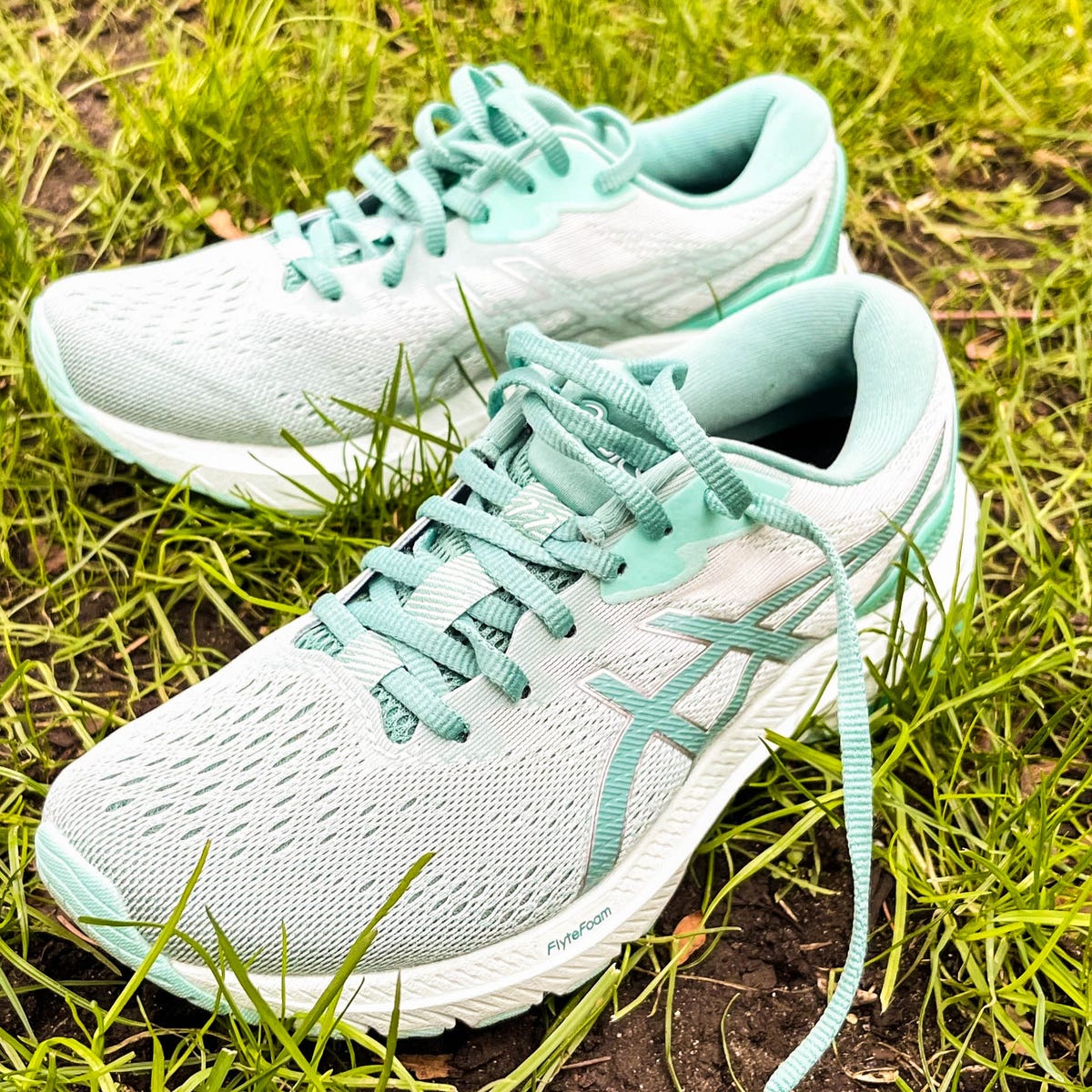
To understand the suitability of tennis shoes for pedestrian use, one must first dissect their design DNA. Unlike running shoes, which are engineered for forward motion and heel-to-toe strikes, tennis involves multi-directional movement—quick lateral cuts, sudden stops, and explosive forward bursts. Consequently, tennis shoes for walking are typically built with a focus on lateral support, stability, and durable outsoles to withstand the abrasive nature of court surfaces. According to biomechanics research from institutions like the University of Calgary’s Human Performance Laboratory, footwear that provides good medial-lateral stability can reduce the risk of ankle rollovers, a common concern on uneven urban terrain. The cushioning, while often firmer than in maximalist running shoes, is designed to handle impact from various angles. This inherent stability architecture translates exceptionally well to walking, an activity that, while generally linear, still requires constant micro-adjustments for balance on concrete, cobblestone, or packed earth. The robust construction means they often outlast softer, single-purpose running shoes, offering long-term value. When you slip on a pair designed for the court, you’re not just wearing a shoe; you’re adopting a chassis built for responsive, secure movement—a perfect foundation for all-day wear.
From Court to Concrete: A Style Evolution
The journey of the tennis shoe into the fashion lexicon is a rich narrative of subculture and celebrity endorsement. It transcends mere sport. In the 1970s and 80s, classic models like the Adidas Stan Smith or the Nike Wimbledon became symbols off the court, worn by artists and musicians for their clean, minimalist profile. This adoption signaled a move towards “athleisure” long before the term was coined. As fashion historian and author of “Sneakers: Fashion, Gender, and Subculture,” Yuniya Kawamura, notes, sneakers became a canvas for identity, moving from functional objects to cultural icons. Fast forward to the 21st century, and the endorsement is explicit. Style icons like Meghan Markle have been frequently photographed in sleek, white tennis sneakers paired with tailored dresses, a look celebrated by fashion platforms from Vogue to Who What Wear. This visibility has cemented the idea that tennis shoes for walking are not a compromise but a conscious, chic choice. The aesthetic is versatile: the low-top profile pairs effortlessly with cropped trousers or jeans, while the often-leather or sophisticated synthetic uppers offer a more polished look than mesh running shoes. They bridge the gap between a sporty sneaker and a casual shoe, providing an outfit with a grounded, accessible, and modern finish.

Selecting Your Foundation: Key Features for the Urban Walker
Not all tennis shoes are created equal for the purpose of all-day walking. When selecting your pair, several scientific and practical considerations should guide you. First, prioritize fit and arch support. The American Podiatric Medical Association emphasizes that proper arch support distributes pressure evenly across the foot, preventing fatigue and conditions like plantar fasciitis. Many tennis shoes, such as those from Asics’ Gel-Resolution line or K-Swiss’s Hypercourt series, offer excellent arch containment. Second, examine the outsole. A modified herringbone or circular tread pattern, common in tennis shoes, provides excellent grip on both dry and slightly wet pavement, a fact corroborated by traction tests often cited in gear reviews on sites like Runner’s World. Third, consider weight. A lighter shoe reduces the metabolic cost of walking, as studies in journals like “Medicine & Science in Sports & Exercise” have shown. Modern tennis shoes for walking often utilize lightweight, breathable materials without sacrificing the necessary support. Finally, look for durable toe guards. The reinforced toe cap, designed for court drags, brilliantly protects against accidental scuffs on urban obstacles. By evaluating these features—support, traction, weight, and durability—you move beyond aesthetics and invest in a tool that actively contributes to your physical well-being with every step.

Debunking the Myths: Comfort Versus Orthopedic Correctness
A common point of contention is whether the firmer build of a tennis shoe is “good” for walking compared to a plush, dedicated walking shoe. This requires a nuanced view. Dr. Alex Kor, a DPM often quoted in health magazines, states, “The best shoe is the one that fits your foot and gait pattern correctly. Cushioning is subjective; stability is often non-negotiable.” While dedicated walking shoes may offer more heel cushioning, the robust midfoot and arch support in a quality tennis shoe can provide superior stability for those with neutral to overpronating gaits. Furthermore, the notion of “comfort” can be deceptive. Initial extreme softness might feel good but can lead to inadequate support over long distances, causing strain. The structured comfort of tennis shoes for walking offers a different, often more sustainable, experience. It’s akin to the difference between a soft sofa and an ergonomic office chair—both are comfortable, but one is designed for prolonged, healthy support. Resources like the Spaulding National Running Center at Harvard Medical School affirm that footwear choice is highly individual, and the diverse design of tennis shoes offers a viable, and for many, preferable, option for daily ambulation.
The Economic and Sustainable Choice
In an era of conscious consumption, the decision to wear tennis shoes for daily walking presents compelling economic and environmental arguments. From a cost-per-wear perspective, a well-constructed tennis shoe is a smart investment. Brands like New Balance, Adidas, and Nike often craft their court shoes with premium materials meant to withstand abrasive hard courts, translating directly to longevity on pavement. This durability means you’re not replacing your shoes as frequently. Moreover, the versatility eliminates the need for separate “fashion sneakers” and “walking shoes,” consolidating your wardrobe and reducing overall consumption. On the sustainability front, buying one durable, multi-purpose pair is inherently less wasteful than cycling through multiple, single-use fast-fashion footwear items. As sustainability advocate and author Elizabeth L. Cline discusses in “The Conscious Closet,” building a versatile, durable wardrobe is a foundational step towards sustainable fashion. Choosing a classic white leather tennis shoe that can be cleaned and worn for years is a small but significant act against disposable culture. The value is clear: you gain a reliable workhorse for your feet that serves multiple roles, saving money and reducing your environmental footprint over time.
Integrating the Tennis Shoe into Your Daily Uniform
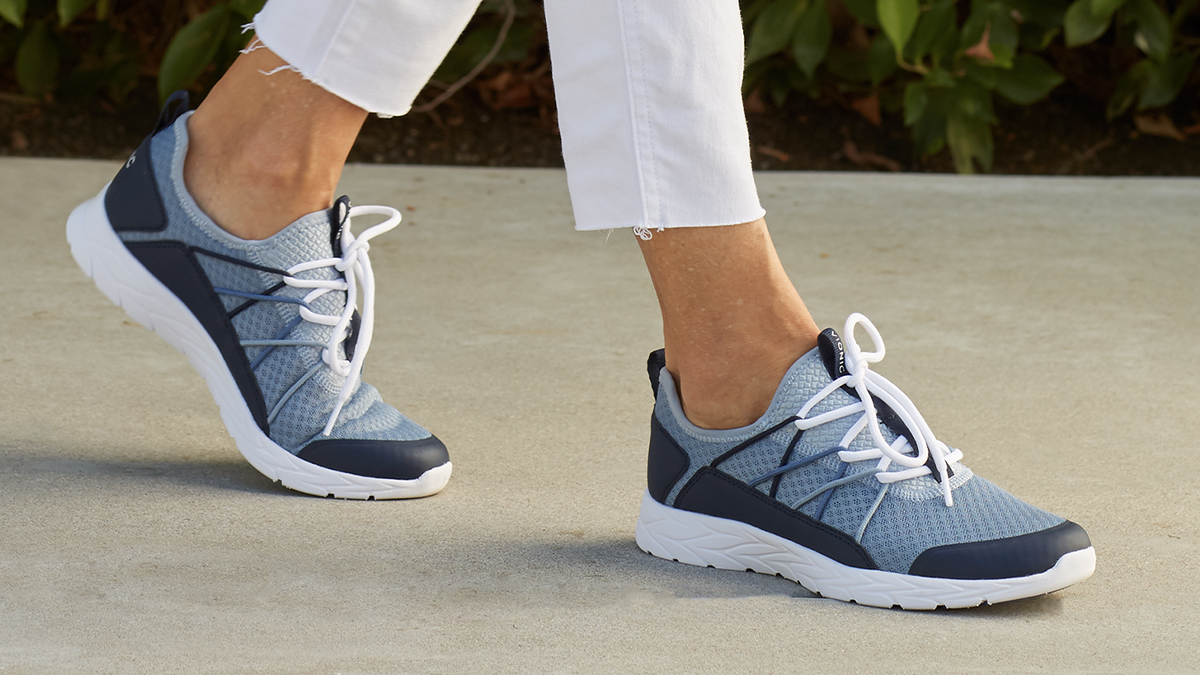
The final step is stylistic integration, which is where personal expression shines. The beauty of the tennis shoes for walking lies in their chameleon-like ability to adapt. For a smart-casual office environment that permits sneakers, pair a crisp, white leather pair with tailored, cropped wool trousers and a structured blazer. The contrast between the formal top and the sporty base is precisely what defines contemporary dressing. For weekend wear, they are the perfect partner for straight-leg jeans, a simple t-shirt, and an oversized shirt worn as a jacket. The shoe adds a finish that is neither too sloppy nor too try-hard. In warmer months, try them with midi or maxi dresses; the juxtaposition of a flowing silhouette with grounded, sturdy sneakers is a look championed by style influencers globally and frequently featured on platforms like Pinterest and Instagram. The key is to let the shoe be the anchor—a clean, solid block of color that ties the outfit together. It provides a sense of practicality and readiness, subtly communicating that you are dressed not just for appearance, but for engagement with the world around you.
The adoption of tennis shoes for walking in everyday fashion is a testament to a more intelligent, holistic approach to dressing. It is a rejection of arbitrary divides between sportswear and streetwear, between comfort and style, and between practicality and expression. By choosing footwear born from athletic rigor for daily life, we affirm that our clothes should serve us, not hinder us. They provide the support for our physical journey and the confidence for our social ones. In the end, the best fashion is the kind that empowers you to move through your day with ease, resilience, and a touch of understated style. The right pair of tennis shoes does precisely that, making every step, from the morning commute to the evening stroll, a comfortable and considered one.
