

Your Ultimate Guide to Chic and Feminine Outfits
Feminine style is not a monolith dictated by fleeting trends; it is a nuanced language of self-expression, weaving together silhouette, texture, color, and detail to articulate confidence, grace, and individuality. It transcends the simplistic notion of “dressing like a lady” and enters the realm of curated personal narrative. This guide is designed to be your compass through that realm, moving beyond subjective opinion to ground our understanding in principles of design, cultural anthropology, and psychology. We will dissect the elements that construct a chic and feminine wardrobe, providing you with the knowledge to build outfits that feel authentically and powerfully you. Forget vague notions; we’re here to talk about the architecture of allure, the science of silhouette, and the psychology of color, all while keeping an eye on how to integrate these elements with professional acumen and savvy shopping insight.
The Architecture of Allure: Silhouette and Proportion
The foundation of any memorable outfit lies in its silhouette—the overall shape it creates on your body. Historically, feminine silhouettes in Western fashion have oscillated between extremes, from the restrictive corsets of the Victorian era to the boyish flapper dresses of the 1920s. According to scholars at the Fashion Institute of Technology, the perception of a “feminine” silhouette often involves a celebration or creation of a defined waist, a principle known as waist emphasis. This isn’t about conforming to a specific body type, but about understanding visual balance. A fit-and-flare dress, for instance, creates an hourglass shape by cinching at the waist and flowing out over the hips. A tailored blazer worn open over a slim-fitting top and wide-leg trousers creates a powerful, vertical line that can be softened with the right accessories. The key is intentionality. Are you aiming for a silhouette that is sleek and columnar, romantic and voluminous, or structured and powerful? Each communicates a different facet of femininity. The objective principle here is balance; as noted by designer Christian Dior, whose post-war “New Look” revolutionized fashion with its overtly feminine, full-skirted silhouette, “It is the silhouette that matters.” Understanding your own proportions and how different garments interact to create a line from shoulder to hem is the first, most scientific step in crafting a chic look.
The Psychology and Palette of Color
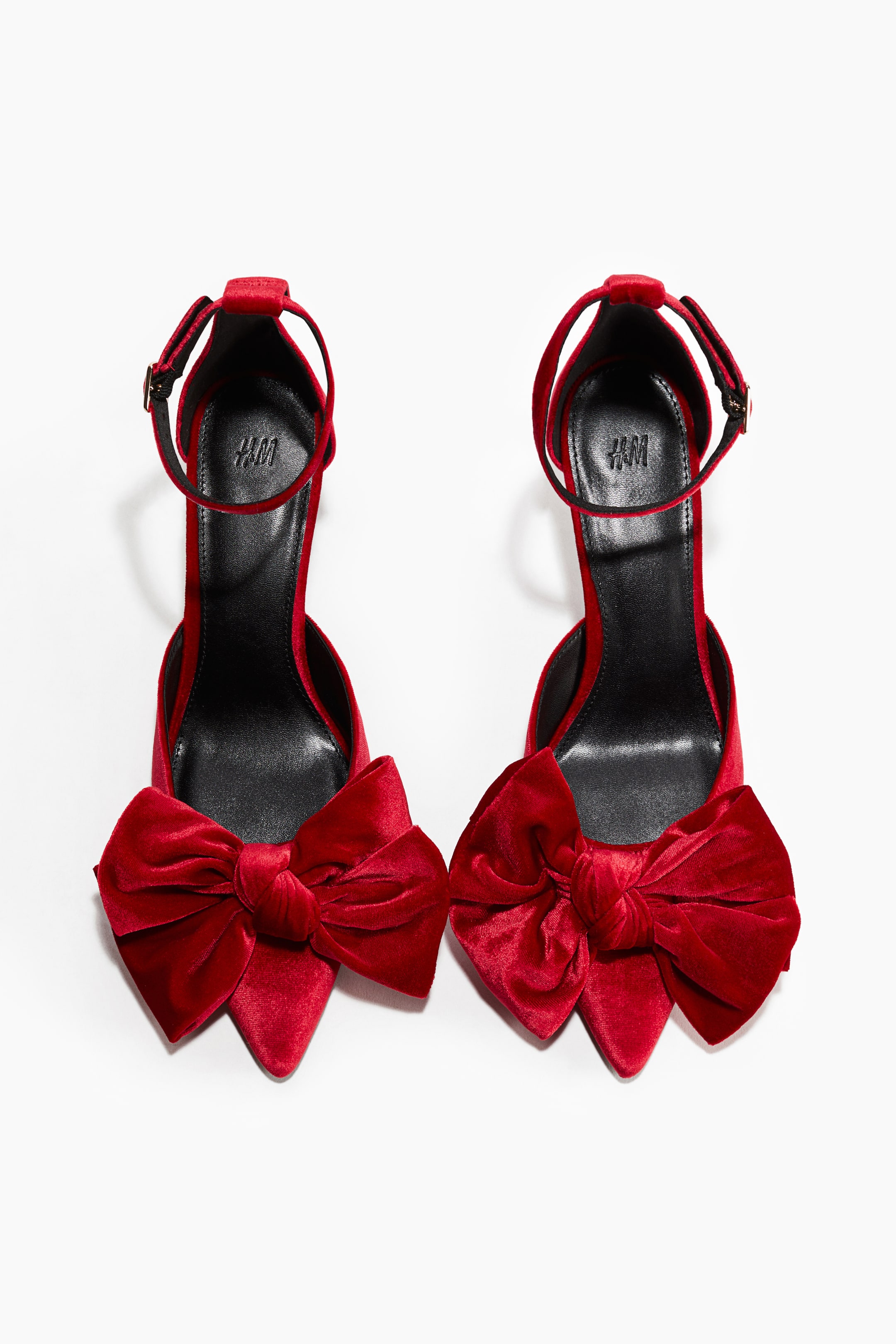
Color is not merely decorative; it is communicative, operating on both cultural and psychological levels. While the trope that “pink is for girls” is a relatively modern, 20th-century construct, the use of color to signal femininity has deeper roots. In color psychology, hues like soft pastels (lavender, blush, mint) are often associated with calmness, nurturing, and romance—traditionally gendered as feminine. However, a truly chic and modern feminine palette is far more expansive. It includes the authority of a deep emerald green, the sophistication of a rich burgundy, and the clean power of stark white. The work of psychologist and color expert Angela Wright, as cited in her book “The Beginner’s Guide to Colour Psychology,” suggests that it’s not individual colors but specific palettes that harmonize with our natural coloring which make us look and feel most confident. This is an objective system, not a subjective guess. A feminine outfit can leverage color to set a mood: a head-to-toe cream ensemble speaks of minimalist luxury, while a vibrant cobalt blue dress commands attention and projects confidence. The strategic use of a bold color, like the scarlet of a perfect pair of bow red heels, can serve as a focal point, drawing the eye and anchoring an otherwise neutral outfit with a dose of daring romance.
Texture and Touch: The Unsung Heroes of Depth
If silhouette is the sentence and color is the adjective, then texture is the evocative adverb that gives an outfit its soul. Femininity often finds expression in tactile contrast and sensory appeal. Think of the stark, beautiful contrast between the sleek coolness of silk and the cozy, nubby warmth of a wool bouclé jacket. This interplay is a cornerstone of high-fashion editorial styling. Author Virginia Postrel, in her book “The Power of Glamour,” argues that glamour (a close cousin to chic femininity) relies on suggestion and sensory promise—the imagined feel of a fabric, the whisper of taffeta, the soft drape of cashmere. Incorporating varied textures adds visual weight and interest, preventing an outfit from looking flat or one-dimensional. A lace-trimmed camisole under a severe leather blazer creates a compelling tension between delicate and tough. A tweed skirt paired with a fine-gauge merino sweater offers a play on proportion and feel. Even accessories contribute: the glossy patina of a leather handbag against a matte crepe dress, or the delicate sparkle of a crystal hairpin in tousled waves. These textural dialogues are what transform clothes into a compelling visual story, inviting a closer look and engaging more than just the sense of sight.
The Power of the Detail: Where Personality Resides
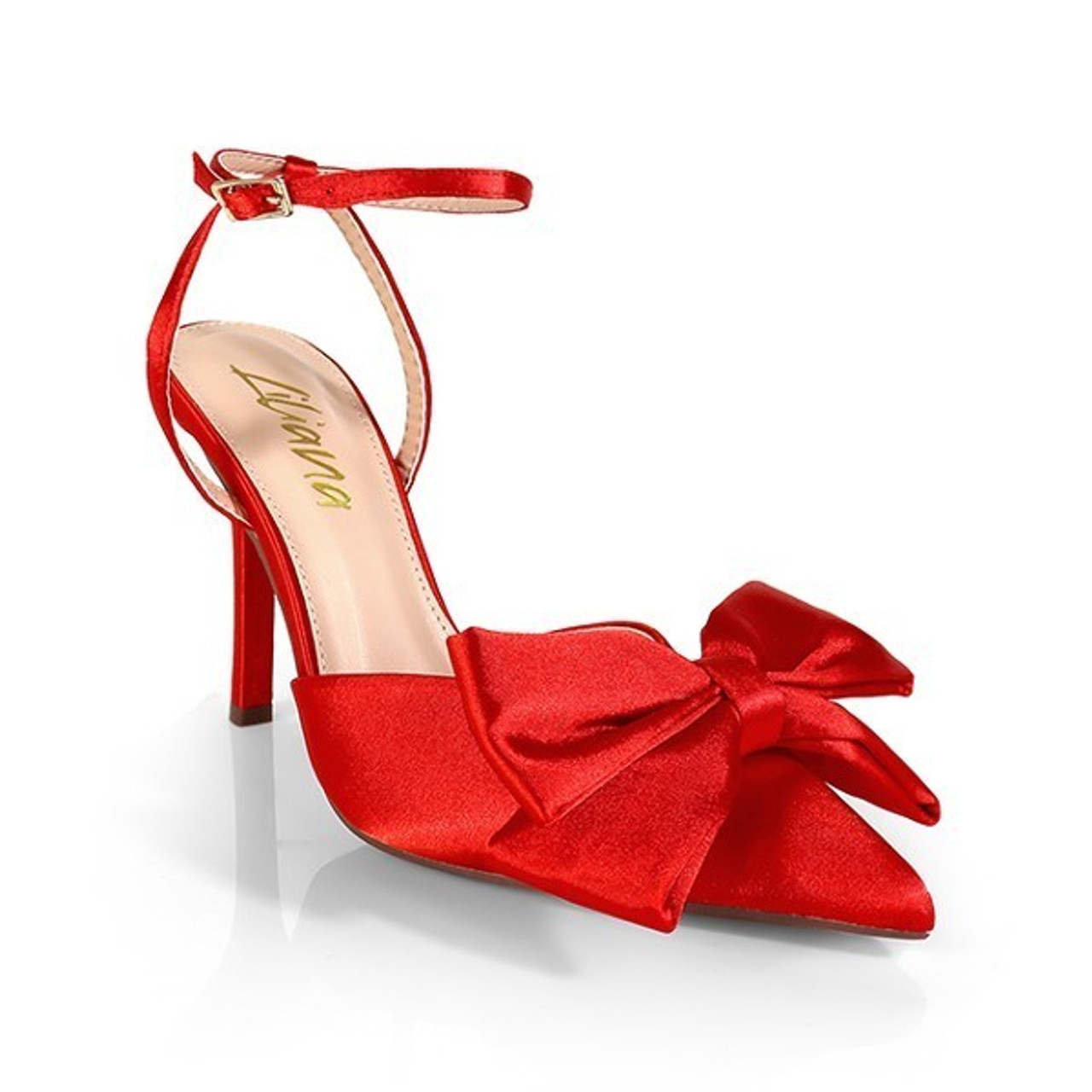
While the broad strokes of an outfit—its color and shape—create the initial impression, it is in the details where true personality and chic sensibility are cemented. This is the realm of accessories, embellishments, and finishing touches. A detail can be a philosophical statement. As the legendary fashion editor Diana Vreeland famously quipped, “The eye has to travel.” She championed the idea that an outfit should have points of interest that guide the viewer’s gaze. This could be an artfully tied scarf, a statement piece of vintage jewelry, or the elegant flourish of a bow on a shoe. Speaking of which, let’s consider the iconic bow red heels. This specific accessory is a masterclass in feminine detail. The bow, a symbol of gift-wrapping and celebration, adds a soft, romantic touch. The color red, historically associated with passion, power, and danger, injects confidence. Together, on the elevated platform of a heel, they create an accessory that is both sweet and powerful. It’s a detail that doesn’t just complete an outfit; it defines it. Other potent details include the precise roll of a sleeve, the choice between pearls or a geometric pendant, or the artful drape of a belt. These are the signatures of a wearer who understands that style is in the edits, the careful additions and subtractions that move an outfit from “dressed” to “styled.”
Building Your Foundation: The Capsule Wardrobe Principle
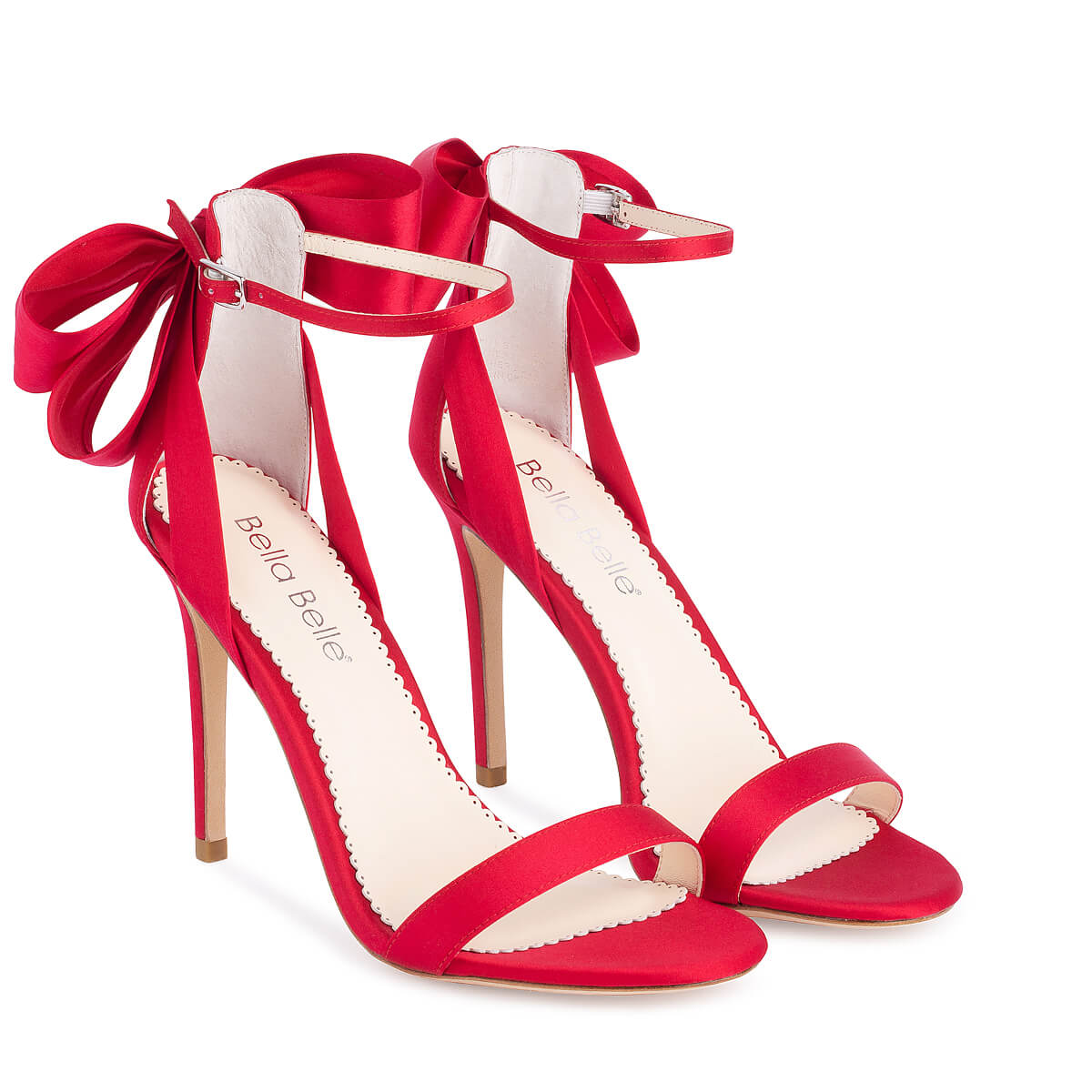
With an understanding of silhouette, color, texture, and detail, the practical question becomes: how does one build a wardrobe that consistently delivers chic, feminine outfits without clutter or daily panic? The answer lies in the capsule wardrobe philosophy, popularized by experts like Susie Faux in the 1970s and later by countless stylists and minimalist advocates. Objectively, a capsule wardrobe is a limited collection of versatile, high-quality garments that can be mixed and matched to create a large number of outfits. The scientific benefit is twofold: it reduces decision fatigue (a well-documented psychological phenomenon) and promotes sustainable consumption. Start with neutral foundation pieces in colors that suit your palette—a great pair of trousers, a perfect skirt, a few quality tops, a versatile dress, and a tailored jacket. These are your “canvas” items. Then, introduce what I call “personality pieces”: the items with defining details, textures, or colors that express your feminine ideal. This might be a blouse with exquisite lace insets, a skirt in a bold print, or those unforgettable bow red heels. The capsule isn’t about limitation; it’s about curation. Each new addition should be evaluated not in isolation, but for how it will work with at least three existing items in your closet. This methodical approach ensures cohesion, maximizes wearability, and makes getting dressed an exercise in creativity rather than confusion.
Intelligent Integration: From Day to Night, Desk to Dinner
The mark of truly sophisticated style is versatility—the ability to adapt your feminine expression to different contexts seamlessly. An outfit that can transition from a professional meeting to an evening cocktail hour is not just convenient; it’s intelligent design. The key lies in modular pieces and transformative details. Consider a base outfit of a sleek black turtleneck, tailored charcoal trousers, and loafers. This is polished, professional, and powerful in a minimalist way. To inject femininity and transition to evening, you would employ our principles: change the silhouette by swapping the loafers for a pair of elegant bow red heels, instantly adding height, color, and a romantic detail. Add texture with a statement necklace or swap the trousers for a sleek black skirt. Layer a delicate, sheer blouse over the turtleneck for a peek of texture. The core of the outfit remains, but the details pivot its message. This approach is championed by style influencers and professionals alike. As fashion consultant and author Allison Bornstein advocates in her “Three-Word Method,” defining your style pillars (e.g., “Tailored, Romantic, Bold”) helps you make quick, coherent adjustments for any scenario. Your feminine style should be a fluid expression, not a rigid uniform, capable of speaking the appropriate dialect for boardroom, gallery opening, or intimate dinner.

The Savvy Shopper’s Mindset: Quality, Value, and Timelessness
Cultivating a chic wardrobe is an investment in yourself, but it need not be a reckless financial endeavor. The savvy shopper operates with a strategy, prioritizing long-term value over short-term trends. This is where professional knowledge meets practical economics. First, understand fabrications. Natural fibers like wool, silk, cotton, and linen often wear better, breathe more easily, and age more gracefully than many synthetics. A well-constructed seam, a lined garment, and sturdy hardware (zippers, buttons) are indicators of quality that translate to longevity. Second, embrace the hunt for discounts strategically. Sign up for newsletters from your favorite brands, shop end-of-season sales for classic items (like that perfect trench coat or little black dress), and consider reputable consignment or pre-loved platforms for unique, high-quality pieces. The goal is cost-per-wear: a $300 pair of boots worn 150 times over five years is a better investment than a $50 pair worn five times before they fall apart. This mindset directly applies to a statement piece like bow red heels. Investing in a well-made pair from a brand known for comfort and craftsmanship ensures they become a joyful staple, not a painful regret. Remember, a feminine wardrobe is built on pieces that make you feel extraordinary, and that feeling is priceless—but acquiring it can be intelligently planned.
Ultimately, chic and feminine style is a personal dialect built on a universal grammar of design. It is the intentional choice of a silhouette that makes you feel empowered, the selection of a color that reflects your inner state, the layering of textures that pleases your senses, and the curation of details that tell your unique story. It is both an art and a science, open to analysis and personal interpretation. By understanding these foundational principles—from the architecture of proportion to the savvy logic of the capsule wardrobe—you move from passively wearing clothes to actively crafting your image. Your wardrobe becomes a curated collection of possibilities, where every combination is a new sentence in your ongoing narrative of self. So step into that silhouette, embrace that color, delight in that texture, and fasten the detail that makes it yours. The journey to a more chic and feminine wardrobe begins not with a shopping spree, but with this newfound understanding.
