

Your Ultimate Guide to Stylish and Comfortable Everyday Footwear
Let’s move beyond the false choice between style and comfort. The modern pursuit is for footwear that delivers both without compromise, transforming the simple act of walking from a mundane necessity into a daily pleasure. This guide is dedicated to dismantling the myths surrounding everyday shoes, providing you with the knowledge to select footwear that supports your body, complements your style, and endures the rhythm of daily life. We will navigate through the science of support, the principles of design, and the practical economics of building a versatile footwear wardrobe.
The Foundation: Why Your Choice in Everyday Footwear Matters
Every step you take is a complex biomechanical event involving bones, muscles, tendons, and ligaments. The shoes you wear are the primary interface between your body and the ground, influencing everything from joint alignment to energy expenditure. According to research from the American Podiatric Medical Association, improper footwear can contribute to a host of issues, including plantar fasciitis, metatarsalgia, and knee or back pain. Conversely, a well-chosen walking shoe acts as a tool for prevention and performance. The concept isn’t merely about cushioning; it’s about engineered stability. As Dr. James Ioli, Chief of Podiatry at Brigham and Women’s Hospital, has noted, “Shoes should balance cushioning with control. Excessive softness without guidance can be as detrimental as excessive rigidity.” This principle forms the bedrock of intelligent footwear selection. It’s about finding a partner for your feet that understands the dual demands of prolonged standing, varied surfaces, and the dynamic nature of urban life.
Decoding the Anatomy of a Superior Walking Shoe
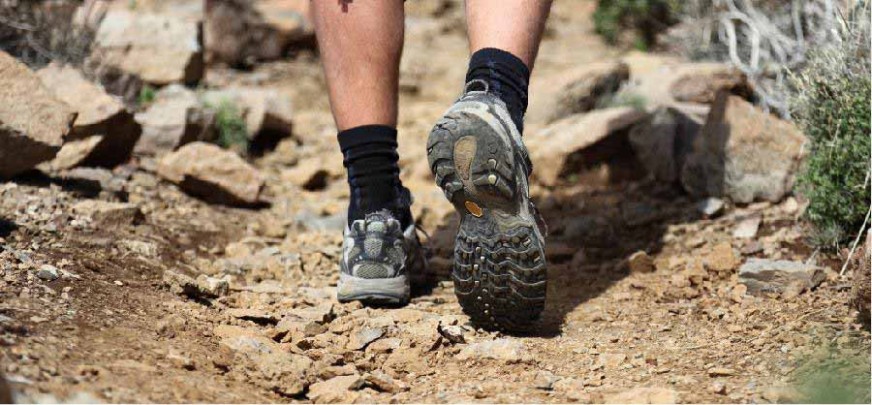
To make an informed choice, you must become fluent in the language of shoe construction. A high-quality walking shoe is a symphony of components, each serving a specific purpose. Let’s dissect the key elements. The upper, typically made from engineered mesh, leather, or knit materials, must offer breathability and a secure, non-constrictive fit. The midsole is the heart of the shoe, where technologies like EVA foam, polyurethane, or proprietary compounds like Brooks’ DNA LOFT or Hoka’s Profly+ provide cushioning and energy return. The outsole’s rubber compound and tread pattern dictate durability and traction—a critical factor often overlooked for everyday use. Perhaps most crucial is the heel counter, the firm cup at the back of the shoe that stabilizes the rearfoot, preventing excessive inward roll (overpronation) or outward roll (supination). A study published in the Journal of Foot and Ankle Research emphasizes that a firm, well-structured heel counter is a non-negotiable feature for reducing strain on the plantar fascia. Understanding this anatomy empowers you to look beyond marketing claims and assess the fundamental engineering of your potential walking shoe.
The Style Synergy: Where Aesthetics Meet Ergonomics
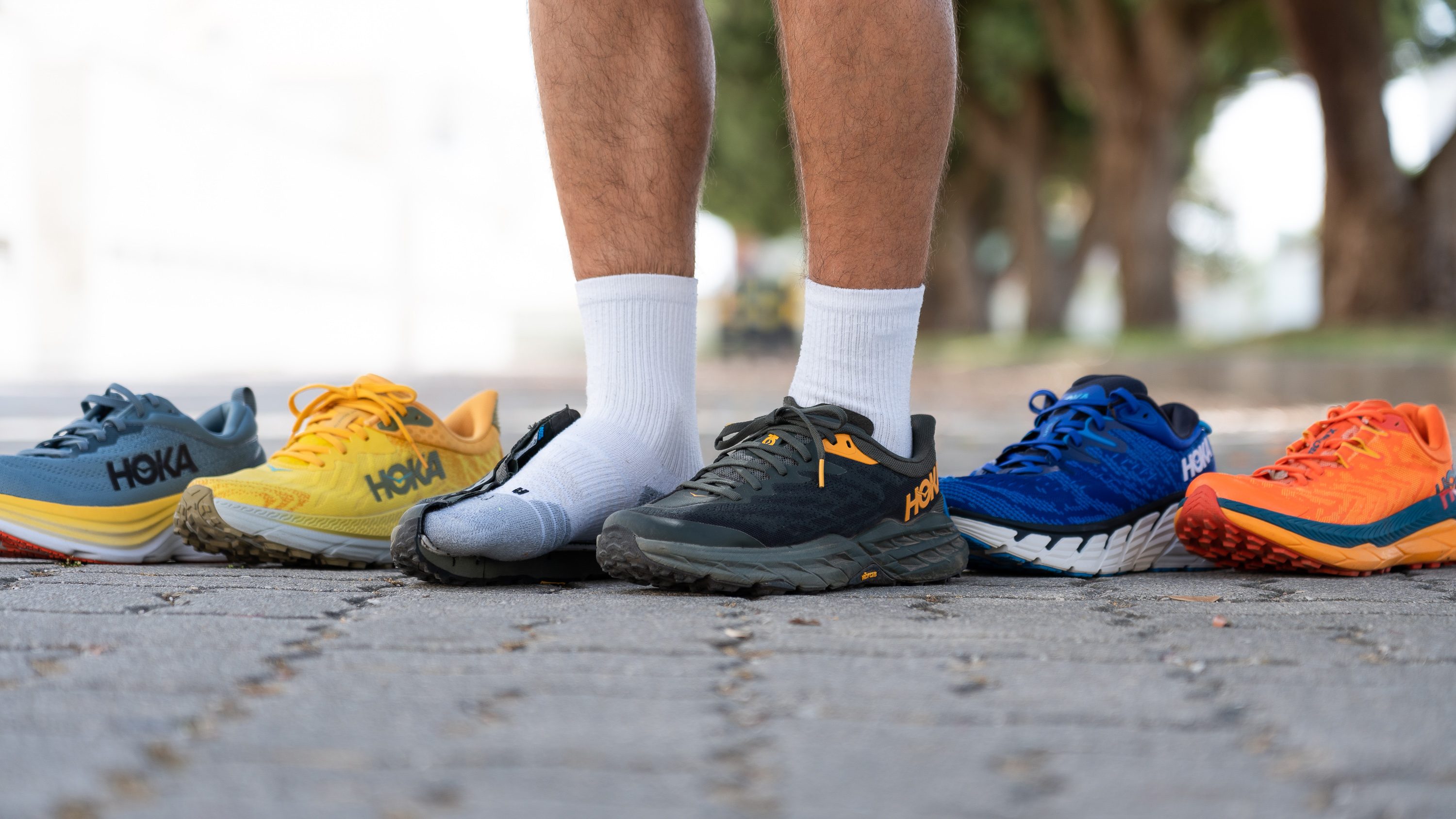
The notion that ergonomic shoes must be clunky or unattractive is an antiquated relic. Today’s leading brands have successfully bridged the gap, proving that biomechanical integrity can coexist with contemporary design. This synergy is evident in the clean lines of a white leather sneaker with a hidden orthotic-friendly insole, or the sleek profile of a knit runner that offers adaptive support. The trend towards “athleisure” and functional fashion has been a catalyst, pushing designers to integrate technical features into versatile silhouettes. As fashion commentator Tim Blanks observed on Business of Fashion, “The most significant shift in contemporary menswear and womenswear is the dissolution of boundaries between performance wear and daily wear.” This means you can find a walking shoe that pairs seamlessly with tailored trousers, denim, or casual dresses. The key is to prioritize fit and function first, then filter for color, material texture, and silhouette that align with your personal style. The perfect everyday shoe doesn’t shout its technical specs; it whispers them through understated confidence and all-day comfort.
The Investment Perspective: Cost-Per-Wear and Longevity
Viewing a quality walking shoe as an expense is a misperception; it is an investment in your health and daily well-being. The economic logic is best understood through the “cost-per-wear” model. A $150 pair of shoes worn nearly every day for a year and a half (a typical lifespan for active use) costs less than 28 cents per day. Compare this to a $60 pair that causes discomfort, lasts only six months, and may contribute to medical issues—its cost-per-wear is higher, and its total value is profoundly lower. Furthermore, premium brands often utilize higher-grade materials and construction methods, such as welded seams instead of stitching, or carbon rubber in high-wear areas, which directly enhance durability. Investing in two versatile, high-quality pairs to rotate can actually extend the life of both, as the midsole foam has time to fully rebound between wears. This strategic approach to your footwear wardrobe is both economically savvy and physically beneficial, ensuring you always have a supportive option ready.
:max_bytes(150000):strip_icc()/when-should-i-replace-my-walking-shoes-3436325-0801-7a1840d83573471092e0380f9e230ecc.jpg)
Expert Voices and Actionable Insights
Guidance from trusted sources can cut through the noise. Podiatrists universally recommend a shoe-buying ritual conducted in the afternoon, as feet naturally swell throughout the day. Bring the socks you intend to wear and always measure both feet. A foundational insight comes from biomechanics literature, such as works from the University of Virginia’s Motion Analysis Lab, which stress the importance of “heel-to-toe drop” or offset—the height difference between the heel and forefoot. A moderate drop (6-10mm) is often ideal for walking, promoting a natural gait cycle. On the consumer side, platforms like Runner’s World and Wirecutter provide rigorously tested recommendations, while YouTube channels like “Doctorly,” run by board-certified dermatologists, often review everyday footwear from a health perspective. As noted fitness author Michal Stawicki puts it,
“Consistency in any practice, including walking, is built on removing friction. Discomfort is friction. The right gear removes that barrier, making the healthy choice the easy choice.”
This principle is paramount: your shoes should facilitate movement, not hinder it.
Curating Your Rotation: A Practical Blueprint
A versatile footwear collection isn’t about quantity, but about strategic coverage for different contexts. Start with a primary, neutral-colored walking shoe built for all-day support on hard surfaces—think a Brooks Glycerin or a Hoka Bondi for maximum cushioning. This is your workhorse. Next, consider a slightly more stylized option, like a leather sneaker from Cole Haan or Allbirds, that maintains comfort for business-casual settings or social outings. For wet weather, a waterproof or water-resistant model protects your investment and your feet. The act of rotating shoes allows each pair to air out, reduces bacterial growth, and gives the midsole materials time to recover, maintaining their protective properties longer. This approach ensures you are never forced to compromise on support due to context, giving you the freedom to move through your day with assured comfort and style.
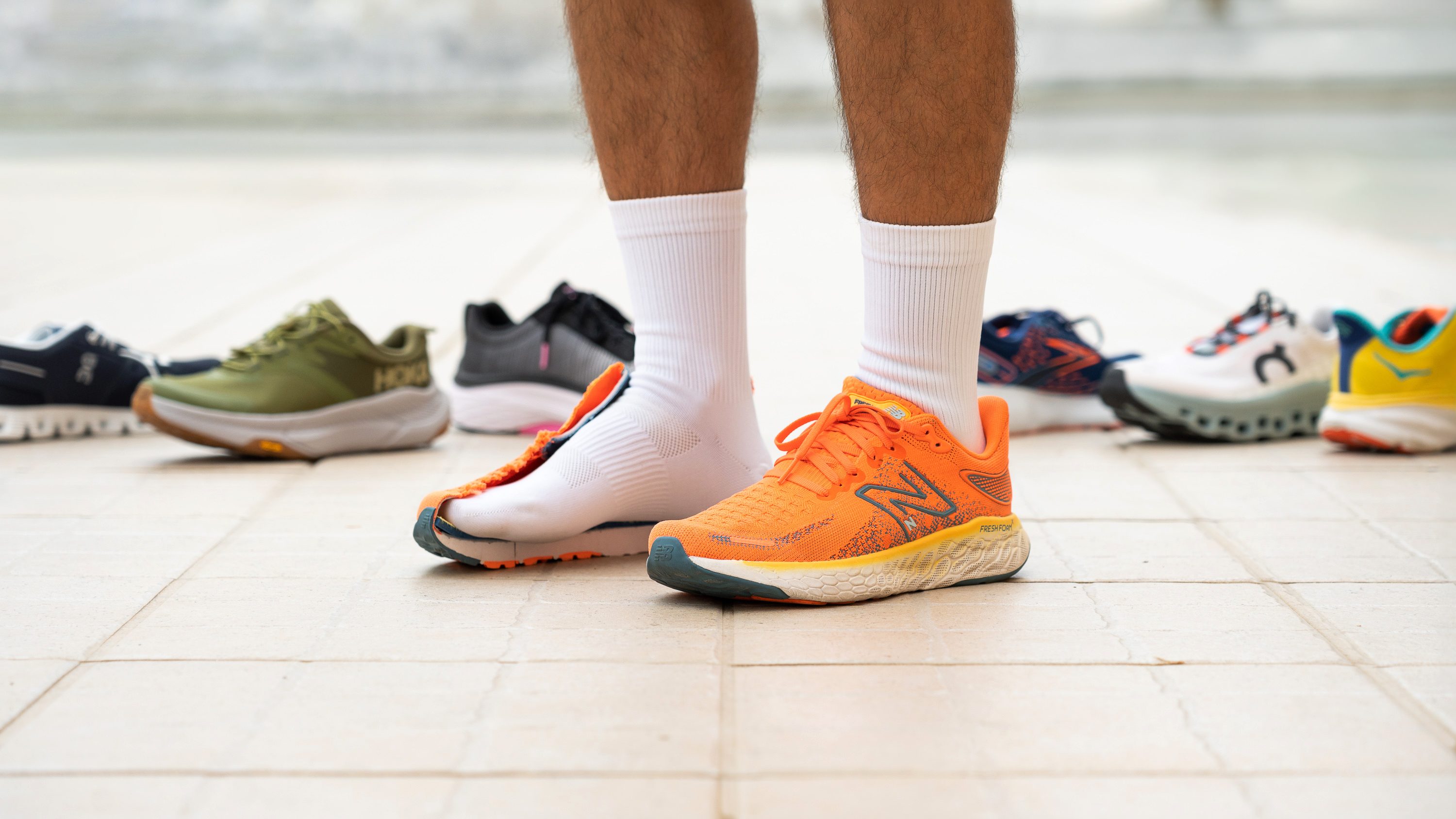
The journey to finding your ideal everyday footwear ends with a simple test: you should forget you’re wearing them. They become a seamless extension of yourself, providing a stable, comfortable base from which you engage with the world. By prioritizing scientific design, intelligent investment, and style synergy, you equip yourself with more than just shoes—you gain a tool for enhanced daily living. Let your choices in footwear be a deliberate reflection of the value you place on your well-being and your time, step after confident step.
