

Step Into Style: The Ultimate Guide to Toe Walker Shoes for Effortless Chic
Forget everything you thought you knew about orthopedic footwear. The landscape has shifted, and at the forefront of this sartorial revolution is a category once confined to clinical settings: toe walker shoes. No longer just a medical device, these shoes have been reimagined, redesigned, and reborn as a statement of intentional, effortless chic. This isn’t about masking a gait; it’s about embracing a unique foundation and building a wardrobe that is as sophisticated as it is supportive. We’re moving beyond mere footwear to explore a philosophy of dressing that marries biomechanical science with runway-ready aesthetics, proving that true style is built from the ground up—literally.

The Anatomy of Elegance: Deconstructing the Toe Walker Shoe
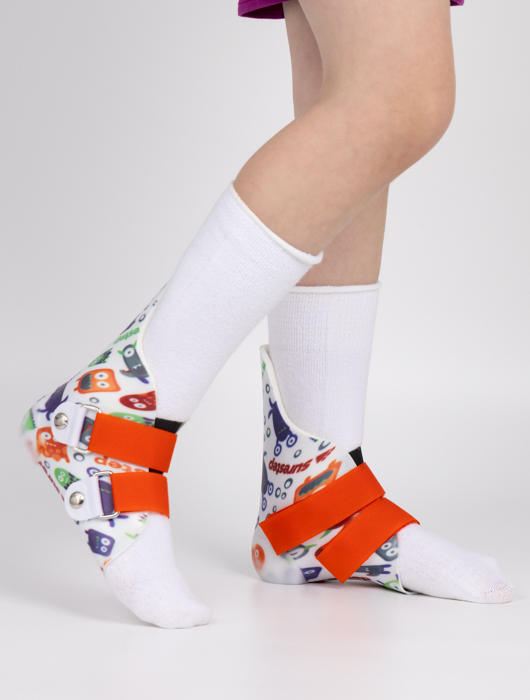
To appreciate the style, one must first understand the substance. A toe walker shoe is fundamentally engineered to accommodate and support an idiopathic toe-walking gait—a pattern where an individual walks on the balls of their feet with minimal heel contact. From a biomechanical perspective, as outlined in podiatric literature from institutions like the Mayo Clinic, this gait can lead to shortened Achilles tendons, altered balance, and muscular fatigue. The traditional corrective approach involved rigid, often bulky, ankle-foot orthoses. The modern iteration, however, is a masterclass in subtle engineering. The core features include a rocker-bottom sole, which facilitates a smoother roll from toe-off to heel-strike, reducing strain; a reinforced and elevated heel counter to provide stability and encourage heel contact; and a deep, accommodating toe box that allows for natural toe splay without compression. This scientific foundation is the invisible framework upon which designers are now layering premium leathers, minimalist silhouettes, and thoughtful detailing. The result is a shoe that doesn’t correct your stride by shouting its function but by whispering its flawless form.
From Clinic to Catwalk: The Cultural Reappropriation
The journey of the toe walker shoes from medical aid to fashion object is a fascinating case study in cultural reappropriation. It mirrors the path of eyewear, which transitioned from mere vision correction to a paramount fashion accessory. This shift is driven by a broader movement towards inclusive design and “healthcore” aesthetics—a trend that celebrates, rather than hides, the tools we use for well-being. On platforms like YouTube and Instagram, influencers and advocates have begun showcasing their adaptive footwear with pride, framing them not as limitations but as curated choices. As designer and disability advocate Sinéad Burke has often highlighted, fashion is a language, and inclusive design expands the vocabulary for everyone. When a well-crafted toe walker shoe appears in a lifestyle blog next to a sleek ceramic mug and a vintage book, its meaning transforms. It is no longer defined by its medical origin but by its contribution to a cohesive, intelligent look. This cultural moment tells us that authenticity is the ultimate luxury, and what could be more authentic than footwear that perfectly aligns with your body’s mechanics?
Crafting Your Capsule: How to Style Toe Walker Shoes
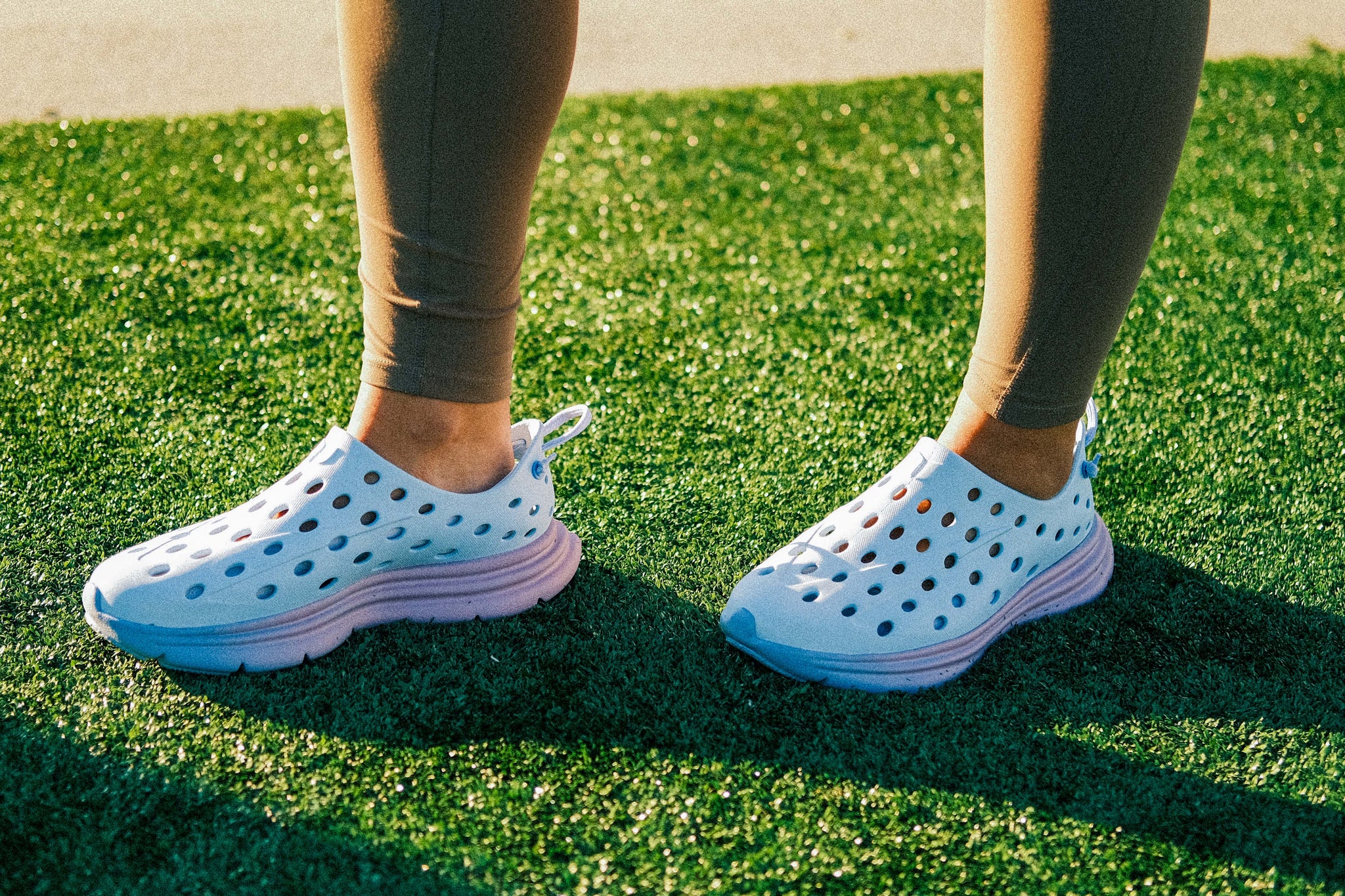
Integrating these shoes into your daily wardrobe is an exercise in minimalist philosophy. The key is to let the shoes be the quiet anchor of your outfit. For a clean, modern look, pair a sleek, monochromatic pair of toe walker shoes with wide-leg, high-waisted trousers. The line of the trouser will fall gracefully over the shoe, creating an elongated silhouette that is both powerful and polished. Transitioning to evening wear, consider a tailored midi dress. The architectural element of the shoe’s sole complements structured fabrics like wool crepe or heavy silk, creating a dialogue between soft drape and firm foundation that is inherently avant-garde. For casual weekends, the rocker sole pairs unexpectedly well with cropped, straight-leg jeans and a simple linen shirt. This look speaks to a kind of off-duty model ease—someone who is deeply comfortable in their own skin and, by extension, their own stride. The principle here, echoed by stylists from Vogue to Who What Wear, is intentional contrast: the perceived softness of clothing against the defined, purposeful structure of the footwear creates visual tension and, consequently, high style.
The Investment Perspective: Quality, Cost, and Conscious Consumption
Let’s address the practicalities. A well-made pair of designer toe walker shoes represents a significant investment, often ranging from $250 to $500 or more. This price point reflects not only the specialized materials and construction but also the research and development that goes into perfecting the hidden biomechanical supports. View this not as a simple purchase, but as an investment in your mobility and your aesthetic identity—akin to buying a perfectly tailored blazer. The cost-per-wear metric becomes incredibly favorable when you consider these shoes as daily wardrobe staples. Furthermore, the market is evolving. Direct-to-consumer brands and occasional seasonal sales on reputable adaptive fashion sites can offer access at more accessible price points, sometimes bringing quality pairs into the $180-$300 range during promotional events. It’s worth subscribing to newsletters from pioneers in this space to be notified of these opportunities. Remember, in the words of style icon Vivienne Westwood, “Buy less, choose well, make it last.” A single, superb pair that supports you in every sense is infinitely more valuable than a closet full of shoes that compromise on either comfort or character.
Beyond the Shoe: A Holistic Philosophy of Movement and Style
Adopting this style is about more than footwear; it’s about adopting a mindset. It encourages you to consider the intersection of form and function in every aspect of your life. Just as these shoes provide a stable base, your fashion choices can provide a stable personal identity. This philosophy resonates with the concept of “enclothed cognition”—the systematic influence that clothes have on the wearer’s psychological processes, as studied by researchers at Northwestern University. When you wear something that is both beautiful and biomechanically sound, you project and internalize a sense of assured capability. Your gait becomes more confident, your posture aligns, and your entire presence carries a different weight. This isn’t about following trends; it’s about setting them. It’s a declaration that you refuse to choose between feeling good and looking good, between professional podiatric support and professional style. In a world of fast fashion and disposable trends, the toe walker shoe, recontextualized, stands as a testament to thoughtful, enduring, and deeply personal design.

The narrative around adaptive footwear has been irrevocably changed. What was once a symbol of limitation is now a beacon of innovative design and self-aware style. Toe walker shoes have stepped out of the shadows of clinical necessity and into the light of fashion possibility. They teach us that the most profound elegance often comes from the deepest understanding of ourselves—our bodies, our movements, our needs. By choosing shoes that honor your unique way of moving through the world, you are not making a compromise. You are making a powerful, chic, and utterly contemporary statement. Your journey towards effortless chic begins with a single, perfectly supported step.
