

The Walking Shoe: Your Ultimate Guide to Comfort and Style
Forget the notion that comfort and style are mutually exclusive. The modern walking shoe stands as a testament to human ingenuity, merging biomechanical science with aesthetic design to create footwear that supports not just your steps, but your entire lifestyle. This isn’t about settling for bulky, purely functional sneakers or sacrificing support for a sleek silhouette. It’s about understanding that the right shoe is the foundation of daily vitality, whether you’re navigating city streets, exploring nature trails, or simply chasing errands. The journey to finding that perfect pair begins with a shift in perspective: see your shoes not as mere accessories, but as essential tools for well-being. This guide will navigate the intersection of anatomy, material science, and design, empowering you to make an informed choice that elevates every stride.
The Anatomy of Support: More Than Just a Soft Sole
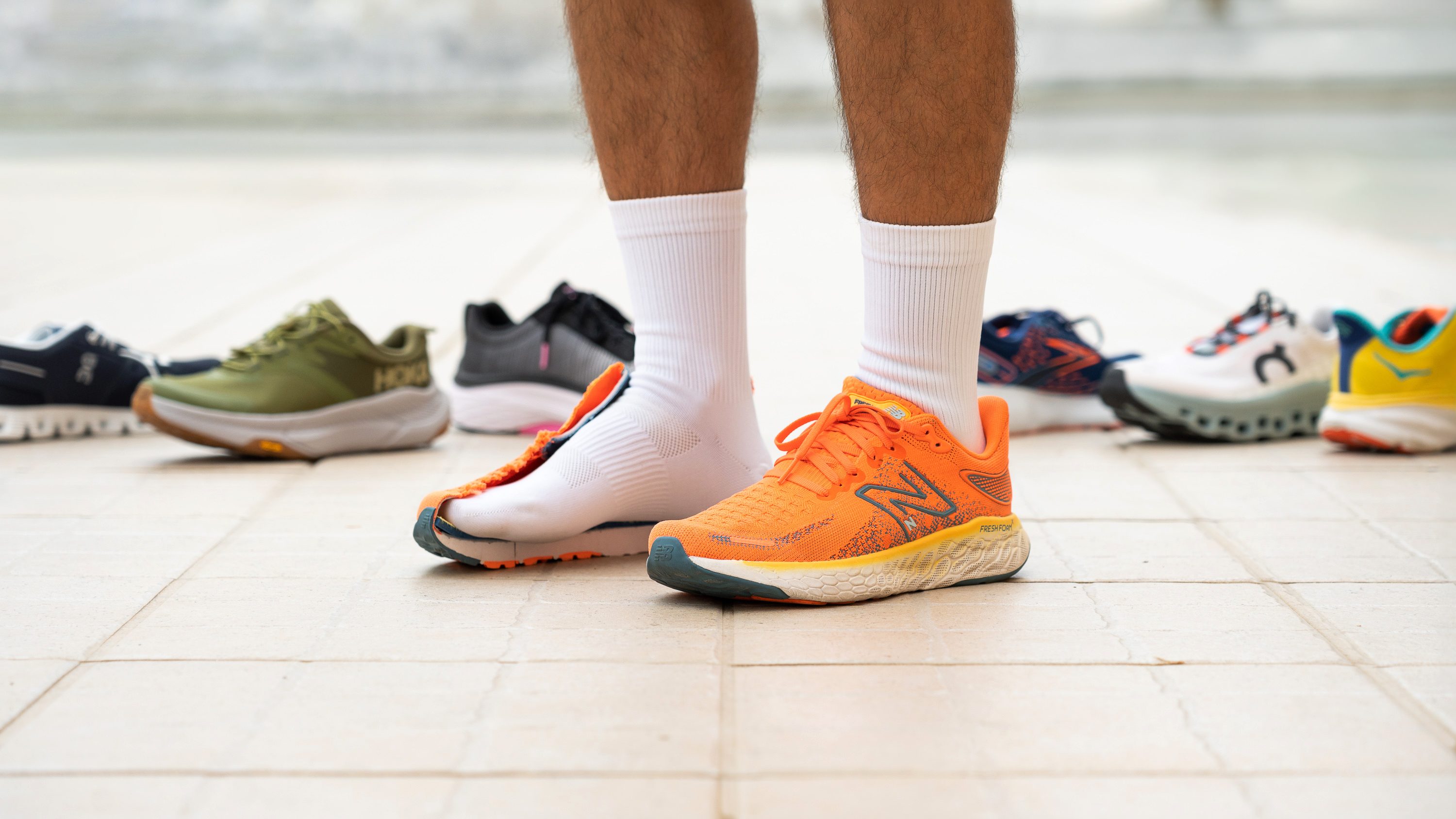
When we slip on a shoe, we often judge it by immediate, superficial comfort. True support, however, is a complex symphony orchestrated by specific components. Let’s dissect the critical parts of a high-performance walking shoe. The midsole is the heart of cushioning, typically made from materials like EVA (ethylene-vinyl acetate) foam or polyurethane. According to biomechanics literature from institutions like the University of Calgary’s Human Performance Laboratory, the midsole’s primary role is to attenuate ground reaction forces—the shock that travels up your skeleton with each step. A study often cited in podiatric circles notes that these forces can reach 1.5 times your body weight during walking. Next is the insole or sockliner, which provides immediate underfoot comfort and can often be removed for orthotic replacement. The heel counter, a firm cup at the back of the shoe, is crucial for stability; it cradles the heel to prevent excessive side-to-side motion that can lead to conditions like plantar fasciitis. The arch support is not a one-size-fits-all proposition. As noted on authoritative health platforms like WebMD, proper arch support distributes pressure evenly across the foot, reducing strain on the plantar fascia ligament. Finally, the outsole’s tread pattern and rubber compound determine traction and durability. A worn-out tread isn’t just a style issue; as the American Podiatric Medical Association highlights, it significantly reduces grip and can alter your gait pattern, leading to injuries. Understanding this anatomy transforms you from a passive consumer to an active participant in selecting footwear that aligns with your physiological needs.
Material Science: Where Technology Meets the Pavement
The evolution of the walking shoe is inextricably linked to advancements in polymer science and textile engineering. Gone are the days of stiff, non-breathable leather uppers and heavy rubber soles. Today’s materials are engineered for specific performance outcomes. Take the upper: modern meshes, often woven from polyester or engineered knits, provide unparalleled breathability and a adaptive, sock-like fit. Brands utilize seamless constructions to minimize friction points and blisters. In the realm of cushioning, we’ve moved beyond basic foam. Technologies like Adidas’s Boost (TPU pellets), Nike’s React foam, and ASICS’s GEL silicone-based cushions are formulated to offer a balance of softness, energy return, and longevity. Energy return, a concept popularized in running shoe reviews, refers to the percentage of energy absorbed by the midsole that is then released back to propel you forward. While the effect for walking is subtler than for running, it contributes to a less fatiguing experience over long distances. Furthermore, sustainability is becoming a core material consideration. Recycled polyester, algae-based foams, and natural rubber are increasingly common, responding to a consumer demand for eco-conscious products without compromising performance. This material innovation means that the modern walking shoe is a lightweight, responsive, and durable companion, engineered to handle the repetitive, multi-directional stresses of daily ambulation far better than the shoes of even a decade ago.
:max_bytes(150000):strip_icc()/vwt-asics-womens-gel-pulse-16-jinfeng-chen-21-712f0f140e834b84b3a8dcf0bf154771.jpeg)
The Style Equation: Proving Form and Function are Allies
There exists a pervasive myth that a shoe must be visually unappealing to be truly comfortable. This false dichotomy is being dismantled by designers who embrace the challenge of creating footwear that looks as good as it feels. The key lies in intelligent design integration. A robust heel counter can be sleekly molded into the shoe’s silhouette. Vibrant, breathable mesh can be patterned in aesthetically pleasing ways. The chunky “dad shoe” trend, ironically, helped bridge this gap by making substantial, cushioned soles a fashion statement. Now, we see minimalist white leather sneakers with hidden orthopedic-grade insoles, and trail-inspired shoes with rugged outsoles rendered in monochromatic colorways suitable for urban environments. As fashion influencer and consultant Brittany Bathgate often notes on her platforms, the most versatile shoes in a wardrobe are those that marry a clean, timeless design with covert technical features. This philosophy means your walking shoe can seamlessly transition from a morning walk to a casual lunch, eliminating the need for multiple shoe changes and affirming that caring for your body is inherently stylish. The market now offers options from classic leather trainers to knit runners in a spectrum of colors, proving that you do not have to sacrifice personal expression for physical well-being.
The Lifespan of Your Shoes: Listening to the Silent Signals
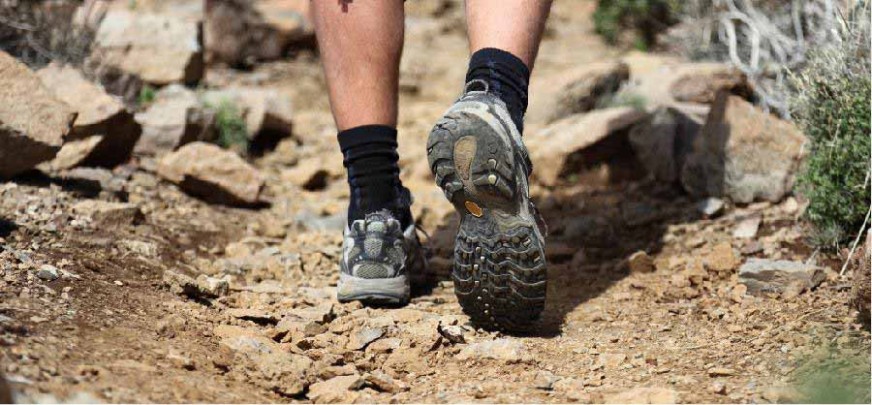
A critical, often overlooked aspect of footwear care is knowing when to retire a pair. Shoes have a finite functional lifespan, and wearing them beyond this point negates all their engineered benefits. The primary indicator is the outsole tread. Once the patterned lugs are visibly smoothed down, especially in the heel and ball-of-foot areas, traction is compromised. However, the more insidious wear happens in the midsole. The cushioning foam compresses and loses its resiliency long before the upper looks worn out. A common rule of thumb, cited by sources like Verywell Fit, is to replace walking shoes every 300 to 500 miles. For the average person walking 3 miles a day, that’s roughly every 3 to 6 months. Another simple test is the “twist test”: if you can easily twist the shoe along its longitudinal axis, the midsole has likely broken down. Persistent new aches in your knees, hips, or lower back can also be a signal from your body that your shoes are no longer providing adequate support. Investing in a new pair is not an extravagance; it’s a proactive investment in joint health. As renowned physical therapist Dr. Kelly Starrett has emphasized in his podcasts and books, footwear is a primary interface with our environment, and maintaining its integrity is foundational to movement health.
:max_bytes(150000):strip_icc()/when-should-i-replace-my-walking-shoes-3436325-0801-7a1840d83573471092e0380f9e230ecc.jpg)
Making the Informed Choice: A Step-by-Step Fitting Philosophy
Purchasing the ideal walking shoe requires a methodical approach that goes beyond picking your size off a shelf. First, shop in the afternoon or evening, as feet naturally swell throughout the day. Always wear the type of socks you intend to use with the shoes. When trying them on, stand up and ensure there’s about a thumbnail’s width (roughly half an inch) of space between your longest toe and the end of the shoe. Your heel should be snug but not tight, with minimal slippage. Walk around the store on hard surfaces, not just carpet. Pay attention to pressure points, particularly across the widest part of your foot (the metatarsals). Don’t be wedded to a specific size; brand and model variations are significant. Furthermore, consider your gait. While professional gait analysis is optimal, a simple DIY method is to look at the wear pattern on an old pair of shoes. Excessive wear on the inside (medial) edge may suggest overpronation, where the foot rolls inward excessively, potentially requiring a shoe with more stability or motion control features. Neutral wear indicates a more efficient, neutral gait suited to cushioned, neutral shoes. Remember, the most expensive shoe is not necessarily the best for you. The perfect pair is the one that disappears on your foot, allowing you to move naturally and comfortably, mile after mile.
Beyond the Purchase: Maximizing Value and Performance
Your relationship with your walking shoe begins at the checkout, but it doesn’t end there. To protect your investment, rotate between two pairs if possible. This allows the foam in the midsoles to fully decompress between wears, dramatically extending their functional life. Avoid machine washing and drying, as the agitation and heat can break down adhesives and deform materials; instead, clean uppers with a soft brush, mild soap, and water. For the best value, consider shopping during traditional retail sale cycles (end-of-season, Black Friday, etc.) or exploring outlet stores and reputable online retailers for previous model years. The core technology in a model often changes incrementally, so last year’s version can offer nearly identical performance at a significant discount. Furthermore, don’t underestimate the power of a good aftermarket insole. If you have specific podiatric needs, a custom or over-the-counter orthotic can be paired with a neutral walking shoe to create a customized support system, often at a lower total cost than a specialized therapeutic shoe. By adopting these practices, you ensure that your commitment to comfort and style remains both economically sensible and physically rewarding.
The pursuit of the perfect walking shoe is a journey toward a more supported and vibrant daily life. It’s a recognition that the foundation of movement matters. By prioritizing the marriage of biomechanical support and conscious design, you choose footwear that doesn’t just carry you from point A to point B, but enhances the quality of the journey itself. Let your next step be an informed one.
