

Your Ultimate Guide to Stylish and Comfortable Everyday Footwear
Let’s be honest: for years, the world of comfortable shoes felt like a compromise. On one side, you had the sleek, stylish options that left your feet aching by midday. On the other, the supremely comfortable shoes that, while functional, often lacked any aesthetic flair. This false dichotomy is over. Today, the perfect pair of everyday shoes exists at the intersection of biomechanical support, material innovation, and genuine design intelligence. This guide isn’t about fleeting trends; it’s a deep dive into how the right footwear can transform your daily movement from a mundane task into a supported, effortless experience. We’ll move beyond superficial advice and ground our discussion in the science of walking, the principles of design, and the real-world insights from experts and everyday users alike. The goal is to equip you with the knowledge to choose a walking shoe that doesn’t just look good but actively contributes to your well-being.
The Foundation: Why Your Everyday Shoe is a Health Investment
Consider your feet: they are complex structures comprising 26 bones, 33 joints, and over 100 muscles, tendons, and ligaments. According to the American Podiatric Medical Association, the average person takes between 5,000 and 7,000 steps per day. Each step places a force of about 1.5 times your body weight on your feet. Now, imagine subjecting this intricate system to poorly designed, unsupportive footwear day after day. The consequences aren’t merely sore feet; they cascade upwards. A study published in the Journal of Orthopaedic & Sports Physical Therapy has linked improper footwear to altered gait patterns, which can lead to knee pain, hip issues, and even lower back problems. A true everyday walking shoe, therefore, acts as a mobile foundation. It’s not an accessory but a piece of essential equipment for modern life. The renowned running coach and author Dr. Jack Daniels (of “Daniels’ Running Formula” fame) often emphasizes that “the shoe is the primary interface between your body and the ground.” This principle applies just as critically to walking as it does to running. By choosing a shoe designed for the specific biomechanics of walking—which involves a heel-to-toe rolling motion and a longer contact time with the ground than running—you are investing in the long-term health of your entire musculoskeletal system.
Decoding the Anatomy of a Superior Walking Shoe
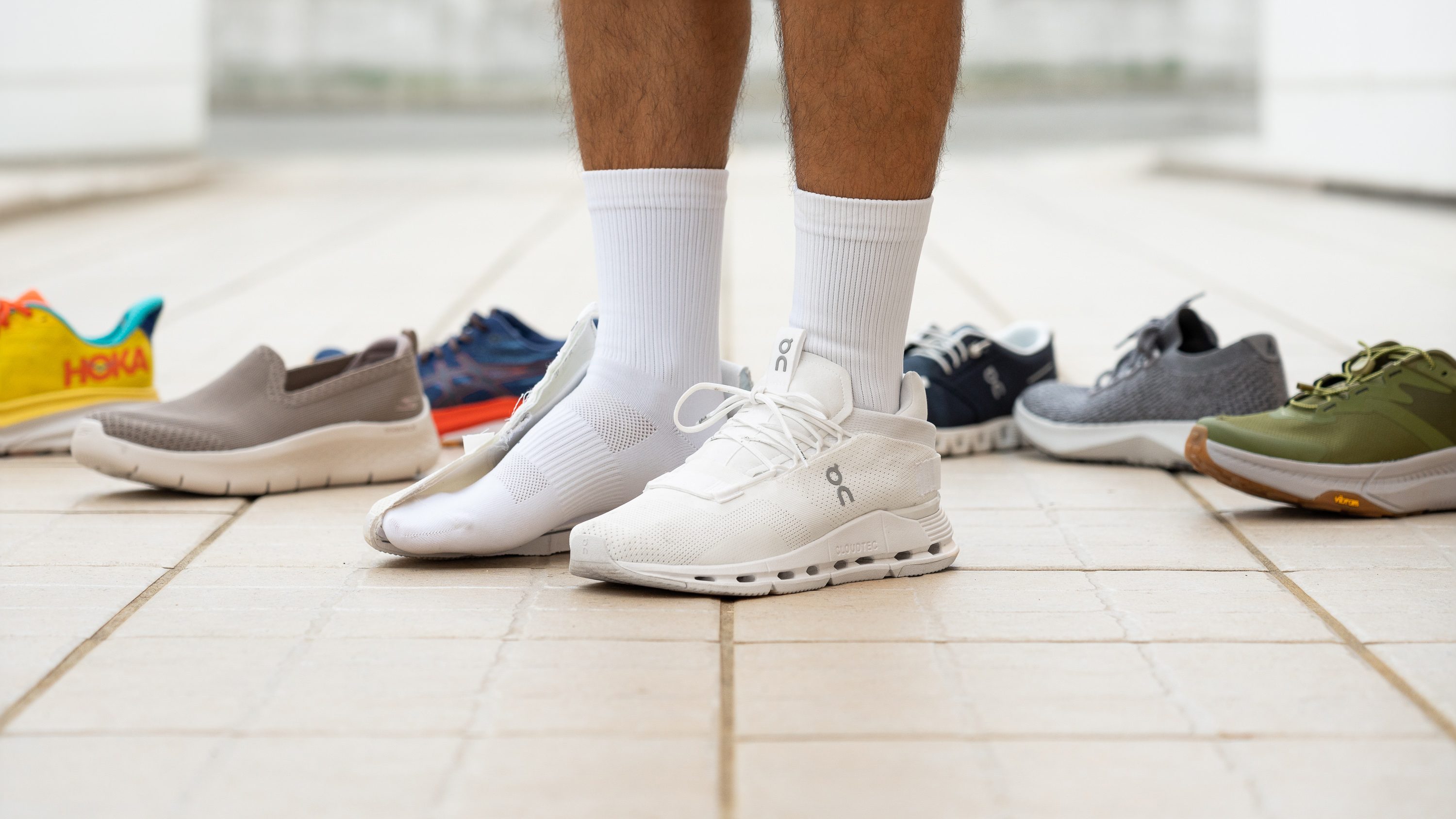
To make an informed choice, you need to speak the language of shoe construction. Let’s dissect the key components that separate a premium walking shoe from a generic sneaker. First, the upper: this is the part that wraps your foot. Look for engineered mesh or knit materials. These provide breathability, flexibility, and a adaptive, sock-like fit that reduces friction and the risk of blisters. Brands like Nike with their Flyknit or Adidas with Primeknit have pioneered this technology, which is now widely adopted. Next, the midsole: this is the heart of the shoe’s comfort and support. It’s where cushioning technologies like Brooks’ DNA LOFT, Hoka’s Profly+, or ASICS’ GEL reside. The purpose isn’t just softness; it’s about responsive cushioning that absorbs impact and returns energy. The midsole also houses the arch support, which is crucial for preventing overpronation (excessive inward roll of the foot) or supination (outward roll). Finally, the outsole: this is the gripping surface. A durable carbon rubber compound in high-wear areas (like the heel) paired with a flexible blown rubber in the forefoot offers an ideal balance of longevity and natural foot flexion. The pattern of the tread, known as the lugs, should provide multi-directional grip for various urban surfaces. As Tim Brennan, a master shoemaker quoted in The Wall Street Journal‘s gear guides, notes, “A good shoe guides the foot without controlling it.” This harmony between structured support and natural movement is the hallmark of a great walking companion.
Style is Not the Enemy: The Rise of Aesthetic-First Comfort
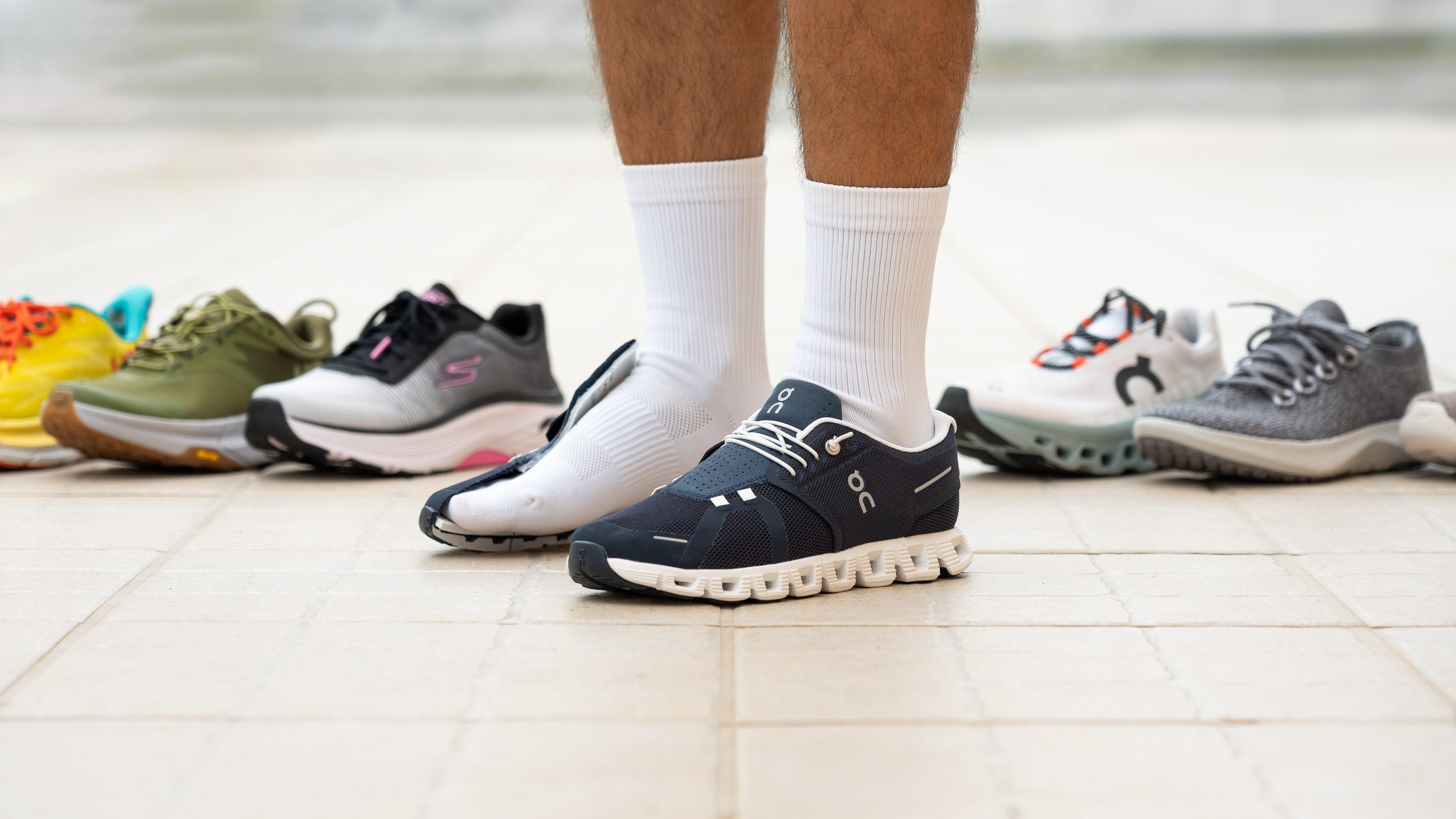
The notion that comfortable shoes must be clunky is a relic of the past. The current market is a testament to the successful marriage of form and function. Consider the evolution of brands like Allbirds, Cole Haan, or even certain lines from New Balance. They have built their identities on creating footwear that you would genuinely want to wear in a variety of settings—from a casual office to a weekend brunch—without sacrificing comfort. This shift is driven by consumer demand and material science. For instance, memory foam insoles, once hidden inside orthopedic shoes, are now seamlessly integrated into sleek derbies and loafers. The “athleisure” trend, as analyzed by business publications like Forbes, isn’t just a fashion statement; it’s a cultural move towards holistic wellness and practicality. A modern walking shoe can feature a minimalist, Scandinavian-inspired design while still incorporating a contoured footbed and a lightweight, flexible sole. The key is to look for clean lines, versatile colorways (think neutrals like grey, navy, or olive), and subtle branding. As fashion influencer and author Brittany Bathgate often showcases, effortless style is about cohesive outfits, and the right pair of comfortable, stylish shoes acts as the foundational piece that ties everything together, proving that you don’t have to choose between looking good and feeling good.
Navigating the Market: How to Find Your Perfect Pair
With countless options, the selection process can be daunting. Here is a structured approach. First, know your gait. Many specialty running stores offer free gait analysis. Understanding if you have a neutral stride, overpronate, or supinate is the single most important factor in narrowing your search. Second, prioritize fit over size. Your shoe size can change over time, and sizes vary wildly between brands. Always try shoes on in the afternoon when your feet are naturally slightly swollen. There should be about a thumb’s width of space between your longest toe and the end of the shoe. The heel should be snug but not tight, with no slippage. Third, consider your primary terrain. Are you mostly on paved city streets, or do your walks include park trails? A shoe with a deeper, more aggressive lug pattern is better for mixed surfaces, while a smoother, flatter sole is ideal for pure pavement. Finally, don’t ignore weight. A heavy shoe can make your legs feel fatigued over long distances. Modern materials like EVA foam and TPU plates allow for incredible support without the bulk. Remember, the best walking shoe for you is the one you forget you’re wearing—it becomes a seamless extension of your body, facilitating movement without drawing attention to itself.

Expert Voices and Where to Find Value
It’s valuable to lean on the expertise of those who have dedicated their lives to studying movement. Podiatrists, physical therapists, and biomechanists consistently highlight a few non-negotiable features. Dr. Miguel Cunha, founder of Gotham Footcare in New York City, frequently advises his patients to look for shoes with a “rigid heel counter” (the back part that cups your heel) for stability and a “rocker sole” that promotes a smooth heel-to-toe transition. Meanwhile, on platforms like YouTube, certified gear reviewers like “KOFUZED” or “Doctor of Running” provide tear-downs and long-term wear tests, offering transparent insights beyond marketing claims. When it comes to value, the sticker price isn’t the whole story. Consider cost per wear. A $150 pair of shoes worn 300 days a year costs 50 cents per day—a negligible investment for all-day comfort and joint health. Look for previous-season models, which often see significant discounts (30-50% off) as new colorways are released. The core technology and fit usually remain identical. Signing up for brand newsletters or checking reputable online retailers during major sale events (Black Friday, end-of-season clearances) are proven strategies for acquiring premium footwear at accessible prices. Bringing this professional knowledge and an eye for discounted prices together empowers you to make a savvy, health-conscious purchase.
The Evolution and Future of Everyday Footwear
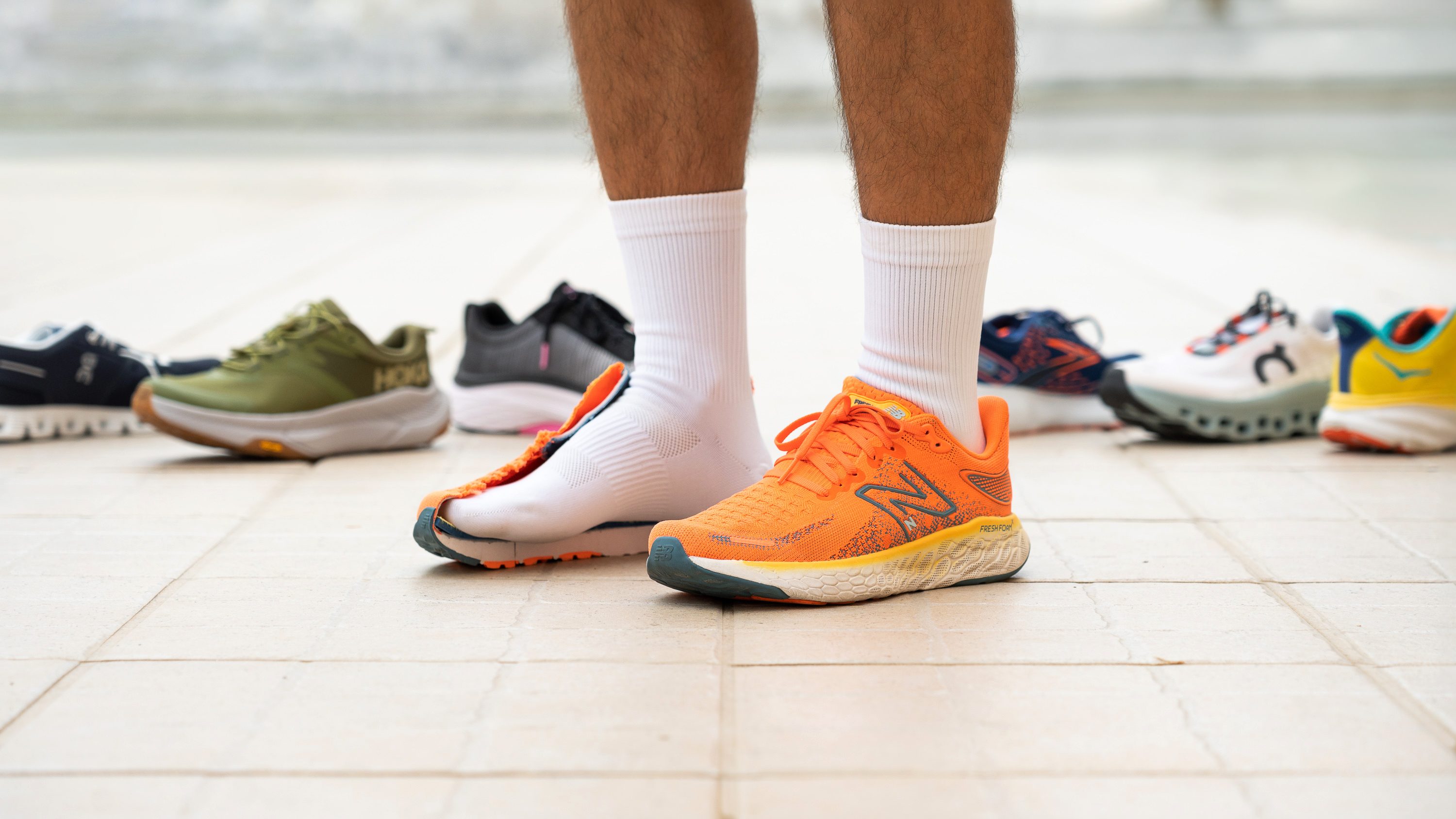
The journey of the humble walking shoe is a fascinating reflection of technological and social progress. From the rigid leather boots of the past to the first rubber-soled “sneakers” of the early 20th century, each iteration sought to make movement easier. The 1970s jogging boom, as documented in books like Born to Run by Christopher McDougall, sparked a revolution in cushioning and biomechanical research that eventually trickled down to walking-specific models. Today, we stand at the brink of another leap: personalization. Brands are experimenting with 3D-printed midsoles tailored to an individual’s pressure map, and smartphone apps that scan your foot to recommend the perfect model. Sustainability is also a driving force, with companies using recycled ocean plastics, bio-based foams, and circular design principles to create their products. The future walking shoe will likely be an adaptive, data-informed, and environmentally responsible tool for urban mobility. It will not only protect your body but also align with your values.
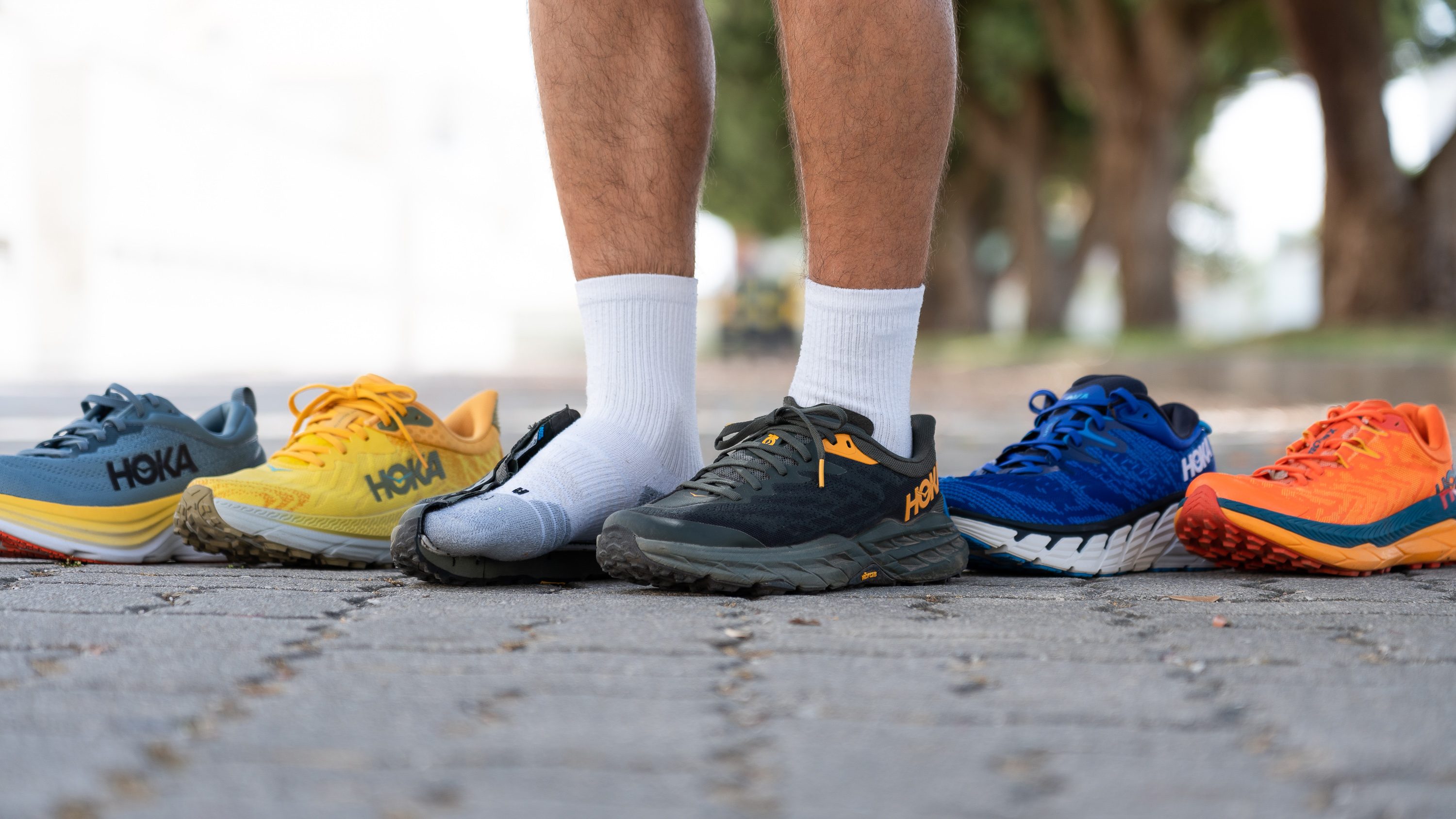
Choosing your everyday footwear is one of the most direct and impactful decisions you can make for your daily quality of life. It transcends fashion and touches on physiology, personal expression, and practical wisdom. By understanding the science behind support, recognizing the synergy of style and comfort, and applying strategic knowledge to your purchase, you step into more than just a shoe. You step into a tool engineered for the rhythm of your life—a foundation that supports every journey, from the morning commute to the evening stroll, with unwavering comfort and quiet confidence. The right pair is out there, waiting to be discovered.
