

The Walking Shoe: Your Ultimate Guide to Comfort and Style
In a world where every step counts, the choice of footwear transcends mere fashion. It becomes a statement about how we move through life, prioritizing well-being without sacrificing personal expression. The modern walking shoe stands at this intersection, engineered not just for movement, but for optimized, joyful, and sustained mobility. This guide delves beyond surface-level trends to explore the anatomy, science, and philosophy behind finding the perfect pair. We will navigate the intricate balance between biomechanical support and aesthetic design, proving that the ultimate walking shoe is one that disappears in its comfort while making its presence known through its style.
The Foundation: Biomechanics of a Perfect Step
To appreciate the engineering marvel of a great walking shoe, one must first understand the mechanics of walking, or gait. The human gait cycle is a complex, repetitive pattern involving heel strike, foot flat, mid-stance, heel-off, and toe-off. Each phase places distinct pressures on the foot’s 26 bones, 33 joints, and over 100 muscles, tendons, and ligaments. A shoe that disrupts this natural rhythm can lead to a cascade of issues, from plantar fasciitis to knee and back pain. The primary role of a dedicated walking shoe is to facilitate a smooth gait. This is achieved through specific design elements: a beveled or rounded heel to encourage a gentle heel strike; flexible forefoot construction to allow for proper toe-off; and torsional stability to control the foot’s natural pronation (inward roll) or supination (outward roll). Research from institutions like the University of Calgary’s Human Performance Laboratory emphasizes that footwear alters neuromuscular control, making shoe selection a critical factor in injury prevention. Therefore, the foundation of comfort is not subjective softness, but objective, scientific support that aligns with your unique biomechanics.
Arch Support and Cushioning: The Dynamic Duo
Two terms dominate the conversation about comfort: arch support and cushioning. While often used interchangeably, they serve fundamentally different purposes. Arch support refers to the structural reinforcement built into the shoe’s midsole to maintain the foot’s natural arch. This is crucial for distributing body weight evenly and preventing the arch from collapsing—a common cause of overpronation and associated pain. The level of support needed is highly individual, contingent on whether one has flat feet (low arches), neutral arches, or high arches. Cushioning, on the other hand, pertains to the material’s ability to attenuate shock upon impact. Modern midsoles utilize advanced polymers like ethylene-vinyl acetate (EVA), polyurethane (PU), and proprietary blends such as Adidas’s Boost or Nike’s React foam. These materials are engineered for resilience and energy return. As noted by biomechanics experts on platforms like Quora and in peer-reviewed literature, the ideal is not maximum cushioning, but optimal cushioning. Too much softness can destabilize the foot, while too little fails to protect the joints. The perfect walking shoe offers a harmonious blend: structured support to guide the foot and responsive cushioning to soften each step.
Material Matters: Breathability, Durability, and Sustainability
The upper of a shoe is its interface with the world, and its material composition dictates performance, longevity, and environmental impact. Traditional leather offers durability and moldable comfort but often lacks breathability. Modern synthetic meshes, like engineered knits and breathable weaves, provide exceptional ventilation, keeping feet cool and dry—a key factor in preventing blisters and fungal infections. Durability is a factor of both material strength and construction technique. For instance, the “Goodyear welt” construction, often cited in high-quality footwear guides, is renowned for its longevity and repairability. In recent years, sustainability has moved to the forefront. Brands are increasingly utilizing recycled polyester, organic cotton, and even plant-based materials. This shift isn’t merely marketing; it reflects a growing consumer consciousness about resource use. When selecting a walking shoe, consider the lifecycle: a slightly more expensive pair made with recycled content and robust construction may outlast multiple cheaper pairs, offering better value and a reduced ecological footprint over time.
Style as Self-Expression: Beyond the Gym
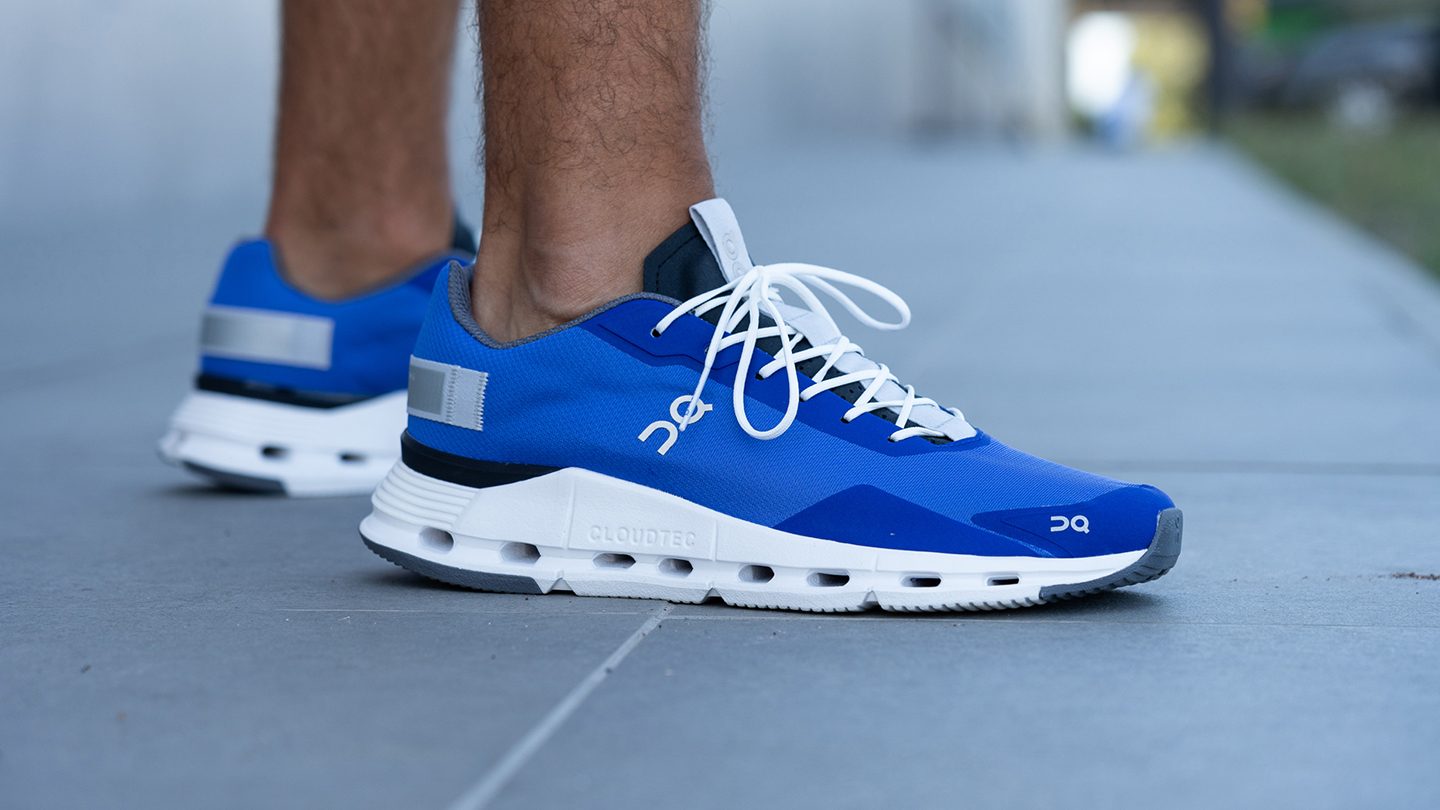
The historical dichotomy between “comfortable” and “stylish” shoes has decisively collapsed. Today’s leading designs prove that ergonomic excellence can coexist with visual appeal. The rise of “athleisure” and the normalization of performance wear in everyday settings have empowered designers to integrate technical features into aesthetically versatile silhouettes. A walking shoe can now seamlessly transition from a morning errand to a casual lunch. This evolution is championed by figures across culture. Fashion influencer and author Tan France often speaks about the importance of shoes that “serve your body and your wardrobe.” Meanwhile, in film and literature, the symbolic power of shoes is undeniable—from Dorothy’s ruby slippers to Forrest Gump’s iconic Nike Cortez, footwear tells a story. Your choice in a walking shoe can communicate a preference for minimalist design, bold color blocking, or retro athletic inspiration. The key is to find a pair whose design language resonates with your personal style, ensuring you reach for them not out of obligation, but desire.
Navigating the Market: A Curated Selection for Your Needs
With countless options available, selecting the right walking shoe can be daunting. Here is a breakdown of categories, informed by expert reviews from sources like Runner’s World, analysis from YouTube channels like “Doctor of Style” (a podiatrist who reviews footwear), and aggregated data from consumer platforms.
For the Urban Explorer: The All-Day Comfort Hybrid
These shoes prioritize cushioning and style for city dwellers who are on their feet for hours. They often feature sleek profiles, premium materials like suede or knit, and ample midsole technology. Brands like Allbirds (with their merino wool and SweetFoam midsoles) and Cole Haan’s Grand series exemplify this category, merging the look of a casual sneaker with the comfort of a performance shoe. They are ideal for those who value a seamless blend of professional and casual aesthetics without compromising on underfoot comfort during long commutes or walking meetings.
For the Fitness-Focused Walker: The Performance Powerhouse
If your walking routine is a dedicated workout, shoes in this category offer maximum support and energy return. They typically have more pronounced stability features, durable outsoles with deep flex grooves, and breathable mesh uppers. Models like the Brooks Addiction Walker or the New Balance 928 are frequently recommended by podiatrists for their exceptional motion control. As noted in reviews on RunRepeat.com, these shoes often undergo rigorous testing for heel counter stability and forefoot flexibility, making them tools for health as much as for exercise.
For the Trail Adventurer: The Rugged Stabilizer
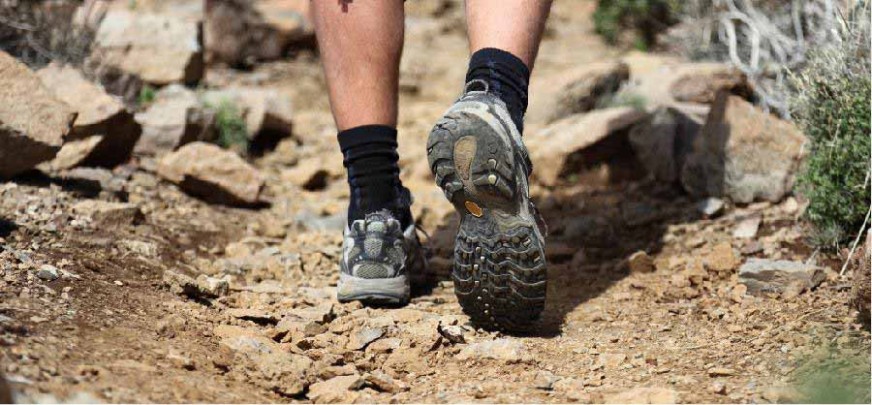
Moving off pavement requires a different set of features. Trail walking shoes boast aggressive, lugged outsoles for superior grip on loose or wet terrain, protective toe caps, and often waterproof membranes like Gore-Tex. Brands like Merrell and Salomon dominate this space. The design philosophy here, as seen in outdoor literature and gear guides, is about creating a stable platform on uneven ground to prevent ankle rolls, proving that a specialized walking shoe is essential for safe and enjoyable exploration beyond the city limits.
Investing in Your Stride: Value Beyond the Price Tag
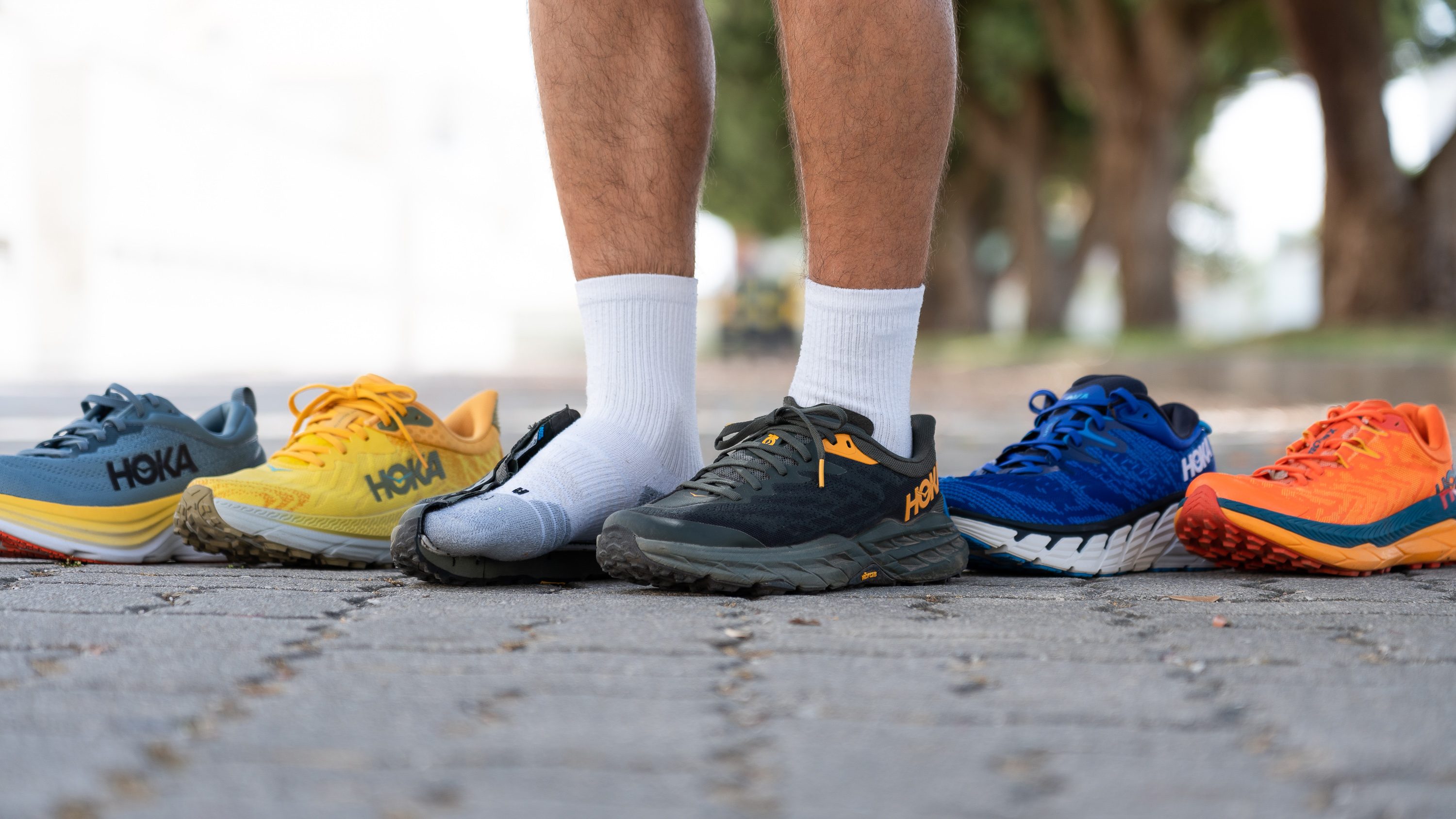
Purchasing the right walking shoe is an investment in your long-term physical health. While premium models from brands like Hoka One One or ASICS Gel may carry a higher initial cost—often ranging from $120 to $160—their value is realized over hundreds of miles. Consider the cost per wear: a $150 pair worn nearly daily for a year breaks down to about forty cents per day. Compare this to a $60 pair that causes discomfort and needs replacement in six months, effectively costing more and potentially leading to medical expenses. Many reputable retailers offer seasonal sales, clearance on previous models, and loyalty discounts. Furthermore, the expertise available at specialty running stores, where staff can analyze your gait, is an invaluable part of the purchase that often comes at no extra charge. This professional fitting service ensures you don’t just buy a shoe, but a solution tailored to your body’s mechanics.
The journey to finding your ultimate walking shoe is a personal exploration of biomechanics, material science, and individual taste. It is a decision that echoes with every step you take, influencing your posture, energy, and confidence. By prioritizing the scientific principles of support and cushioning, embracing materials that suit your lifestyle and values, and selecting a design that speaks to you, you equip yourself for the path ahead—literally and figuratively. The perfect pair awaits, promising a fusion of comfort that feels like an extension of yourself and style that makes a statement with every stride.
