

The Walking Shoe: Your Secret Weapon for Effortless Everyday Style
In the relentless pursuit of style, we often sacrifice comfort, believing the two to be mutually exclusive. We endure pinched toes and aching arches in the name of fashion, only to retreat to the sanctuary of our homes, desperate to shed our beautiful burdens. But what if the very foundation of your daily attire—your shoes—could be both a bastion of comfort and a pillar of style? This is not a fantasy; it is the reality offered by the modern walking shoe. Far from the clunky, purely utilitarian designs of the past, today’s iterations are engineered masterpieces that seamlessly blend biomechanical science with contemporary aesthetics. They are the unsung heroes of the urban landscape, the secret weapon that empowers you to conquer your day with poise and without pain. This article dismantles the false dichotomy between comfort and style, presenting a compelling case for why the right pair of walking shoes is the most intelligent sartorial investment you can make.
The Anatomy of Comfort: More Than Just a Soft Sole
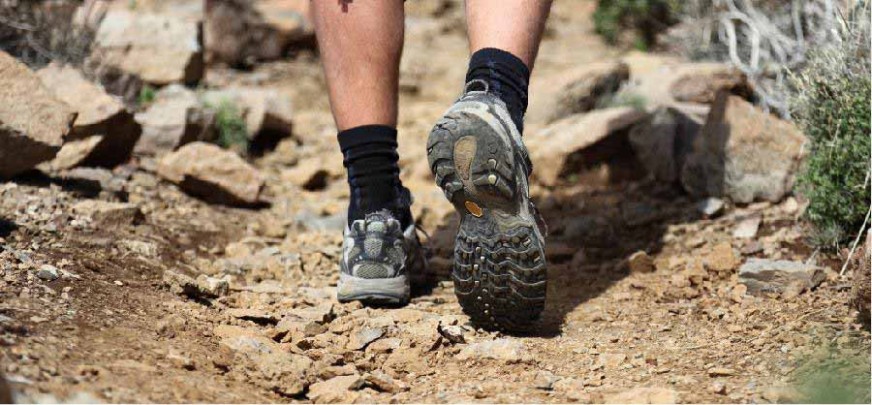
To understand the transformative power of a walking shoe, one must first appreciate the sophisticated engineering within. This is not merely about cushioning; it is about targeted support systems that work in harmony with the human body’s complex mechanics. The foundation lies in the midsole, often crafted from advanced materials like EVA (ethylene-vinyl acetate) foam or proprietary gels. As noted in podiatric literature from institutions like the University of Pittsburgh Medical Center, the primary role of the midsole is to attenuate shock—the repetitive force that travels up your legs and spine with every step. A quality walking shoe disperses this energy efficiently, reducing joint stress. Then comes the critical element of arch support. The human foot arch is a dynamic structure, and its collapse during movement (overpronation) or insufficient roll (supination) can lead to a cascade of issues from plantar fasciitis to knee pain. A well-designed walking shoe incorporates medial posts or dual-density foams to guide the foot into a neutral, healthy alignment. The upper, often made from breathable, adaptive knit or mesh, provides a secure yet non-constricting fit, while a strategically designed toe box allows natural splay. This confluence of features creates what ergonomic experts call a “micro-environment” for the foot, prioritizing long-term musculoskeletal health over fleeting fashion trends. When your foundation is stable and supported, your entire posture improves, and the effortless stride you project is, in itself, a powerful component of style.
From Gym to Street: The Evolution of an Aesthetic
The historical perception of comfortable shoes as fashion failures has been irrevocably shattered. This shift is largely attributed to the “athleisure” revolution, a trend validated by its endurance and adoption by high fashion. The boundary between performance wear and everyday attire has dissolved. Iconic figures have played a pivotal role in this normalization. Television personality and fashion icon Oprah Winfrey has famously extolled the virtues of comfortable shoes for years, integrating them into her polished public appearances. Similarly, renowned filmmaker and style arbiter Sofia Coppola is often photographed navigating city streets in sleek, minimalist sneakers, proving that understated comfort can radiate quiet confidence. The design philosophy has evolved accordingly. Brands now pour resources into creating walking shoes with clean lines, monochromatic color palettes, premium material mixes (think suede accents with technical mesh), and silhouettes that complement everything from tailored trousers to casual dresses. The chunky “dad shoe” trend, ironically born from 90s running shoe aesthetics, further cemented the idea that substantial, comfortable soles could be a deliberate style statement. This evolution means you are no longer choosing between a stylish loafer and a supportive sneaker; you are selecting a hybrid that excels at both. The modern walking shoe is designed with the understanding that we live fluid lives, transitioning from school runs to business meetings to evening socials without the luxury of a full wardrobe change. Your footwear must keep pace, both literally and figuratively.
:max_bytes(150000):strip_icc()/vwt-asics-womens-gel-pulse-16-jinfeng-chen-21-712f0f140e834b84b3a8dcf0bf154771.jpeg)
The Cognitive and Practical Dividend of Unburdened Feet
The benefits of wearing purpose-built walking shoes extend far beyond physical comfort into the realms of mental well-being and practical efficiency. Consider the cognitive load associated with uncomfortable footwear. Your brain is constantly processing minor signals of pain—the rub of a heel, the pressure on a bunion, the strain of an unsupported arch. This phenomenon, often referred to in psychological studies as “ego depletion,” suggests that willpower and focus are finite resources. By eliminating this constant low-grade distraction, you free up mental bandwidth for the tasks that truly matter, whether it’s crafting a presentation, engaging deeply in conversation, or simply being present in your surroundings. Furthermore, the practical empowerment is immense. A study cited by the American Podiatric Medical Association emphasizes that proper footwear can increase daily step count significantly. When your feet are happy, you are more likely to choose the stairs, take the longer scenic route, or spontaneously explore a new neighborhood. This incidental activity is a cornerstone of a healthy lifestyle. In a professional context, the ability to move with confidence and agility—to stride into a room without a wince, to stand comfortably during a networking event—projects an image of capability and energy. The right walking shoe removes a barrier between you and your potential, enabling a more active, engaged, and dynamic way of living. It transforms walking from a necessary chore into a genuine pleasure, opening up your world by making every destination feel more accessible.
Dispelling Myths: A Data-Driven Defense
Despite the evidence, some persistent myths linger. The most common is the belief that supportive shoes weaken the feet. This argument, often stemming from the minimalist or barefoot running movement, has been contextualized by sports medicine research. While barefoot training can have benefits in controlled, gradual settings for strengthening intrinsic foot muscles, the hard, unyielding surfaces of modern urban environments—concrete, asphalt, tile—are not what human feet evolved to walk on for hours. As Dr. James Ioli, Chief of Podiatric Services at Brigham and Women’s Hospital, has stated, “For the average person walking on hard surfaces daily, a shoe with good support and cushioning is protective.” Another myth equates a higher price tag with automatically better quality. While premium materials and advanced R&D often command a higher cost, the key is fit and design purpose, not just price. A well-fitted $100 walking shoe from a brand specializing in biomechanics can be vastly superior to a poorly fitted $300 fashion sneaker. The goal is not to create dependency on a rigid crutch, but to provide an intelligent interface between your body and the man-made world. A true walking shoe is a tool for resilience, not a cause of atrophy, allowing you to build endurance and strength safely over time.
Making the Intelligent Choice: A Guide to Your Investment
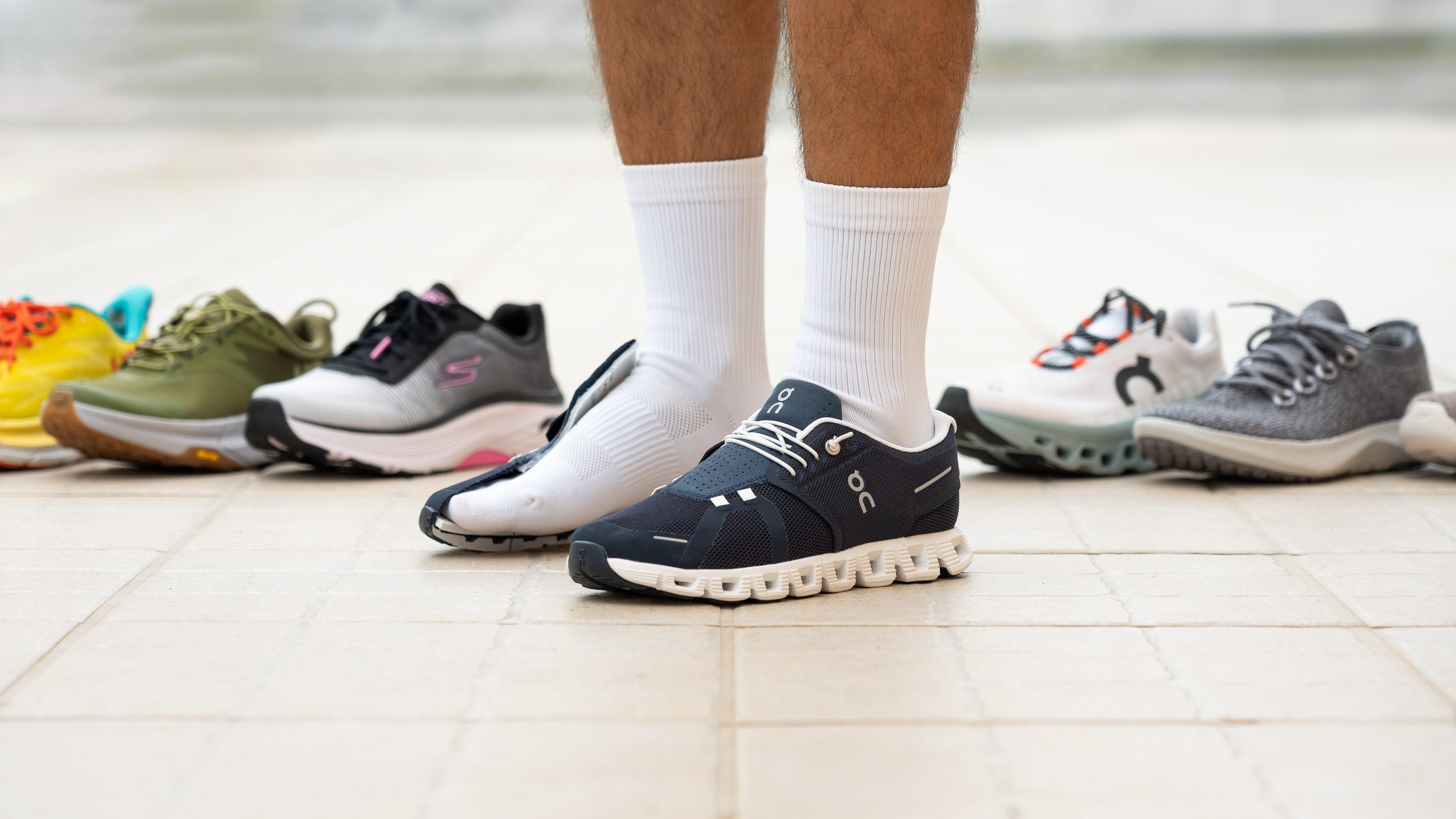
Selecting your secret weapon requires a strategic approach. First, prioritize fit above all else. Shop in the afternoon when feet are naturally slightly swollen. Ensure about a thumbnail’s space between your longest toe and the shoe’s end, and that the widest part of your foot aligns with the shoe’s widest part. Don’t be enslaved by your usual size; brand variations are significant. Second, identify your gait pattern. Many specialty running stores offer free gait analysis. Knowing if you overpronate, supinate, or have a neutral stride will direct you to shoes with the appropriate stability features. Third, consider your primary terrain. Are you mostly on pavement, or do you incorporate park trails? A road-walking shoe prioritizes cushioning, while a hybrid might have a slightly more lugged outsole. Finally, let your personal style guide the final selection from within the category that fits your biomechanical needs. The market now offers everything from retro-inspired leather sneakers to futuristic knit models. This is where the convergence of professional knowledge and accessible value becomes crucial. While the technology is advanced, the market is competitive, leading to frequent sales, last-season model discounts, and direct-to-consumer brands offering premium quality at lower price points. An informed consumer can absolutely acquire top-tier biomechanical support without a prohibitive cost, making the upgrade to purpose-built footwear a shrewd and accessible decision.
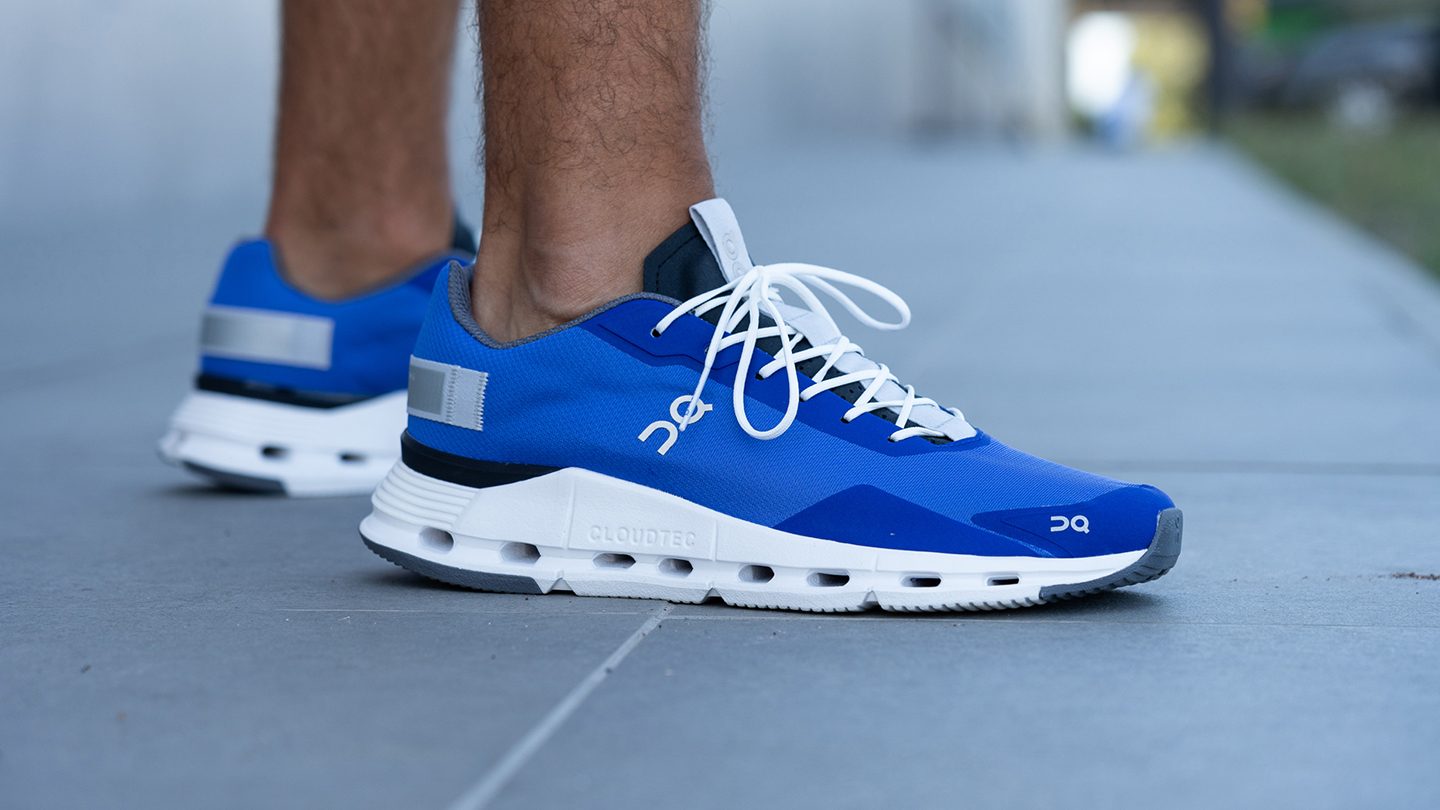
The pursuit of style should not be a penance. The era of suffering for beauty is an archaic notion, rendered obsolete by innovation and a more holistic understanding of well-being. The modern walking shoe stands as a testament to this progress. It is a piece of wearable technology that honors the intricate design of the human body while respecting the individual’s desire for aesthetic expression. By choosing footwear that champions your physical health, you are not abandoning style; you are redefining it on your own terms—terms that include vitality, confidence, and the freedom to move through your life unencumbered. Your secret weapon is not hidden in your closet; it’s ready to be laced up, empowering every step you take.
