

The Walking Shoe: Your Secret to Effortless Style and All-Day Comfort
Forget the notion that comfort and style exist in separate realms. The modern walking shoe has evolved into a sophisticated hybrid, a piece of footwear engineered not just for movement but for living. It is the unsung hero of the urban landscape, the foundation upon which a day of confidence, productivity, and ease is built. This isn’t about athletic performance in the traditional sense; it’s about the performance of daily life. From the first step out your door to the last one back in, the right shoe doesn’t just carry you—it elevates you. The quest for the perfect pair is, therefore, not a trivial pursuit of fashion but a fundamental investment in well-being. Let’s dismantle the old paradigms and explore how this single item can become your most reliable ally.
The Anatomy of All-Day Comfort: More Than Just a Soft Sole
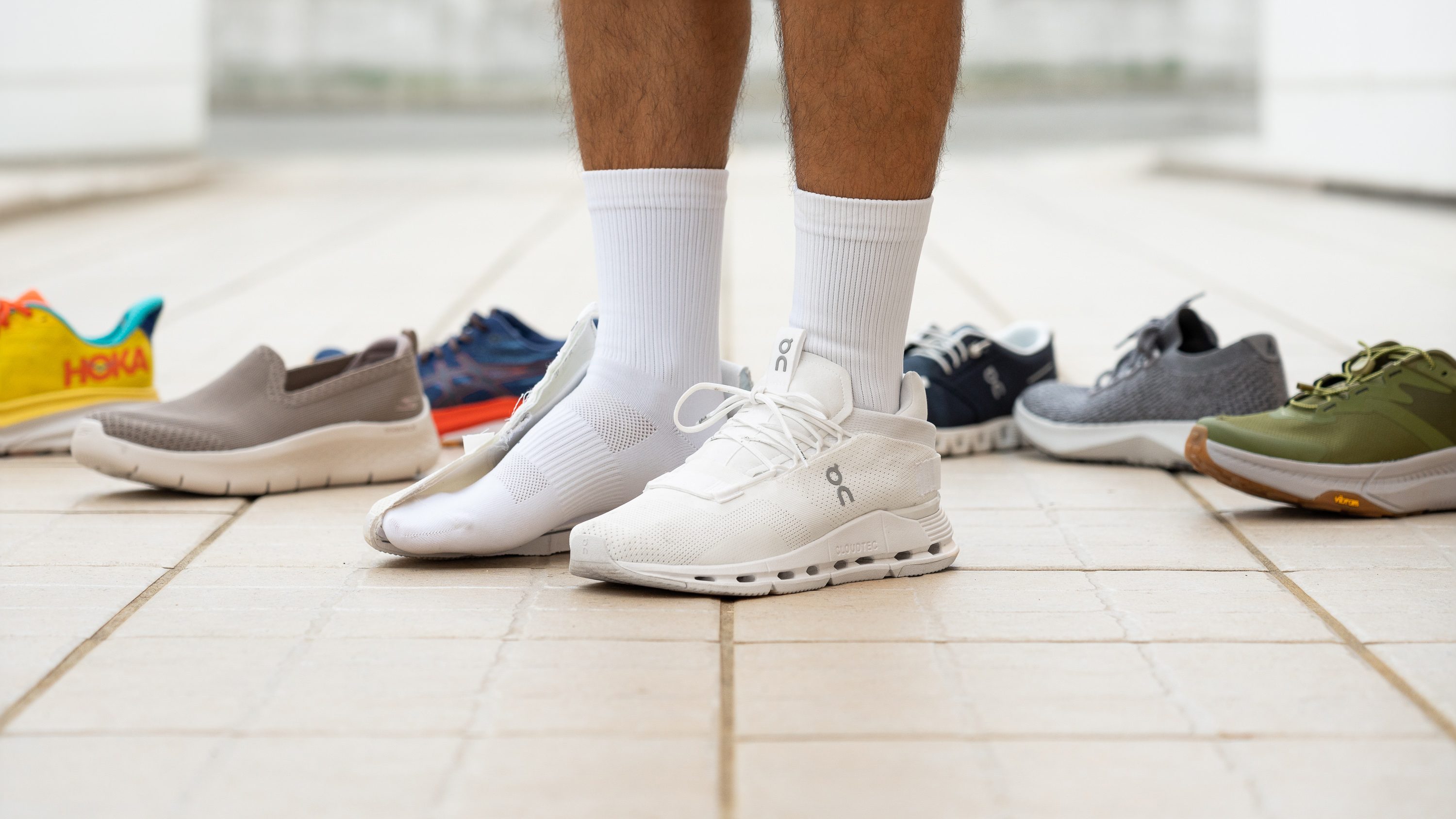
Comfort in a walking shoe is a complex symphony of biomechanics and material science, not a single note of “softness.” A shoe that is overly soft may feel good in the store but can lead to arch fatigue and instability over miles. True comfort arises from a harmonious design that addresses the entire gait cycle. Consider the heel strike: a well-cushioned heel unit with strategic shock absorption, often using proprietary foam technologies like Adidas’s Boost or Brooks’s DNA LOFT, dissipates the impact force that travels up your joints. As your foot rolls forward through the midfoot, the shoe must provide adequate arch support to maintain the foot’s natural plantar fascia tension, preventing conditions like plantar fasciitis. This is where the debate between stability and neutral shoes becomes relevant, a topic extensively covered in podiatric literature from institutions like the American Podiatric Medical Association. Finally, at toe-off, a flexible forefoot allows your foot’s natural bending motion without restriction. The insole, or sock liner, is another critical layer, often infused with antimicrobial treatments to manage moisture and odor. As noted by Dr. Miguel Cunha, founder of Gotham Footcare, in an interview for Well+Good, “The wrong shoe can create a cascade of problems, from bunions to knee pain.” Therefore, selecting a walking shoe is less about the immediate plush feeling and more about the structured support that respects the foot’s intricate architecture over prolonged periods.
Ergonomics and Gait Analysis: The Invisible Science
Beneath the stylish exterior of a modern walking shoe lies a foundation built on ergonomics and gait analysis. Ergonomics, derived from the Greek ‘ergon’ (work) and ‘nomos’ (laws), is the scientific discipline concerned with designing products to optimize human well-being and overall system performance. In footwear, this translates to contours that match the foot’s shape, reducing pressure points. Gait analysis, once confined to sports labs, now informs consumer design. Brands utilize pressure mapping and motion capture to understand how different foot types—neutral, overpronated, or supinated—move. For instance, a person with overpronation (where the ankle rolls inward excessively) benefits from a shoe with medial post support, a firmer density foam on the inner side to guide the foot into a more neutral position. This isn’t marketing jargon; it’s applied biomechanics. Wikipedia’s entry on “Running Shoe” delves into these categories, principles that are directly transferable to walking shoes. The goal is to create a shoe that works with your body’s mechanics, not against them, minimizing energy expenditure and strain. When you slip on a shoe that aligns with your natural gait, you experience a sense of effortless propulsion—a feeling that the shoe is an extension of your body, not an impediment.
Style Reimagined: The Aesthetic Revolution of Performance Footwear
The historical chasm between “sneakers” and “dress shoes” has irrevocably closed. The driving force behind this is a cultural shift, famously encapsulated by the “athleisure” trend, but it’s deeper than a trend. It’s a redefinition of what constitutes appropriate and sophisticated attire. The modern walking shoe draws inspiration from minimalist design, technical fabrics, and a palette that moves beyond neon brights to include muted tones, monochromes, and premium materials like suede, knit uppers, and recycled composites. This allows for seamless integration into diverse wardrobes. You can pair a sleek, all-black pair of walking shoes from brands like Allbirds or Cole Haan’s Grand series with chinos and a blazer for a smart-casual look that is both polished and prepared for a 10-block walk to a meeting. The influence is visible in popular culture, from the tech moguls of Silicon Valley who champion comfort to the fashion icons featured on sites like Hypebeast or GQ who regularly spotlight designer collaborations with sportswear brands. The message is clear: looking sharp no longer requires sacrificing your physical comfort. The shoe has become a statement of pragmatic intelligence, signaling that you value both form and function.
Material Innovation: Where Technology Meets Texture
The aesthetic appeal is inextricably linked to technological advancement. The evolution from stiff, monolithic leather to engineered knits and adaptive meshes has been revolutionary. Materials like Primeknit, Flyknit, and engineered mesh provide a dynamic, sock-like fit that moves and breathes with the foot. These are not just more comfortable; they create a visually distinctive, modern texture. Furthermore, sustainability has become a key driver of style. Brands are increasingly using recycled polyester from plastic bottles, organic cotton, and even algae-based foams (like in the Brooks Ghost 14) to construct their shoes. This eco-conscious approach adds a narrative layer to the product, a value that resonates deeply with contemporary consumers. As climate activist and former Vice President Al Gore has emphasized in various forums, consumer choices in sustainable products drive industry change. When you choose a walking shoe made with recycled content, you’re participating in a circular economy. The style, therefore, is not skin-deep; it reflects a material intelligence and an ethical consideration that is increasingly prized.
The Long-Term Investment: Cost Per Mile Versus Initial Price
It’s tempting to see a price tag and opt for the cheapest option. However, a quality walking shoe should be evaluated through the lens of “cost per mile” or “cost per wear.” A well-constructed shoe from a reputable brand, often priced with the user’s budget in mind through seasonal sales and discounts, might have a higher initial cost but offers vastly superior durability, support, and materials. Let’s consider the economics: a $50 shoe that causes discomfort, wears out in six months, and potentially contributes to a $200 podiatrist visit is a false economy. In contrast, a $120 shoe that provides perfect comfort for 500 miles of walking (a typical lifespan recommended by experts like those at Verywell Fit) and prevents injury represents a wise investment in your health and daily satisfaction. The midsole foam, which provides cushioning, is the first component to break down, usually losing its resiliency long before the outsole wears through. Recognizing when to replace your shoes—typically every 300-500 miles—is part of the investment strategy. By bringing this professional knowledge to your purchasing decision, you move beyond being a casual buyer to an informed consumer who understands value.
:max_bytes(150000):strip_icc()/when-should-i-replace-my-walking-shoes-3436325-0801-7a1840d83573471092e0380f9e230ecc.jpg)
Professional Knowledge as a Purchasing Guide
Arming yourself with knowledge transforms the shopping experience. Understand key terms: “heel-to-toe drop” (the height difference between heel and forefoot, affecting Achilles tendon load), “torsional rigidity” (how much the shoe resists twisting, important for stability), and “outsole rubber compound” (affecting grip and durability). Resources like in-depth buyer’s guides on Runner’s World or lab-test results on RunRepeat offer objective, scientific comparisons that go beyond marketing claims. This professional insight allows you to decode specifications and match them to your specific needs—be it a wide toe box, extra cushioning for hard surfaces, or a water-resistant upper for unpredictable weather. When brands offer discounted prices, often on previous models that are 90% as good as the new version, this knowledge lets you capitalize on value without compromising on the core technological benefits you require. You’re not just buying a shoe; you’re curating a tool based on empirical data and expert consensus.
The Holistic Impact: From Feet to Mindset
The influence of the right walking shoe radiates outward from your feet, impacting your posture, energy levels, and even your mindset. When your foundation is secure and comfortable, your body aligns itself more naturally. You stand taller, your stride lengthens with confidence, and the chronic low-grade distraction of foot pain vanishes. This physical liberation has cognitive consequences. As author and habit expert James Clear writes in Atomic Habits, “You do not rise to the level of your goals. You fall to the level of your systems.” Your footwear is a critical part of your daily “system.” A comfortable, reliable shoe removes a barrier to movement, making you more likely to choose the walking commute, the extra lap around the park, or the exploratory stroll through a new neighborhood. This incremental increase in physical activity, supported by your shoes, contributes to better cardiovascular health, improved mood through endorphin release, and enhanced creativity—a connection famously explored in the book Spark: The Revolutionary New Science of Exercise and the Brain by Dr. John Ratey. The shoe becomes an enabler of a more active, engaged, and vibrant life.
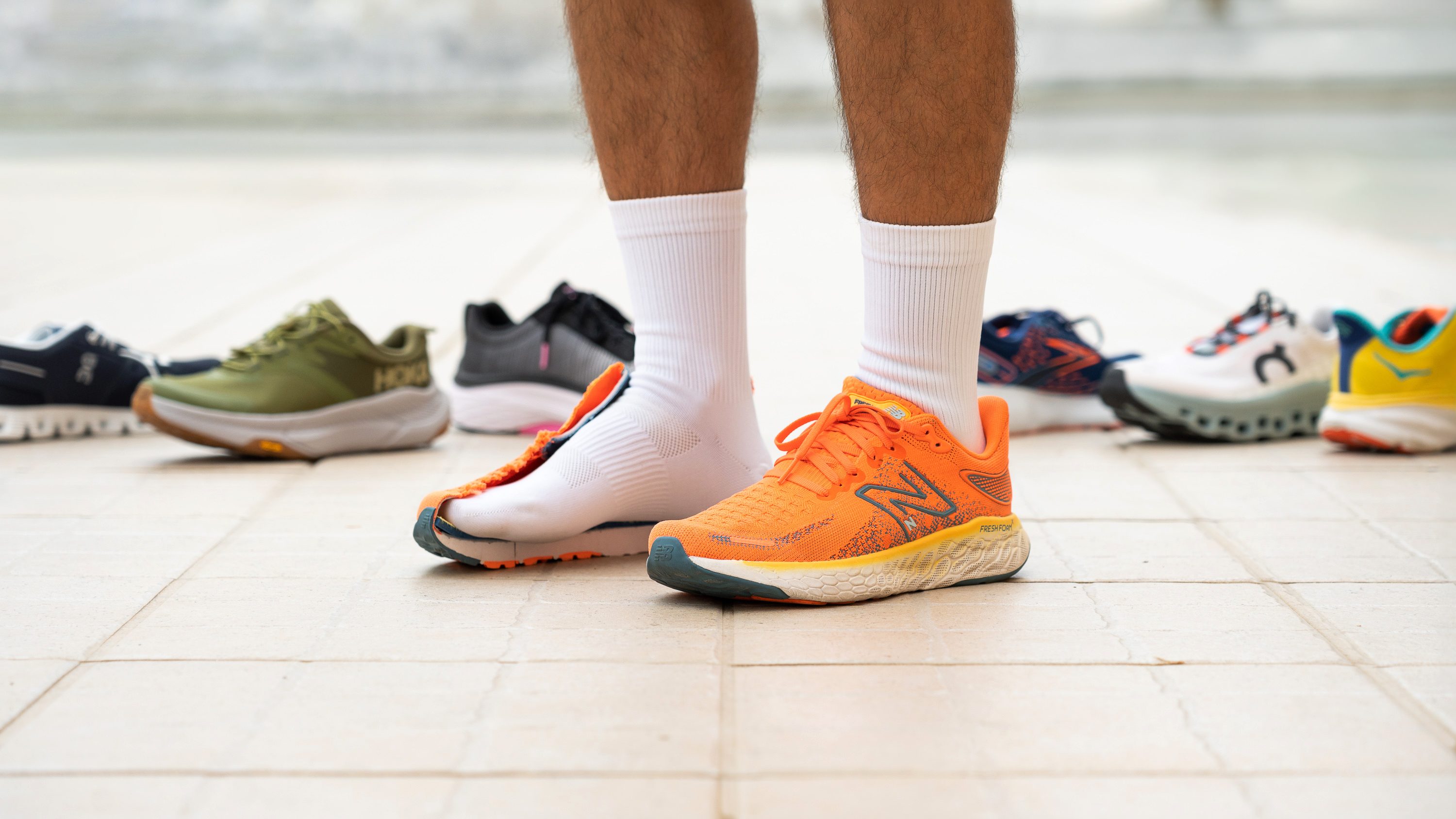
The journey to finding your ideal walking shoe is a personal one, a convergence of your unique biomechanics, aesthetic preferences, and lifestyle demands. It is a deliberate choice to reject the false compromise between comfort and style. By understanding the science of support, embracing the new language of athletic elegance, and viewing the purchase as a long-term investment in your holistic well-being, you unlock a secret weapon for daily life. The world is designed to be explored on foot, and with the right foundation, every step can be a statement of effortless style and sustained comfort. Let your shoes carry you not just across distances, but toward a more seamless and empowered version of your day.
