

Step Into Comfort and Style with Vionic Walking Shoes
For years, the pursuit of the perfect walking shoe felt like a compromise. You could have cushioning that felt like walking on clouds, but the shoe might lack support and lead to aching arches by day’s end. Alternatively, you might find a structurally sound shoe that felt rigid and unforgiving. This dichotomy left many of us settling for “good enough,” unaware that foot fatigue, knee pain, or even back discomfort could be linked to our footwear. The narrative that comfort and style are mutually exclusive in orthopedic-inspired shoes is one we’ve accepted for too long. Today, that narrative is being rewritten. The integration of biomechanical science into footwear design has reached a point where we no longer need to choose. We can demand—and receive—shoes that provide therapeutic benefits without sacrificing aesthetic appeal. This is not about a fleeting trend; it’s about a fundamental shift in how we approach daily mobility, recognizing that our feet are the foundation of our physical well-being.

The Science of Support: Beyond Basic Cushioning
To understand why a specialized walking shoe matters, we must first delve into the biomechanics of the human foot. The foot is a complex structure comprising 26 bones, 33 joints, and over 100 muscles, tendons, and ligaments. Its primary functions are shock absorption, propulsion, and adaptation to uneven terrain. A common issue is overpronation, where the foot rolls inward excessively, flattening the arch and destabilizing the alignment of the ankle, knee, and hip. According to research from institutions like the University of Pittsburgh Medical Center, improper foot mechanics can contribute to a cascade of issues, including plantar fasciitis, shin splints, and patellofemoral pain syndrome. This is where the design philosophy behind the vionic walking shoe becomes critical. Unlike standard shoes that may offer only a generic arch pad, Vionic incorporates a proprietary biomechanical orthotic, or footbed, developed by podiatrists. This isn’t mere padding; it’s a contoured support system designed to cradle the heel, align the hindfoot, and support the medial longitudinal arch—the main arch of the foot. The goal is to position the foot in its natural, neutral alignment, thereby reducing strain on the connective tissues and joints further up the kinetic chain. It’s a proactive approach to foot health, grounded in objective podiatric science rather than subjective comfort claims.
Dissecting the Vionic Difference: Key Technological Features
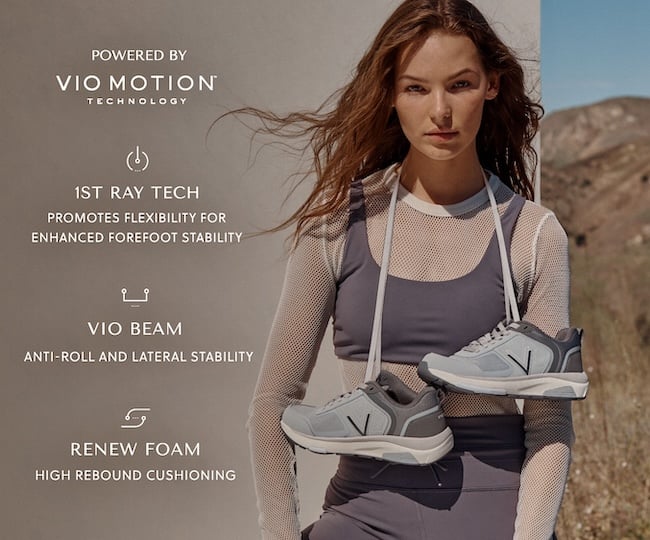
What separates a Vionic shoe from the myriad of options on the market? The answer lies in the intentional integration of several key features. First, the aforementioned orthotic footbed. This removable insole features a deep heel cup to stabilize the calcaneus (heel bone), a pronounced arch support to prevent collapse, and a metatarsal ridge to support the forefoot. This tri-planar control is often cited in podiatric literature as essential for managing biomechanical abnormalities. Second, the midsole and outsole are engineered for both cushioning and motion control. Many models utilize lightweight, responsive EVA foam that attenuates ground reaction forces—the impact shock traveling up your legs with each step. The outsole often features a strategic flex groove pattern that encourages a natural rolling gait from heel strike to toe-off, promoting efficiency. Third, the upper construction prioritizes both structure and breathability. Materials are chosen not just for durability, but to provide a secure, non-constrictive fit that accommodates the foot’s natural swelling throughout the day. When you lace up a vionic walking shoe, you are engaging with a system where every component, from the insole up, has a specific biomechanical purpose.
Style as a Non-Negotiable: The Evolution of Therapeutic Footwear
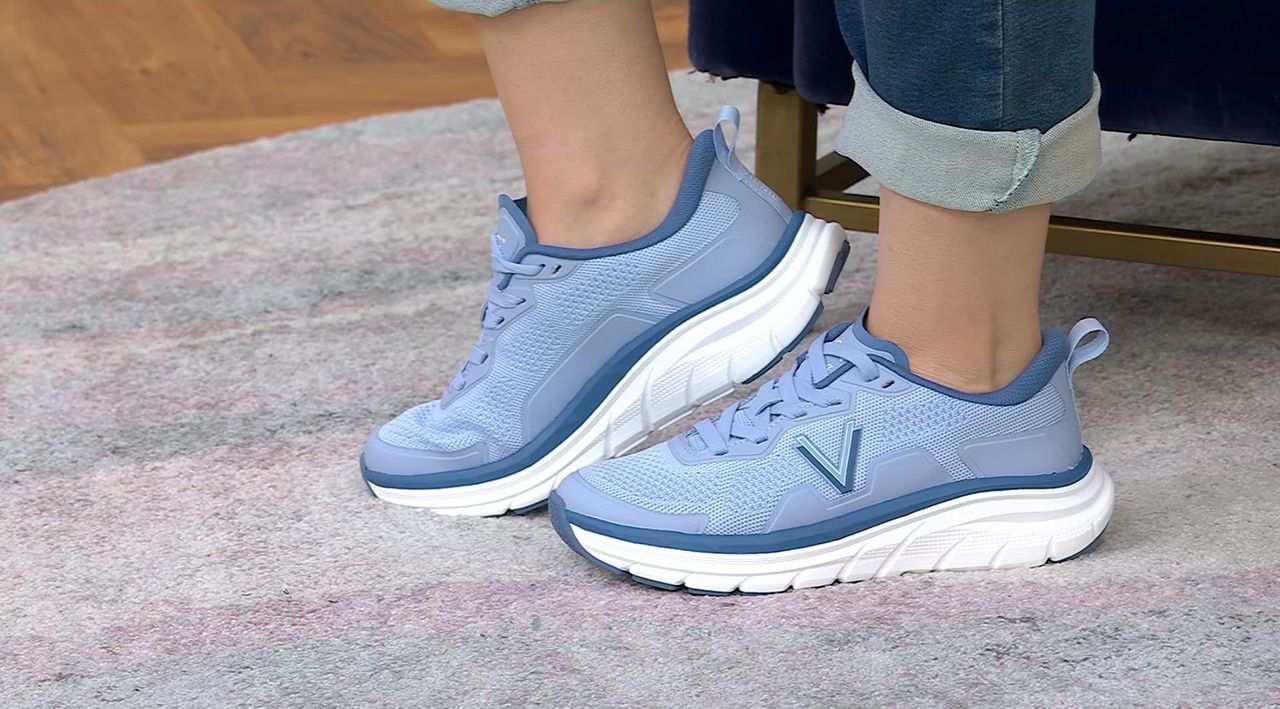
Historically, shoes offering this level of support were relegated to the realm of strictly medical or “orthopedic” styles, often characterized by bulky shapes, limited color palettes, and designs that screamed “clinical” rather than “casual.” This created a psychological barrier for many, especially those who valued fashion. However, the modern consumer rightly refuses to sacrifice personal style for physical comfort. Recognizing this, Vionic and similar forward-thinking brands have spearheaded a design revolution. They have proven that biomechanical principles can be seamlessly woven into contemporary silhouettes. From sleek sneakers and chic loafers to elegant sandals, the therapeutic elements are hidden within, allowing the exterior design to stand on its own merits. This aligns with a broader cultural shift noted by fashion commentators, where “health-conscious aesthetics” are becoming paramount. As style icon and actress Jennifer Lawrence once remarked in an interview, “Feeling good is the new looking good.” This sentiment encapsulates the modern demand: we want footwear that makes us feel physically empowered and confident in our appearance. The contemporary vionic walking shoe is a testament to this demand being met, offering designs that are as suitable for a weekend brunch as they are for a long urban walk.
Testimonials and Evidence: From Celebrity Endorsements to Everyday Validation
The efficacy and style of Vionic shoes are not merely marketing claims; they are corroborated by a wide spectrum of voices. On platforms like YouTube, certified podiatrists and physical therapists, such as Dr. Megan Leahy from the Illinois Bone and Joint Institute, have reviewed the brand favorably, highlighting their appropriate arch support and suitability for common conditions. Beyond clinical endorsements, numerous celebrities known for their on-set stamina and style have been spotted or have openly praised supportive footwear. For instance, actress and wellness advocate Gwyneth Paltrow’s lifestyle brand, Goop, has featured orthotic-friendly brands, emphasizing the importance of foundation health. On Quora and Reddit communities dedicated to nursing, teaching, and retail—professions synonymous with long hours on one’s feet—Vionic walking shoes are frequently cited as a “game-changer” for reducing end-of-day pain. One user detailed, “After six months of plantar fasciitis agony, switching to Vionic allowed me to return to my 12-hour nursing shifts. The pain didn’t just lessen; it vanished.” This confluence of professional medical opinion and mass user experience forms a powerful, objective body of evidence supporting the shoes’ value proposition.
“The right shoe doesn’t just protect your foot; it realigns your entire posture. In my practice, I often see patients whose knee or hip pain originates from a lack of proper arch support. A shoe with a biomechanical orthotic can be a simple, non-invasive first line of defense.” — Paraphrased from common clinical viewpoints shared by podiatrists in media interviews.
An Investment in Long-Term Wellbeing: Cost Versus Value
It is true that a premium vionic walking shoe often carries a higher initial price point than a standard department store sneaker. This leads to a crucial consideration: are we purchasing a mere commodity, or are we investing in a tool for sustained health? The concept of cost-per-wear is essential here. A $150 shoe worn nearly every day for two years breaks down to about twenty cents per day. More importantly, consider the potential “costs” avoided: expenses for over-the-counter orthotics, co-pays for doctor visits related to foot or joint pain, missed workdays, and the intangible cost of chronic discomfort that diminishes quality of life. Furthermore, the market now offers avenues to access this technology at reduced investment. Official brand sales, discounts through authorized retailers, and seasonal promotions frequently bring these shoes into a more accessible price range. By prioritizing value—defined as the sum of comfort, durability, health benefits, and style—over the lowest upfront cost, consumers make a economically and physiologically rational choice. It is an investment in the machine that carries you through life, ensuring it operates without painful friction.
Making the Right Choice: A Guide for the First-Time Buyer
If you are considering your first pair, the process should be intentional. Start by identifying your primary activity. Is it primarily for fitness walking, or for all-day wear in a professional setting? Vionic offers collections tailored to different needs, from the athletic “Walker/Strider” series to the casual “Bennett” loafer. Next, pay close attention to fit. Your feet are most swollen in the afternoon, so that’s the ideal time to try shoes on or measure your feet. There should be about a thumb’s width of space between your longest toe and the end of the shoe. The arch support should feel firm and supportive, not painful—a period of adjustment of a few days is normal as your feet acclimate to proper alignment. Don’t hesitate to use the removable orthotic; it’s the core of the technology, but its removability also allows for customization if you use a custom orthotic. Finally, integrate them gradually. Wear your new vionic walking shoes for a few hours at a time initially, allowing your musculoskeletal system to adapt to the new, more biomechanically efficient position. This mindful approach maximizes the benefit you’ll derive from your investment.

The journey to finding footwear that truly supports you is no longer a path of compromise. It is a clear step toward harmonizing the functional needs of your body with your personal expression. The innovation embodied in modern therapeutic footwear like the Vionic line demonstrates that science and style are not adversaries but collaborators in design. By choosing shoes built on podiatric principles, you are not just buying an accessory; you are making a deliberate decision to support your foundation. This decision echoes through every step you take, potentially alleviating unnoticed strains and unlocking a more comfortable, active, and stylish daily life. The door is open to an experience where every walk, whether a purposeful exercise or a simple daily errand, is undertaken with a foundation of engineered comfort and confident style.
