

The Best Tennis Shoes for Everyday Walking Comfort
When we talk about finding the perfect shoe for daily ambulation, the conversation often veers towards specialized walking shoes or running sneakers. However, a compelling case can be made for a different category entirely: the modern tennis shoe. Originally engineered for the lateral cuts, quick stops, and sprints of the court, today’s tennis shoes have evolved into a powerhouse of comfort technology that translates exceptionally well to the steady, repetitive motion of walking. This isn’t about repurposing old sports gear; it’s about recognizing a design philosophy built on stability, cushioning, and durability. The right pair of tennis shoes for walking can transform your daily step count from a chore into a pleasure, offering a blend of support that many dedicated walking shoes strive to achieve.
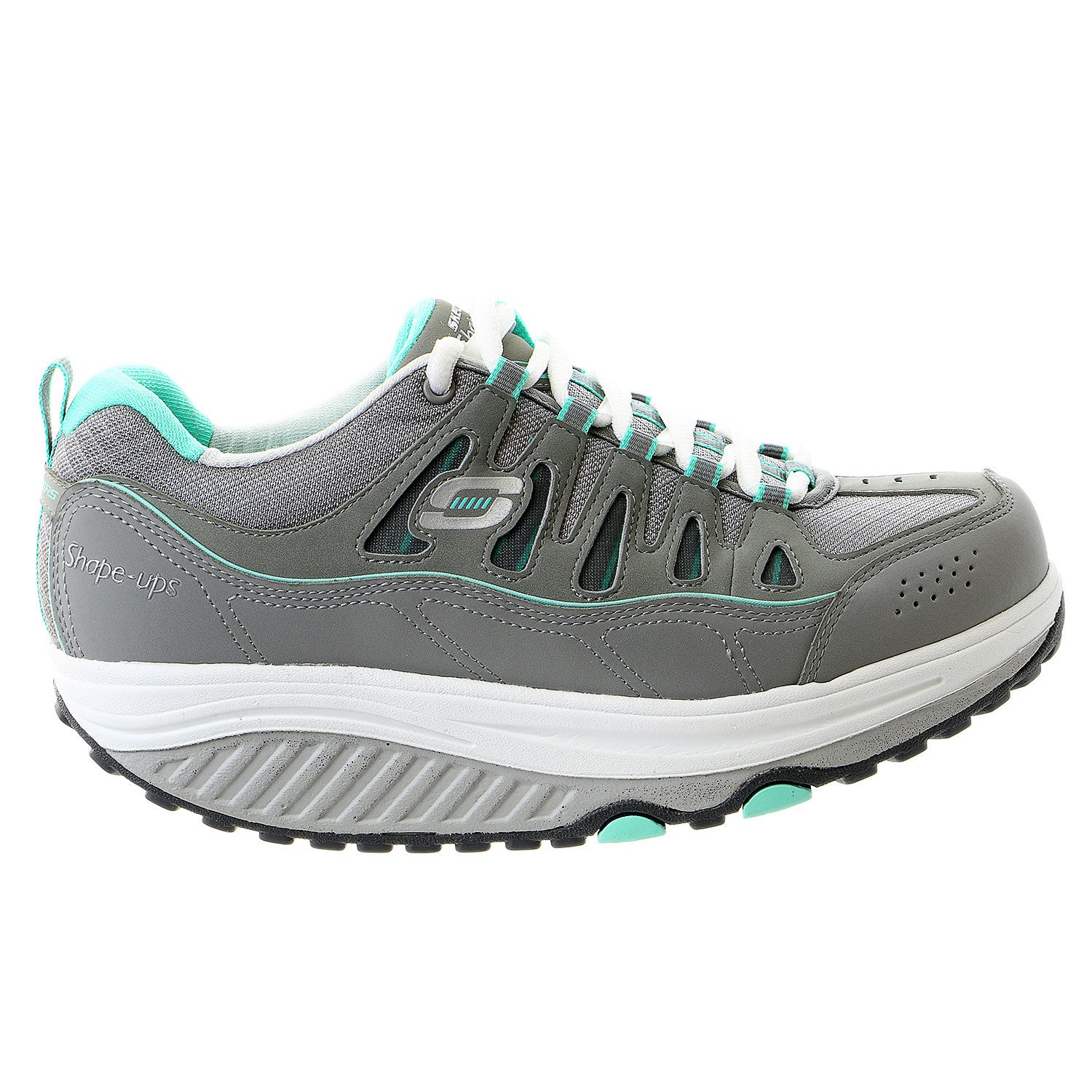
The Engineering Behind the Comfort: Why Tennis Shoes Work
To understand why a tennis shoe excels as a walking companion, we must dissect its core engineering principles. Unlike running, which is primarily a forward-motion activity, tennis is a multi-directional sport. This fundamental difference dictates design. A running shoe prioritizes heel-to-toe transition and forward momentum, often featuring pronounced heel cushioning and a rocker design. A tennis shoe, conversely, is built for stability above all else. The need to plant a foot and change direction violently requires a shoe that prevents the foot from rolling inward (overpronation) or outward (supination). This is achieved through a combination of a wider base, especially in the forefoot, and robust midfoot support structures. For the walker, this translates to a remarkably stable platform with each step. The cushioning in a tennis shoe is also designed differently. It must absorb impact not just from vertical forces (like landing from a jump) but also from the shear forces generated during lateral movements. Brands like ASICS, with their GEL technology, and Nike, with Air units, have developed cushioning systems that disperse impact energy effectively in multiple planes. As noted in a biomechanics study from the University of Calgary’s Human Performance Lab, footwear designed for court sports often exhibits superior medial-lateral stability metrics compared to straight-line running shoes, a feature directly beneficial for walkers who may navigate uneven urban sidewalks or natural trails.
Key Features to Seek in Tennis Shoes for Walking
Not every tennis shoe is created equal for pedestrian use. When selecting tennis shoes for walking, focus on specific features that align with the biomechanics of walking. First, examine the outsole. A durable, non-marking rubber with a modified herringbone or circular tread pattern is ideal. This provides excellent grip on varied surfaces, from pavement to grocery store floors, without picking up excessive debris. The flat, stable nature of these outsoles promotes an even foot strike. Second, the midsole is the heart of comfort. Look for technologies that offer responsive yet soft cushioning. Adidas’s Boost foam, for instance, is renowned for its energy return, making each step feel lighter. Third, consider the upper material. Breathable mesh is paramount for all-day wear to prevent moisture buildup. A well-structured heel counter—the firm cup at the back of the shoe—is non-negotiable; it locks your heel in place, preventing slippage and blisters. Finally, the toe box should have ample room for your toes to splay naturally with each step. A cramped toe box can lead to issues like bunions or neuromas over time. As celebrity trainer Harley Pasternak has often emphasized on his social media platforms, “The foundation of any fitness regimen, including daily walking, is a shoe that provides a stable base and allows your foot to function as nature intended.”
:max_bytes(150000):strip_icc()/Web_1500-vwt-primary-best-overall-shoe-tstaples-118-671f4e0048e64d14a1c42e4f8d9e6658.jpg)
Debunking the Myths: Tennis Shoes vs. Dedicated Walking Shoes
A common point of contention is whether one should ever use a sports-specific shoe for an activity it wasn’t “marketed” for. This rigid categorization often overlooks the convergence of technology in modern footwear. The primary myth is that walking shoes are always superior because they have a more flexible sole designed for the walking gait cycle. While true for some models, many modern walking shoes have become overly soft, sacrificing stability for plushness—a trade-off that can lead to arch fatigue and even knee pain over long distances. Tennis shoes, with their firmer midsole and emphasis on torsional rigidity (resistance to twisting), provide the supportive structure that many walkers’ feet crave. Another myth concerns weight. It’s assumed tennis shoes are heavier. While this may have been true decades ago, advancements in materials like engineered mesh and lightweight foams have resulted in tennis shoes that are often comparable in weight to dedicated walking models. The perspective from Wikipedia’s entry on “Athletic Shoes” supports this integrative view, stating that “the boundaries between categories of athletic shoes are increasingly blurred, with technologies developed for one sport frequently being adopted for general fitness and casual use.” Therefore, choosing tennis shoes for walking is not a compromise; it’s an informed selection based on the specific support and durability features they offer.
Top Contenders: Brands and Models That Excel
Several brands have models that stand out as exceptional hybrids, perfect for the walker seeking tennis shoe heritage. New Balance’s Fresh Foam Lav line, for example, takes the cushioning from their running line and houses it in a stable, supportive tennis-inspired silhouette. The result is a cloud-like feel without the wobbliness. Another standout is the ASICS GEL-Resolution series. Famous for its durability and DuoMax support system, it offers walkers a supremely stable ride that can handle high mileage. For those seeking maximal cushioning, the Nike Air Zoom Vapor Cage is a contender, offering responsive Zoom Air units in a breathable package. It’s worth noting that professional tennis players like Novak Djokovic spend hours in these shoes during high-impact matches, a testament to their all-day comfort potential. On a more accessible end, Skechers’ performance line often incorporates memory foam and flexible outsoles in designs that borrow from tennis aesthetics, providing immediate comfort at a friendly price point. When evaluating, remember that fit is personal. Renowned podiatrist Dr. Brad Schaeffer, in an interview with Verywell Fit, advises, “The best shoe is the one that fits your unique foot structure. Don’t buy a shoe for its name; buy it for how it cradles your arch, secures your heel, and allows your toes room to move.”

Integrating Professional Insight and Finding Value
Making an informed decision requires blending professional knowledge with practical value. From a biomechanical standpoint, the repetitive sub-maximal impact of walking creates a different stress profile than running. A study published in the Journal of Foot and Ankle Research highlighted that while peak forces are lower in walking, the cumulative load over time is significant. Shoes with good energy-return properties, common in high-end tennis models, can help mitigate this cumulative fatigue. This is the professional knowledge that should guide your choice: seek cushioning that returns energy, not just absorbs it. Now, let’s talk value. The wonderful aspect of choosing tennis shoes for walking is the market cycle. Tennis shoes are often updated with new colorways and models for each major tournament (like Wimbledon or the US Open). This means last season’s premium model, which is still incredibly durable and technologically advanced, can frequently be found at discounted prices. Websites of major retailers often have “court” or “tennis” sections where these discounts are prominent. Investing in a previous-generation model from a brand like Adidas or ASICS can provide you with top-tier technology—think GEL cushioning or Torsion System support—at a fraction of the original cost. This approach brings professional-grade support to your everyday walk without necessitating a professional-grade budget.
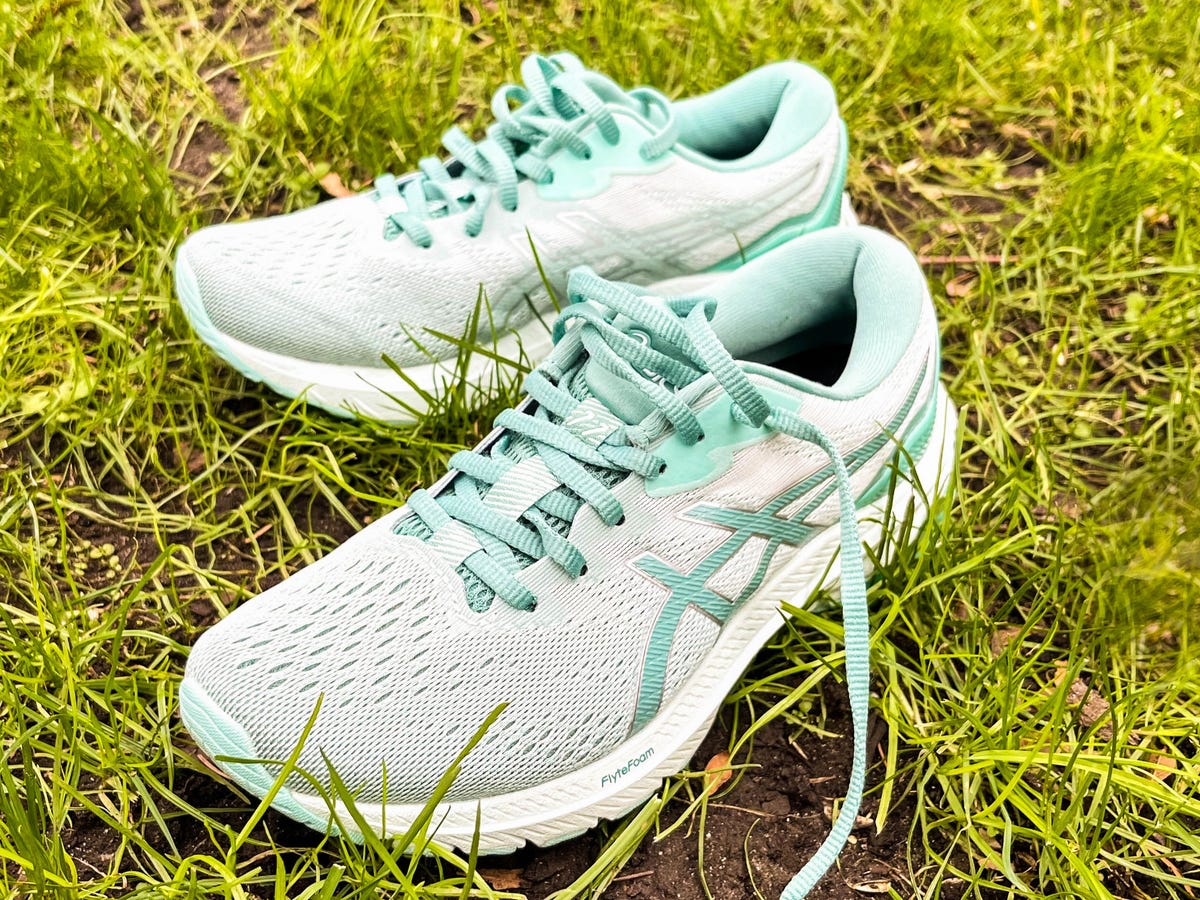
The Personal Experience: A Step in the Right Direction
You might wonder how this translates to the actual feeling on the pavement. Let me shift to a second-person perspective to describe it: When you slip on a well-chosen pair of tennis shoes for your walk, the first thing you notice is the secure fit. Your heel is nestled firmly, and your midfoot feels supported, not squeezed. As you take your first steps, the cushioning responds—it’s not the sinking feeling of some soft foams, but a lively bounce that propels you forward slightly. The wider platform gives you confidence on uneven surfaces; you don’t feel like you’re going to roll an ankle on a stray pebble. Over the course of three, four, or five miles, this consistent support pays dividends. Your feet don’t feel battered, your arches don’t ache, and the breathable upper means your feet stay relatively cool and dry. This isn’t a hypothetical scenario. In forums like the “Walking for Fitness” community on Quora, numerous users report switching from traditional walking shoes to stability-oriented athletic shoes, including tennis models, and experiencing a dramatic reduction in foot fatigue. The evidence, therefore, is not just in the laboratory data or the manufacturer’s specs, but in the lived experience of countless walkers who have found their perfect stride in an unexpected place.
The quest for the ideal walking shoe need not be confined to a single aisle labeled “walking.” By looking towards the tennis court, we discover a class of footwear engineered for resilience, stability, and all-day comfort under dynamic load. The architectural principles of a great tennis shoe—its fortified heel counter, its multi-directional cushioning, its durable, grippy outsole—align seamlessly with the demands of sustained walking. Whether you’re navigating city streets, park paths, or the corridors of your daily routine, the right pair of tennis shoes for walking offers a foundation that is both scientifically sound and experientially proven. It’s a choice that prioritizes the long-term health and comfort of your feet, step after steady step.
