

The Walking Shoe: Your Ultimate Guide to Comfort and Style
Forget the notion that comfort and style exist in separate worlds. The modern pursuit of wellness and personal expression has converged, demanding footwear that doesn’t force a compromise. This is where the concept of the dedicated walking shoe transcends its basic function. It is no longer just a piece of athletic gear; it is a foundational tool for daily life, a statement of intent for your health, and an accessory that can complete an outfit without sacrificing your feet’s well-being. We are moving away from the era of suffering for fashion or neglecting support for aesthetics. Today, the ideal walking shoe embodies biomechanical science, material innovation, and thoughtful design, proving that you can, indeed, have it all. This guide is your roadmap to understanding why this specialized footwear matters and how to select the pair that aligns with your stride, your lifestyle, and your personal aesthetic.
The Anatomy of Comfort: More Than Just a Soft Feeling
When we speak of comfort in a walking shoe, we are referring to a complex symphony of engineering, not merely a plush lining. True comfort is dynamic and supportive, adapting to the unique biomechanics of the human gait cycle—heel strike, midfoot stance, and toe-off. Scientific literature, such as studies published in the Journal of Foot and Ankle Research, consistently highlights the role of proper footwear in preventing overuse injuries like plantar fasciitis and shin splints. The cornerstone of this is the midsole, typically crafted from advanced polymers like EVA (ethylene-vinyl acetate) or polyurethane. These materials are engineered for a balance of cushioning and energy return. As Dr. Casey Kerrigan, a renowned biomechanist, has often stated in interviews, “Cushioning that is too soft can be as detrimental as too little, destabilizing the foot and wasting energy.” Furthermore, the heel counter—the firm cup at the back of the shoe—must be rigid enough to stabilize the rearfoot, preventing excessive pronation or supination that can lead to joint stress up the kinetic chain, affecting ankles, knees, and even hips. The insole or footbed is another critical layer, with many premium options offering arch support contoured from memory foam or medically-informed designs to distribute pressure evenly. Therefore, selecting a shoe is an exercise in understanding your own foot’s architecture and movement pattern, a process far more scientific than simply pressing a thumb into the sole.
Material Science: Breathability, Durability, and Sustainability
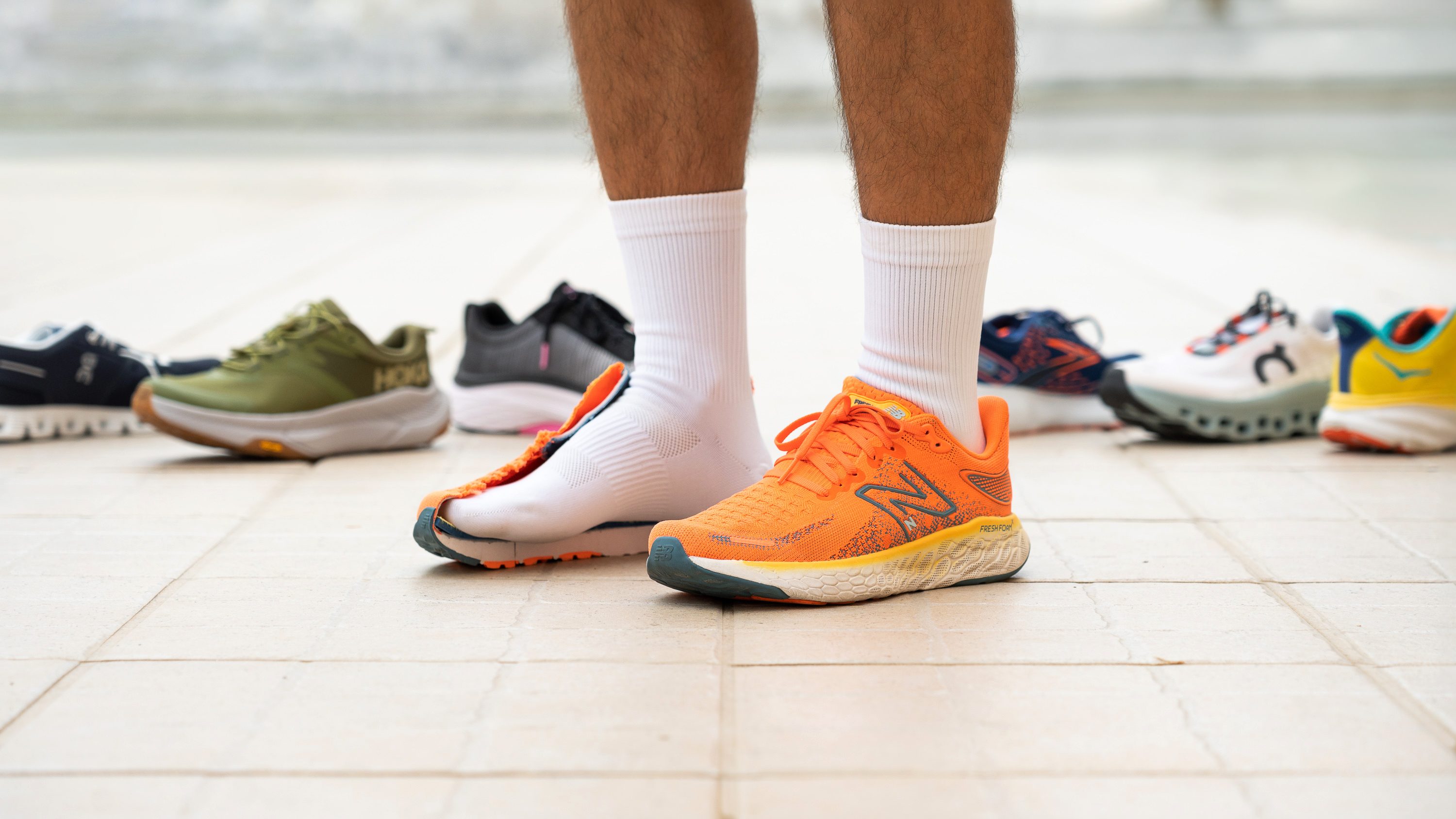
Moving beyond the sole, the upper of a walking shoe is where technology meets daily wear. Modern uppers utilize engineered meshes, often with strategic zones of tighter or looser weave. This isn’t just for looks; it provides targeted breathability to reduce heat and moisture buildup, a key factor in preventing blisters and fungal infections. Brands like Allbirds have popularized the use of natural materials like merino wool and eucalyptus tree fiber, emphasizing moisture-wicking and temperature regulation with a lower environmental footprint. Durability is paramount, especially for the urban walker. Abrasion-resistant rubber compounds on the outsole, such as carbon rubber, provide longevity and traction, while synthetic leather or thermoplastic polyurethane (TPU) overlays offer structure and protection without the weight of traditional leather. The conversation has also rightly expanded to sustainability. The footwear industry’s environmental impact is significant, leading consumers and companies to explore recycled materials. Adidas, for instance, has made substantial commitments to using recycled polyester, and many brands now offer recycling programs for old shoes. When you choose a shoe, you’re not just investing in your comfort but also voting for the manufacturing practices you support.
Style Reimagined: From Gym to Street Seamlessly
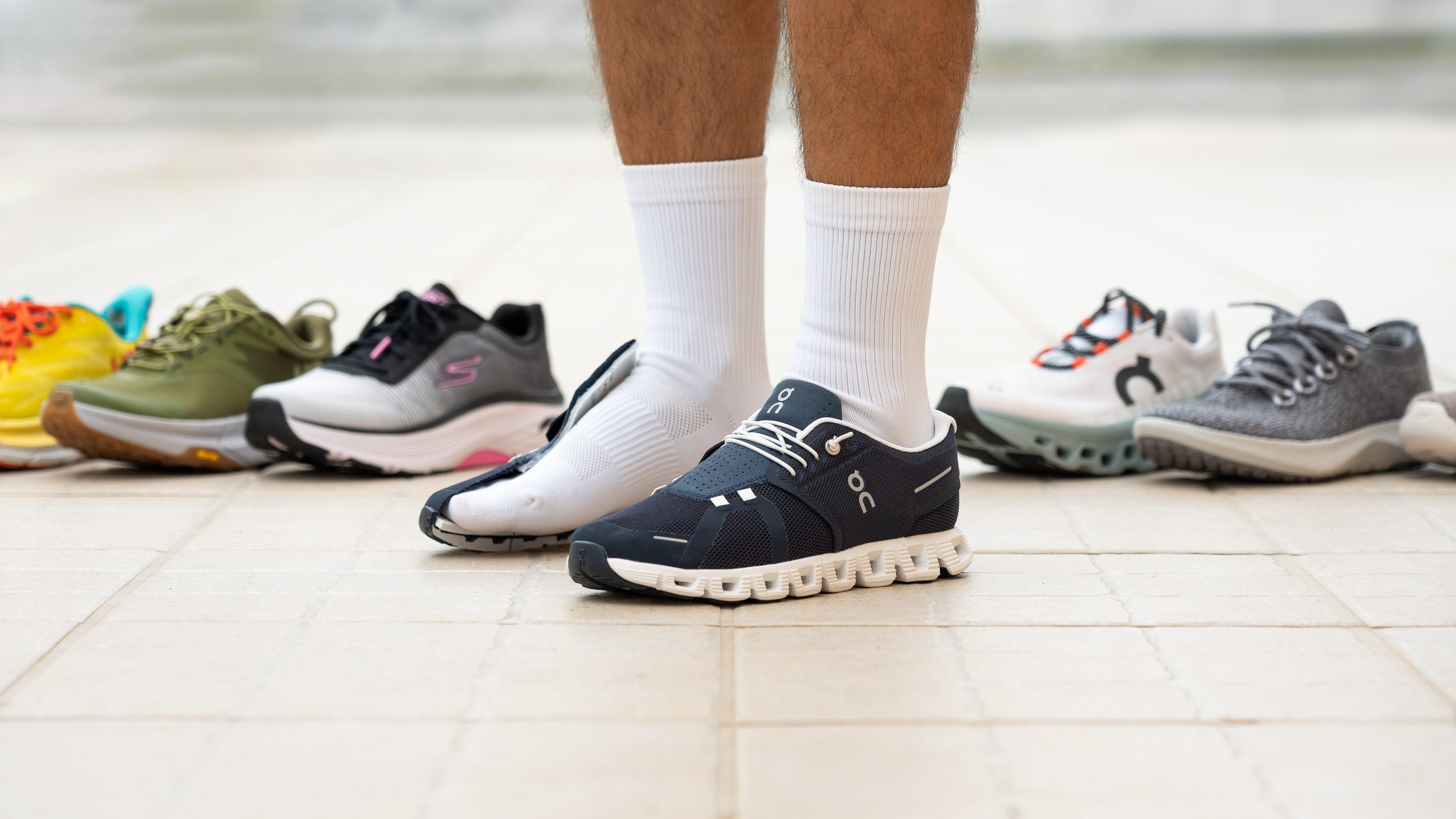
The historical divide between “sneakers” and “dress shoes” has irrevocably blurred. This shift is a cultural phenomenon, validated by fashion runways, tech CEOs, and everyday style icons. The rise of “athleisure” and the normalization of smart-casual attire have liberated the walking shoe from the confines of the track. Consider the enduring popularity of classic styles like the Adidas Stan Smith or the Nike Air Force 1—they are born from sport but have become canvas staples. Today’s dedicated walking models follow this ethos but with enhanced performance. Brands like Cole Haan and ECCO have built entire lines around hybrid dress-walking shoes, incorporating Grand.ØS technology or FLUIDFORM™ direct-injected soles into silhouettes that pair effortlessly with chinos or a summer dress. The key to style lies in color, silhouette, and material texture. Neutral tones—black, white, grey, navy—offer maximum versatility. A clean, uncluttered profile transitions more easily than a shoe with aggressive, technical detailing. The goal is a shoe that looks intentional, whether you’re heading to a casual meeting, exploring a new city, or enjoying a weekend brunch. Your footwear should complement your life, not compartmentalize it.
The Expert Lens: Voices on Form and Function
To ground our perspective, it’s valuable to consider the insights of those who dissect these choices for a living. Podiatrists, fashion editors, and long-distance walkers all offer unique angles. A common thread among podiatric advice, such as that found on resources like the American Podiatric Medical Association’s website, is the emphasis on a “thumb’s width” of space in the toe box to allow for natural splay and swelling during long walks. From the style perspective, figures like Tan France, fashion expert and host of Queer Eye, frequently advocate for shoes that serve your lifestyle without sacrificing self-expression. He might suggest that a sleek, monochromatic trainer can be the anchor of a minimalist wardrobe. Meanwhile, endurance walkers and pilgrims on routes like the Camino de Santiago offer a testament to durability and support, often favoring brands known for relentless comfort over fleeting trends. Their lived experience, shared on platforms like YouTube and dedicated hiking forums, provides real-world stress tests that no lab simulation can match. These diverse viewpoints converge on a simple truth: the best shoe is the one you forget you’re wearing, because it fits so perfectly it becomes an extension of you, both physically and stylistically.
“The right shoe doesn’t just carry you; it empowers your journey. It’s the difference between ending your day with energy or with ache. In design, we must solve for the human experience first—every stitch, every curve, every material must serve the foot in motion.” – A perspective often echoed by senior footwear designers at leading athletic companies in industry publications.
Making the Smart Choice: A Practical Selection Framework
Armed with knowledge, the act of selection becomes intentional. First, know your gait. Many specialty running stores offer free gait analysis. Are you a neutral walker, an overpronator, or do you supinate? This will guide you toward shoes with appropriate stability features. Second, prioritize fit in the afternoon. Feet naturally swell throughout the day; a shoe fitted in the morning may become tight. Always wear the socks you intend to walk in and ensure there’s adequate room in the toe box. Third, consider your primary terrain. A shoe designed for paved surfaces will have a different outsole pattern and cushioning than one meant for light trails. Fourth, do not ignore the wear-out date. Cushioning materials break down over time, typically every 300-500 miles. Using worn-out shoes is a primary cause of injury. Finally, balance budget with value. While premium models offer cutting-edge materials, excellent options exist at mid-range prices, especially from brands that sell directly to consumers, bypassing traditional retail markups.
:max_bytes(150000):strip_icc()/when-should-i-replace-my-walking-shoes-3436325-0801-7a1840d83573471092e0380f9e230ecc.jpg)
Investment and Value: Navigating Price for Long-Term Benefit
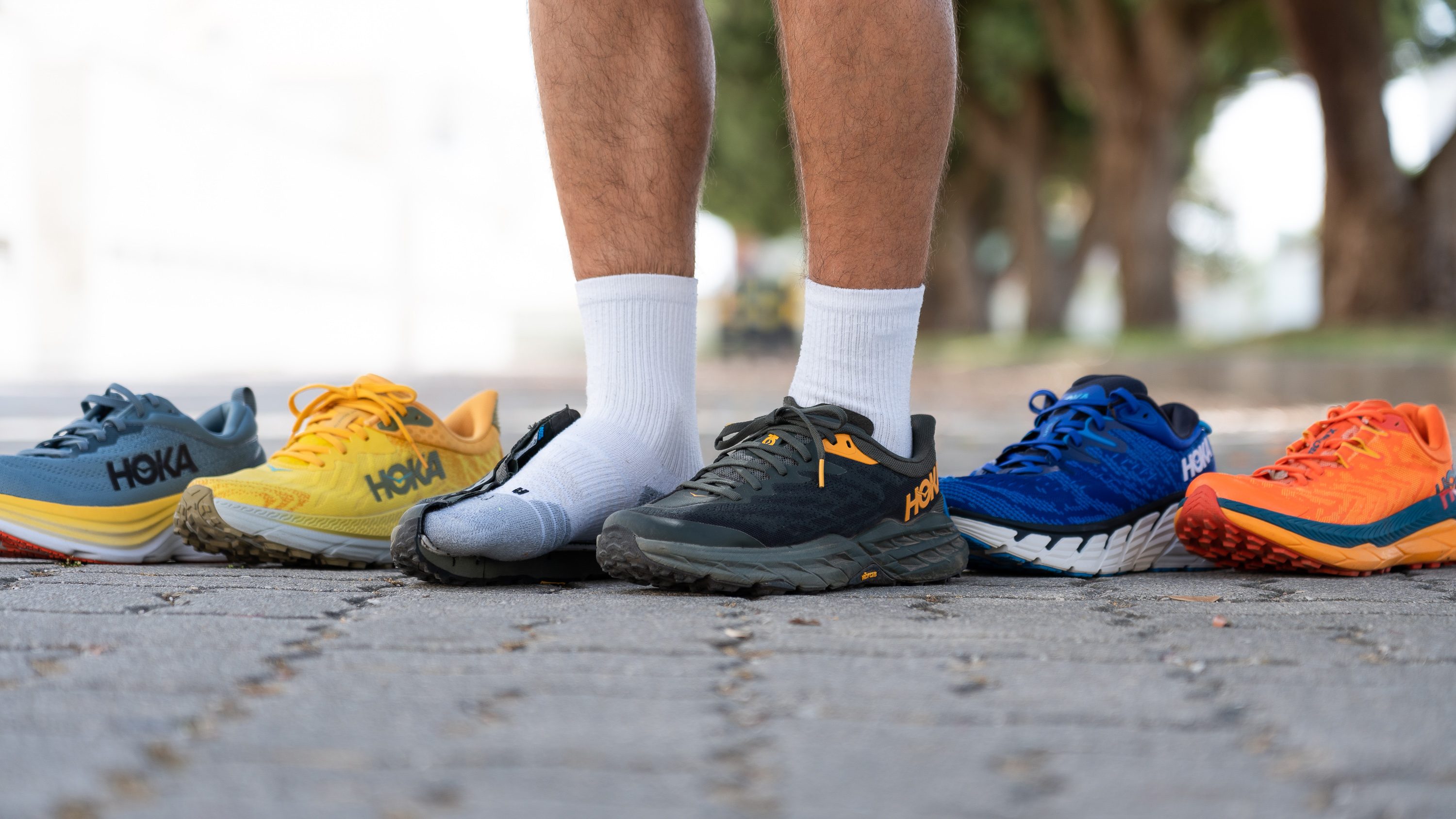
Let’s address cost directly. A high-quality walking shoe is an investment in your musculoskeletal health. While the initial outlay for a top-tier model from brands like HOKA, Brooks, or On Running may range from $120 to $160, the cost-per-wear over its 300-500 mile lifespan is minimal compared to the potential cost of treating a foot or knee injury. However, smart shopping can yield significant savings. Direct-to-consumer brands like Allbirds or Atoms often provide exceptional value by controlling the entire supply chain. Furthermore, end-of-season sales, outlet stores, and reputable online retailers frequently offer previous models at discounts of 30-50%. The key is not to compromise on the non-negotiable: proper fit and foundational support. A $60 shoe that causes pain is infinitely more expensive than a $140 shoe that carries you comfortably for a year. View this purchase not as a discretionary expense, but as essential equipment for your most fundamental mode of transportation.
Your Stride Awaits
The journey toward finding your perfect walking companion begins with a shift in perception. See your shoes not as mere coverings, but as active partners in your daily life. They are the interface between your body and the ground, influencing your posture, your energy, and your confidence. The convergence of ergonomic science and conscious design has delivered us to a moment where choice is abundant. Whether your priority is cloud-like cushioning for city streets, stable support for long explorations, or a minimalist design that works from day to night, the market responds. Listen to the experts, understand your own body’s language, and refuse to accept discomfort as a given. Step into the world with intention, supported by footwear engineered for the beautiful, simple, yet profound act of walking. Your path is ahead; make sure your shoes are ready for every step of it.
