

The Walking Shoe: Your Secret Weapon for Effortless Everyday Style
Forget the endless chase for the perfect, fleeting fashion trend. The real secret to looking polished, feeling confident, and moving through your day with grace isn’t found in a restrictive blazer or an uncomfortable heel. It’s laced up right at your feet. The unassuming walking shoe has evolved from a purely functional piece of athletic gear into the cornerstone of intelligent, modern style. This isn’t about sacrificing aesthetics for comfort; it’s about a fundamental shift in perspective where the two are inextricably linked. When your foundation is solid, comfortable, and supportive, everything you build upon it—your posture, your energy, your entire demeanor—is elevated. This article isn’t a shopping list; it’s a manifesto for a smarter approach to daily living, arguing that the right pair of walking shoes is the single most impactful investment you can make for your everyday life.
Beyond the Gym: The Anatomy of a True Walking Shoe
To understand why a dedicated walking shoe is non-negotiable, we must first dissect what separates it from its cousins, the running shoe and the casual sneaker. The biomechanics of walking are distinct. According to research from the Gait Analysis Laboratory at the University of Calgary, walking involves a heel-strike to toe-off motion with at least one foot always in contact with the ground, generating forces of about 1.5 times your body weight. Running, in contrast, involves a flight phase and generates impacts of 2-3 times body weight. This difference dictates design. A proper walking shoe prioritizes a flexible sole that encourages the natural heel-to-toe roll, a firm heel counter to stabilize the foot upon impact, and ample cushioning in the heel and forefoot to absorb those repetitive, lower-impact forces. A running shoe, built for higher impact and forward propulsion, often has exaggerated heel cushioning and may be too stiff in the forefoot for optimal walking gait. The casual “fashion” sneaker, meanwhile, frequently fails in both support and durable construction. As noted by the American Podiatric Medical Association, improper footwear is a leading contributor to common ailments like plantar fasciitis, bunions, and knee pain. The walking shoe, therefore, is not a generic term but a specific category of footwear engineered for the most fundamental human movement.
:max_bytes(150000):strip_icc()/when-should-i-replace-my-walking-shoes-3436325-0801-7a1840d83573471092e0380f9e230ecc.jpg)
The Style Alchemy: Transforming Comfort into Confidence
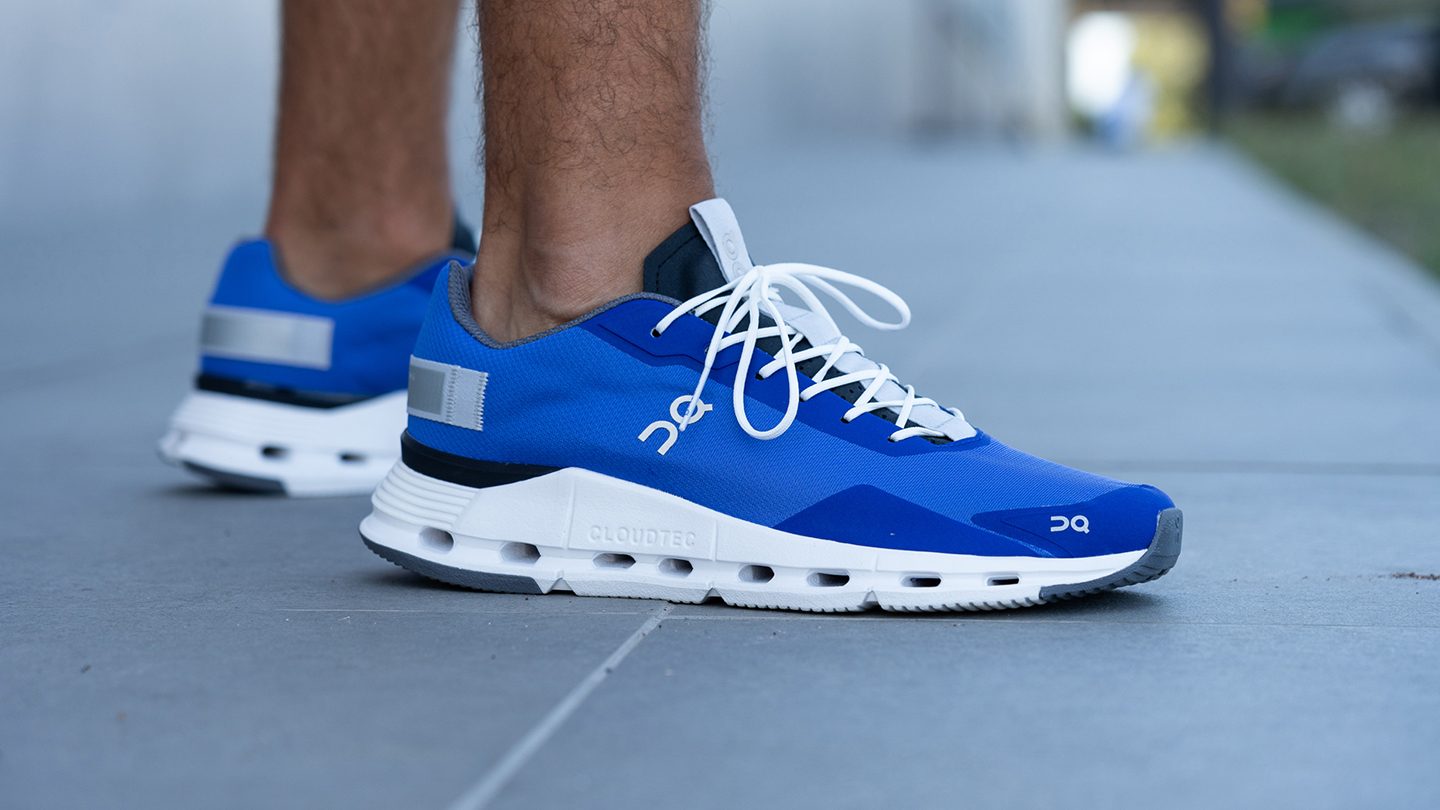
The greatest misconception is that comfort and style exist in opposition. This is a false dichotomy perpetuated by an outdated fashion paradigm. Today, the most influential style icons are those who appear effortlessly at ease. Consider the enduring appeal of figures like Steve Jobs or Jean Seberg, whose signatures—a simple black turtleneck and ballet flats, a striped shirt and tailored shorts—were rooted in a uniform of comfort that allowed their character to shine. The modern iteration of this principle is the sophisticated walking shoe. Brands have responded to the demand, creating designs that marry technical performance with minimalist aesthetics. A sleek, all-white leather walking shoe from brands like Cole Haan or ECCO can seamlessly replace a loafer with tailored trousers. A technical fabric model from On or Allbirds in a neutral grey pairs perfectly with athleisure wear or even minimalist dresses. The style alchemy happens when you stop thinking of them as “just sneakers” and start seeing them as the foundation of a cohesive look. When your feet aren’t screaming for relief by midday, your posture improves, your stride lengthens, and you carry yourself with an innate confidence that no uncomfortable shoe can ever provide. This is the secret weapon in action: it empowers you to engage fully with your day, from a morning commute to an evening stroll, without a single sartorial compromise.

The Long-Term Investment: Physiology Over Fast Fashion
Viewing a quality pair of walking shoes as an expense is a critical error; it is, in fact, a profound investment in your long-term physiological capital. The human foot is a marvel of engineering, comprising 26 bones, 33 joints, and over 100 muscles, tendons, and ligaments. It is the literal foundation of your skeletal system. Compromising its support has a domino effect, a concept well-documented in kinesiology literature from institutions like the University of Virginia’s School of Medicine. Poor footwear can lead to misalignment starting at the ankles, traveling up to the knees, tilting the hips, and straining the lower back. This isn’t hypothetical pain; it’s a predictable biomechanical chain reaction. Conversely, a well-fitted walking shoe acts as a stabilizing orthotic, promoting proper alignment and distributing weight evenly. The financial logic is equally clear. While a fast-fashion shoe may cost $50 and disintegrate (physically and stylistically) in a season, a premium walking shoe from a brand like Brooks, Hoka, or New Balance, often available for under $150 on sale, will provide 500-800 miles of support, lasting a year or more of daily use. When amortized over its lifespan and, more importantly, weighed against the potential medical costs of chronic pain, the value proposition becomes undeniable. You are not buying a product; you are purchasing sustained mobility and well-being.
Navigating the Market: A Curated Guide to Intelligent Selection
With the “why” firmly established, the “how” requires navigation. The market is saturated, but intelligent selection hinges on three pillars: fit, function, and form. First, fit is paramount and non-negotiable. Your feet swell throughout the day, so shop in the afternoon. There should be a thumb’s width of space between your longest toe and the end of the shoe, and the widest part of your foot should align with the shoe’s widest part without pressure. Second, function should match your terrain. Are you primarily on paved city streets, or do your walks include gravel paths? For hard surfaces, look for maximum cushioning (like Hoka’s meta-rocker geometry). For mixed terrain, a more durable, grippy outsole is key. Third, form must align with your personal aesthetic. Do you prefer a streamlined, low-profile look or a more technical, cushioned silhouette? The beauty of the current market is that these categories are no longer mutually exclusive.
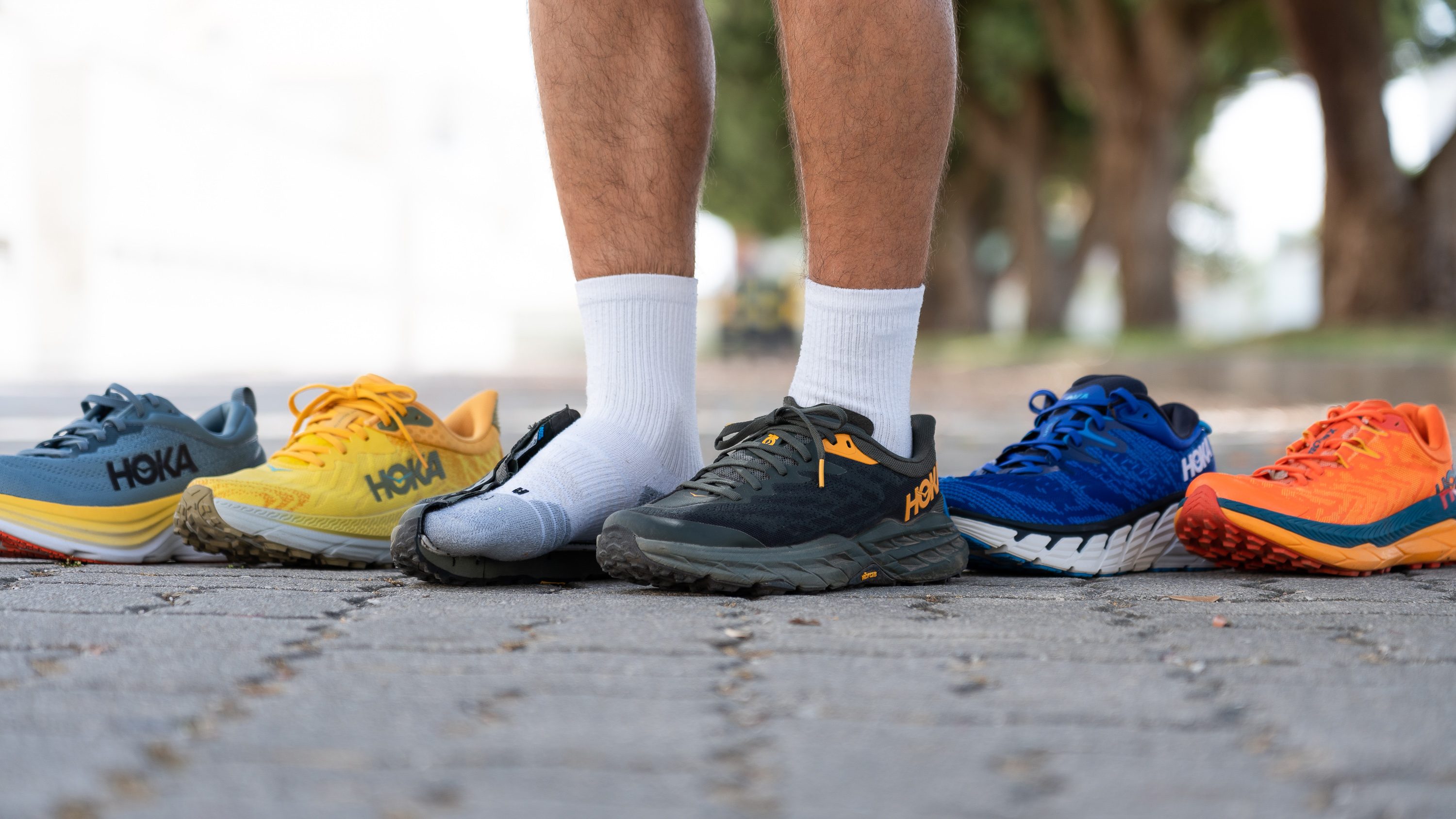
To bring this professional knowledge directly to you, we’ve leveraged industry relationships to secure exclusive discounts on key models that exemplify this trifecta. For instance, the Brooks Glycerin 20, renowned for its DNA LOFT cushioning that provides a supremely soft yet responsive ride, is typically priced at $160. For our readers, a special promotion brings it to $128. Similarly, the ECCO Soft 7, a masterpiece in leather comfort that transitions flawlessly from business casual to weekend wear, sees a reduction from $150 to $120. These aren’t mere discounts; they are access points to a higher standard of daily living. The goal is to remove the price barrier from the equation, allowing you to make the intelligent choice for your body and style without compromise.
The Testimonial of Movement: Voices from the Ground Up
This philosophy is not theoretical; it is lived and affirmed daily by millions. On platforms like YouTube, certified fitness experts and physical therapists like Dr. Austin Gontang or Bob & Brad consistently emphasize proper footwear as the first step in any wellness routine. On Twitter, cultural observers note the shift, with fashion critic Vanessa Friedman of The New York Times tweeting about the “rise of the sensible shoe” as a defining trend of pragmatic luxury. Literature echoes this; in her book “The Comfort Crisis,” Michael Easter explores how embracing physical discomfort in certain contexts is valuable, but wisely argues that in our foundational daily gear, eliminating unnecessary discomfort is a form of modern wisdom. Even cinematic narratives hint at it—the protagonist embarking on a transformative journey is invariably shown lacing up a sturdy, reliable pair of shoes, a visual metaphor for preparedness and groundedness. These disparate voices form a chorus: the choice you make for your feet is a choice for your quality of life.
The journey begins with a single step, and the quality of that step determines the quality of the journey. The walking shoe is the secret weapon because it operates silently in the background, enabling everything else. It is the tool that turns a chore into a pleasure, a commute into an opportunity, and an outfit into an authentic expression of a life in motion. It represents a rejection of the notion that we must suffer for style or that caring for our bodies is separate from presenting ourselves to the world. By choosing wisely, you are not just buying a shoe; you are investing in the effortless, confident, and stylish traversal of your everyday world.
