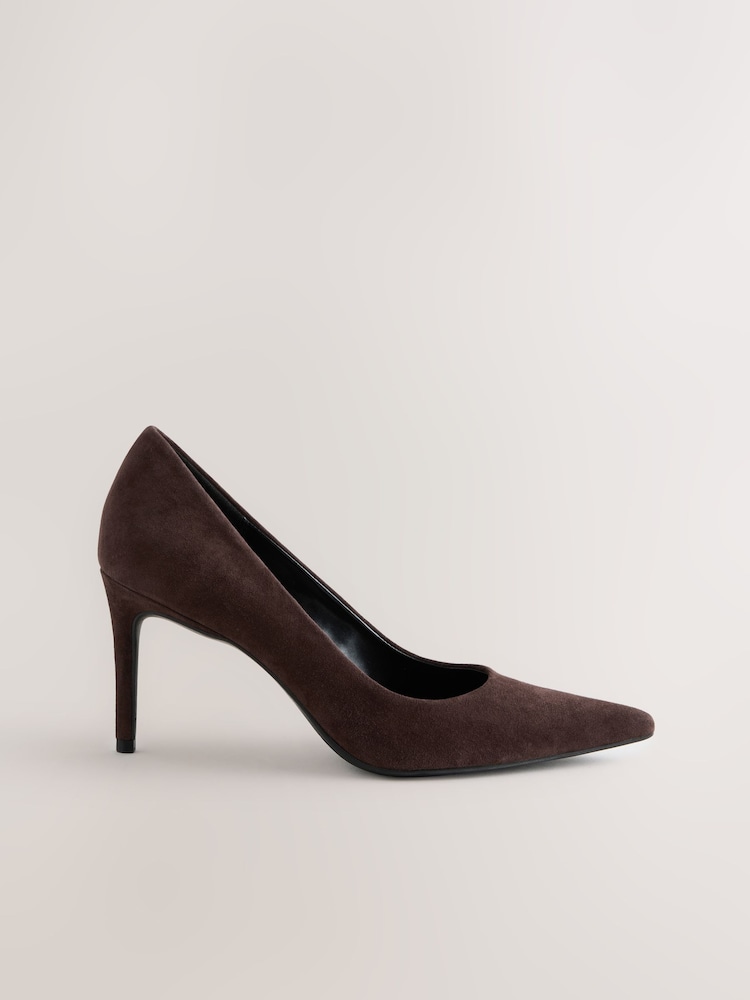
The Versatile Staple for Every Season’s Wardrobe
In the ever-evolving landscape of fashion, where trends flicker and fade with the seasons, the pursuit of a truly versatile piece can feel like a quest for a sartorial holy grail. We are often told to invest in classics, in timeless items that transcend the whims of the runway. Yet, few items deliver on this promise as comprehensively and elegantly as a pair of chocolate brown heels. This is not merely an accessory; it is a foundational tool, a color and form that bridges gaps between seasons, styles, and occasions with an effortless grace that black or nude often cannot achieve. This article delves into the objective reasons—from color theory and design psychology to cultural commentary and practical economics—why this specific shade in footwear deserves a prime, non-negotiable position in a considered wardrobe.
The Chromatic Alchemy of Chocolate Brown
To understand the power of chocolate brown heels, one must first appreciate the unique position of brown in the color spectrum. Unlike primary colors or stark neutrals, brown is a complex composite, often evoking earth, wood, and stability. As noted in color psychology resources from authoritative institutions, brown is associated with reliability, warmth, and approachability. A study from the University of British Columbia’s Department of Psychology on color and perception suggests that earth tones like brown can create a sense of comfort and wholesomeness. This scientific grounding translates directly to fashion. A chocolate brown heel does not command attention with aggression, like a bright red sole might; instead, it earns it through subtle sophistication. It provides a rich, grounding point for an outfit. When paired with the vibrant hues of spring florals or summer pastels, it adds depth without overwhelming. Against the muted palette of autumn—mustards, olives, burgundies—it creates a harmonious, tonal look. In winter, it offers a warmer alternative to black, complementing navy, grey, and cream with a softer contrast. This chromatic versatility is its first and most compelling scientific argument.
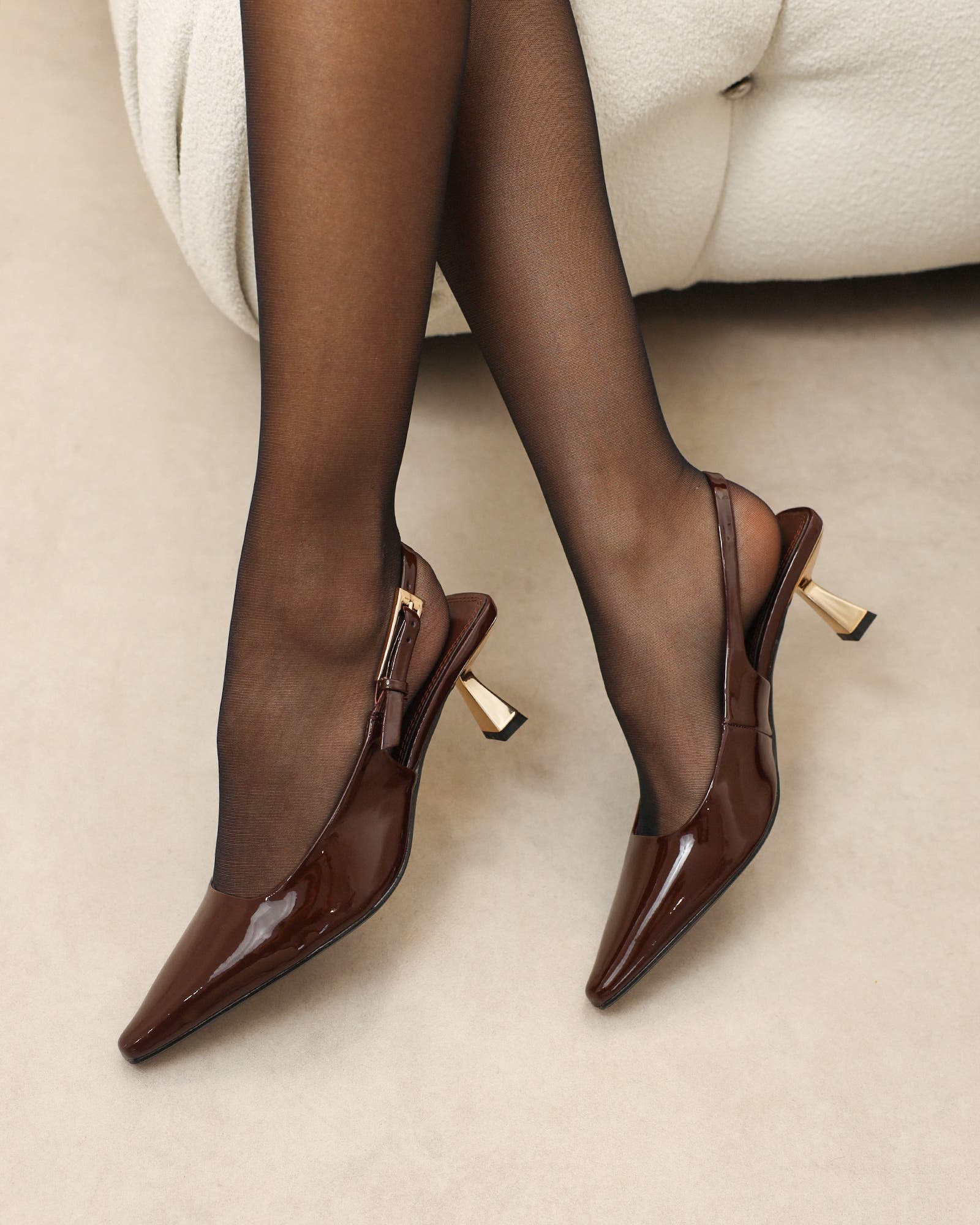
Architectural Versatility: From Desk to Dinner
The form of the heel itself is a study in functional design. A well-chosen heel height and style acts as an architectural element, altering posture, silhouette, and perception. The choice of chocolate brown as the material for this architecture is genius. Consider the statements from renowned designers. Christian Louboutin, while famed for his red lacquer, has often extolled the virtue of a “perfect neutral” that can “carry a woman through her day.” A chocolate brown heel embodies this. In a sleek pump, it is the epitome of professional polish, pairing with tailored suits and sheath dresses, conveying competence with a touch of accessible warmth—a nuance often missing from stark black. In a block-heeled ankle boot or a strappy sandal, it transitions seamlessly to casual or evening wear. The richness of the color elevates denim instantly and provides a refined base for evening silks and satins. This versatility is echoed in popular culture. In films like The Devil Wears Prada, the transformation often culminates in sophisticated, neutral-toned footwear, symbolizing arrived, adaptable style. Fashion commentators on platforms like The Cut or Who What Wear consistently highlight brown footwear as a key item for building a “capsule wardrobe,” precisely because of this chameleon-like ability to adapt to multiple dress codes without losing its identity.
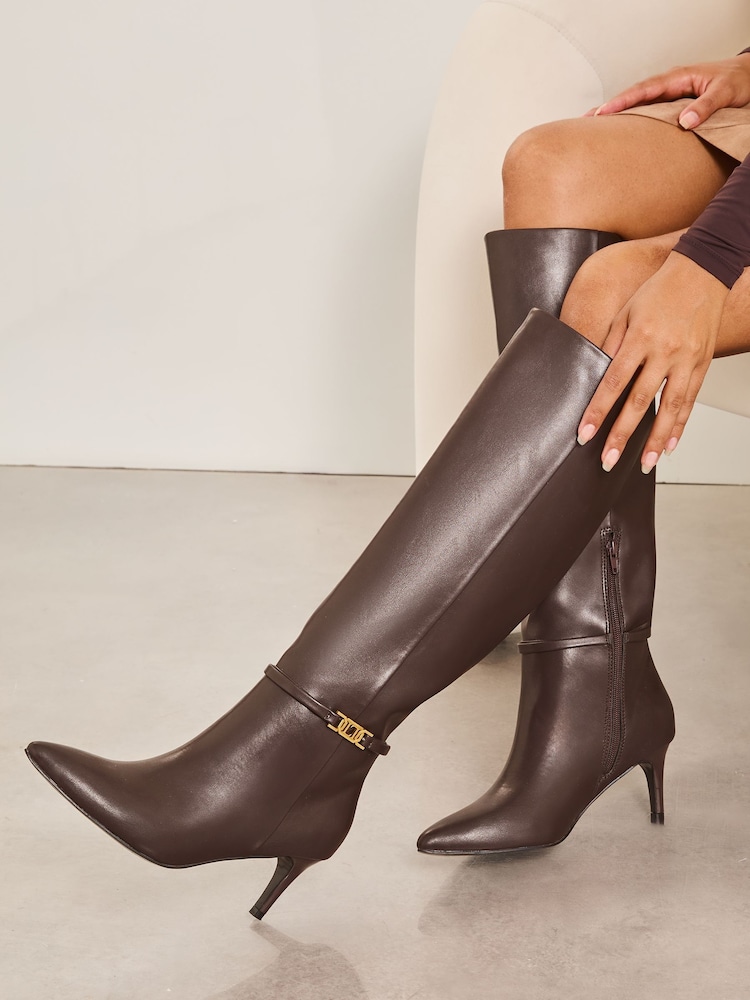
An Investment in Economic and Sustainable Style
In an era increasingly conscious of consumption, the concept of cost-per-wear becomes a critical metric. A true wardrobe staple must be worn frequently to justify its place and its price. Herein lies another objective strength of the chocolate brown heels. Their seasonal agnosticism and stylistic flexibility ensure a high utility rate. Purchasing a quality pair is an exercise in long-term economic logic. As sustainable fashion advocate and author Elizabeth L. Cline argues in her works, the most sustainable garment is the one already in your wardrobe that you wear constantly. A versatile heel reduces the perceived “need” for multiple situation-specific shoes. Furthermore, from a purely financial perspective, investing in a classic, versatile item often means accessing higher quality materials and construction—better leather, more comfortable insoles, more durable heels—which translates to longevity. Brands that offer classic styles often provide repair services, extending the item’s life for years. This is where professional knowledge meets value: understanding that a slightly higher initial investment in a perfect pair of chocolate brown heels can lead to significant savings over time, negating the need for constant replacements of cheaper, trend-driven alternatives. Look for end-of-season sales or direct brand promotions where these timeless pieces can often be found at discounted prices, making the intelligent investment even more accessible.
The Personal Narrative: A Third-Person Perspective
Observe the individual who has mastered their style. It is rarely through a closet bursting with one-off statement pieces. More often, it is through a curated collection of interoperable items. Imagine her: she has a important client meeting followed by an informal gallery opening. The challenge of a day-to-evening transition is solved not by a frantic outfit change, but by a strategic anchor. Her tailored cream trousers and silk blouse are elevated from corporate to creative by the simple swap of a blazer for a soft leather jacket, and the constant, unifying factor is her pair of chocolate brown heels. They are reliable, they are chic, and they allow the clothing—and by extension, her—to be the focus. They do not shout; they enable. This narrative is repeated across countless style profiles on platforms from Instagram to LinkedIn. The common thread is the reliance on a neutral that has character. As fashion psychologist Dr. Dawnn Karen has discussed, clothing impacts cognitive perception and attitude. Wearing an item perceived as both professional and personally expressive, like these heels, can foster a sense of confident readiness. It is a tool for self-presentation that works across contexts, reducing decision fatigue and building a recognizable personal brand.

Beyond the Shoe: A Cultural and Historical Anchor
The resonance of brown, and specifically chocolate brown, in fashion is not a fleeting trend but has deep cultural roots. It has been a color of utility and luxury throughout history, from the rich dyes used in Renaissance paintings to the iconic trench coats of the Second World War. In the 1970s, it became a symbol of earthy, natural style. Today, it is re-emerging as a sophisticated neutral in the minimalist and “quiet luxury” movements. References from sources like the Victoria and Albert Museum’s textile collections show brown’s enduring presence. This historical weight adds a layer of substance to the choice. Wearing chocolate brown connects to a broader narrative of resilience and timelessness. It is a color that has been in vogue, out of vogue, and back again, always returning because of its fundamental utility and beauty. This cyclical relevance, documented in fashion literature from universities like FIT and CSM, assures us that a chocolate brown heel is not a purchase for a single season but for a decade of seasons. It is an item that can be reintroduced and reinterpreted as personal style evolves, always finding a new context in which to shine.
Therefore, the argument culminates not in a simple conclusion, but in a clear, evidence-based affirmation. The versatility of the chocolate brown heel is a multi-faceted truth, supported by color science, design principle, economic rationale, and cultural history. It is a piece that performs a quiet, daily alchemy, transforming outfits and enabling the wearer to move through the world with prepared elegance. It is the definitive versatile staple, not just for every season’s wardrobe, but for every chapter of a dynamic life. The search for a single item that offers such a return on investment—aesthetic, practical, and financial—invariably leads back to this rich, grounding, and profoundly adaptable choice.