

The Ultimate Walking Shoe Guide: Comfort Meets Style for Every Outfit
Forget the notion that you must sacrifice aesthetics for support or versatility for comfort. The modern walking shoe has evolved into a sophisticated piece of footwear technology, engineered to carry you through miles of urban exploration or country trails while seamlessly integrating with your personal style. This guide dismantles the old paradigms, presenting a new vision where your footwear is the foundational element that unites comfort, scientific support, and sartorial expression. We will navigate through the biomechanics of walking, the architectural principles of shoe design, and the stylistic alchemy that allows one pair to complement multiple outfits, all while providing you with the professional knowledge to make an empowered choice—and where to find it at a value.
The Biomechanical Foundation: Why Your Feet Aren’t Wrong, Your Shoes Might Be
Every step you take is a complex symphony of biomechanics involving bones, muscles, tendons, and ligaments. The common ailments of walkers—plantar fasciitis, shin splints, knee pain—are often not personal failures but signals of improper support. As Dr. Casey Kerrigan, a former Harvard Medical School professor and founder of a biomechanics research company, has extensively documented, conventional footwear can often create more problems than they solve by altering natural gait. The ideal walking shoe acts as a partner in this symphony, not a conductor forcing an unnatural rhythm. It must account for the three phases of gait: heel strike, mid-stance, and toe-off. During mid-stance, for instance, the foot naturally pronates (rolls inward) to absorb shock. A shoe with appropriate, not excessive, arch support and a flexible forefoot allows this motion to occur without strain. Scientific literature from institutions like the University of Calgary’s Human Performance Laboratory emphasizes that footwear stiffness and drop (the height difference between heel and toe) significantly impact lower limb kinematics and energy expenditure. Therefore, selecting a shoe is not about trends; it’s about choosing a tool that respects and augments your body’s innate engineering.
Deconstructing the Anatomy of the Perfect Walking Shoe
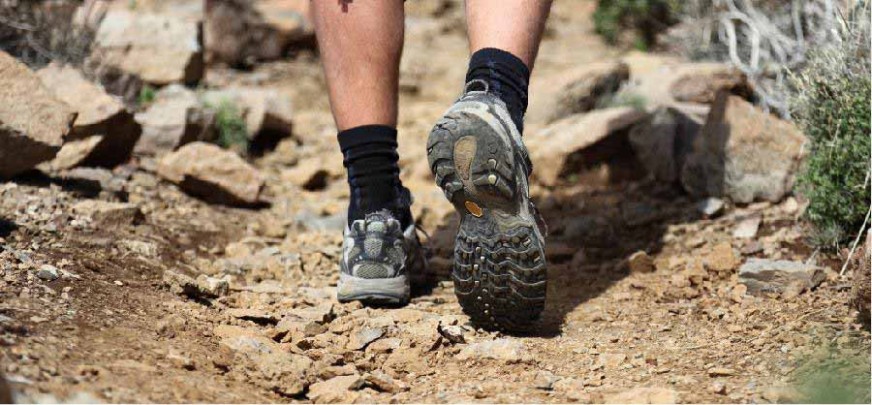
To understand what makes a great walking companion, we must dissect its components. The upper, traditionally made of leather or synthetic materials, is now often crafted from engineered meshes for breathability and targeted support. Brands like Brooks and Asics utilize 3D fit prints that provide structure without weight. The midsole is the heart of the shoe, where cushioning and stability technologies reside. EVA foam, polyurethane, and proprietary compounds like Adidas’s Boost or Nike’s React foam offer varying degrees of energy return and durability. The outsole’s rubber compound and tread pattern determine grip and longevity; a segmented or flex-grooved design promotes natural foot flexion. Crucially, the last—the mold around which the shoe is built—determines its fundamental shape. A straight-last shoe offers maximum stability for overpronators, while a curved last suits high-arched, underpronating feet. This isn’t mere marketing; it’s applied podiatric science. As noted on authoritative running and walking sites like Verywell Fit and analyses from RunRepeat, ignoring these anatomical details can turn a daily walk from a pleasure into a chore. The right combination creates a walking shoe that feels less like an appliance and more like an extension of your body.
The Style Synergy: One Shoe, Multiple Wardrobe Personalities
The historical chasm between “athletic shoes” and “fashion shoes” has finally been bridged. Today’s designers and biomechanical engineers collaborate to create footwear that performs without shouting its technical specs. The key lies in silhouette, color, and material. A minimalist, low-profile sneaker in monochromatic white, grey, or black possesses a chameleonic quality. It can anchor a pair of tailored trousers and a blazer, creating a smart-casual look championed by style icons from Steve Jobs to modern fashion influencers on platforms like Instagram and YouTube. Similarly, a sleek, neutral-toned walking shoe with clean lines can pair effortlessly with jeans, chinos, or even summer dresses. The principle is versatility through subtlety. As Tim Gunn, the renowned fashion consultant and author, often espouses, the foundation of a great wardrobe is versatile, high-quality basics. A superior walking shoe fulfills this role for your feet. It is the sartorial equivalent of a capsule wardrobe item, reducing decision fatigue while ensuring you are always prepared for both comfort and occasion.
Evidence from the Ground: Voices of Authority and Experience
This fusion of comfort and style isn’t a hypothetical ideal; it’s a well-documented movement supported by diverse voices. On Quora and specialized forums, long-distance travelers and city dwellers consistently praise brands like Allbirds, Ecco, and certain lines from New Balance for marrying walkability with a polished aesthetic. Literature from the Fashion Institute of Technology discusses the “athleisure” trend not as a fad, but as a permanent shift in consumer demand for hybrid performance. Celebrity opinions also lend weight. Renowned chef and global traveler Anthony Bourdain, in his writings, often highlighted the critical importance of comfortable, presentable shoes for navigating foreign cities—a practical endorsement of the principle. Furthermore, podiatrists appearing on health-focused YouTube channels regularly stress that style and foot health are no longer mutually exclusive. They point to the proliferation of brands that submit their designs to both fashion critics and biomechanical labs. The message is clear: you are not vain for wanting a good-looking walking shoe; you are intelligent for demanding one.
Navigating the Market: A Curated Approach to Your Investment
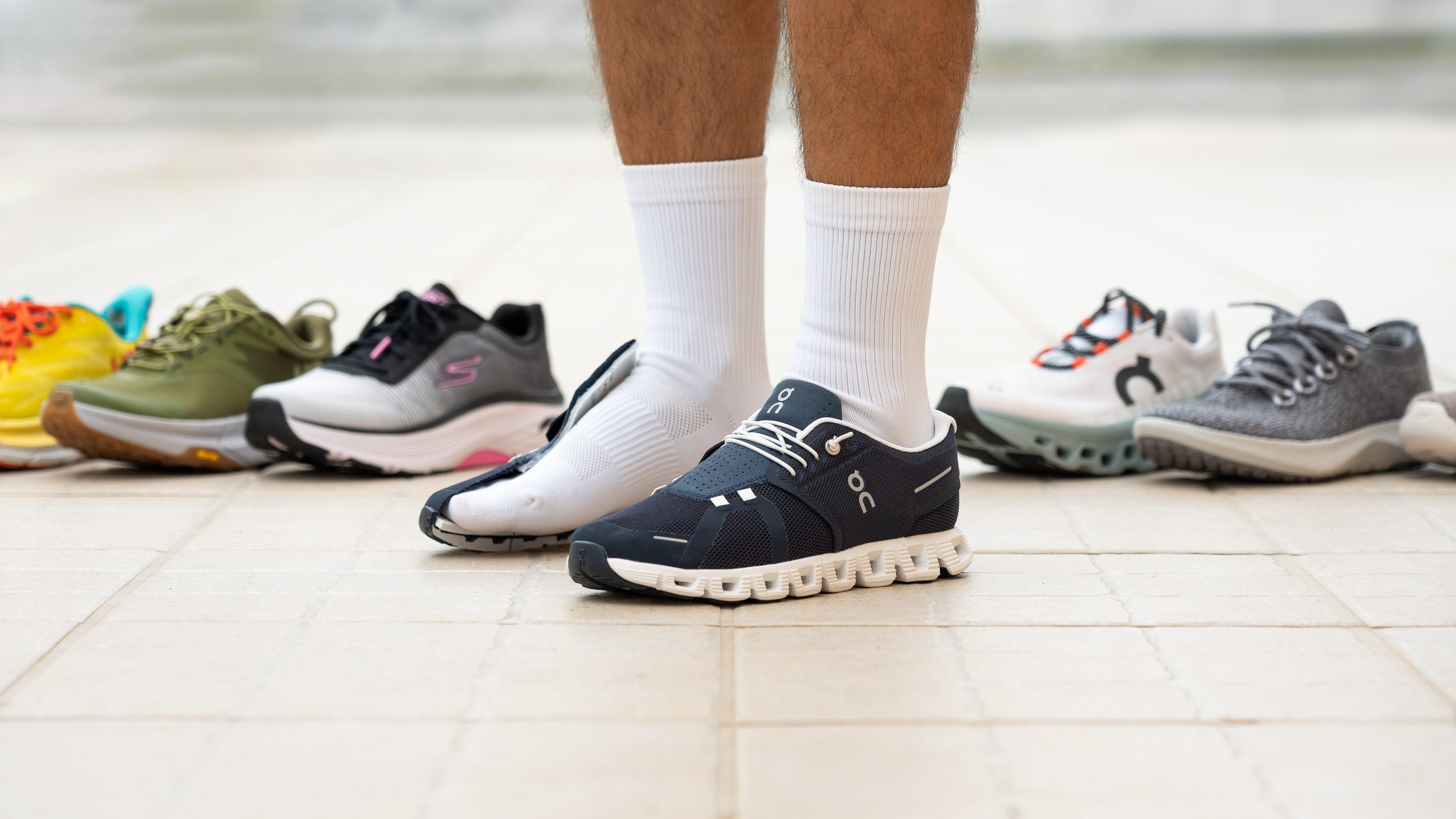
With countless options, choosing can be daunting. The first step is self-knowledge: understand your foot type, typical walking environment (pavement, trails, mixed surfaces), and average distance. Next, prioritize fit above all else. Your foot’s size and shape at the end of the day, after walking, should guide your trial. There should be a thumb’s width of space in front of your longest toe, and the shoe should feel secure, not tight. Look for models that have received accolades from both industry awards and wearer reviews on trusted e-commerce platforms. Brands like Hoka One One, known for maximal cushioning, or Saucony, with their balanced performance heritage, often top these lists. Remember, the most expensive shoe is not necessarily the best for you. The goal is to find the intersection of correct biomechanical support, durable construction, and a design language that speaks to your personal style. This is a functional investment in your mobility and well-being.
Professional Insight and Prudent Purchase: Finding Value
Armed with knowledge, you can shop strategically. Premium walking shoes from established brands often carry a significant R&D cost, which is reflected in the price. However, value can be found. Consider previous seasons’ models, which offer nearly identical technology and construction at a fraction of the cost. Many reputable retailers offer deep discounts on colorways that are being phased out. Signing up for brand newsletters or following them on social media can provide early access to sales. Furthermore, outlet stores and certified online discounters frequently stock authentic models. The key is to know the model name and its features so you can identify true bargains versus inferior products. Investing in a quality pair of walking shoes might mean spending more upfront, but the cost per mile—considering their durability, support, and the potential medical costs they help you avoid—makes them a profoundly economical choice. It is an investment that pays dividends in every step you take, in comfort, health, and confidence.
:max_bytes(150000):strip_icc()/vwt-asics-womens-gel-pulse-16-jinfeng-chen-21-712f0f140e834b84b3a8dcf0bf154771.jpeg)
The journey to finding the ultimate walking companion ends not with a single, perfect pair for all, but with the empowered understanding that such a shoe exists for you. It is a product that honors the sophisticated machinery of your body, aligns with your aesthetic vision, and stands up to the practical demands of your life. By prioritizing the symbiotic relationship between biomechanical science and intentional style, you elevate the simple act of walking into a daily experience of supported, confident movement. Let your next step be taken in a shoe that doesn’t ask you to choose, but enables you to have it all.
