

The Walking Shoe: Your Secret to Effortless Style and All-Day Comfort
Imagine a single item in your wardrobe that bridges the gap between uncompromising comfort and undeniable style, an item that supports you from your first morning step to your last evening errand without a whisper of protest. This isn’t a fantasy of futuristic fashion; it’s the reality offered by the modern walking shoe. For too long, we’ve accepted a false dichotomy: shoes that look good inevitably feel bad, and shoes that feel good are relegated to the realm of purely functional, often unattractive, gear. Today, that compromise is obsolete. The evolution of footwear technology and design has birthed a category that masters both disciplines, making the walking shoe not just a tool for exercise, but a foundational piece for a life lived comfortably and stylishly in motion. This article delves into the anatomy of this revolution, exploring the scientific principles behind all-day comfort, the design ethos that enables effortless style, and how selecting the right pair can fundamentally upgrade your daily experience.
The Science of Stride: Engineering All-Day Comfort
To understand why a modern walking shoe can vanquish foot fatigue, we must move beyond superficial aesthetics and into the realm of biomechanics and materials science. The human foot is a complex marvel of engineering, with 26 bones, 33 joints, and over a hundred muscles, tendons, and ligaments. Each step you take involves a precise sequence of heel strike, foot flat, mid-stance, and toe-off, generating forces that can exceed your body weight. A shoe that disrupts this natural gait cycle or fails to absorb and redirect these forces becomes a source of discomfort, leading to issues from localized foot pain to cascading problems in the knees, hips, and back. The cornerstone of comfort lies in the midsole, typically crafted from advanced polymer foams like EVA (Ethylene-Vinyl Acetate) or proprietary blends such as Adidas’s Boost or Nike’s React. These materials are engineered for energy return; they compress to absorb impact and then spring back, returning a portion of that energy to your stride, making walking feel less laborious. As Dr. Casey Kerrigan, a former Harvard Medical School professor and founder of a biomechanics research company, has often highlighted, “The goal of footwear should be to interfere as little as possible with the foot’s natural function while providing protection and stability.” This philosophy is central to the best walking shoes, which feature strategic cushioning that doesn’t create an unstable, overly soft platform but rather offers responsive support that works in harmony with your foot’s anatomy.
Beyond the Foam: The Ecosystem of Support
While the midsole foam is the star, true comfort is an ecosystem. The insole or sockliner is your foot’s direct interface, often incorporating antimicrobial treatments and contoured arch support to cradle the foot. The outsole’s rubber compound and tread pattern are critical for flexibility and grip, allowing the foot to roll naturally while preventing slips. Perhaps most crucially, the upper construction has undergone a quiet revolution. The days of stiff, unforgiving leather are gone, replaced by engineered meshes, knitted textiles, and seamless synthetics. These materials provide structured breathability, conforming to the foot’s shape without pressure points and allowing heat and moisture to escape. This holistic approach is validated by institutions like the Spaulding National Running Center, affiliated with Harvard Medical School, which conducts rigorous gait analysis to understand how shoe components influence movement. Their research underscores that comfort is not a single feature but the integrated performance of all elements working together to reduce metabolic cost (the energy you expend) and minimize stress on the body’s joints. When you slip on a shoe that masters this integration, you’re not just putting on footwear; you’re enabling a more efficient, sustainable, and pain-free way to move through your world.
The Aesthetic Evolution: When Function Meets Fashion
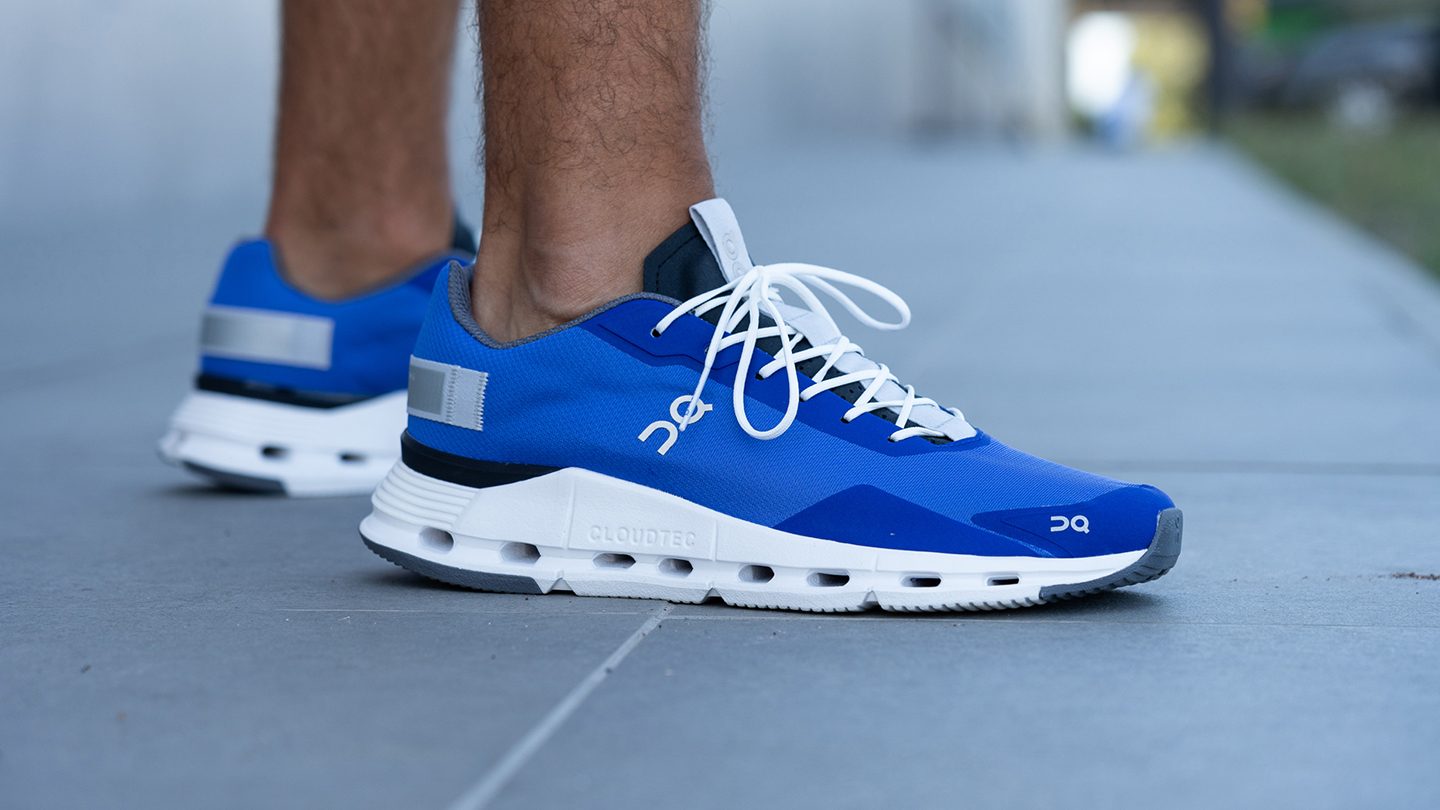
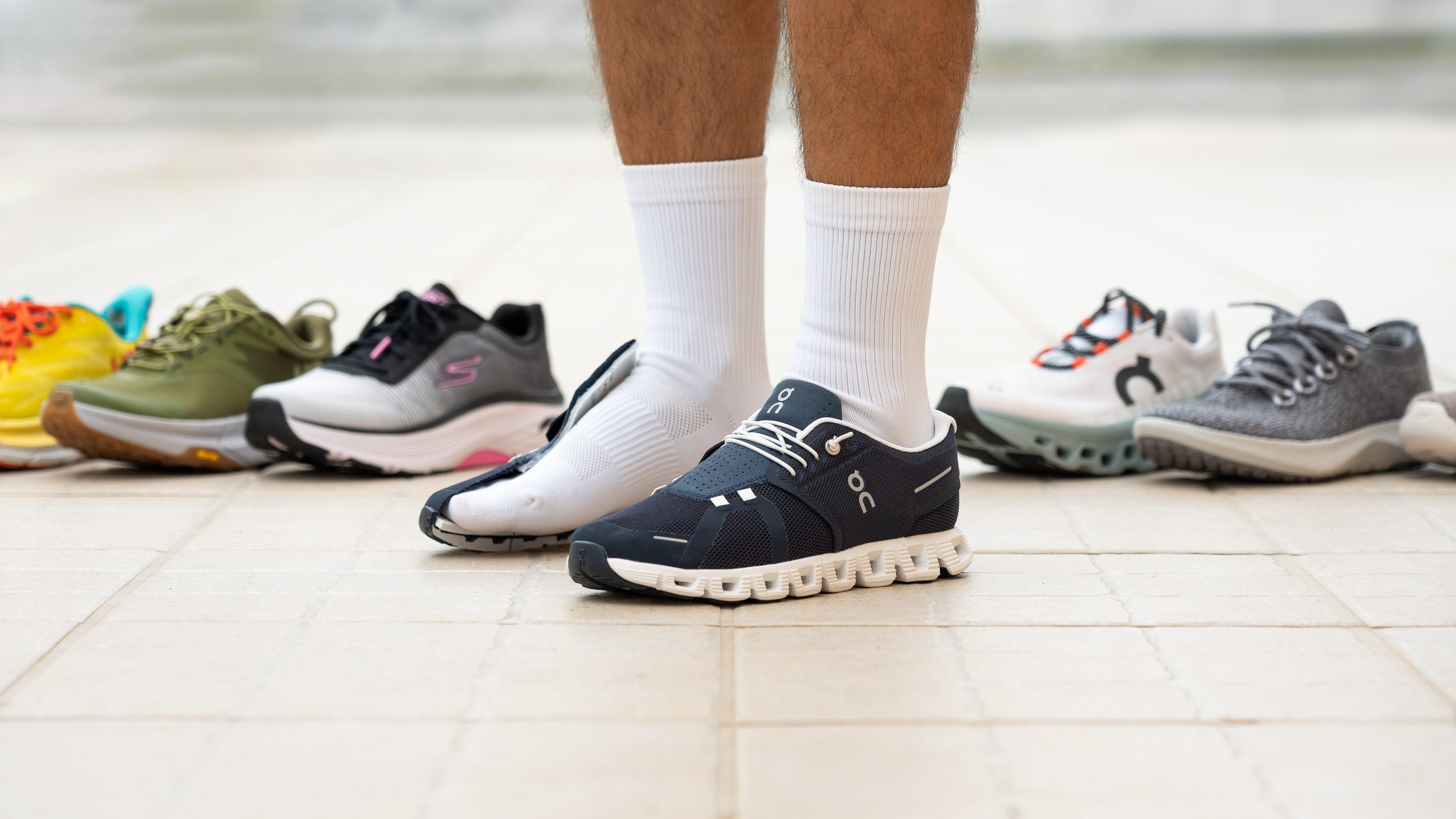
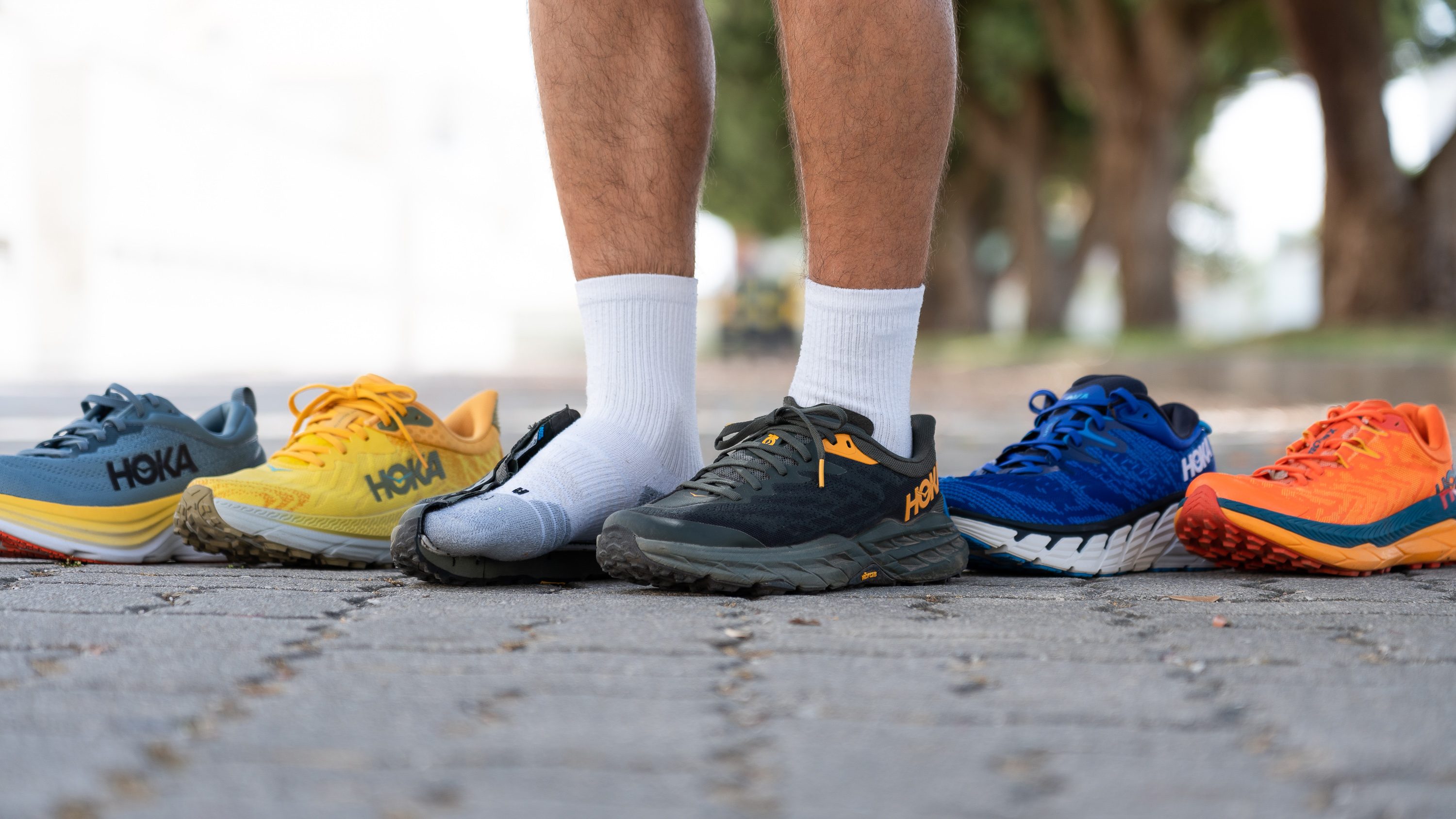
The triumph of the contemporary walking shoe is that its technical excellence is no longer hidden beneath clunky, utilitarian designs. The aesthetic evolution has been profound, driven by a cultural shift where athleisure and wellness have moved to the forefront of mainstream style. Designers now approach a walking shoe with the same eye for silhouette, color blocking, and material texture as they would a fashion sneaker. Brands like Hoka, once known almost exclusively to ultra-runners for their maximalist cushioning, now offer models in sophisticated, muted colorways that pair seamlessly with chinos, jeans, or even casual tailoring. This is a deliberate fusion. The clean lines of a knitted upper, the strategic use of suede or recycled materials, and the sculptural quality of a well-designed midsole contribute to a visual language that speaks of both intelligence and intention. As fashion critic and author Tim Gunn has observed, “Style is about self-expression and confidence, and confidence is inextricably linked to how you feel. If you are physically comfortable, that radiates.” The modern walking shoe embodies this principle, allowing its wearer to express a style that is active, aware, and effortlessly put-together without screaming “workout gear.”
The Psychology of Versatile Footwear
This stylistic versatility carries significant psychological weight. The concept of “enclothed cognition,” studied by researchers such as Hajo Adam and Adam D. Galinsky at Northwestern University, suggests that the clothes we wear influence our psychological processes. Wearing clothing associated with comfort, competence, and activity can subtly shift our mindset towards those traits. A shoe that you can wear from a morning walk to a client meeting to an evening out reduces decision fatigue—the mental burden of constant minor choices—freeing up cognitive resources for more important tasks. It becomes a reliable, trusted component of your daily uniform. This is a far cry from the past, where changing activities often demanded a complete shoe change. Now, a single, well-chosen pair can anchor your day, providing a consistent foundation of comfort that allows you to move through diverse settings with uninterrupted ease and a cohesive personal style. The shoe adapts to your life, not the other way around.
Selecting Your Foundation: A Guide to the Perfect Pair
Understanding the “why” behind walking shoes naturally leads to the “how” of selection. This is not a one-size-fits-all endeavor; your perfect pair is a personal equation based on your foot morphology, gait, and lifestyle. The first, non-negotiable step is fit. Your foot expands throughout the day and during activity, so it’s advisable to shop for shoes in the afternoon or evening. There should be about a thumb’s width of space between your longest toe and the end of the shoe, and the widest part of your foot should align comfortably with the widest part of the shoe without feeling constricted. Next, consider your arch type. A simple wet foot test on a paper bag can reveal if you have a high, neutral, or low arch (flat foot). Those with low arches often benefit from shoes with more structured arch support and stability features to prevent overpronation (excessive inward rolling of the foot), while those with high arches may prioritize neutral-cushioned shoes with greater flexibility.
:max_bytes(150000):strip_icc()/when-should-i-replace-my-walking-shoes-3436325-0801-7a1840d83573471092e0380f9e230ecc.jpg)
Matching Shoe to Scenario and Knowing When to Let Go
Your primary use case is paramount. Are you logging miles on paved paths, or will these shoes primarily navigate urban environments with occasional trail excursions? A road-walking shoe will have smoother, more flexible outsoles, while a hybrid might offer slightly more aggressive tread. Don’t overlook weight; a lighter shoe reduces leg fatigue over long distances, making every step feel easier. Finally, heed the replacement guidelines. The cushioning and support materials in shoes degrade not just with visible wear, but with the cumulative compression of every step. Most experts, including those cited by the American Podiatric Medical Association, recommend replacing walking shoes every 300 to 500 miles. Continuing to wear shoes past their functional lifespan negates their benefits and can lead to discomfort or injury. Investing in a new pair is an investment in continued comfort and joint health.
An Investment in Well-Being: The Tangible and Intangible Returns
Purchasing a high-quality walking shoe is often framed as a consumer decision, but it is more accurately an investment in your physical well-being and daily quality of life. The tangible returns are clear: reduced foot and joint pain, lower perceived exertion during daily activities, and potentially improved posture and gait efficiency. The intangible returns, however, are equally powerful. The confidence that comes from pain-free movement, the mental clarity fostered by comfortable, uninterrupted activity, and the streamlined simplicity of a versatile wardrobe piece all contribute to a heightened sense of personal efficacy. In a world that often feels demanding and complex, the profound value of a simple, reliable foundation cannot be overstated. It is a tool for resilience, enabling you to engage more fully with your day, your tasks, and your surroundings.
The pursuit of a life well-lived is often found in the details—the small, daily choices that compound into significant quality-of-life improvements. Choosing footwear that prioritizes both biomechanical harmony and aesthetic integrity is one such detail. The right walking shoe ceases to be merely an accessory and becomes an enabler, a silent partner in your daily narrative that provides unwavering support and understated style. It is the secret to moving through the world on your own terms, with ease planted firmly at your feet. By embracing the sophisticated fusion of science and design available today, you equip yourself not just for walking, but for living with greater comfort, confidence, and effortless grace.
