Step Into Comfort and Style with Vionic Walking Shoes
For years, the pursuit of the perfect walking shoe felt like a compromise. You could have cushioning that felt like walking on clouds, but your feet would ache after a few miles due to a lack of support. Alternatively, you might find a shoe with impeccable orthopedic credentials that looked, frankly, clinical. This dichotomy between wellness and aesthetics has been a persistent frustration. Today, that compromise is no longer necessary. The evolution of footwear technology, championed by brands like Vionic, has successfully merged biomechanical science with contemporary design. This article isn’t about a simple product recommendation; it’s an exploration of how the right foundation under your feet can transform your daily movement from a mundane task into a source of vitality and confidence. We will delve into the anatomy of walking, the science of support, and how a specific category—vionic walking shoe—has redefined the standards by addressing the root causes of discomfort rather than just masking the symptoms.
The Biomechanics of Walking: Why Your Shoes Matter More Than You Think
Walking is our most fundamental movement, yet its complexity is often overlooked. It’s a repeated cycle of heel strike, foot flat, mid-stance, heel-off, and toe-off, involving a sophisticated interplay of bones, muscles, ligaments, and tendons. According to biomechanics literature from institutions like the University of Virginia’s Motion Analysis and Motor Performance Laboratory, improper foot alignment during this gait cycle can create a chain reaction of stress. Overpronation (excessive inward rolling) or supination (outward rolling) doesn’t just cause foot pain; it can lead to issues in the ankles, knees, hips, and even the lower back. This is the core of podiatric science: the foot is the foundation of the entire kinetic chain. A 2018 review published in the Journal of Foot and Ankle Research emphasized that functional footwear, designed with biomechanical principles, plays a critical role in managing and preventing musculoskeletal pain. Ordinary sneakers often focus solely on cushioning, which absorbs impact but does little to guide the foot into a neutral, healthy position. This is where specialized footwear enters the conversation, moving beyond mere comfort to become a tool for physiological alignment.

Orthotic Technology: From Clinical Device to Everyday Essential
The concept of orthotic support is not new. For decades, podiatrists have prescribed custom orthotics—rigid or semi-rigid inserts—to correct biomechanical abnormalities. However, these were often expensive, required a professional fitting, and were notoriously difficult to fit into stylish shoes. The innovation pioneered by brands like Vionic was to integrate this podiatrist-inspired orthotic technology directly into the architecture of a casually designed shoe. The core of this technology is a built-in orthotic footbed that features three key zones: deep heel cupping for stability, a pronounced arch support to maintain the foot’s natural contour, and a forefoot ramp to promote proper toe-off. This design is grounded in the same principles found in academic podiatry textbooks. As noted by Dr. Andrew Shapiro, a spokesperson for the American Podiatric Medical Association, “Consistent support for the arch is crucial in distributing pressure evenly across the foot.” A vionic walking shoe essentially provides this consistent, professional-grade support from the moment you put it on, making therapeutic alignment accessible without a prescription. It’s a democratization of podiatric science, translating clinical insight into a wearable, daily solution.
Where Science Meets Style: Dissecting the Vionic Design Philosophy
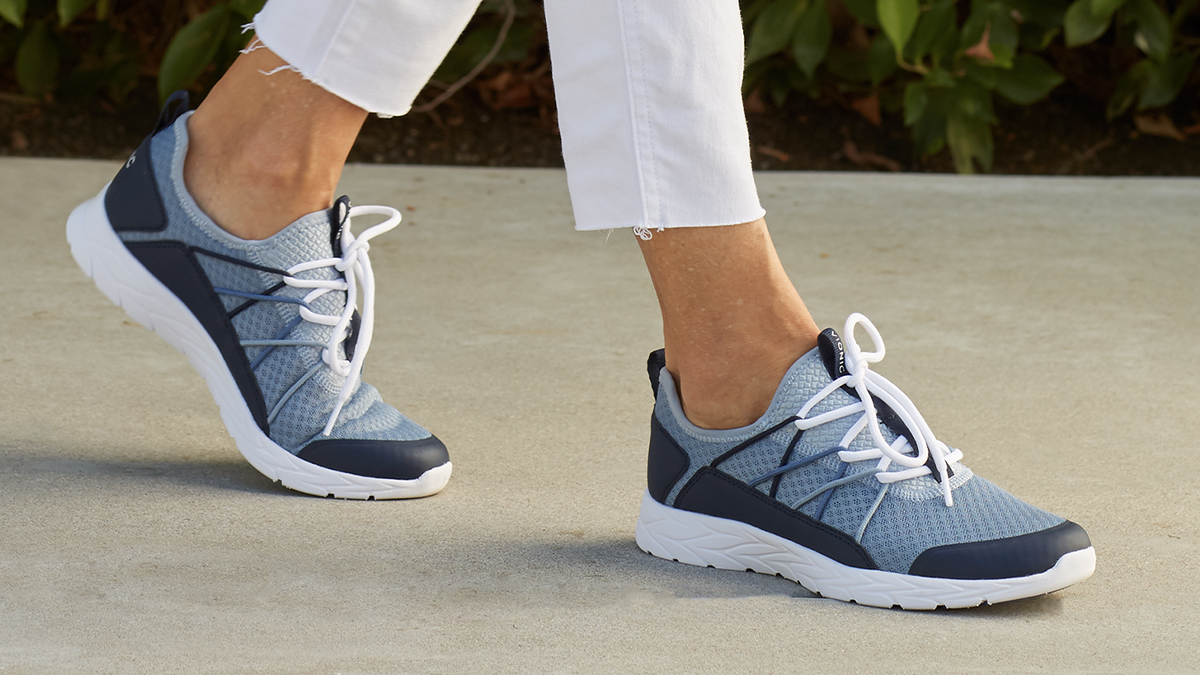
There is a pervasive myth that supportive shoes must be unattractive. Vionic’s entire product line, particularly its walking shoes, serves as a compelling counter-argument. The design philosophy is not an afterthought but a parallel pursuit to its engineering. Designers work alongside biomechanists to ensure that every style element—from the contour of the sole to the choice of upper materials—complements the shoe’s functional mission. For instance, a walking shoe might feature a sleek, knit upper that provides adaptive flexibility and breathability, while the midsole remains firm and supportive where it counts. This synergy is evident in models that look as appropriate with jeans on a weekend stroll as they do for a full day of travel or standing. The brand has successfully tapped into a consumer desire, often voiced on platforms like Quora and Reddit’s r/BuyItForLife, for products that don’t force a choice between well-being and personal style. By offering a wide range of colors, textures, and silhouettes, Vionic asserts that you do not have to sacrifice your aesthetic identity to care for your physical health. The vionic walking shoe becomes a seamless part of your wardrobe, not a medical device you feel compelled to hide.
Testimonials and Evidence: Voices from the Ground Up
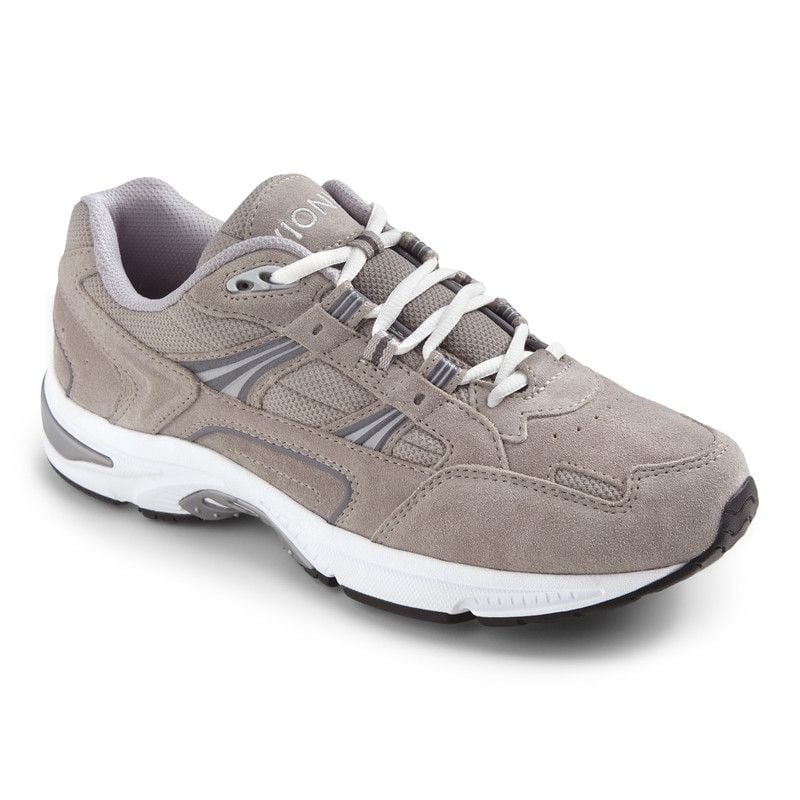
Objective science is paramount, but lived experience provides powerful validation. The reputation of Vionic walking shoes is bolstered by a vast chorus of user testimonials across multiple platforms. On reputable review sites like Trustpilot, a common thread emerges: users with conditions like plantar fasciitis, flat feet, or general fatigue report significant and often immediate relief. One reviewer stated, “After years of avoiding long walks, these shoes gave me my freedom back.” Furthermore, endorsements from certified health professionals on social media platforms like YouTube add a layer of credible advocacy. Physical therapists and chiropractors, whose opinions are grounded in clinical practice, frequently recommend specific footwear for recovery and prevention. For example, Dr. Jenna Kantor, a physical therapist with a large YouTube following, has analyzed the biomechanics of various footwear, noting features like “robust arch support and a firm heel counter” as critical for patients. This confluence of peer reviews and professional nods creates a compelling evidence base that extends beyond marketing claims. It shows a product fulfilling a promise for a diverse range of people, from avid hikers to retail workers who spend hours on their feet.
An Investment in Long-Term Wellness
Viewing a premium walking shoe as merely an accessory is a profound underestimation. It is, in fact, an investment in your long-term musculoskeletal health. Consider the cumulative impact: the average person takes between 4,000 to 6,000 steps per day. Over a year, that’s millions of steps. If each step is slightly misaligned, the cumulative stress on joints and soft tissues is immense. Investing in footwear that corrects this alignment is a proactive measure, akin to choosing a quality mattress for spinal health or an ergonomic chair for desk work. The cost of a high-quality vionic walking shoe should be weighed against potential future expenses—specialist visits, physical therapy, custom orthotics, and the intangible cost of chronic pain. The brand frequently offers professional knowledge directly to consumers through fit guides and wellness blogs, empowering informed choices. Moreover, they make this investment more accessible by providing discounted prices during seasonal sales and promotions, ensuring that advanced foot health technology isn’t reserved for a privileged few. This approach aligns with a growing consumer trend toward value-based spending, where quality and long-term benefit trump initial low cost.

Beyond the Shoe: A Holistic Approach to Foot Health
While the right shoe is a cornerstone, Vionic’s philosophy often extends into promoting a holistic view of foot care. This mirrors advice found on authoritative health websites like WebMD or the Mayo Clinic, which recommend a combination of proper footwear, targeted stretches, and strength exercises. The built-in orthotic in a vionic walking shoe provides passive support, but active foot health is equally important. The brand’s educational content often highlights simple practices: rolling a frozen water bottle under the arch to reduce inflammation, stretching the calf muscles to alleviate tension on the plantar fascia, or performing toe curls to strengthen intrinsic foot muscles. This comprehensive guidance positions the product not as a magic bullet, but as the most critical component in a broader system of self-care. It encourages users to become active participants in their well-being, understanding the “why” behind the design of their shoes. This educational aspect builds trust and community, transforming customers from passive buyers into informed advocates for their own health.
The journey to finding footwear that truly supports you is more than a shopping trip; it’s a step toward reclaiming the joy and freedom of movement. The narrative that comfort and style are mutually exclusive has been definitively challenged by the convergence of podiatric science and thoughtful design. A vionic walking shoe embodies this convergence, offering not just a place for your foot, but a foundation for your body. It represents a choice to prioritize long-term vitality without compromising on personal expression. When your feet are properly supported, every step feels lighter, every journey seems shorter, and your overall posture and energy can improve. The path forward is clear: embrace footwear that works as hard as you do, that understands the intricate mechanics of your stride, and that allows you to move through your world with unwavering comfort and confident style.