

The Best Tennis Shoes for All-Day Walking Comfort
Finding the perfect shoe for extended periods on your feet is more than a matter of style; it’s a critical investment in your physical well-being. While specialized walking shoes exist, a high-quality pair of tennis shoes for walking can offer unparalleled versatility, support, and comfort for the urban explorer, the busy professional, or anyone who logs serious mileage on hard surfaces. The right pair merges athletic technology with everyday practicality, providing a foundation that can prevent fatigue, reduce joint stress, and make all-day activity a pleasure rather than a chore. This exploration delves into the scientific and experiential reasons why certain tennis shoes excel as walking companions, guiding you toward an informed choice that supports every step you take.
The Anatomy of Comfort: Decoding Shoe Technology
To understand why a tennis shoe can be ideal for walking, we must dissect its components through an objective lens. The modern athletic shoe is a feat of biomechanical engineering. According to research from institutions like the University of Calgary’s Human Performance Laboratory, the primary functions of a sports shoe are to manage impact forces, provide stability, and facilitate natural motion. The midsole, often composed of advanced materials like ethylene-vinyl acetate (EVA) or polyurethane (PU), is the heart of cushioning. A study published in the Journal of Sports Sciences notes that materials with higher energy return can reduce the metabolic cost of walking, meaning your body expends less effort with each step. Furthermore, the outsole’s tread pattern, designed for multi-directional movement on court surfaces, often translates to excellent grip on pavement and other hard surfaces. The upper’s construction, whether mesh for breathability or synthetic leather for support, plays a crucial role in fit and foot containment. When these elements are harmonized—ample cushioning to absorb heel-strike impact, a flexible forefoot to allow the foot to roll through a step, and a secure fit to prevent slippage—you have the blueprint for a superb tennis shoes for walking. It is this synthesis of shock absorption, flexibility, and stability that positions a well-designed tennis shoe as a formidable option for prolonged pedestrian activity.

Stability vs. Cushioning: The Core Debate for Walkers
A perennial debate in footwear circles centers on the priority of stability versus cushioning. For the walker, this is not an either/or proposition but a question of balance. Stability features, such as medial posts or integrated guidance lines, are designed to prevent excessive inward rolling of the foot (overpronation), a common gait issue that can lead to knee, hip, and back pain over long distances. Brands like ASICS have built their reputation on technologies like the Guidance Line, which they claim promotes a more efficient gait cycle. On the other hand, maximal cushioning, popularized by brands like HOKA, aims to provide a plush, cloud-like feel that minimizes impact shock. Dr. Casey Kerrigan, a former Harvard Medical School researcher and founder of a footwear company, has presented research suggesting that overly cushioned shoes may actually increase joint loading by altering natural gait mechanics. Therefore, the ideal tennis shoes for walking for most individuals will offer a moderate approach: sufficient cushioning to be kind to your heels and joints, coupled with enough inherent structure to guide your foot naturally without overcorrecting its movement. This balanced design ensures that your feet are protected without being artificially manipulated, allowing for comfort that lasts from morning until night.
Material Matters: Breathability and Durability in Focus
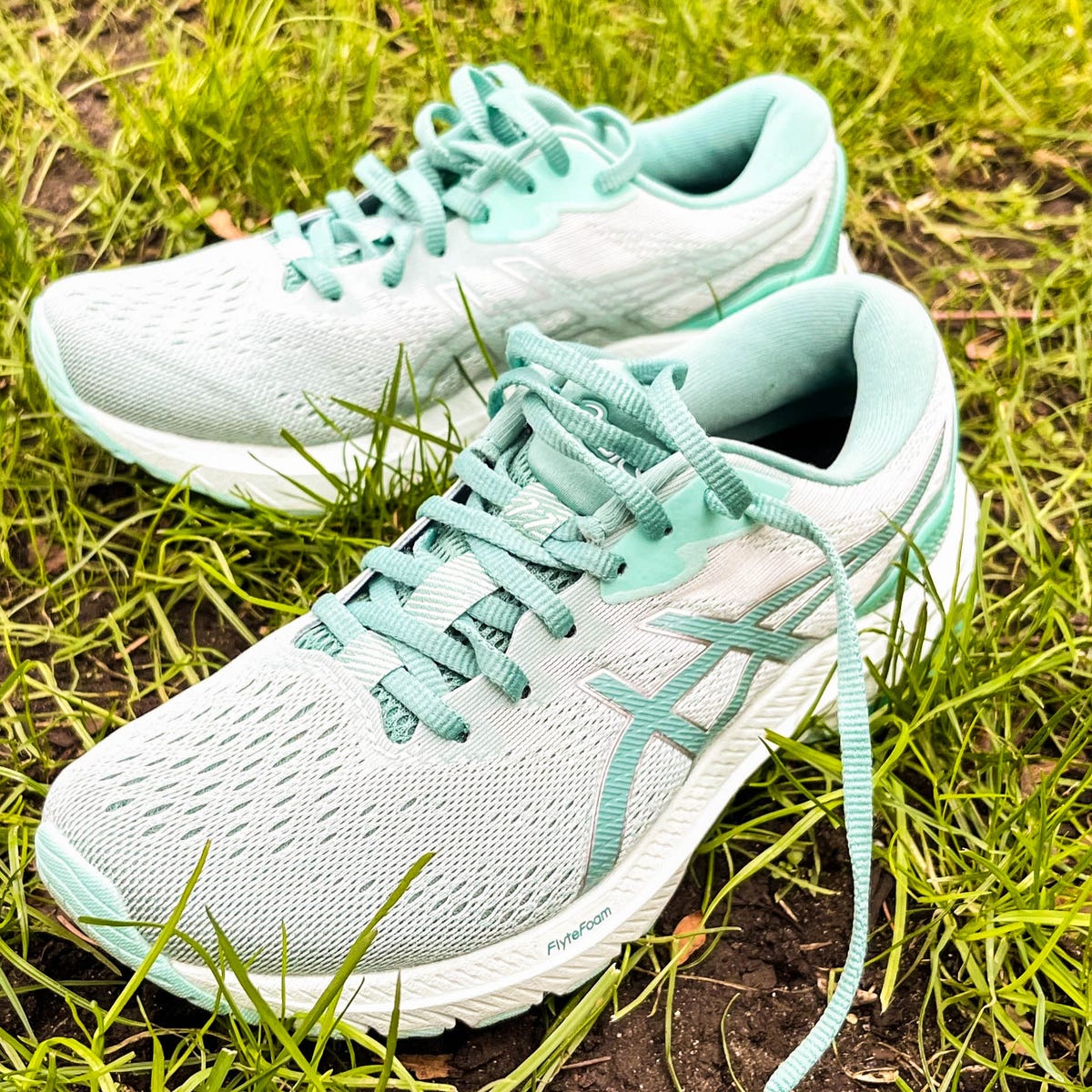
The longevity and day-to-day comfort of your shoes are dictated by their materials. A breathable upper, typically engineered mesh, is non-negotiable for all-day wear. It allows heat and moisture to escape, maintaining a cooler, drier environment that prevents blisters and discomfort. Durability, however, must partner with breathability. High-wear areas like the toe box and medial side require reinforcements, often with synthetic overlays or thermoplastic polyurethane (TPU). The outsole rubber compound is equally critical. Durable carbon rubber, often placed in the heel, resists abrasion from pavement, while lighter, more flexible rubber in the forefoot aids propulsion. As noted by footwear testers at authoritative consumer websites like Runner’s World and Wirecutter, the best walking companions show minimal outsole wear even after hundreds of miles. When selecting a pair of tennis shoes for walking, inspect the material composition. A shoe that balances a lightweight, breathable upper with strategic durability reinforcements will not only feel comfortable but will also remain a reliable part of your wardrobe for many months, providing excellent value and sustained performance where it matters most.
The Personal Fit: Why Your Foot Dictates the Choice
Beyond specifications and technologies, the most critical factor is personal fit. A shoe can have all the award-winning features in the world, but if it doesn’t conform to the unique architecture of your foot, it will fail. This involves understanding your foot shape (narrow, wide, high-volume), arch type, and typical gait pattern. Many specialty running stores offer gait analysis, providing invaluable objective data. Furthermore, the concept of “shoe last”—the mold around which a shoe is built—varies by brand. A brand known for a wider toe box might suit those with bunions or a preference for splay, while another might cater to a narrower heel for a locked-in feel. Always try on shoes in the afternoon or evening, as feet naturally swell throughout the day. Wear the socks you intend to walk in and ensure there’s about a thumbnail’s width of space between your longest toe and the end of the shoe. This personalized approach transforms a generic product into your personal tool for comfort. The quest for the perfect tennis shoes for walking is, ultimately, a quest for a perfect partnership with your own physiology.
:max_bytes(150000):strip_icc()/vwt-walking-shoes-test-ryka-devotion-x-sahara-borja-02-18807b688fbb49e4ba30a3ee438600cb.jpeg)
Expert Voices and Celebrity Endorsements: A Grain of Salt
In our search for validation, we often turn to experts and celebrities. There is merit in this; a professional athlete’s reliance on footwear is absolute. Tennis champion Novak Djokovic, for instance, emphasizes the importance of footwear that provides a stable base for explosive movements—a quality that translates to secure footing for a walker. On platforms like YouTube, certified podiatrists and physical therapists offer deep dives into footwear biomechanics, providing evidence-based recommendations. However, it is crucial to consume such endorsements with discernment. A celebrity’s sponsorship deal does not guarantee a shoe’s suitability for your needs. As the famous coach and author Tim Ferriss often advises, “Take what is useful, discard what is not.” Use expert opinions to understand the principles of good footwear—like the need for a heel counter that holds your foot in place or a rocker sole that can aid foot transition—rather than seeking a one-size-fits-all brand recommendation. Let their knowledge inform your criteria, not dictate your final choice.
“The shoe must be an extension of the body. It’s not about the technology for technology’s sake; it’s about how that technology disappears and allows the body to move as it’s designed to.” – Paraphrased from common ethos among biomechanics specialists.
From Investment to Value: Smart Shopping for Your Shoes
Acquiring the right pair of shoes is an investment in your health, but it need not break the bank. Professional knowledge here intersects with practical savvy. First, understand the product lifecycle. New models are typically released annually. When the latest version arrives, retailers discount the previous model, which is often nearly identical in core technology. Websites that specialize in athletic gear frequently offer these “previous season” models at significant discounts—sometimes 30-50% off the original price. Secondly, consider slightly less-marketed “workhorse” models from major brands. While they may lack the flashy name of a flagship line, they frequently incorporate the same foundational cushioning and stability technologies at a lower price point. For instance, a brand’s mid-tier stability model often shares its core support system with the premium version. By focusing on the essential features—quality midsole foam, a durable outsole, and a breathable upper—you can find exceptional tennis shoes for walking that offer professional-grade comfort without the premium price tag. This strategic approach ensures you receive maximum value, coupling expert-level functionality with consumer-friendly cost.

The journey to all-day walking comfort culminates not in a single, universal answer, but in a personally tailored solution. The ideal shoe seamlessly integrates objective biomechanical principles—impact absorption, guided stability, and durable construction—with the subjective, intimate reality of your own feet. It respects the science of gait while honoring the individuality of your stride. By prioritizing this synergy of evidence-based design and personal fit, you move beyond merely wearing shoes to inhabiting a tool engineered for sustained well-being. Let your choice be informed, let your fit be precise, and let every step you take be a testament to the thoughtful fusion of human movement and intelligent design.
