

The Ultimate Guide to Booties Heels for Every Season
Footwear is more than just protection; it’s a statement of intent, a cornerstone of style, and a functional art form. Among the pantheon of shoe choices, booties heels stand as a singularly versatile and powerful option. They bridge the gap between the rugged utility of a boot and the elegant lift of a heel, creating a hybrid that commands attention across climates and calendars. This guide isn’t about fleeting trends; it’s a deep dive into why this particular silhouette earns its perennial place in a considered wardrobe, how to master its application through sun, rain, and snow, and the objective principles that underpin its enduring appeal. We’ll move beyond subjective taste to explore the design, history, and psychology of the booties heels, arming you with the knowledge to make impeccable choices season after season.
The Architectural Foundation: Deconstructing the Bootie Heel
To understand the versatility of booties heels, one must first appreciate their architecture. Unlike their taller cousin, the knee-high or over-the-knee boot, the bootie is defined by its cut, typically ending at or just above the ankle. This specific height is not arbitrary. From a biomechanical and aesthetic standpoint, the ankle is a pivotal joint. As noted in research from institutions like the Royal College of Art’s Fashion Department, highlighting the ankle can create an illusion of elongation and refinement, a principle leveraged for centuries in footwear design. The addition of a heel shifts the wearer’s posture, tilting the pelvis and emphasizing the calf muscle, which is further accentuated by the bootie’s cut-off point. The heel itself varies dramatically—from a subtle block to a daring stiletto—each variant altering the shoe’s center of gravity and, consequently, the wearer’s gait and silhouette. The materials, from supple leather to technical fabrics, interact with this structure to provide varying levels of support, weather resistance, and visual texture. This combination of abbreviated height and elevated heel creates a foundation that is simultaneously stable and dynamic, a canvas for endless stylistic interpretation.

Spring: The Awakening of Texture and Transitional Shades
As winter’s grip loosens, spring demands footwear that navigates the residual chill and emerging warmth. This is where suede and lighter leather booties heels come into their own. The tactile quality of suede, as celebrated by designers like Manolo Blahnik, who often speaks of material “personality,” adds a soft, approachable dimension to the structured form. Opt for hues that mirror the awakening environment: taupe, blush, sage green, or a washed-out denim blue. A sturdy block or wedge heel is particularly apt here, providing elevation without sinking into softening ground. From a practical perspective, these materials and heel types offer more surface area for balance on potentially uneven, rain-dampened sidewalks. The bootie’s enclosed nature protects from spring’s capricious winds and light showers, while its shorter cut allows for the display of transitioning hemlines—a cropped jean, a midi skirt with a slit. It’s a dialogue between protection and presentation. Consider the perspective from fashion psychology, as discussed on platforms like Quora and in publications like “The Psychology of Fashion” by Carolyn Mair: transitional season dressing often involves reconciling comfort with renewed social visibility, and the spring bootie perfectly embodies this negotiation.

Summer: Defying Convention with Strategic Openings
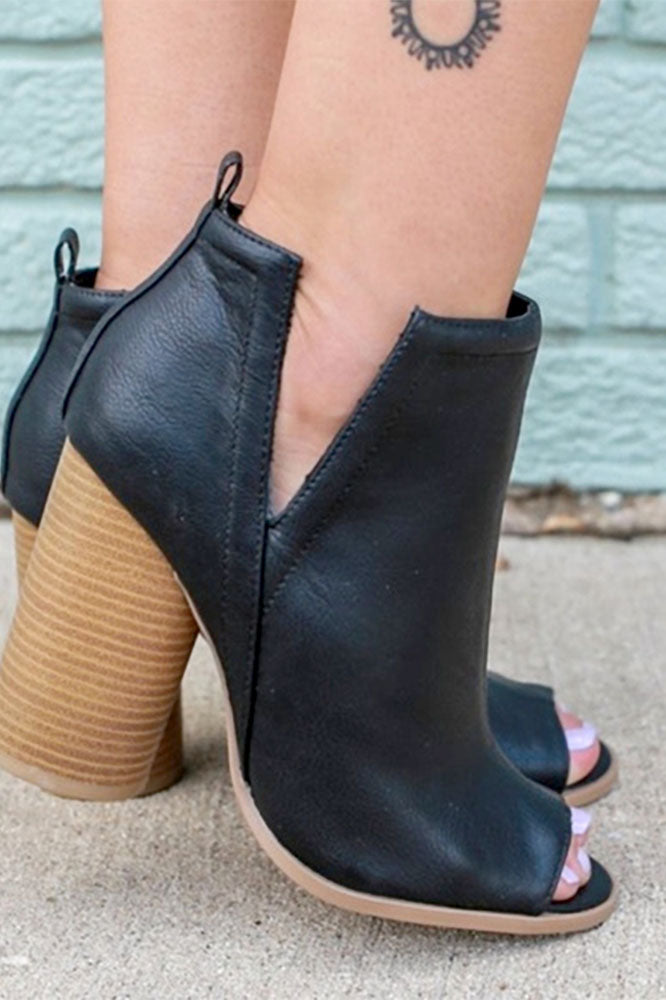
The notion of boots in summer may seem counterintuitive, but this is where design innovation shines. Summer booties heels are masterclasses in ventilation and material science. Look for styles with cut-outs, perforations, or open toes. These are not merely decorative; they are functional adaptations that allow for airflow, preventing overheating—a principle evident in the performance footwear industry and adapted for fashion. Materials shift to lighter-weight options: woven textiles, laser-cut leather, or even transparent vinyl. A chunky, platform heel provides stability for summer festivals or city exploration, distancing the foot from hot pavement. The color palette embraces boldness: metallics, bright whites, or vibrant citrus tones that reflect sunlight rather than absorb it. As fashion historian and YouTube content creator Amber Butchart has noted in her analyses, summer footwear has historically played with the concept of “reveal and conceal,” and the cut-out bootie is a modern, empowered iteration of that theme. It offers the structured, confident silhouette of a boot while strategically removing material to suit the thermal demands of the season.
Autumn: The Reign of Rich Hues and Substantial Proportions
Autumn is the undisputed zenith of the booties heels season. The crisp air and falling leaves call for footwear with substance and depth. Here, the bootie embraces its inherent robustness. Leather becomes thicker, often in polished or grained finishes like calfskin or patent. The colors deepen to mirror the changing landscape: oxblood, forest green, chocolate brown, and classic black. Heels become more substantial—think stacked wood, wide blocks, or architectural shapes—echoing the solidity of tree trunks and the grounding energy of the season. This is the time for details: harness straps, buckles, or subtle hardware that catch the low, golden light. From a cultural standpoint, autumn fashion is deeply linked to concepts of “layering” and “preparation,” themes explored in literature from Thoreau’s “Autumn” to modern style blogs. The autumn bootie is the foundational layer upon which other textures—wool, tweed, cashmere—are built. It provides both literal and figurative grounding. The price point for quality autumn booties is an investment in durability; a well-crafted pair from brands like Aquatalia or Sam Edelman, known for weatherproofing, can withstand years of leaf-littered, occasionally damp commutes, offering a cost-per-wear that justifies the initial outlay.
Winter: A Fortress of Function and Fearless Style
Winter transforms the booties heels from a style piece into a tactical asset. The primary considerations shift decisively towards protection and traction. This is the domain of weather-treated leathers, waterproof membranes like Gore-Tex, and insulating linings such as shearling or Thinsulate™. The heel is almost exclusively a low, stable block or wedge, often with a lugged rubber sole designed for grip on ice and snow—technology borrowed directly from mountaineering and hiking footwear. Colors may remain dark for practicality, but metallics or faux-fur accents provide festive flair. The bootie’s ankle-hugging fit is crucial here, preventing snow ingress—a key advantage over taller boots that can gap at the calf. As survival expert and author Cody Lundin has famously demonstrated, protecting the extremities is paramount in cold weather, and the winter bootie does this without sacrificing form. It’s a piece of specialized gear that seamlessly integrates into an urban or suburban landscape. Investing in a quality pair with certified waterproofing and insulation isn’t just about style; it’s about foot health and safety during the coldest months, making it a non-negotiable component of a intelligent winter wardrobe.
The Professional Edge: Integrating Booties Heels into Your Sartorial Toolkit
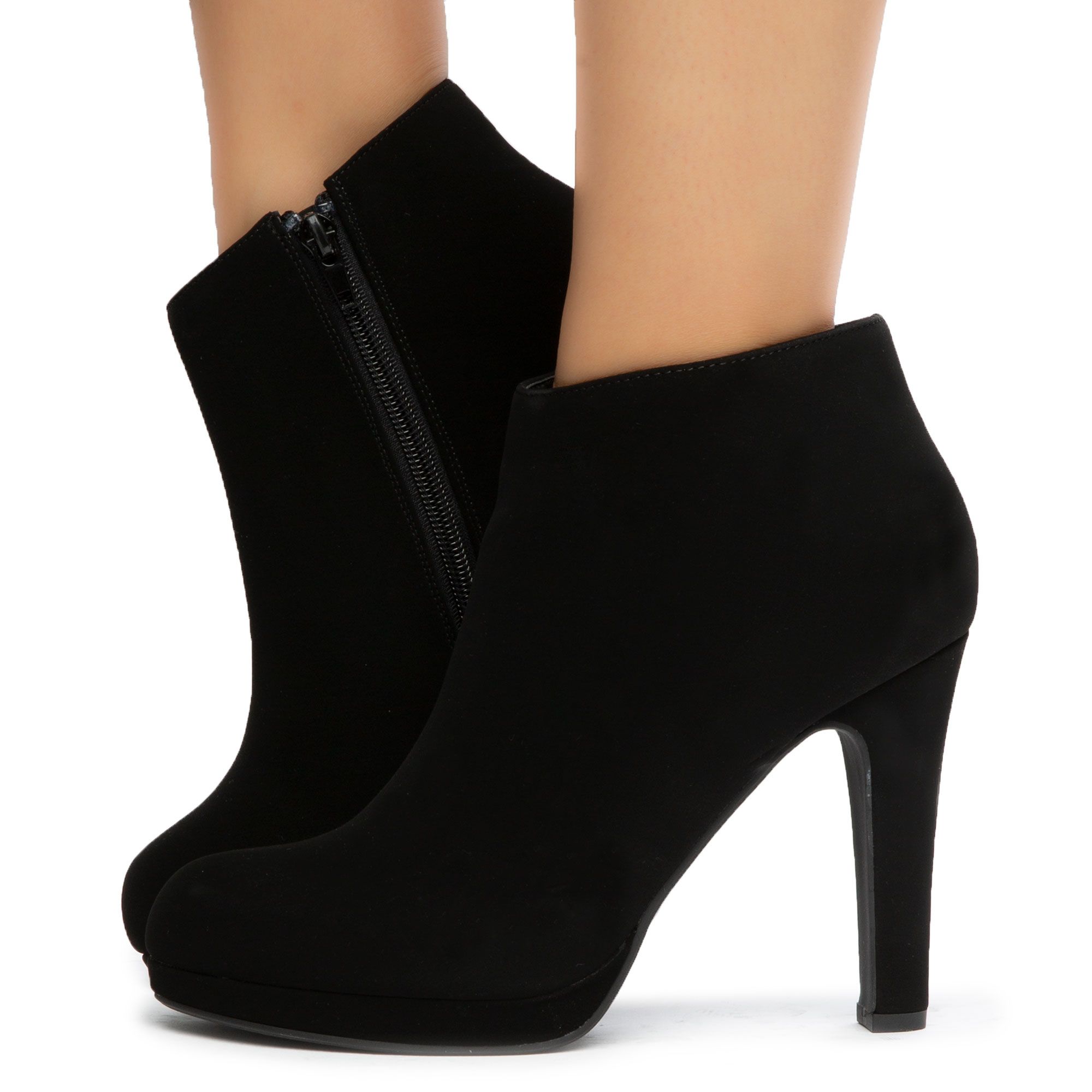
Beyond seasonal cycles, booties heels possess a unique capacity to navigate professional environments. The key lies in selecting designs that prioritize clean lines, luxurious materials, and moderate heel heights. A pointed-toe bootie in sleek black leather with a slender block heel can convey authority and polish rivaling a classic pump, while offering superior comfort and stability for a day of meetings. This aligns with the findings of studies on “enclothed cognition,” a term coined by researchers Hajo Adam and Adam D. Galinsky, which suggests that the clothes we wear can systematically influence our psychological processes. A well-chosen, powerful shoe can subtly impact posture and confidence. For a more creative or business-casual setting, a suede bootie in a neutral tone with a modest wedge adds intellect and approachability. The enclosed nature of a bootie can also be a practical boon in climate-controlled offices, keeping feet warm. When considering professional purchases, look for brands with reputations for ergonomic design. While the initial price for such quality may be higher, the longevity and versatility they provide—transitioning seamlessly from desk to dinner—represent significant value, effectively reducing the need for multiple, single-purpose pairs.
The journey through the year with booties heels reveals a narrative far deeper than mere accessory rotation. It is a story of adaptation, intention, and empowered choice. From the soft suedes of spring to the fortified winter warriors, each iteration solves a specific set of environmental and social equations. This guide demonstrates that mastering this single category of footwear can unlock exponential potential in your personal style, providing a reliable, dynamic foundation for every day on the calendar. The ultimate takeaway is not a list of rules, but an understanding of principles: proportion, material, context, and investment. With these in mind, you are equipped to select the perfect pair for any season, any occasion, and any version of yourself you wish to present to the world.
