

Style and Comfort for Every Step
We often speak of journeys, of paths taken and destinations reached. Yet, we seldom pause to consider the very foundation upon which every journey is built: the step. Each step is a negotiation between our bodies and the ground, a moment of impact, balance, and propulsion. To walk with confidence, to move through our days with energy rather than fatigue, requires a harmonious alliance between our feet and what encases them. This is not merely about footwear; it is about an instrument of personal mobility and expression. The right walking shoe is that instrument—a synthesis of biomechanical engineering and aesthetic design that transforms a mundane activity into a sustained pleasure. It is the unsung hero of daily life, supporting not just our arches but our ambitions, from a brisk morning commute to a leisurely weekend exploration. Let us delve into why this choice is far more critical than fashion alone suggests, and how the perfect pair bridges the often-artificial divide between looking good and feeling invincible.
The Biomechanics of Movement: Why Your Shoes Are More Than a Shell
Walking is a complex, coordinated series of events involving bones, muscles, tendons, and ligaments. With each heel strike, a force of approximately 1.5 times your body weight travels up your kinetic chain. A poorly designed shoe can disrupt the natural gait cycle, leading to inefficient movement, localized discomfort, and long-term issues in the ankles, knees, hips, and even the lower back. The primary role of a walking shoe is to facilitate this natural motion while providing cushioning to attenuate shock and stability to control excessive pronation (the inward roll of the foot) or supination (the outward roll). According to research from the Spaulding National Running Center, affiliated with Harvard Medical School, footwear that matches an individual’s gait pattern can significantly reduce the risk of injury and improve mechanical efficiency. This isn’t anecdotal; it’s physiology. The midsole, often made from EVA (ethylene-vinyl acetate) or polyurethane compounds, is the engine room of cushioning. The outsole’s tread pattern and rubber composition determine grip and durability. The upper’s materials and construction dictate breathability and fit. Every component must work in concert. When you slip on a well-designed walking shoe, you are not just putting on a shoe; you are integrating a sophisticated damping and stabilization system with your own anatomy. This partnership allows you to walk farther, stand longer, and do so with a body that feels aligned and supported, not punished by the very pavement it traverses.
Decoding Comfort: Materials, Fit, and the “Second Skin” Sensation
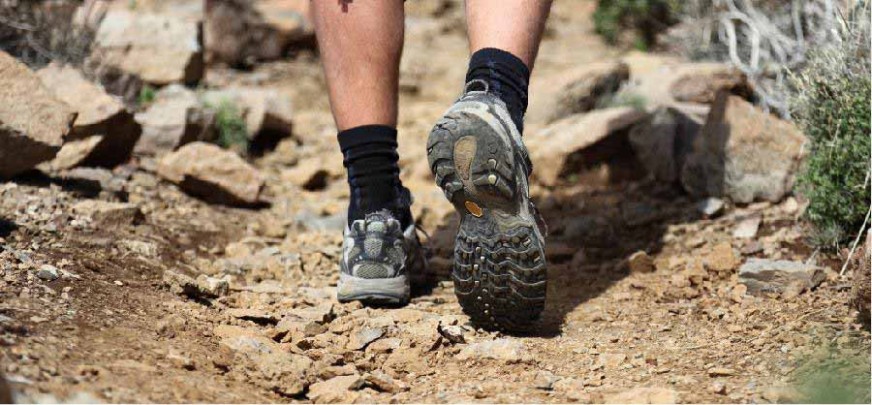
Comfort is a subjective experience, but its objective parameters are defined by material science and ergonomic design. True comfort in a walking shoe is the absence of awareness—you forget you’re wearing them because nothing pinches, rubs, or feels out of place. This begins with fit. The American Podiatric Medical Association emphasizes the “rule of thumb”: there should be about a thumb’s width (roughly half an inch) of space between your longest toe and the end of the shoe. The widest part of your foot should correspond with the widest part of the shoe without any bulging or tightness. Next are the materials. Modern uppers utilize engineered meshes, like those found in many performance shoes, which offer targeted stretch and breathability. Memory foam collars and tongues mold to the ankle, preventing abrasion. Inside, moisture-wicking linings keep the foot dry, reducing the risk of blisters and fungal infections. As noted by footwear experts on platforms like Quora and in industry publications, the insole or sockliner is a critical comfort layer. Many premium walking shoe models feature removable orthotic-friendly insoles, allowing for customization. The sensation sought is that of a “second skin”—a secure, adaptive wrap that moves with you, not against you. This level of tailored comfort turns a simple walk into a tactile pleasure, where the focus shifts from your feet to the world around you.
The Aesthetic Equation: When Style Walks Hand-in-Hand with Function
For too long, a false dichotomy has persisted: that shoes are either functional and ugly or stylish and painful. This era is over. Contemporary design philosophy, influenced by minimalist aesthetics and athletic wear’s integration into daily fashion, has produced walking shoes that are visually compelling. Brands now understand that color palettes, sleek silhouettes, and thoughtful detailing matter. A shoe you are proud to wear is a shoe you will wear more often, thereby reaping its health benefits consistently. The rise of the “athleisure” trend, as documented by fashion business analysts, is not merely a fad but a reflection of a cultural shift towards holistic well-being and versatile wardrobe staples. A great walking shoe can transition seamlessly from a morning walk in the park to a day of errands or even a casual workplace setting. It makes a statement about valuing both form and substance. As designer Tinker Hatfield, famed for his work with Nike, once articulated, “Design must reflect the practical and aesthetic in business but above all… good design must primarily serve people.” The modern walking shoe embodies this: it serves the people’s need for support and their desire for self-expression. It proves that caring for your body does not require sacrificing your personal style.
Investment in Well-being: The Long-Term Value of the Right Pair
Viewing a quality walking shoe as an expense is a short-sighted perspective; it is, in fact, an investment with compounding returns for your health and wallet. Consider the alternative: cheap, unsupportive footwear accelerates wear and tear on your joints. The resulting discomfort can lead to a sedentary lifestyle, which is a risk factor for a host of chronic conditions. A well-constructed walking shoe, with its durable outsoles and resilient cushioning, is built to last for hundreds of miles. While the initial outlay may be higher, the cost per mile—and per day of pain-free movement—is dramatically lower. Furthermore, many podiatrists argue that proper footwear can delay or eliminate the need for costly orthotics, physical therapy, or other interventions down the line. It is preventative healthcare you wear on your feet. Brands often incorporate technologies developed through extensive research; for instance, Brooks’ GuideRails support system or ASICS’ GEL cushioning, both born from biomechanical labs, are designed to address specific movement patterns. Investing in such shoes means investing in that research and development, directly funding the next generation of comfort technology. When you prioritize this investment, you are essentially voting for a future where every step is a pleasure, not a penalty.
:max_bytes(150000):strip_icc()/vwt-asics-womens-gel-pulse-16-jinfeng-chen-21-712f0f140e834b84b3a8dcf0bf154771.jpeg)
Knowing When to Let Go: The Lifecycle of Your Walking Companion
Even the finest walking shoe has a finite lifespan. The cushioning materials compress, the supportive structures break down, and the outsole loses its grip. Continuing to wear worn-out shoes negates all their benefits and can reinvite the very problems they were meant to solve. The general consensus among fitness professionals and shoe retailers, often cited on platforms like Verywell Fit, is to replace walking shoes every 300 to 500 miles. However, listen to the signs: persistent new aches in your feet or legs, visible creasing or compression in the midsole, or worn-down tread patterns are clear indicators. It’s a relationship of mutual care—you care for your shoes by not wearing them for inappropriate activities, and they care for you until their structural integrity fades. Recognizing this cycle is part of responsible ownership. Planning for replacement before a complete breakdown ensures a seamless transition to a new pair, maintaining the consistency of support your body depends on. This proactive approach is the final, crucial habit in a lifestyle committed to sustainable mobility.
:max_bytes(150000):strip_icc()/when-should-i-replace-my-walking-shoes-3436325-0801-7a1840d83573471092e0380f9e230ecc.jpg)
The journey of a thousand miles, as the adage goes, begins with a single step. Make that step count. Choose a companion that understands the assignment: to provide unwavering support without demanding attention, to complement your style without compromising your physiology, and to endure the miles while making each one feel lighter. The perfect walking shoe is not a luxury; it is a fundamental tool for modern living. It is the quiet assurance that wherever your path leads—be it city sidewalks, country trails, or the long corridors of your daily routine—you are equipped not just to travel, but to thrive with every single step you take.
