

The Best Tennis Shoes for Everyday Walking Comfort
When we talk about finding the perfect shoe for daily ambulation, the conversation often veers towards specialized walking shoes or running sneakers. However, a compelling and often overlooked category is that of tennis shoes for walking. Originally engineered for the lateral cuts, quick stops, and sprints of the tennis court, these shoes possess a unique set of features that translate exceptionally well to the biomechanics of everyday walking. This isn’t about repurposing in a pinch; it’s about recognizing a design philosophy built on stability, cushioning, and durability that serves the walker brilliantly. The right pair can transform your daily step count from a mundane task into a supported, comfortable journey.
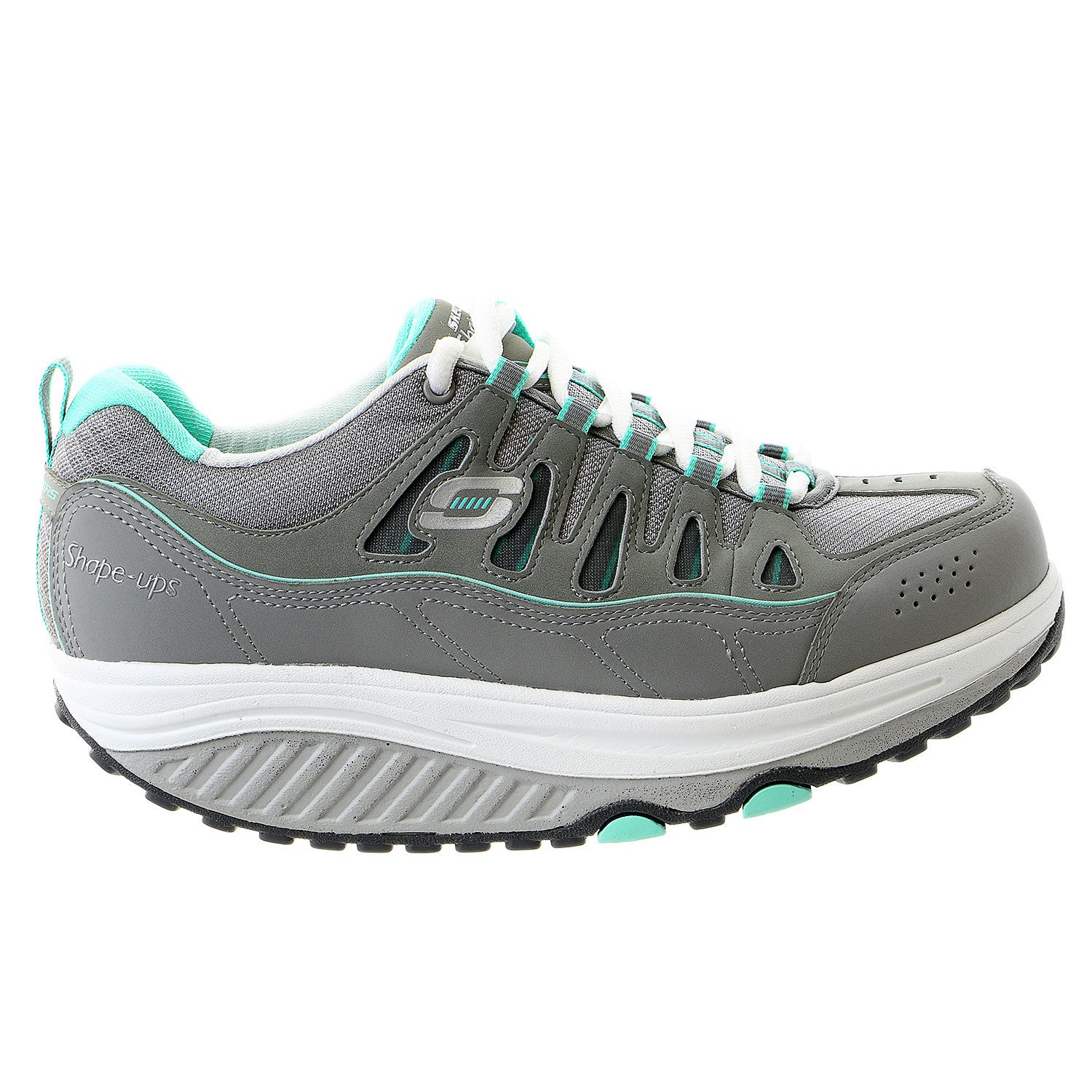
The Foundation: Why Tennis Shoes Excel as Walking Companions
To understand the suitability of tennis shoes for pedestrian use, we must dissect their core design principles. Tennis is a sport of explosive multi-directional movement. As noted in biomechanics literature from institutions like the University of Calgary’s Human Performance Laboratory, athletic footwear must mitigate the high ground reaction forces and provide medial-lateral stability to prevent ankle rolls. Consequently, tennis shoes for walking inherit a robust construction. The midsole is typically firmer than that of a running shoe, not just for cushioning vertical impact but for stabilizing the foot during side-to-side motion—a feature that benefits walkers navigating uneven sidewalks or curbs. The outsole is made of durable, non-marking rubber with a herringbone or modified tread pattern designed for traction on court surfaces like clay or hardcourt, which offers reliable grip on a variety of urban terrains. Furthermore, the upper is often reinforced in high-wear areas (the toe drag area is a classic example) with tougher materials, enhancing the shoe’s longevity far beyond the court. This confluence of durability, stability, and traction forms a trifecta that addresses the primary needs of the dedicated walker.
Cushioning and Impact Absorption: A Scientific Perspective
The human foot strikes the ground approximately 1.2 to 1.5 times your body weight with each step during walking, as per gait analysis studies. While lower than running forces, this repetitive loading demands effective shock absorption to protect joints from the knees to the lower back. Here, tennis shoes present a nuanced advantage. Brands like ASICS, with their GEL technology, or Nike, with Air units, often incorporate these cushioning systems in the heel and forefoot of their tennis models. Dr. Casey Kerrigan, a renowned biomechanist and former professor at Harvard Medical School, has extensively researched footwear and gait. In her public commentaries, she emphasizes that “optimal footwear should work with the foot’s natural mechanics, not against them, by providing cushioning that doesn’t overly destabilize.” The cushioning in performance tennis shoes is engineered to be responsive and supportive during dynamic loading—precisely the kind of sustained, repetitive loading experienced in a long walk. Unlike some overly soft walking shoes that can lead to muscular fatigue, the balanced cushioning in a good pair of tennis shoes for walking offers a stable platform that reduces peak impact forces without sacrificing the proprioceptive feedback your body needs for natural movement.
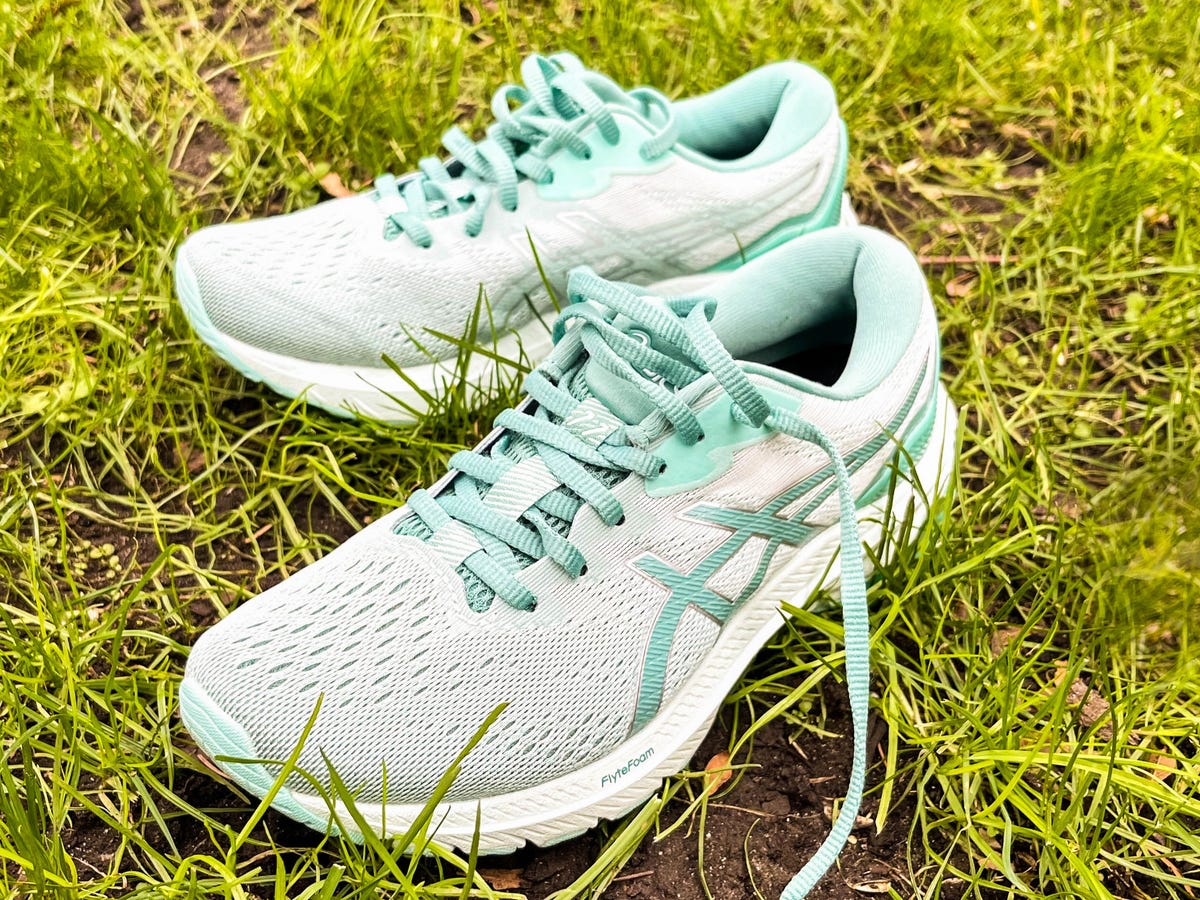
Arch Support and Stability: Non-Negotiable for Mileage
For anyone logging serious distance on their feet, whether it’s a city commute or a weekend park exploration, arch support is not a luxury—it’s a necessity. Plantar fasciitis, a common ailment among walkers, often stems from inadequate support. Tennis shoes are inherently designed with substantial arch and midfoot support. This is due to the sport’s requirement for rapid changes in direction, which place tremendous stress on the foot’s medial longitudinal arch. The shoe’s midfoot “shank” or support bridge is more pronounced to prevent torsional twisting. From an authoritative perspective, the American Podiatric Medical Association (APMA) grants its Seal of Acceptance to footwear that promotes good foot health, and several tennis shoe models have earned this distinction for their supportive qualities. When you choose a tennis shoes for walking, you are effectively selecting a shoe that has been stress-tested for lateral stability, which translates to exceptional support for the linear motion of walking, keeping your foot aligned and reducing strain on the plantar fascia. This built-in infrastructure is often superior to that found in casual sneakers or fashion athletic wear.
Breathability and Fit: The Unsung Heroes of Comfort
Comfort over extended periods is a sum of many parts, and temperature management is a critical component. Tennis is a high-intensity sport, and shoe manufacturers prioritize breathability to manage moisture and heat. Modern tennis shoes utilize engineered mesh uppers, strategic synthetic overlays, and often incorporate moisture-wicking linings. This design focus means your feet are less likely to overheat and sweat excessively during a long walk, reducing the risk of blisters and discomfort. Furthermore, the fit of a tennis shoe is typically more secure and precise than a generic sneaker. They often feature a padded collar and tongue, and a lacing system that allows for micro-adjustments to accommodate different foot volumes. As tennis legend and footwear connoisseur Stan Smith once noted in an interview, “A tennis shoe must feel like an extension of your foot. It must lock you in without binding, offering security without sacrifice.” This philosophy of a locked-down, breathable fit is exactly what the committed walker needs for mile after mile of consistent comfort.
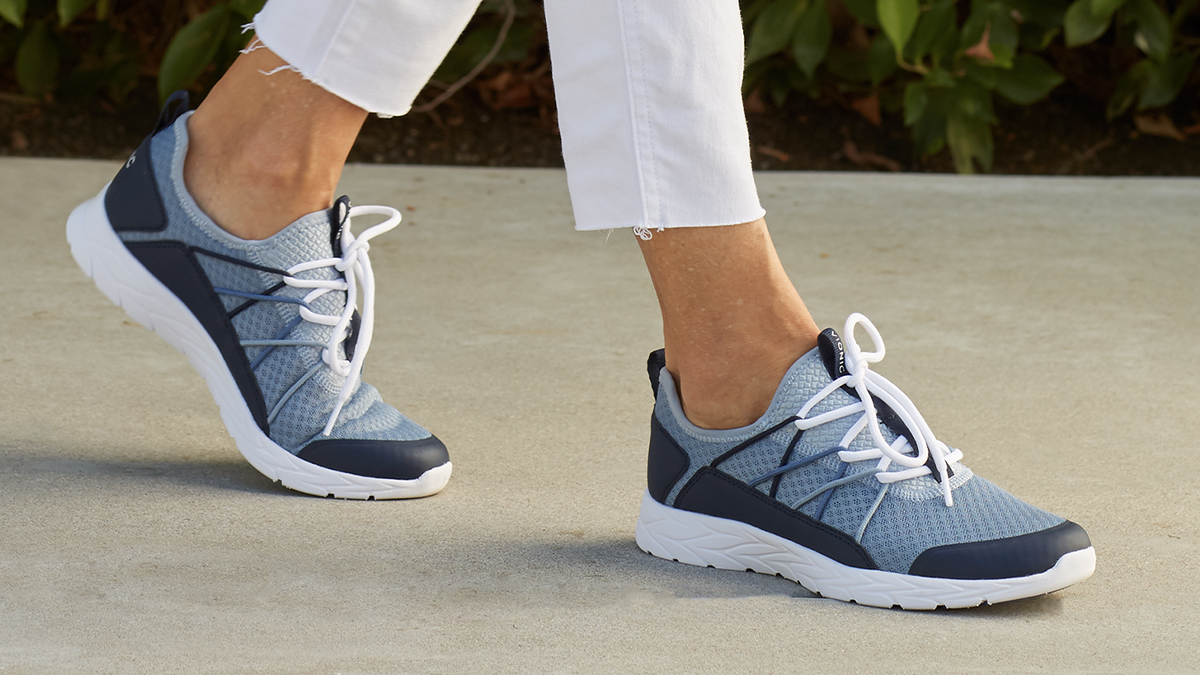
Making the Informed Choice: Key Features to Prioritize
Not all tennis shoes are created equal for walking purposes. When you venture into the market, either online or in-store, focus on a few key specifications. First, look for a durable rubber outsole with a flat or mildly textured tread—avoid aggressive, deep-lugged patterns meant for clay courts, as they can feel awkward on pavement. Second, prioritize models with well-regarded cushioning technologies (e.g., Adidas Boost, New Balance Fresh Foam, PUMA Nitro) in the midsole. Third, ensure the shoe has a supportive heel counter; you can test this by pressing on the back of the heel—it should be firm and resist collapse. Finally, consider weight. While tennis shoes are generally sturdier, many modern models use lightweight composites. A lighter shoe reduces leg fatigue over distance. Reputable review sites like Runner’s World (which also rigorously tests walking and cross-training shoes) and Verywell Fit often publish round-ups of the best athletic shoes for walking, and you’ll frequently find tennis or “court sport” models ranking highly for their blend of cushioning and support. Investing time in this research ensures your transition to tennis shoes for walking is a successful one.
Value Proposition: Durability Meets Discounted Opportunity
From a practical standpoint, tennis shoes offer outstanding value. Their construction for the abrasive surface of a court means they are built to last. The reinforced toes, robust outsoles, and sturdy uppers often outlive traditional walking shoes or running shoes used for daily wear. This longevity translates to a lower cost per mile. Furthermore, the consumer cycle for performance tennis shoes is often tied to professional player endorsements and seasonal color updates. This creates frequent opportunities to find previous-season models or colorways at significant discounts. Major sporting goods retailers and brand outlet websites routinely offer high-quality performance tennis shoes at 30-50% off the original retail price. By targeting these sales, you can acquire a technologically advanced, durable, and comfortable pair of tennis shoes for walking for a fraction of the cost of many specialty walking shoes, bringing professional-grade footwear into your everyday life without straining your budget.
:max_bytes(150000):strip_icc()/vwt-walking-shoes-test-ryka-devotion-x-sahara-borja-02-18807b688fbb49e4ba30a3ee438600cb.jpeg)
The quest for the ideal everyday walking shoe need not be confined to traditional labels. The architectural brilliance of the tennis shoe—forged in the fires of a demanding sport—provides a blueprint for exceptional walking comfort. Its inherent stability, durable cushioning, secure fit, and breathable design address the fundamental biomechanical needs of the walker with precision. By understanding these features and seeking out the right model, you equip yourself with footwear that supports not just your feet, but your entire kinetic chain, turning every step into a testament to thoughtful engineering and lasting comfort.
