

The Best Tennis Shoes for Everyday Walking Comfort
Let’s be clear from the start: not all athletic shoes are created equal, especially when your primary activity is walking. The quest for the perfect everyday walking companion often leads us to a surprising category: tennis shoes for walking. While designed for lateral cuts and court sprints, many modern tennis shoes possess a unique blend of cushioning, support, and durability that translates exceptionally well to the sustained, forward motion of walking. This isn’t about repurposing in a pinch; it’s about recognizing an engineered synergy. The right pair can transform your daily stride from a mundane task into a experience of sustained comfort, mile after mile.

The Foundation: Why Tennis Shoes Can Be Walking Wonders
The argument for using tennis shoes for walking hinges on fundamental biomechanics and material science. Walking is a repetitive, heel-to-toe motion generating forces of 1.2 to 1.5 times your body weight with each step, according to gait analysis studies from institutions like the University of Virginia’s Motion Analysis and Motor Performance Laboratory. Tennis, while more dynamic, requires shoes that absorb constant impact from jumping and pounding the hard court. Consequently, tennis shoe manufacturers invest heavily in midsole technologies—think Adidas’ Boost, Nike’s React, or ASICS’ GEL—designed to dissipate vertical shock. This core function aligns perfectly with walking’s needs. Furthermore, the need for stability during aggressive lateral movements in tennis results in a reinforced midfoot and heel counter. For walkers, especially those with mild overpronation, this built-in stability can prevent the ankle roll and provide a more secure, guided stride. As Dr. Casey Kerrigan, a former Harvard Medical School professor and gait biomechanics expert, once noted in an interview, “The goal of any footwear is to minimize the metabolic cost of movement and reduce load on joints. A shoe with appropriate cushioning and stability does exactly that.” Therefore, a well-chosen tennis shoe inherently addresses the two primary physical demands of prolonged walking: impact attenuation and mediolateral stability.
Decoding the Anatomy: Key Features to Prioritize
To navigate the world of tennis shoes for walking, you must become a discerning analyst of shoe anatomy. First, examine the upper. While traditional tennis shoes may feature heavier, abrasion-resistant materials for toe-dragging, look for modern iterations with engineered mesh. This provides the necessary breathability for long walks, preventing moisture buildup and overheating. Next, the midsole is king. Seek out shoes that advertise responsive, durable cushioning. Technologies like PUMA’s PROFOAM or New Balance’s Fresh Foam offer a balance of softness and energy return, preventing the “dead” feeling some running shoes have after months of use. The outsole is equally critical. A durable rubber compound with a modified herringbone or multi-directional tread pattern, common in tennis shoes, offers excellent grip on paved surfaces without the deep, dirt-trapping lugs of a trail runner. Finally, consider the fit and drop. Tennis shoes often have a slightly wider forefoot to allow for splaying during quick movements, which can be a blessing for walkers with wider feet. The heel-to-toe drop (the height difference) in tennis shoes typically ranges from 8mm to 12mm, which helps facilitate the natural heel-strike motion of walking. Ignoring one of these elements can lead to discomfort; understanding them empowers you to choose a tool, not just a accessory.
:max_bytes(150000):strip_icc()/vwt-walking-shoes-test-ryka-devotion-x-sahara-borja-02-18807b688fbb49e4ba30a3ee438600cb.jpeg)
Beyond the Hype: The Objective Science of Comfort and Injury Prevention
Comfort is subjective, but its physiological precursors are not. The science behind why a good tennis shoe for walking works is rooted in reducing peak impact forces and promoting natural alignment. A seminal study published in the Journal of Orthopaedic & Sports Physical Therapy found that footwear with appropriate cushioning significantly reduced loading rates in the lower extremities compared to minimalist shoes. This directly correlates to a lower risk of stress-related injuries like shin splints or plantar fasciitis during repetitive activities like daily walking. Furthermore, the structured heel counter in most tennis shoes maintains calcaneal (heel bone) alignment, which in turn influences the kinetic chain up through the knees and hips. Think of it as a stable foundation for a building; if the base is askew, the entire structure is under stress. This principle is echoed in resources from the American Podiatric Medical Association (APMA), which emphasizes the importance of “motion control” and “stability” features for active individuals. It’s not merely about feeling soft underfoot; it’s about creating an environment where your musculoskeletal system can function with optimal efficiency and minimal strain. Choosing a shoe that addresses these factors is a proactive investment in your long-term mobility, turning your daily walk from a potential source of wear-and-tear into a sustainable, health-promoting ritual.
A Curated Selection: Models That Bridge the Gap
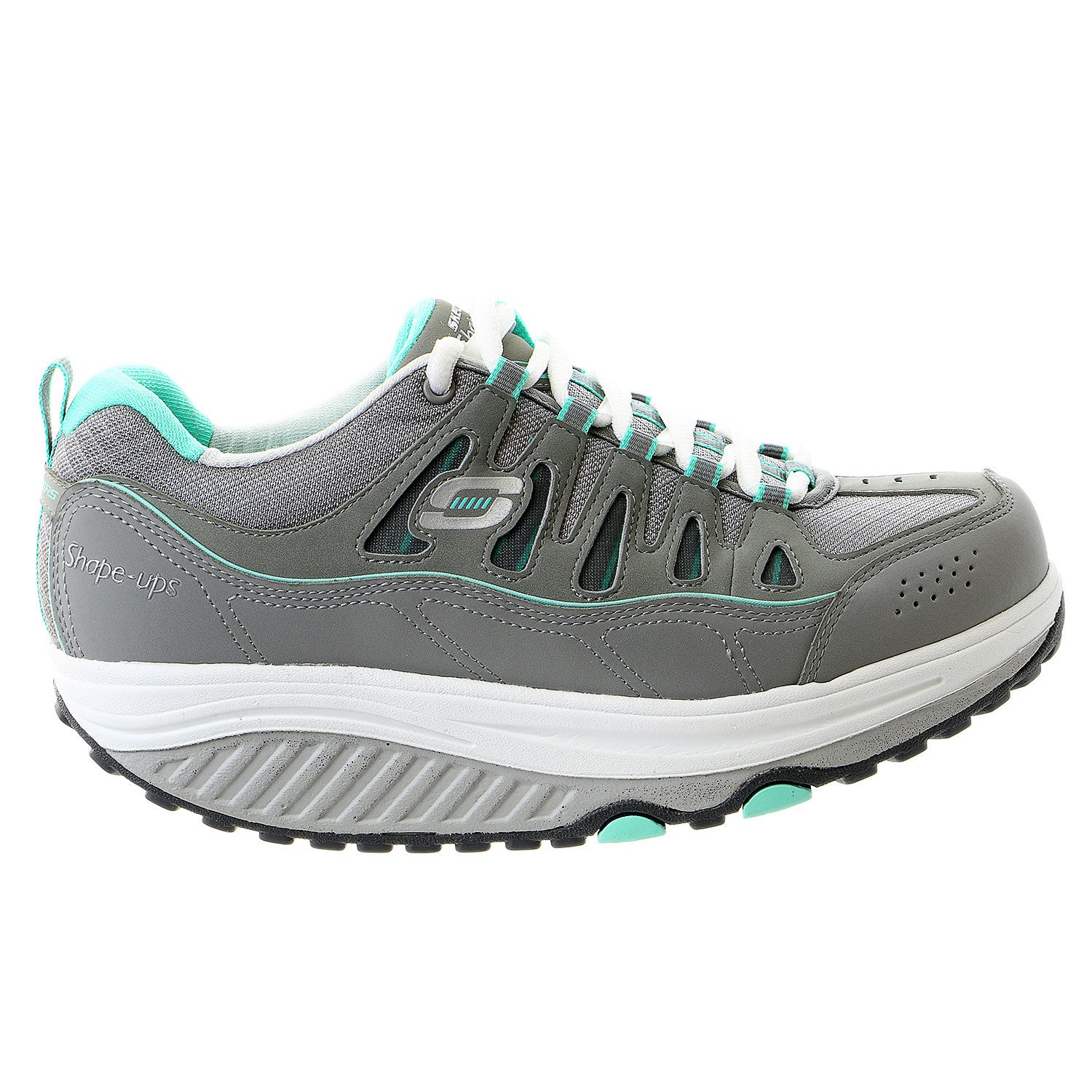
Knowing the theory is one thing; applying it is another. Let’s translate these principles into tangible options. Several models stand out for seamlessly transitioning from the court to the sidewalk. The New Balance Fresh Foam Lav is a prime example, utilizing a full-length Fresh Foam midsole that provides plush, data-driven cushioning exactly where impact is highest. Its sleek design and breathable upper defy the bulky tennis shoe stereotype. Another standout is the ASICS GEL-Resolution series. Renowned for its rearfoot and forefoot GEL cushioning systems, it absorbs shock spectacularly, while the DYNAWRAP technology provides midfoot support that walkers with flat arches will appreciate. For those seeking maximal durability, the Adidas Barricade line, historically known for its 6-month outsole guarantee in tennis, offers incredible longevity for high-mileage walkers. Its ADIPRENE+ cushioning in the heel is specifically engineered for shock attenuation. Remember, the best tennis shoes for walking for you will depend on your foot shape, gait, and personal cushioning preference. Trying them on in the latter part of the day when your feet are naturally more swollen is a professional tip often shared by fitting experts at specialty run and walk shops.
The Value Proposition: Where Performance Meets Price
Investing in quality footwear is non-negotiable, but savvy shopping is equally important. High-performance tennis shoes for walking often retail between $120 and $160. However, the value lies in their dual-purpose design and exceptional durability. To make this investment more accessible, consider these strategies: First, shop previous seasons’ models. When a new version of the Adidas Barricade or Nike Court Air Zoom Vapor Pro is released, the outgoing model’s price can drop by 30-50% while retaining 90% of its performance features. Second, subscribe to newsletters from major sporting goods retailers and manufacturers for flash sales and exclusive discount codes. Third, explore outlet stores or certified online marketplaces for overstock deals. As YouTube footwear reviewer and kinesiologist “Doctor Zach” (Zachary Gillen) often states in his analyses:
“The cost per mile of a durable, supportive shoe that prevents even one minor injury is exponentially lower than that of a cheap, poorly constructed alternative. Your feet are your foundation; discounting them is a false economy.”
This perspective reframes the purchase from a simple expense to a calculated investment in your daily well-being and long-term activity sustainability.

In essence, the search for everyday walking comfort doesn’t have to be confined to traditional walking shoes. By understanding the engineered principles of cushioning, stability, and durability, you can confidently explore the category of tennis shoes for walking. The right pair offers a fusion of robust construction and refined comfort, turning every step into a testament to thoughtful design. It’s about choosing a partner for your pavement journeys that understands the science of the stride as much as you appreciate the art of the walk.
