

The Best Tennis Shoes for All-Day Walking Comfort
When we talk about footwear designed for prolonged walking, the immediate thought often goes to specialized walking shoes or running sneakers. However, a compelling case can be made for the modern tennis shoes for walking. Originally engineered for the lateral movements, quick stops, and bursts of speed on the court, today’s tennis shoes have evolved into versatile marvels of biomechanical support that translate exceptionally well to the rigors of all-day pedestrian travel. This isn’t about repurposing in a pinch; it’s about recognizing a category of footwear that inherently possesses the cushioning, stability, and durability we crave when our feet are on the pavement for hours. The fusion of court-ready construction with walking-specific needs creates a hybrid solution that prioritizes comfort without sacrificing performance aesthetics.
The Biomechanical Bridge: Why Tennis Shoes Work for Walking
The fundamental reason tennis shoes for walking excel lies in their design philosophy. According to biomechanics literature from institutions like the University of Calgary’s Human Performance Lab, effective footwear for sustained activity must address three core principles: shock attenuation, medial-lateral stability, and efficient energy return. Tennis shoes are built to manage the high-impact forces from jumping and the aggressive side-to-side (lateral) cuts during a match. This translates directly to walking, where each step generates a force of approximately 1.5 times your body weight, absorbed primarily through the heel. The dense, durable heel counters and multi-density midsoles found in performance tennis shoes provide superior heel cushioning and prevent excessive inward roll (overpronation), a common source of fatigue and injury. As noted by Dr. Casey Kerrigan, a former Harvard Medical School researcher and founder of a biomechanics-focused footwear company, “The goal is to minimize the work your muscles and joints have to do with each step.” The structured support of a tennis shoe does precisely that, making it a scientifically sound choice for extended ambulation.
:max_bytes(150000):strip_icc()/Web_1500-vwt-primary-best-overall-shoe-tstaples-118-671f4e0048e64d14a1c42e4f8d9e6658.jpg)
Decoding the Anatomy: Key Features to Prioritize
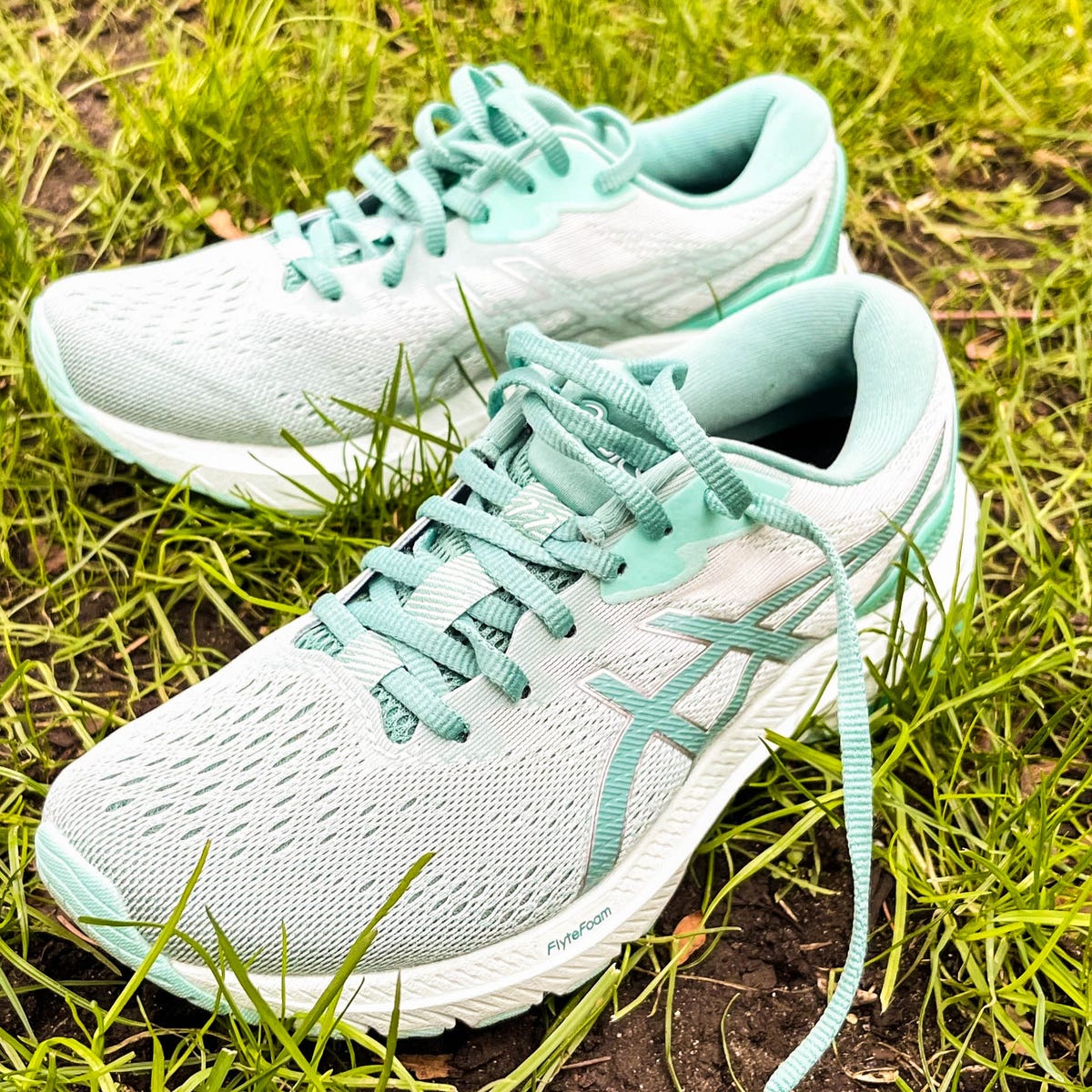
Not all tennis shoes are created equal for walking purposes. To make an informed choice, you must become a discerning observer of shoe anatomy. First, examine the midsole. This is the engine of comfort. Look for technologies like Adidas Boost, Nike React, or ASICS GEL. These proprietary foam compounds are designed for optimal energy return and long-lasting cushioning, preventing the “packing out” sensation where shoes go flat after a few months. A study cited on the American Podiatric Medical Association’s website emphasizes the role of midsole material in reducing peak pressure on the plantar fascia. Second, the outsole is critical. A durable, non-marking rubber with a modified herringbone or circular tread pattern offers excellent grip on varied urban surfaces, from concrete to tile, while providing a stable platform. The toe guard—a reinforced bumper at the front—is a hallmark of tennis shoes, offering unparalleled protection for your toes when you inevitably scuff the ground or encounter a stray step. Finally, consider the upper. Breathable mesh panels are essential for temperature regulation, while synthetic leather or thermoplastic polyurethane (TPU) overlays provide the structured lockdown needed to keep your foot secure without restrictive tightness. This combination ensures that the shoe works with your foot’s natural gait cycle.
The Support Spectrum: Matching Your Gait to the Shoe
Your individual walking pattern is the most important variable in this equation. The concept of “gait type” is not just for runners; it applies to every step you take. Generally, gaits are categorized as neutral, overpronation (foot rolls inward excessively), or supination (foot rolls outward). Many premium tennis shoes for walking are designed with specific gait support in mind. For instance, shoes like the ASICS Gel-Resolution or the New Balance Fresh Foam Lav often incorporate medial posts—firmer foam on the inner side of the midsole—to gently correct overpronation. This design principle is backed by research from the Spaulding National Running Center, affiliated with Harvard Medical School, which links proper motion control to reduced risk of conditions like plantar fasciitis and shin splints. If you are unsure of your gait, visit a specialty running or footwear store for a quick analysis. Choosing a shoe that complements your biomechanics transforms it from mere apparel to a personalized tool for comfort and health. Remember, the best shoe is the one that feels like an extension of your own foundation, providing support where you need it and freedom where you don’t.
Beyond the Court: Real-World Endorsements and Practical Wisdom
The theoretical biomechanics are solid, but real-world validation seals the argument. Look beyond traditional sports marketing and you’ll find a chorus of approval from diverse quarters. On platforms like Quora and specialized walking forums, urban explorers and travel bloggers consistently praise specific tennis models for their durability during city tours and museum marathons. Celebrity trainer Harley Pasternak, who often works with clients requiring all-day comfortable footwear for film sets, has been quoted in Men’s Health advocating for shoes with “a wide toe box and a stable heel”—a description that fits many tennis silhouettes perfectly. Furthermore, the durability of a performance tennis shoe, built to withstand abrasive court surfaces, means it will laugh in the face of sidewalk concrete. A well-constructed pair can easily last for 500 miles of walking, a metric often used by podiatrists. This longevity is a crucial, often overlooked aspect of comfort; the peace of mind that comes from reliable equipment is itself a form of psychological ease. As the ancient Chinese text, The Art of War, loosely interpreted, advises: “The general who wins the battle makes many calculations in his temple before the battle is fought.” Choosing your footwear is that calculation for the battle against fatigue.
“You cannot underestimate the foundation. In fitness and in life, what supports you determines how far you can go. A shoe that offers stability without rigidity allows for natural movement, which is the cornerstone of sustained activity.” – A perspective often echoed by kinesiologists and performance coaches in industry publications.
A Curated Selection: Models That Excel on Pavement
Let’s translate this knowledge into actionable recommendations. Here are a few standout models that exemplify the principles discussed, often available at significant discounts during seasonal sales or through online retailers. The Nike Court Legacy offers a timeless aesthetic with a cushioned midsole and a incredibly durable outsole, making it a top contender for tennis shoes for walking. Its price frequently drops below $70 on sale. For those needing maximum cushioning, the New Balance 996v5 features their renowned Fresh Foam and a secure fit ideal for narrow to medium feet. It’s a staple on sites like “Wirecutter” for a reason. The ASICS Gel-Dedicate 8 is a budget-friendly powerhouse, incorporating GEL cushioning in the rearfoot for shock absorption at a price point often under $65. Lastly, for wider feet, the Adidas Gamecourt provides a roomier toe box with Adiprene cushioning for comfort that lasts all day. Remember to check official brand outlets, Amazon, and Zappos for flash sales. Investing in last season’s colorway can often net you premium technology at a 30-40% discount.

The Final Step: Integrating Your Shoes into a Comfort Ecosystem
Purchasing the ideal pair of tennis shoes for walking is only the first step. To achieve true all-day comfort, you must view them as the central component of a system. Start with performance socks; moisture-wicking blends of merino wool or synthetic fibers prevent blisters and keep feet dry. Consider aftermarket insoles if you require arch support beyond what the shoe provides; brands like Superfeet or Currex offer biomechanically engineered options. Furthermore, pay attention to the lacing technique. A “runner’s loop” or “heel lock” lacing style can dramatically improve heel security and prevent slippage, a common issue during long walks. This holistic approach is supported by ergonomic principles found in industrial and workplace safety literature, which stress that comfort is an integrated outcome, not a single product feature. Your shoes are the most critical piece, but they perform best when supported by the right accessories and techniques.

The pursuit of all-day walking comfort leads us down many paths, but one of the most reliable and often surprising routes ends at the tennis shoe rack. By leveraging design principles born from athletic rigor, these shoes deliver a unique synthesis of cushioning, stability, and resilience that stands up to the repetitive, linear stress of walking far better than many casual sneakers or even some dedicated walking shoes. They are a testament to the idea that specialized engineering can have brilliantly versatile applications. When your next long day of exploration, travel, or urban adventure beckons, look beyond traditional categories. Consider the humble, powerful tennis shoe. Your feet, supported by science and validated by experience, will thank you with every comfortable mile.
