

Step Into Comfort and Style with Vionic Walking Shoes
For years, the pursuit of the perfect walking shoe felt like a compromise. It was a choice between clinical-looking orthopaedic support and fleeting, fashion-forward comfort that left my feet aching after a few city blocks. This changed when I discovered a category of footwear that bridges this divide, a discovery that reshaped my daily stride. The journey isn’t about a single pair, but about understanding a principle: biomechanically informed design can be seamlessly woven into aesthetically pleasing forms. This article is an exploration of that principle, embodied by brands like Vionic walking shoe, and why making an informed choice about what supports your feet is one of the most profound investments in your overall well-being.
The Foundation: Why Your Walking Shoe is More Than Just a Shoe
Consider the human foot: a complex structure of 26 bones, 33 joints, and over 100 muscles, tendons, and ligaments. According to biomechanics literature from institutions like the University of Virginia’s School of Medicine, the foot acts as both a mobile adapter and a rigid lever during the gait cycle. When this intricate system is improperly supported, the effects cascade upwards. The American Podiatric Medical Association (APMA) consistently highlights that poor footwear can contribute to a range of issues from plantar fasciitis and metatarsalgia to knee, hip, and even lower back pain. A standard flat shoe or one with inadequate arch support allows for overpronation—the excessive inward roll of the foot—which disrupts the entire kinetic chain. This isn’t mere anecdote; it’s established orthopedic science. The goal of a true walking shoe, therefore, is to promote a neutral alignment from the ground up. This is where the concept of “biomechanical technology” enters the consumer space. Brands that earn the APMA Seal of Acceptance, for instance, have had their designs reviewed by a committee of podiatrists, indicating they promote good foot health. When you choose a shoe built on these principles, you’re not just buying an accessory; you’re selecting a tool for preventative health, enabling you to walk farther, stand longer, and move through your day with a foundation of genuine comfort that permeates your entire posture.
Deconstructing Comfort: The Science Behind the Support
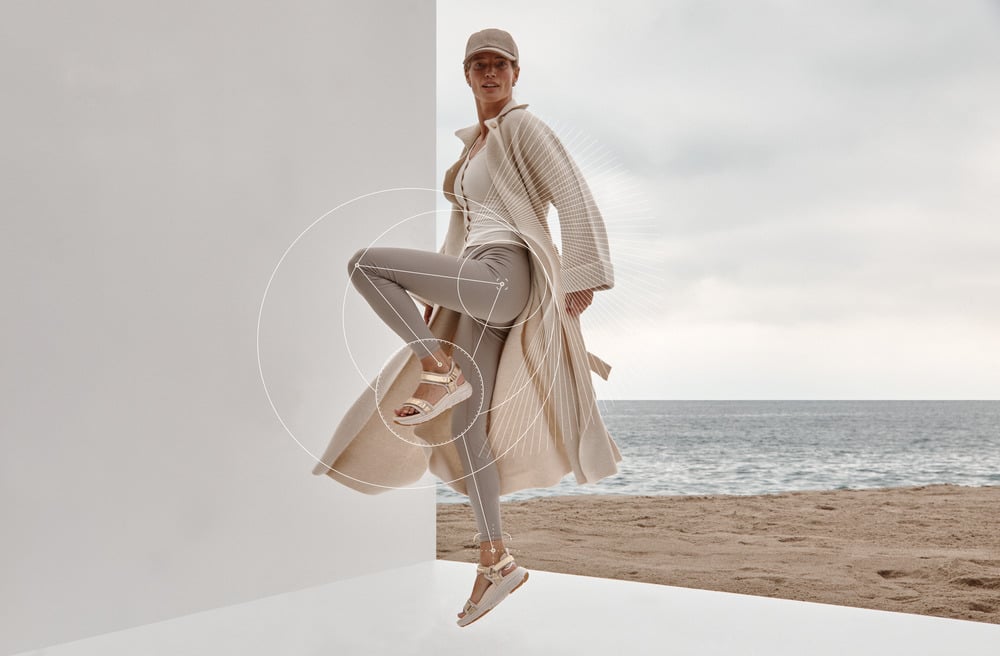
True comfort in a walking shoe is a multi-layered achievement, far beyond simple cushioning. Let’s dissect it. First, the arch support. This is the non-negotiable cornerstone. A study published in the Journal of Foot and Ankle Research notes that customised or well-fitted functional arch supports can significantly reduce pain and improve function in individuals with plantar fasciitis. A high-quality walking shoe incorporates a contoured, firm yet forgiving arch that cradles the medial longitudinal arch, preventing its collapse. Next is the heel cup. A deep, rigid heel counter stabilizes the rearfoot, controlling motion and providing a secure fit that minimizes slippage and friction—a primary cause of blisters. Then comes metatarsal support. A slight raise or pad in the forefoot area, just behind the ball of the foot, helps offload pressure from the metatarsal heads, a feature often cited by sports medicine specialists as crucial for preventing forefoot pain. Finally, the rocker sole. This design, with a gently curved profile, isn’t just a styling quirk. As explained in prosthetics and orthotics literature, a rocker sole facilitates a smoother roll-through from heel-strike to toe-off, reducing the work required from the Achilles tendon and calf muscles. Each of these elements must work in harmony. A shoe that masters this symphony, like many Vionic walking shoe models, transforms walking from a potentially taxing activity into a fluid, supported, and joyous motion. The comfort is active, not passive—it guides and corrects with every step.
A Perspective from the Experts
This integrated approach to foot health is echoed by professionals. Dr. Jackie Sutera, a renowned New York City podiatrist and a frequent voice in footwear discussions, has often stated in interviews and on platforms like YouTube: “People think comfort is just softness. But real comfort is about alignment and support. A shoe should hold your foot in its anatomically correct position. That’s what prevents the fatigue and pain that comes from your muscles and ligaments overworking to compensate for a lack of structure.” This insight cuts to the core of the matter. It’s not about sinking into a plush mattress for your foot, which can actually destabilize it, but about being held in a position that allows your body’s natural mechanics to function efficiently. This expert viewpoint validates the design philosophy behind biomechanical footwear, moving the conversation from marketing claims to clinical reality.

Where Form Meets Function: The Style Revolution
The historical stigma of “sensible shoes” being frumpy or medical is irrevocably broken. Today’s leading brands in orthotic-inspired footwear have ignited a style revolution. We are no longer limited to stark white or beige. The modern Vionic walking shoe collection exemplifies this shift, offering designs that draw from contemporary fashion trends. You can find sleek sneakers in minimalist colour palettes, elegant sandals with intricate straps that cleverly conceal supportive footbeds, and chic loafers that wouldn’t look out of place in a business casual setting. This evolution is critical because it removes the barrier to entry. When you don’t have to sacrifice your personal style for the sake of your foot health, adherence becomes effortless. You’re more likely to wear a supportive shoe daily if you love how it looks. This fusion is a response to a growing consumer demand for wellness products that integrate seamlessly into an aesthetically driven lifestyle, a trend noted by market analysts from Forbes to Vogue Business. It acknowledges that we are holistic beings; our desire for well-being and our expression of identity through fashion are not mutually exclusive, but can and should be unified in the products we choose.
The Cultural Shift: Wellness as an Aesthetic
This alignment with style is part of a larger cultural narrative. Think of the portrayal in popular media: films like Eat Pray Love or books like The Life-Changing Magic of Tidying Up by Marie Kondo, which, while not about shoes, signal a broader cultural move towards intentional living and curated comfort. The “wellness aesthetic” has permeated fashion, interior design, and technology. Footwear is a natural and foundational extension of this trend. When a celebrity on Twitter or a style influencer on Instagram shares their favourite “comfort brand” that also looks chic, it destigmatizes and popularizes the category. It sends a message that taking care of your body is stylish and smart. The modern supportive walking shoe, therefore, sits at the intersection of healthcare, fashion, and self-care—a tangible item you can use daily to invest in your physical ease without compromising your sartorial vision.
Making the Informed Choice: What to Look For
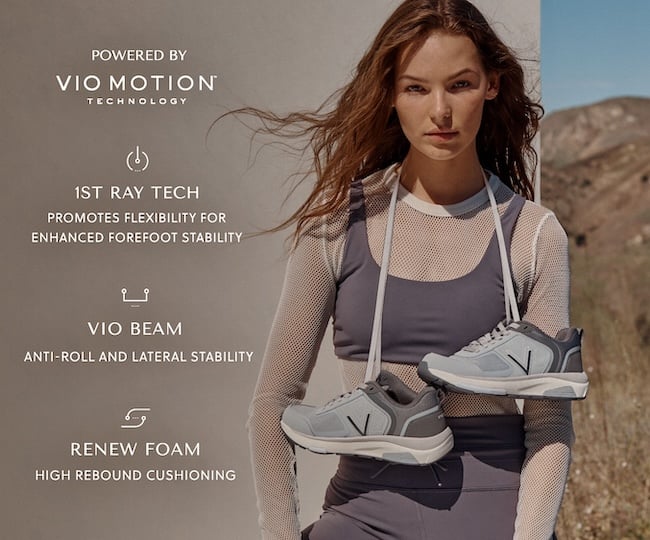
Armed with the knowledge of why support matters and the assurance that style is available, how do you, the consumer, make an informed choice? First, prioritize fit above all. Your foot should feel secure in the heel and through the midfoot, with ample room in the toe box to wiggle your toes. The arch should feel supportive, not intrusive or absent. Second, examine the shoe’s construction. Look for mentions of biomechanical technology, APMA acceptance, or podiatrist-designed features. Third, consider the materials. Breathable uppers like leather or advanced mesh promote air circulation, while durable, flexible outsoles with a rocker profile aid natural motion. Fourth, think about your specific needs. Are you walking on pavement, trails, or mostly indoors? Do you need a shoe for all-day standing? Different models may emphasize cushioning, stability, or lightweight flexibility. Finally, embrace the break-in period. A truly supportive shoe may feel distinctly different—noticeably supportive—for the first few wears as your feet and muscles adjust to the proper alignment. This is normal and different from a shoe that causes pain. Investing in a quality pair, like a well-crafted Vionic walking shoe, is an investment in thousands of future steps. Many reputable brands also offer detailed fitting guides and generous return policies for online purchases, allowing you to find your perfect match without pressure.
Your Stride Awaits: An Invitation to Move Differently
The narrative around walking shoes has been rewritten. The old dichotomy of comfort versus style is obsolete. Today, we have the privilege of accessing footwear engineered with scientific insight and designed with aesthetic intelligence. This isn’t about a fleeting trend; it’s about a permanent elevation in our expectations for the products that support our most fundamental movement. When you lace up a shoe built on the principles of biomechanical alignment, you are making a conscious decision to walk through your world with greater ease, stability, and confidence. The difference is palpable—from the first morning step without heel pain to the energy preserved at the end of a long day. It’s an upgrade to a daily ritual that we often take for granted. Discover the collection, feel the architecture of support beneath you, and experience how the right foundation can transform not just your walk, but your overall sense of vitality. The path to a more comfortable, stylish, and supported you begins from the ground up.

