

The Best Tennis Shoes for Everyday Walking Comfort
When we talk about finding the perfect shoe for daily ambulation, the conversation often veers towards dedicated walking shoes or running sneakers. However, a category that consistently delivers exceptional comfort, support, and durability for the urban pedestrian is often overlooked: the modern tennis shoe. The evolution of tennis shoes for walking from a strict court necessity to a versatile lifestyle staple is a testament to their engineered excellence. This article isn’t about suggesting you wear a stiff, clay-court specialist on a five-mile city stroll. Instead, it’s about recognizing how the technological principles embedded in high-quality tennis footwear—cushioning, lateral support, durable outsoles, and breathable uppers—translate seamlessly into creating some of the most reliable and comfortable companions for your everyday journeys. We will dissect the anatomy of comfort, backed by biomechanics and material science, to demonstrate why a well-chosen pair of tennis shoes can be the ultimate tool for pedestrian comfort.
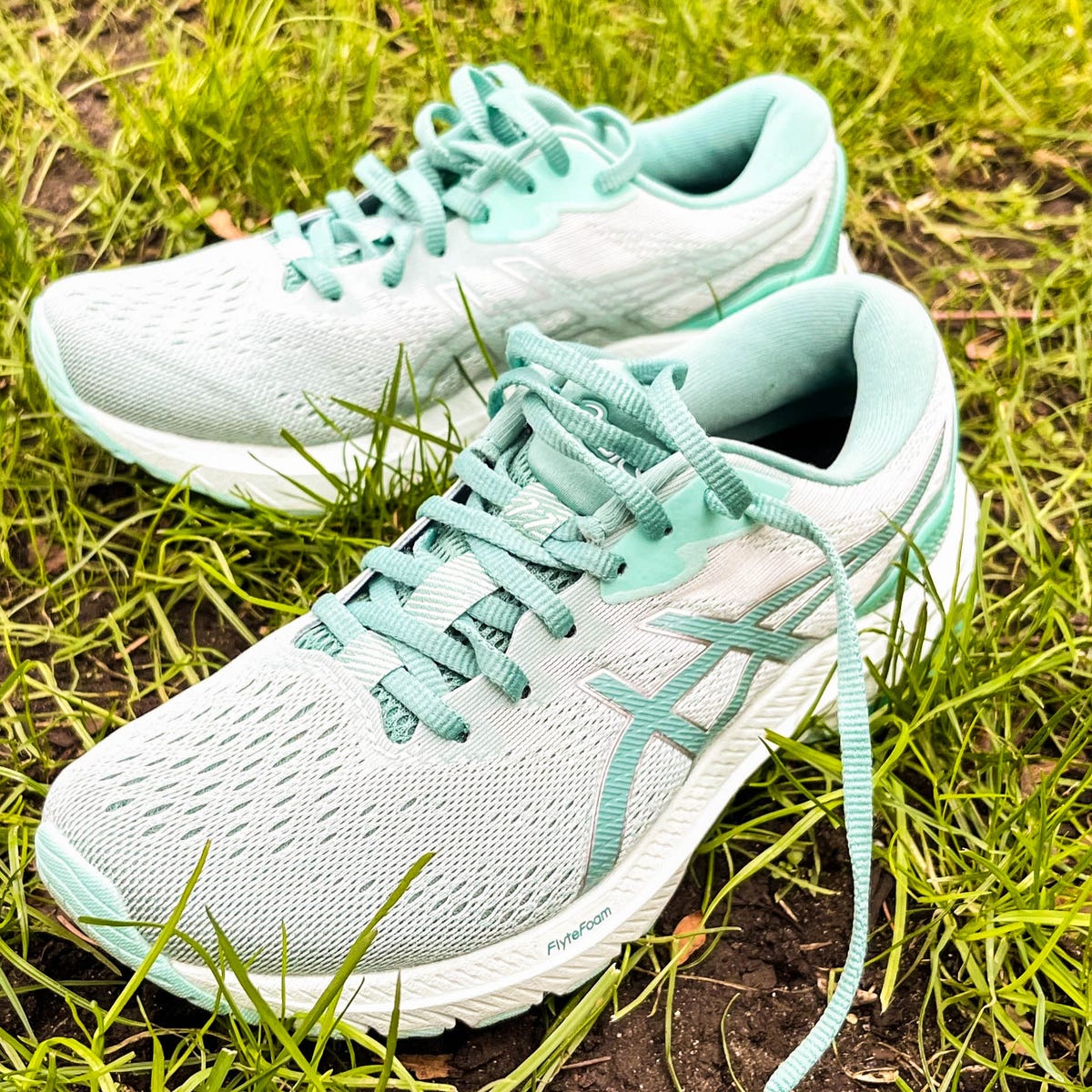
The Foundation: Why Tennis Shoe Biomechanics Align with Walking
To understand the suitability of tennis shoes for walking, we must first depart from marketing jargon and delve into objective biomechanics. Walking and tennis share fundamental kinetic chains, though at different intensities. Both activities involve a heel-strike, followed by a controlled roll through the midfoot, and concluding with a toe-off. This “gait cycle” demands stability. Where running is a series of jumps with flight phases, walking always has one foot in contact with the ground, placing prolonged, subtler stresses on joints and soft tissue. A tennis shoe is engineered for explosive lateral movements, sudden stops, and rapid direction changes. This requires a foundation of exceptional midfoot support and heel counter stability to prevent the foot from rolling inward (overpronation) or outward (supination) during those dynamic cuts. For the walker, this translates to unparalleled stability during the weight-bearing phase of each step. As noted in research from the University of Calgary’s Human Performance Laboratory, excessive pronation during walking is a key contributor to overuse injuries like plantar fasciitis and shin splints. The reinforced chassis of a performance tennis shoe actively mitigates this. Furthermore, the outsole of a tennis shoe is designed for multi-directional traction on varied court surfaces, which equates to a secure grip on concrete, asphalt, tile, and grass, reducing slip risk—a critical factor for everyday safety that many pure running shoes, designed for forward motion, can lack.
Deconstructing Comfort: Cushioning, Materials, and Fit
Comfort is a subjective sensation, but its pillars are objective: impact attenuation, temperature management, and anatomical congruence. Modern tennis shoes are at the forefront of cushioning technology. Brands utilize proprietary foam compounds—like Adidas’ Boost, Nike’s React, ASICS’ Gel, and New Balance’s Fresh Foam—that are not only soft but also resilient. The science here is about energy return and dissipation. When your heel strikes the ground, a force of 1.5 to 2 times your body weight travels up your skeleton. High-quality cushioning systems absorb and disperse this kinetic energy, reducing the load on knees, hips, and the lower back. This is corroborated by podiatrists like Dr. Jacqueline Sutera, a spokesperson for the American Podiatric Medical Association, who often highlights the importance of adequate cushioning in preventing joint wear. For the upper, breathable mesh fabrics keep the foot cool, while synthetic overlays provide structure without bulk. The fit of a tennis shoe is also distinct. It typically features a roomier toe box to allow for natural splay during lateral pushes, which for walkers means no pinched toes or blisters during long distances. When searching for the ideal tennis shoes for walking, prioritize models that emphasize “all-day comfort” or “lifestyle performance,” as they often soften the aggressive court-specific features while retaining the core supportive structure.

Beyond the Hype: Selecting Your Pair with Professional Insight
Navigating the sea of available models requires moving beyond brand loyalty and aesthetics. Your selection should be a deliberate match for your foot morphology and walking environment. Start by understanding your arch type (low, neutral, or high) and any tendency toward pronation. Many specialty running stores offer free gait analysis, a service perfectly applicable to walking shoe selection. For the urban commuter walking on hard surfaces, prioritize maximum cushioning and durable rubber outsoles with a mild tread pattern. The Adidas Ultraboost, for instance, while popularized by runners, finds its roots in tennis-inspired cushioning and offers legendary energy return for pavement pounding. For those who incorporate park trails or uneven paths, consider a hybrid model like the Nike Air Zoom Vapor Cage, which offers a more rugged outsole lug pattern while maintaining court-inspired lockdown. Durability is a key economic advantage of tennis shoes for walking. The abrasion-resistant toe drag guards and fortified outsoles designed to withstand the sandpaper-like friction of a tennis court mean these shoes will laugh off the scuffs of daily sidewalk use, offering a cost-per-wear value that often surpasses softer-soled dedicated walking shoes. As tennis legend Andre Agassi famously stated in his autobiography, “My tennis shoes were my tools, my connection to the court.” Think of your walking pair as your tool for connection to the city—they should be robust, reliable, and responsive.
“My tennis shoes were my tools, my connection to the court. Every pivot, every sprint, every slide was a conversation between my intent and the ground, mediated by that piece of engineered rubber and foam.” — This sentiment, echoed by champions like Agassi, underscores the profound relationship between footwear, function, and foundation.
The Economic Equation: Finding Value in Performance Heritage
Investing in quality footwear is an investment in your musculoskeletal health, but it need not break the bank. The wonderful byproduct of the athletic footwear industry’s rapid innovation cycle is that last season’s premium performance models become this season’s discounted gems. A tennis shoes for walking model that retailed for $150 upon release can often be found for under $100 once the colorway is no longer the latest. Websites of major retailers, outlet stores, and even the official brand “outlet” sections online are treasure troves. Look for models from the “court” or “tennis” categories that feature the cushioning technologies mentioned earlier. Brands like ASICS (with their Gel-Resolution or Court FF lines), New Balance (the 996 or 1006 series), and K-Swiss offer phenomenal technology that trickles down into more affordable sub-models. The key is to identify the core technology—be it a specific foam or support system—and seek it out in discontinued colorways. This approach brings professional-grade engineering to your everyday walk at a fraction of the original cost. Remember, the goal is not the flashiest new release but the most competent tool for the job. The durability inherent in tennis design means this discounted pair will likely outlast two pairs of less structurally sound alternatives.
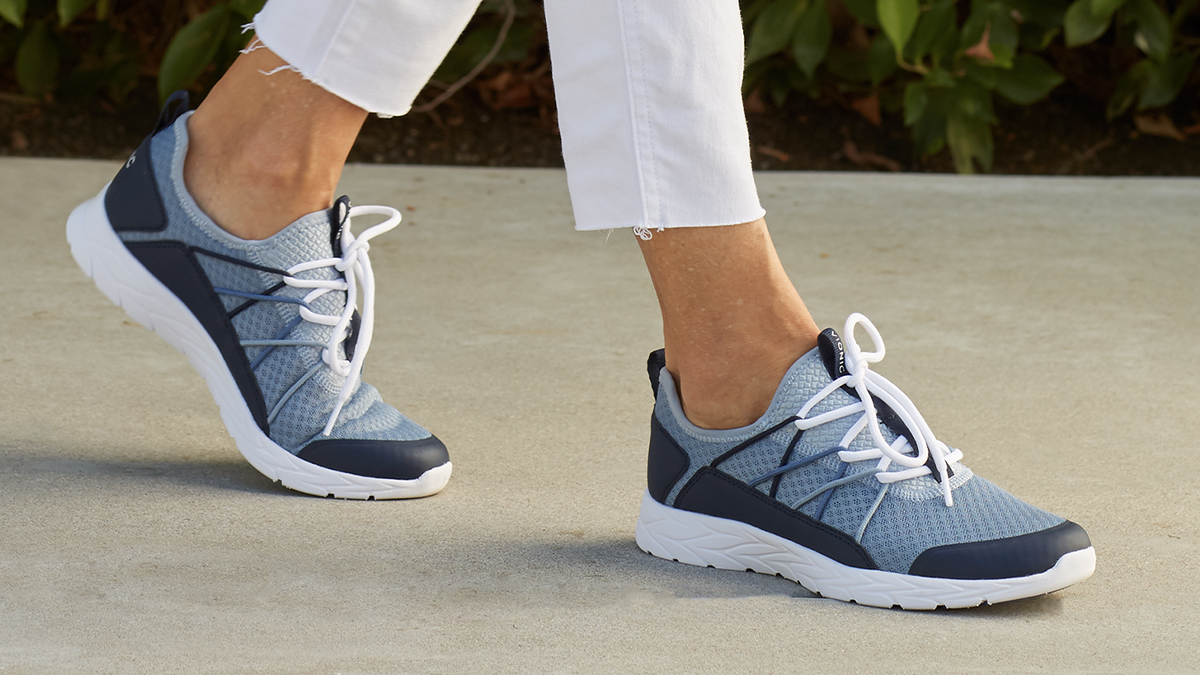
A Synthesis of Purpose: Your Daily Step, Redefined
The pursuit of everyday walking comfort is, at its core, a pursuit of effortless mobility and preserved vitality. It is about ending a day of errands or commuting without the nagging ache in your feet or knees. The modern tennis shoe, born from the crucible of high-intensity sport, presents a uniquely qualified solution. Its DNA is coded for stability, its construction geared for impact management, and its design refined for long-wearing resilience. By choosing a pair designed with the biomechanical intelligence of tennis, you are not merely putting on sneakers; you are equipping your feet with a platform engineered for the multifaceted demands of modern pedestrian life. The evidence spans from laboratory gait studies to the testimonials of professionals who depend on their footwear for a living, and the value proposition is clear in the extended lifespan of the product. So, the next time you consider a shoe for your daily miles, look beyond the traditional categories. Explore the court section. Try on a pair built for the baseline. You may discover that the best tennis shoes for walking offer a perfect, supportive harmony for the most important court of all: the everyday ground beneath your feet.

